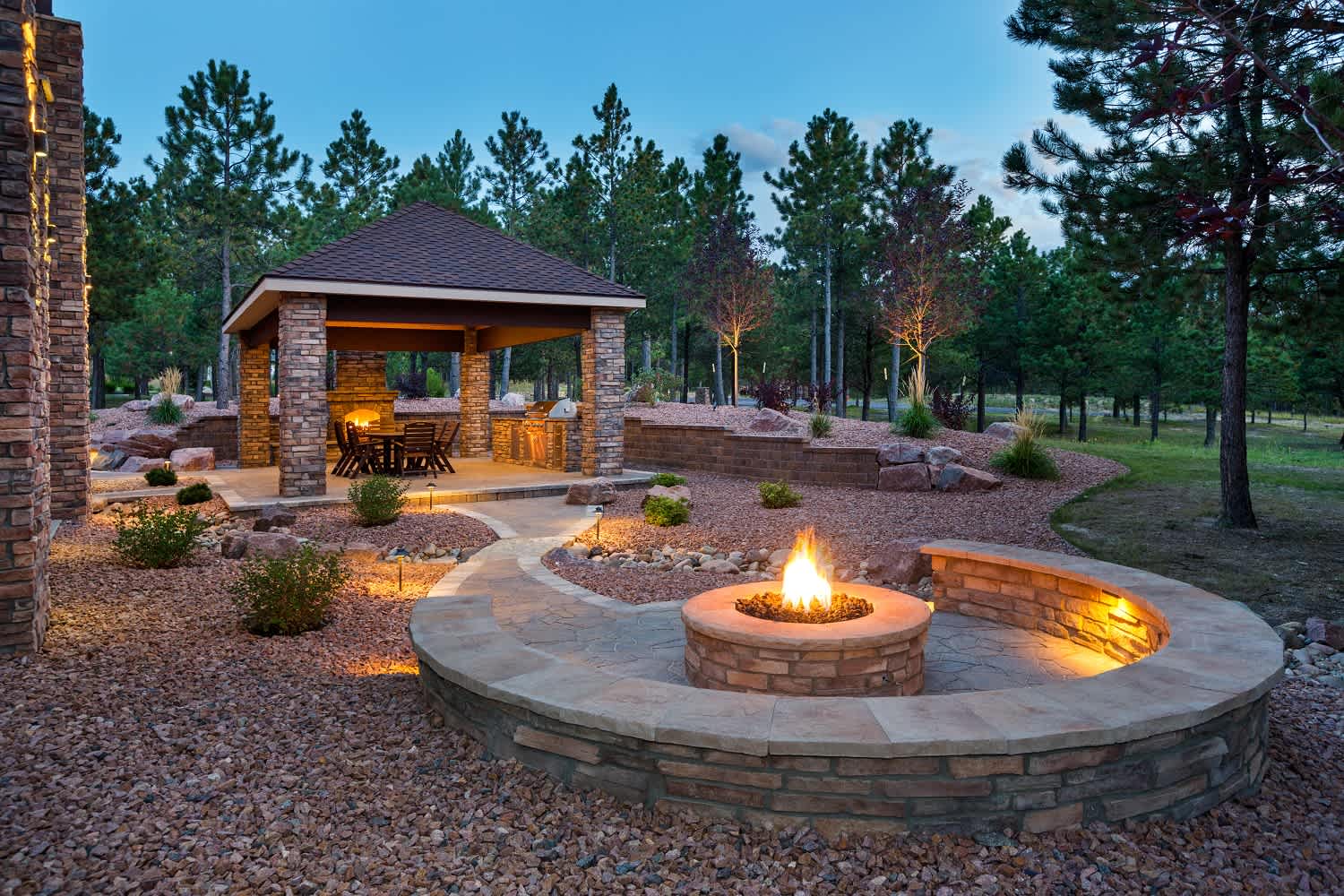







Top-rated fire pit installation pros.

Get matched with top fire pit installation pros in Guilford, CT

Enter your zip and get matched with up to 5 pros

Need a pro for your fire pit installation project in Guilford, CT?

Select your specific project to find the pro for you.

TRUSTED BY GUILFORD, CT HOMEOWNERS

  • Average homeowner rating star icon4.6
    Average homeowner rating
  • Verified reviews icon474
    Verified fire pit installation services reviews

Find Fire pit installation pros in Guilford

No results for Fire pit installation pro in

Try adjusting your search criteria.
Fire Pit Installation questions, answered by experts

Wood-burning fireplaces typically make homeowners insurance more expensive, simply because they increase the risk for a fire in your home. Gas and electric inserts are less likely to bring up your insurance rates, but you should always speak with your agent to understand how installing any type of fireplace will affect your premiums.
In general, it will take about 90 minutes to burn the creosote sweeping log by itself, allowing it to work its magic. This may be longer or shorter depending on the conditions of your chimney.

Yes. Even when it’s not in use, an outlet is still connected to wiring, and if the wiring is faulty or wet, a fire can occur. Broken outlets can also cause fires, for the same reasons; in fact, most broken outlets are broken due to damaged or worn-out wiring. It’s worth replacing outlets that are old or damaged with the help of an electrician.

Generally, an oil furnace is considered safer than a gas furnace for several reasons. While both types of furnaces can produce carbon monoxide, a leak in an oil furnace is easier to detect due to the smell. Oil furnaces also don't connect to a gas pipeline, which reduces the chance of a fuel leak. Most importantly, heating oil is not combustible, whereas natural gas is highly flammable. This means there is a much lower risk of combustion or explosion with an oil furnace. However, an oil furnace can still pose a fire hazard if it tips over.

A spark arrestor is a simple metal mesh device that prevents flammable particles from escaping from a combustion source and causing a fire. You typically find these attached to gas or diesel engines on things like cars, generators, and garden tools (lawnmowers, chainsaws, etc.). Fireplace or wood-burning stove chimneys also have spark arrestors attached to or sitting under the chimney cap to capture burning embers.

The Guilford, CT homeowners’ guide to fire pit installation services

From average costs to expert advice, get all the answers you need to get your job done.