

Top-rated tree service pros.

Get matched with top tree service pros in Bantam, CT

Enter your zip and get matched with up to 5 pros

Need a pro for your tree service project in Bantam, CT?

Select your specific project to find the pro for you.

TRUSTED BY BANTAM, CT HOMEOWNERS

  • Average homeowner rating star icon4.6
    Average homeowner rating
  • Verified reviews icon50
    Verified tree services reviews

Find Tree service pros in Bantam

Avatar for Evergreen Tree Removal
Evergreen Tree Removal
3.9(
80
)
Tree RemovalTree Stump - RemoveTree Removal - For Business+1 more

Serving Bantam, CT and surrounding areas

Approved

In business since 2002

Free estimates

Emergency services offered

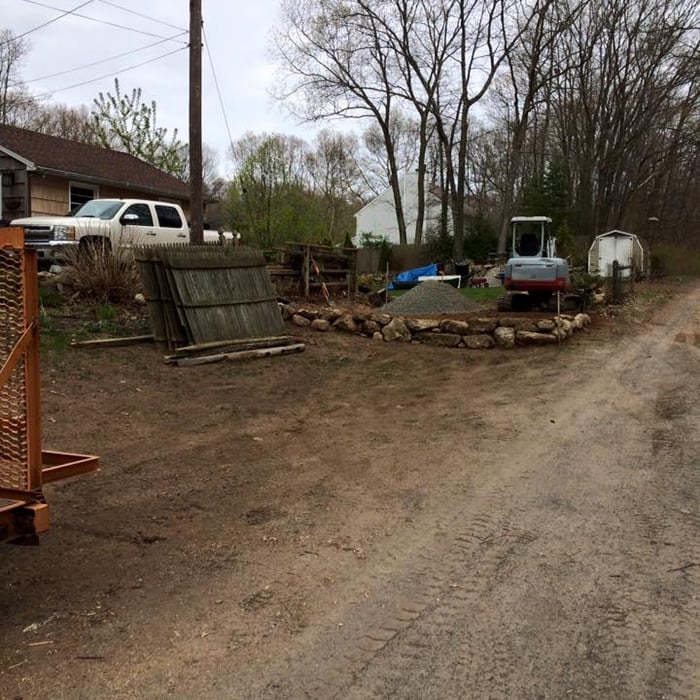
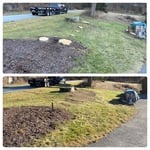
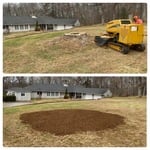
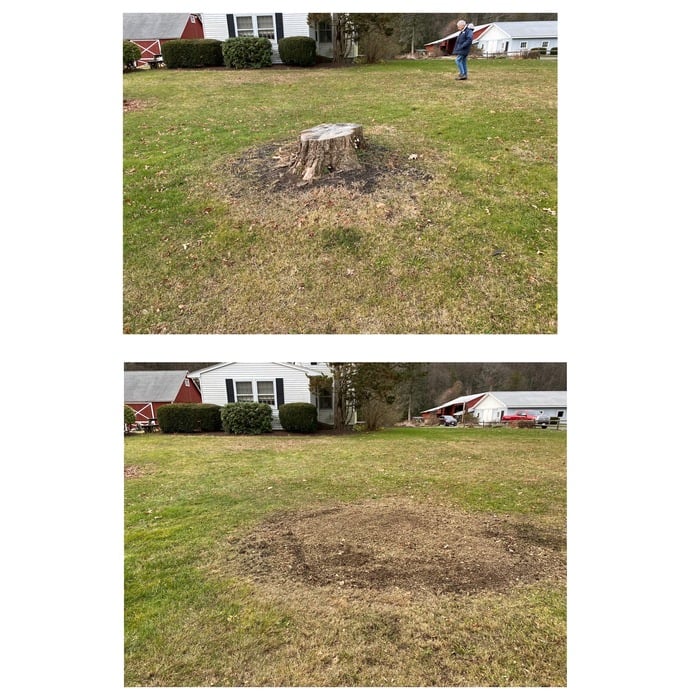
"Very polite and responsive. Available via text throughout the job. Went above and beyond, removing some tree stumps not originally part of the proposal. The only (minor) complaint was that a two-day job turned into more than that. UPDATE. Almost 3 months after the original job, I have texted, emailed, and called over 10 times to try to get an area cleaned up that was left a mess. A good experience has turned into a very poor one unfortunately. I am still hopeful this will be Resolved, and will update the review as things proceed."
 1
 1
 1
 1
2

+73

Response time1 day
Response rate100%
8 neighbors recently requested a quote
...
Showing 1-10 of 148
Tree Service questions, answered by experts

Palm trees will not regrow from a stump once the tree has been cut down. This type of tree is unique because the root and stump system will slowly decay after the tree is gone, unlike other species that can regrow. That’s why it’s preferable to remove dead or decaying palm tree stumps quickly as they can become an eyesore and don’t offer future growing potential.

In general, trees should be planted no closer than 15 to 20 feet from your foundation. For larger trees with far-reaching roots like maples, oaks, or poplars, a good guide is to plant as many feet from your home as the tree’s height is expected to reach at maturity. Some trees, like elms and willows, should only be planted far from where their roots may encounter sewer or water lines.

Some trees, such as silver maples, birches, sycamores, and scotch pines, shed their bark naturally. If your tree is not one that does this, it might have fallen prey to pests, fungi, or diseases. It could also simply be suffering from an extreme weather change, such as a snowstorm or heat wave. If you’re still stumped, consulting with a pro can help you diagnose your tree’s specific problem.

It is possible to burn out a tree stump if it is dried out and in an area of your property with a large buffer. Drill holes in the stump and dig around the base so it burns more easily. Then, build a small campfire on top using kindling and firewood. You’ll need enough to keep the fire going for many hours to completely burn out the stump, especially if it’s large. 

Monitor the fire closely to ensure it doesn’t spread, and have a hose on hand if it starts to get out of control. When the fire is out, break apart the burned stump and dig out what’s left of it.  

If this sounds like a good option, learn more about how to burn a tree stump before attempting it, as it does come with risks.

Professionals use assessments, strategic cuts, specialized equipment, and safety measures to ensure healthy growth or the safe removal of trees or shrubs.

The Bantam, CT homeowners’ guide to tree services

From average costs to expert advice, get all the answers you need to get your job done.