

Top-rated landscapers.

Get matched with top landscapers in May Valley, CO

Enter your zip and get matched with up to 5 pros

Need a pro for your landscaping project in May Valley, CO?

Select your specific project to find the pro for you.

Find Landscapers in May Valley

Avatar for TRI-CAM EXCAVATION LLC
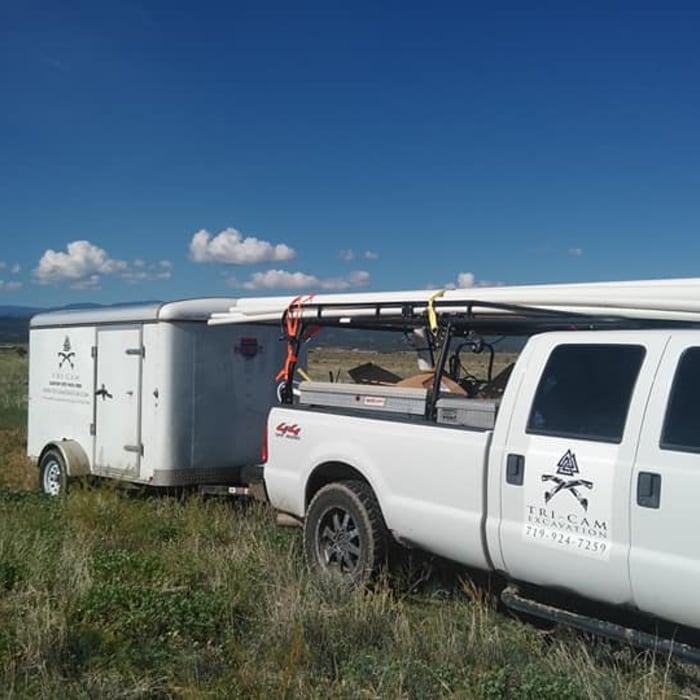
TRI-CAM EXCAVATION LLC
5.0(
3
)
Landscape - Minor Grading or ReslopingLandscape - Minor Grading or Resloping - For Business

Serving May Valley, CO and surrounding areas

In business since 2018

Free estimates

Emergency services offered

"Fantastic! Snaked and scoped the sewer line and found that there needed to be a clean out installed. Went and got the parts and did it right then, working into the dark hours in the middle of winter. He came out the day that I called him, after all other companies in the area stated "nothing could be done". I would recommend him over and over and over again! He also charged the most fair price as anyone in town and provided higher quality and better services than they were."
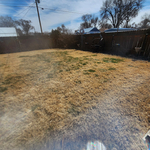
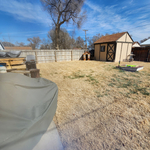
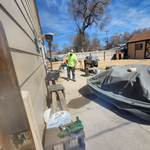
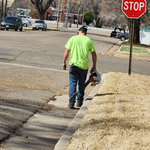
Additional Photos
Additional Photos
Additional Photos
Additional Photos
Additional Photos

+3

Response time1 day
Recommended by100%of homeowners

Showing 1-10 of 31
Landscaping questions, answered by experts

Common features in lakefront landscaping projects include native and water-tolerant plants, stone paths, docks or piers, seating areas, and erosion control solutions to create a harmonious integration with the waterfront setting.

You should avoid planting grass, shrubs, plants, and trees in freezing temperatures, as the ground can get frozen and become too hard for proper root growth. It’s best to plant in the fall to allow your plants to establish root systems before the first frost. Landscaping when the average temperature in your area is between 50 and 60 degrees will usually deliver the best results.

Yes, you can absolutely transplant bushes instead of removing them completely. The success depends on the size of the bushes, their age, and the transplanting season. Ideally, transplant during the dormant season (late fall or winter). Dig out the entire root system in one piece, fill the new hole with fresh soil and mulch, and water thoroughly after planting.

Yes, it is possible to add too little mulch. Anything less than 1 inch will likely result in too little coverage around your plants, allowing weeds to grow through and minimizing the positive effects that a deeper bed of mulch would have, like maintaining proper soil moisture and insulating the ground.

Grass is the most popular and safest option for planting over a septic drain field, but you can also plant small flowering plants and other lightweight plants that don’t have woody or deep roots. Avoid trees and bushes within 10 feet of the field, as the woody roots can crack the perforated pipes. You should also avoid planting vegetable or fruit gardens over your drain field, as a leak from the pipes could contaminate the soil and put anyone who eats the produce at risk.

The May Valley, CO homeowners’ guide to landscaping services

From average costs to expert advice, get all the answers you need to get your job done.