



Top-rated landscapers.

Get matched with top landscapers in Swink, CO

Enter your zip and get matched with up to 5 pros

Need a pro for your landscaping project in Swink, CO?

Select your specific project to find the pro for you.

Find Landscapers in Swink

Avatar for AG Remodeling & Landscaping
AG Remodeling & Landscaping
5.0(
5
)
Architect - LandscapeDesigner - LandscapeDrywell - Construct or Rebuild+8 more

Serving Swink, CO and surrounding areas

In business since 2009

Free estimates

Emergency services offered

"He did quality work, he went beyond and above our expectations, he exceeded the expectations of his job, everything was done in a timely manner, very clean and trash was removed everyday! Very professional and very kind. Thank you AG remodeling & Landscaping for an excellent job!"
Additional Photos
Additional Photos
Additional Photos
Additional Photos
Additional Photos

+25

Recommended by100%of homeowners

Avatar for TRI-CAM EXCAVATION LLC
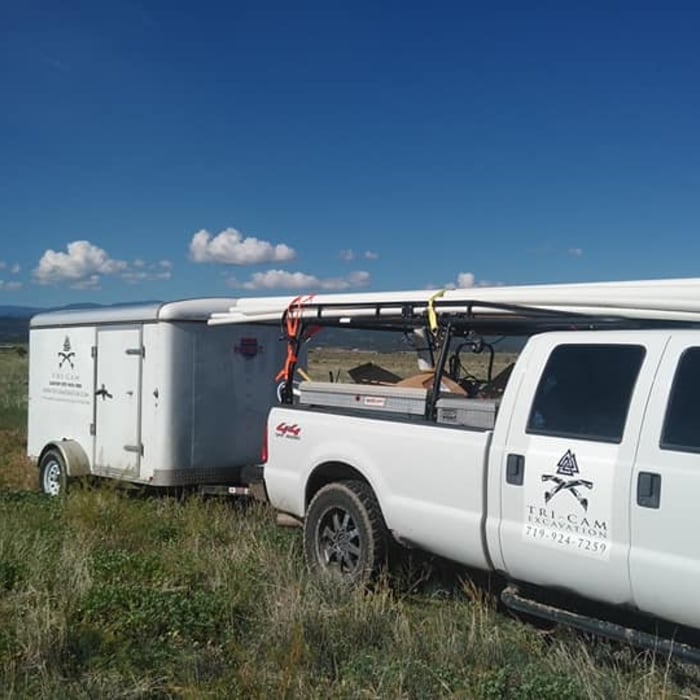
TRI-CAM EXCAVATION LLC
5.0(
3
)
Landscape - Minor Grading or ReslopingLandscape - Minor Grading or Resloping - For Business

Serving Swink, CO and surrounding areas

In business since 2018

Free estimates

Emergency services offered

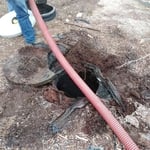
"Fantastic! Snaked and scoped the sewer line and found that there needed to be a clean out installed. Went and got the parts and did it right then, working into the dark hours in the middle of winter. He came out the day that I called him, after all other companies in the area stated "nothing could be done". I would recommend him over and over and over again! He also charged the most fair price as anyone in town and provided higher quality and better services than they were."
Additional Photos
Additional Photos
Additional Photos
Additional Photos
Additional Photos

+3

Response time1 day
Recommended by100%of homeowners
Showing 1-10 of 43
Landscaping questions, answered by experts

The best time to plant is between spring and autumn. Springtime weather is typically mild and is when nurseries start to bloom. When the summer weather arrives and it’s hot out, it’s best to avoid planting bare-root plants, but you can still plant many in-container varieties. The first sign of fall is another great opportunity to plant biennials if you live in southern states, or a lovely vegetable garden up north.

Unless it only rains once in a blue moon where you live, you’re going to want water-loving plants in your garden bed or pot. A few ideas for plants that aren’t super fast-growing (meaning they’re good in pots or near foundations) and can handle a lot of standing water include: 

  • Acorus (Sweet flag)

  • Colocasia esculenta (Taro or elephant ear): In many climates, these are annuals, making them less desirable because you need to adjust the chain again after each replant.

  • Equisetum scirpoides (Dwarf horsetail rush): non-dwarf varieties of horsetail are fast growers and can take over quickly.

  • Juncus effusus (Curly rush)

  • Osmunda regalis (Royal fern): Royal fern can grow quickly but can also handle being crowded, making them good container plants.

The best type of rock for landscaping depends on your specific project and needs, as different rocks are suited for different applications. For covering large areas or creating an affordable driveway, consider gravel, but note that it can wash away in flowing water. For water features, river rocks are a good option. Flagstone and cobblestone are ideal for aesthetically pleasing patios and walkways. If you are building a stone wall, fieldstone or small boulders are up to the task. Large boulders and landscape rocks work well as statement pieces, to fill empty space, or to indicate boundaries, but be mindful that they can overwhelm smaller gardens. The best approach is to first define your landscaping project and then select the rock type that best fits that purpose.

While you can leave roots in the ground, if you don’t want the shrub to regrow again over time, it’s best not to leave any roots behind. Ensure you remove as much of the shrub as possible, including the root ball and any main roots you can see, to prevent new growth. Some gardeners opt for using a chemical treatment to prevent the stump from growing back, but this can kill beneficial microorganisms living in your soil.
Plant privet hedges at least 1 foot apart in a trench about 2 feet wide and 2 feet deep. It’s important to space privet hedges relatively far apart due to how quickly they grow to significant sizes and heights. You don’t want to crowd privet plants, or they could overcrowd each other, causing unwanted damage.

The Swink, CO homeowners’ guide to landscaping services

From average costs to expert advice, get all the answers you need to get your job done.