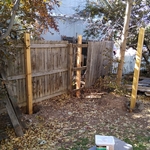
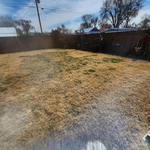
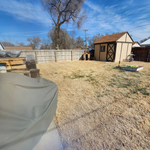
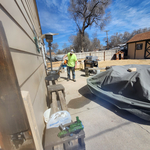
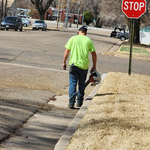
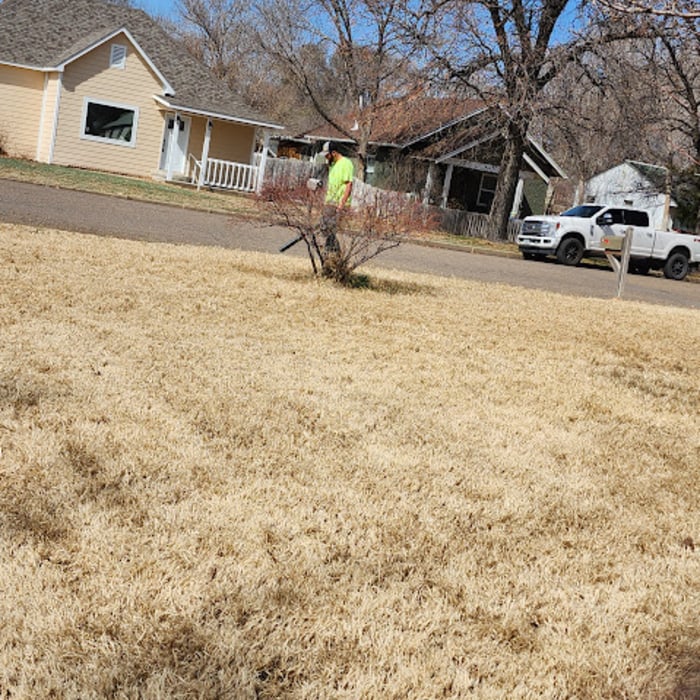
"Robert was friendly and courteous with safety in mind, always making sure things were done to my satisfaction very hard-working, and got the job done, right thank you, Robert"
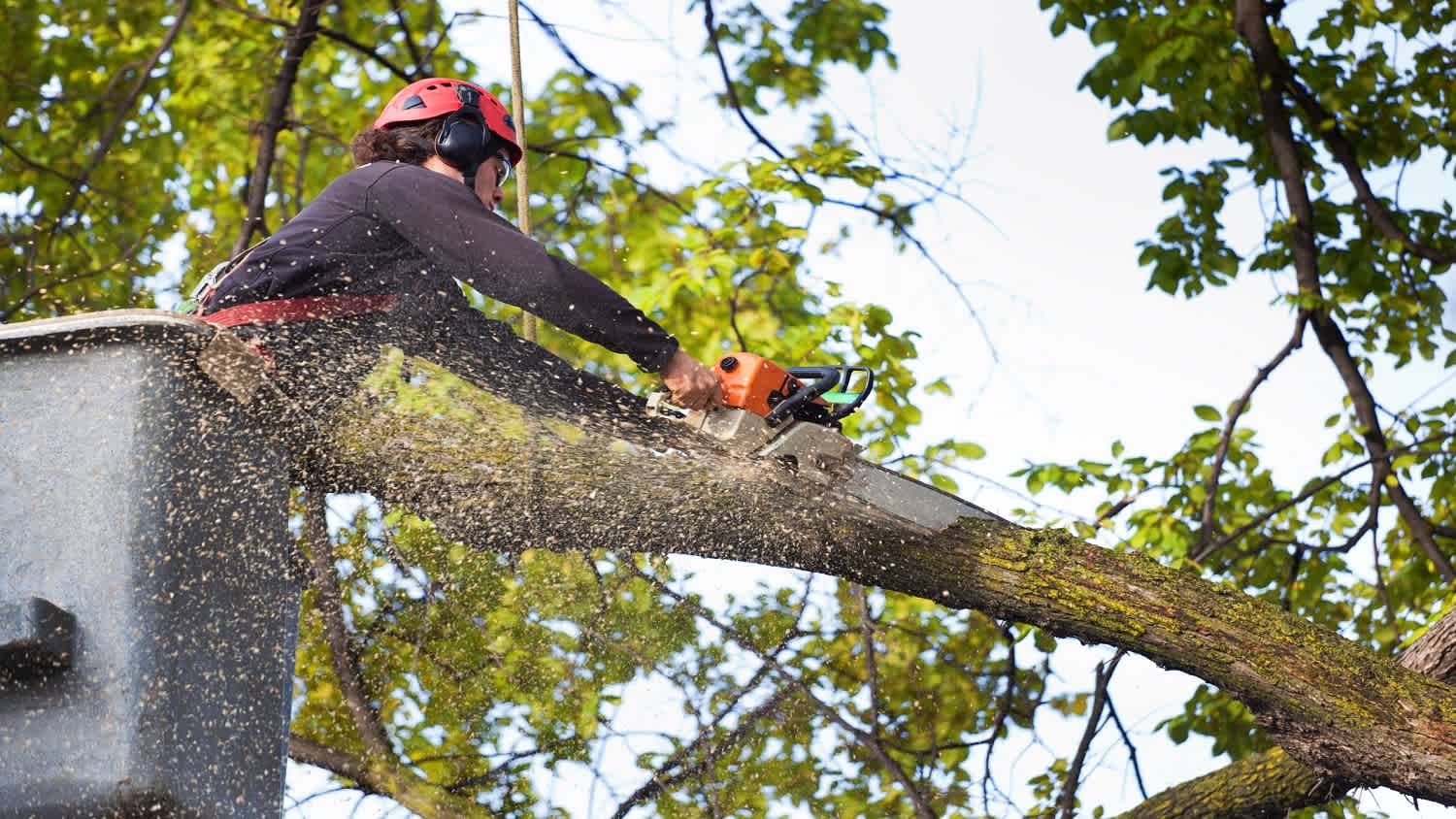
in the tree service business we go above and beyond to satisfy our customers. we are a honest, reliable, team of hard working individuals willing to satisfy all our customers
Welcome to D & D Contracting! We take pride in the quality of work and customer satisfaction that we give each and every customer. We are known to pay exquisite attention to detail while making customer satisfaction our top priority. Call us today to learn more about how we can help you!
We're a locally owned and operated company with over 20 years of industry experience. We value honesty and integrity in all aspects of our business. We offer a variety of Home Improvement services that are customizable to each individual project. We specialize in handyman/carpentry work and a variety of related service and repair projects. We pride ourselves on the quality of our work as well as our commitment to outstanding results. We look forward to building lasting relationships with our clients and guarantee your satisfaction!
\n
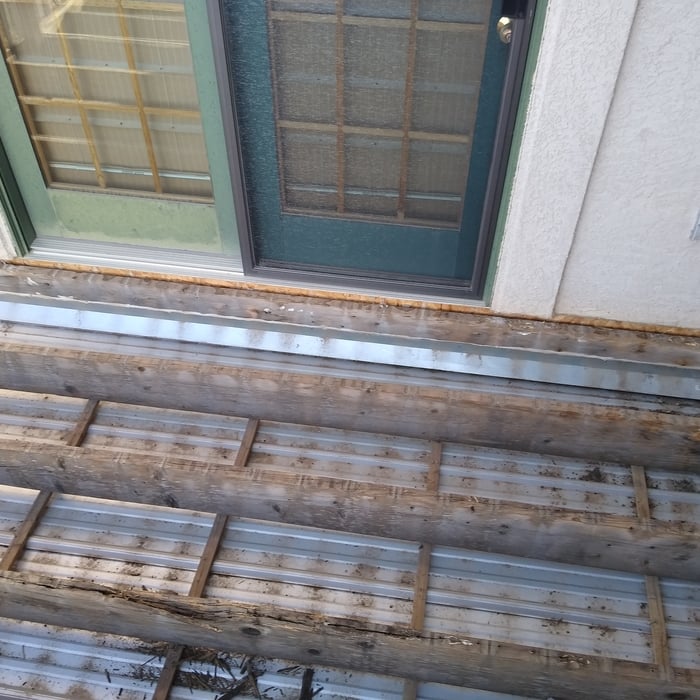
Hand crafted custom log work built from only the best in Engelmann Spruce & Lodgepole Pine. With over 15 years in the \nlog industry, Timberland Custom Log Works is proud to say, "We are top notch in the log industry."
Poison oak is similar to poison ivy in that it's in the same family of plants. Poison oak is identifiable by its rounded-off leaves and hairy leaf texture. Tree-climbing varieties live primarily in western states while low-growing poison oak bushes occupy the eastern states. Treat poison oak like poison ivy to get rid of it permanently.
Yes, forestry mulching can grind stumps, but the level of effectiveness depends on the equipment used. Drum mulchers can break down smaller stumps, but larger or deep-rooted stumps may require a dedicated stump grinder for complete removal. If full stump removal is necessary for replanting or construction, additional excavation may be needed. Always check with your forestry mulching provider to confirm whether they offer stump grinding and if their equipment is suitable for your specific needs.
If your palm tree has spots on the leaves, rotting buds, or is beginning to turn yellow, then you have a sick tree on your hands. You should contact a palm tree specialist to identify the problem and help treat the tree if possible. Preventing diseases and pests is key to a healthy palm tree, and it's essential to take action as soon as possible if your tree is showing signs of being sick.
You can use the formula mentioned earlier to calculate the depth of tree roots. Each inch of width of a tree trunk translates to six inches of depth within the root system. Large trees extend anywhere from 2 to 6 feet into the ground, with some magnificent specimens going even deeper.
Getting a tree pro with the right experience can be the difference between your transplanted tree surviving or not. When hiring a local tree transplanting and removal service, follow up on references, check their portfolio, ask for a breakdown of the costs, and get proof of liability and workers’ compensation insurance.
If you're dreaming of rocking around your—professionally decorated—tree this season, this is how much a Christmas tree decorating service will cost you.
How much does an arborist cost? This guide explains the cost of different services, ongoing expenses, and other factors to consider when hiring an arborist.
Get a clear estimate of palm tree maintenance cost, including trimming, fertilization, and pest control, so you can keep your palms healthy and your budget on track.
You suspect that the leaning oak tree in the back needs to come down, but can you just handle it yourself? Here are the pros and cons of calling a tree service.
Are there insurance requirements for tree services? Whether you’re having your trees trimmed or finally removing that old oak from your front yard, you’ll want to make sure your tree company or contractor has these two types of insurance, at minimum.