


Top-rated landscapers.

Get matched with top landscapers in Granada, CO

Enter your zip and get matched with up to 5 pros

Need a pro for your landscaping project in Granada, CO?

Select your specific project to find the pro for you.

Find Landscapers in Granada

Avatar for TRI-CAM EXCAVATION LLC
TRI-CAM EXCAVATION LLC
5.0(
3
)
Landscape - Minor Grading or ReslopingLandscape - Minor Grading or Resloping - For Business

Serving Granada, CO and surrounding areas

In business since 2018

Free estimates

Emergency services offered

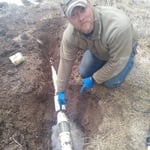
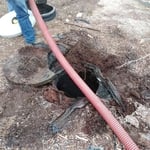
"Fantastic! Snaked and scoped the sewer line and found that there needed to be a clean out installed. Went and got the parts and did it right then, working into the dark hours in the middle of winter. He came out the day that I called him, after all other companies in the area stated "nothing could be done". I would recommend him over and over and over again! He also charged the most fair price as anyone in town and provided higher quality and better services than they were."
Additional Photos
Additional Photos
Additional Photos
Additional Photos
Additional Photos

+3

Response time1 day
Recommended by100%of homeowners
Showing 1-10 of 29
Landscaping questions, answered by experts

The best time to plant a tree is in the spring, so the roots have time to grow into the surrounding soil before winter sets in. Some people recommend planting in the late fall. However, planting in the spring reduces the stress on the tree, as it will be emerging from dormancy, giving it the full spring and summer ahead to acclimate and put down roots into the soil.

Yes, weeds can still grow in decomposed granite. If properly compacted, it can act as a good weed suppressant, meaning you’ll only pull weeds occasionally. But no ground cover is completely weed-proof. To further prevent weeds, you can try spraying your decomposed granite with distilled white vinegar.

Unless it only rains once in a blue moon where you live, you’re going to want water-loving plants in your garden bed or pot. A few ideas for plants that aren’t super fast-growing (meaning they’re good in pots or near foundations) and can handle a lot of standing water include: 

  • Acorus (Sweet flag)

  • Colocasia esculenta (Taro or elephant ear): In many climates, these are annuals, making them less desirable because you need to adjust the chain again after each replant.

  • Equisetum scirpoides (Dwarf horsetail rush): non-dwarf varieties of horsetail are fast growers and can take over quickly.

  • Juncus effusus (Curly rush)

  • Osmunda regalis (Royal fern): Royal fern can grow quickly but can also handle being crowded, making them good container plants.

The best size rock for your landscaping depends on the design, as different boulders serve different purposes. If you want to group boulders to create a natural-looking cluster, you’ll need a range of sizes. Otherwise, here are some suggestions:

  • Small boulders (smaller than 12 inches across): Best for landscape edging and fire pits 

  • Medium boulders (12–24 inches): Best for retaining walls and water features

  • Large boulders (more than 24 inches): Best as standalone landscaping features, steps, or walkways.

Of course, you can mix and match sizes to create a unique display.

Costs for lakefront landscaping are influenced by project size, choice of plants and materials, labor, and any additional features or structures desired. Projects can range from a few thousand dollars to extensive transformations costing much more.

The Granada, CO homeowners’ guide to landscaping services

From average costs to expert advice, get all the answers you need to get your job done.