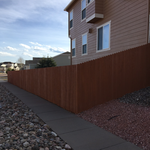
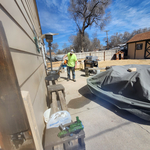
"I am very pleased with the results! They were on time, very polite and professional! They promised great results and delivered! the driveway looks great and gets compliments from our family and neighbors! I am also happy with the price!"
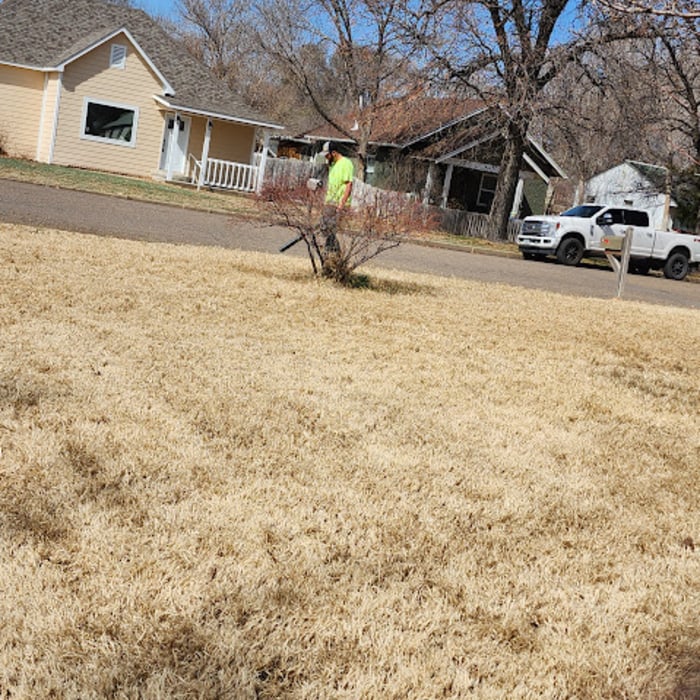
"He did quality work, he went beyond and above our expectations, he exceeded the expectations of his job, everything was done in a timely manner, very clean and trash was removed everyday! Very professional and very kind. Thank you AG remodeling & Landscaping for an excellent job!"
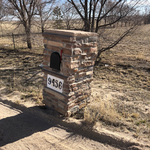
"Colorado Image Crete did a fantastick job matching our current home's exterior rock and we were very pleased with the finished work. I would recommend them to anyone considering this type of improvement"
There are many benefits to raised garden beds. It’s easier to control weeds and enrich the soil. The truth is, most top soil isn’t suitable for growing veggies, and you’ll need to make adjustments. It’s easier to adjust a controlled space than a large area.
If you use the wrong plants for your gardening zone, you’ll likely get less than desirable yields from them. In some cases, your plants can even die. It’s important to ensure that your plants are able to survive in your hardiness zone before getting them into the ground.
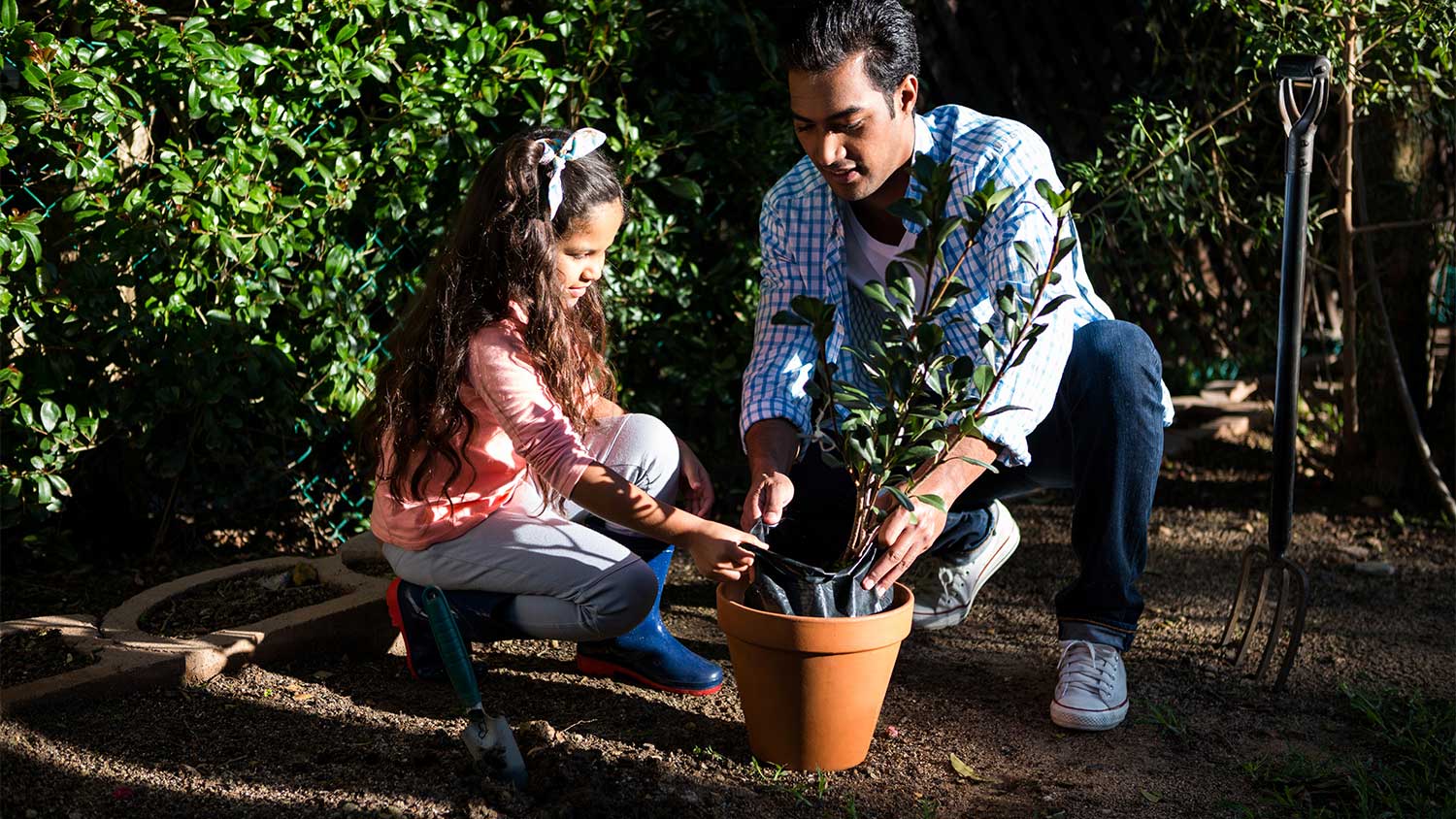
Consulting your local university extension, Audubon society, or municipal urban forestry program are all good ideas when choosing a tree to plant. You can also ask an arborist or a knowledgeable landscaping company for advice on good trees to plant.
If you choose to leave gaps between your pavers, you can grow some ground cover plants between them for an organic feel. Look for plants such as creeping thyme, dymondia, jewel mint of Corsica, or clover.
Lakefront landscaping offers benefits such as enhancing aesthetic appeal, increasing property value, supporting ecological balance, and providing recreational opportunities while preserving the shoreline's natural beauty.
The Holly, CO homeowners’ guide to landscaping services
From average costs to expert advice, get all the answers you need to get your job done.
A landscape designer can elevate your outdoor space and bring your vision to life. Use this landscape design cost guide to budget for your next project.
You've heard of landscape designers and landscape architects, but what's the difference? Here's when to hire each pro to bring new life to your landscape.