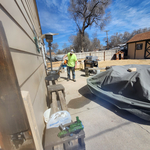
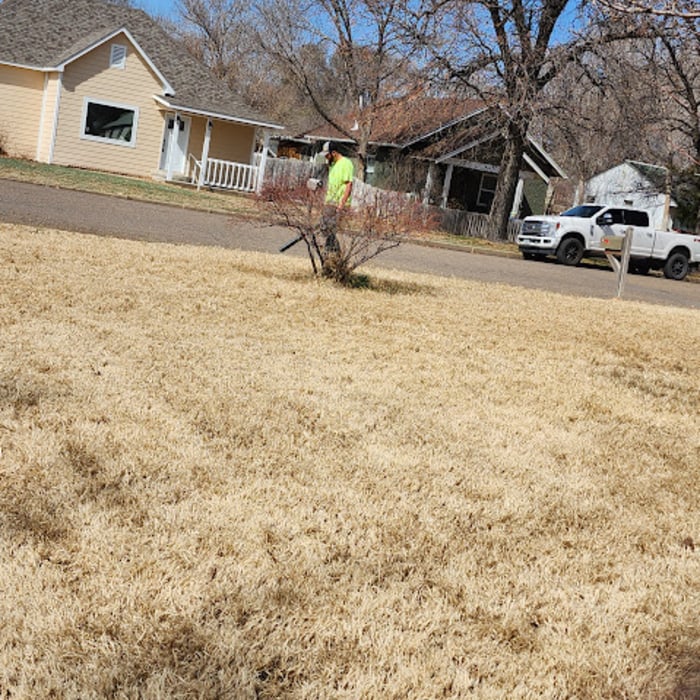
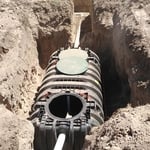
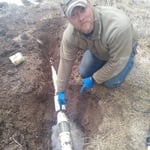
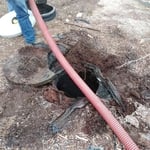
"Fantastic! Snaked and scoped the sewer line and found that there needed to be a clean out installed. Went and got the parts and did it right then, working into the dark hours in the middle of winter. He came out the day that I called him, after all other companies in the area stated "nothing could be done". I would recommend him over and over and over again! He also charged the most fair price as anyone in town and provided higher quality and better services than they were."
When planting, it's best to leave several feet between a house and a juniper bush. Many juniper varieties will become quite bushy and require space to grow. Juniper branches that come into contact with siding can damage the home's exterior over time. Also, some juniper bushes have aggressive roots that can put pressure on a home's foundation or basement walls.
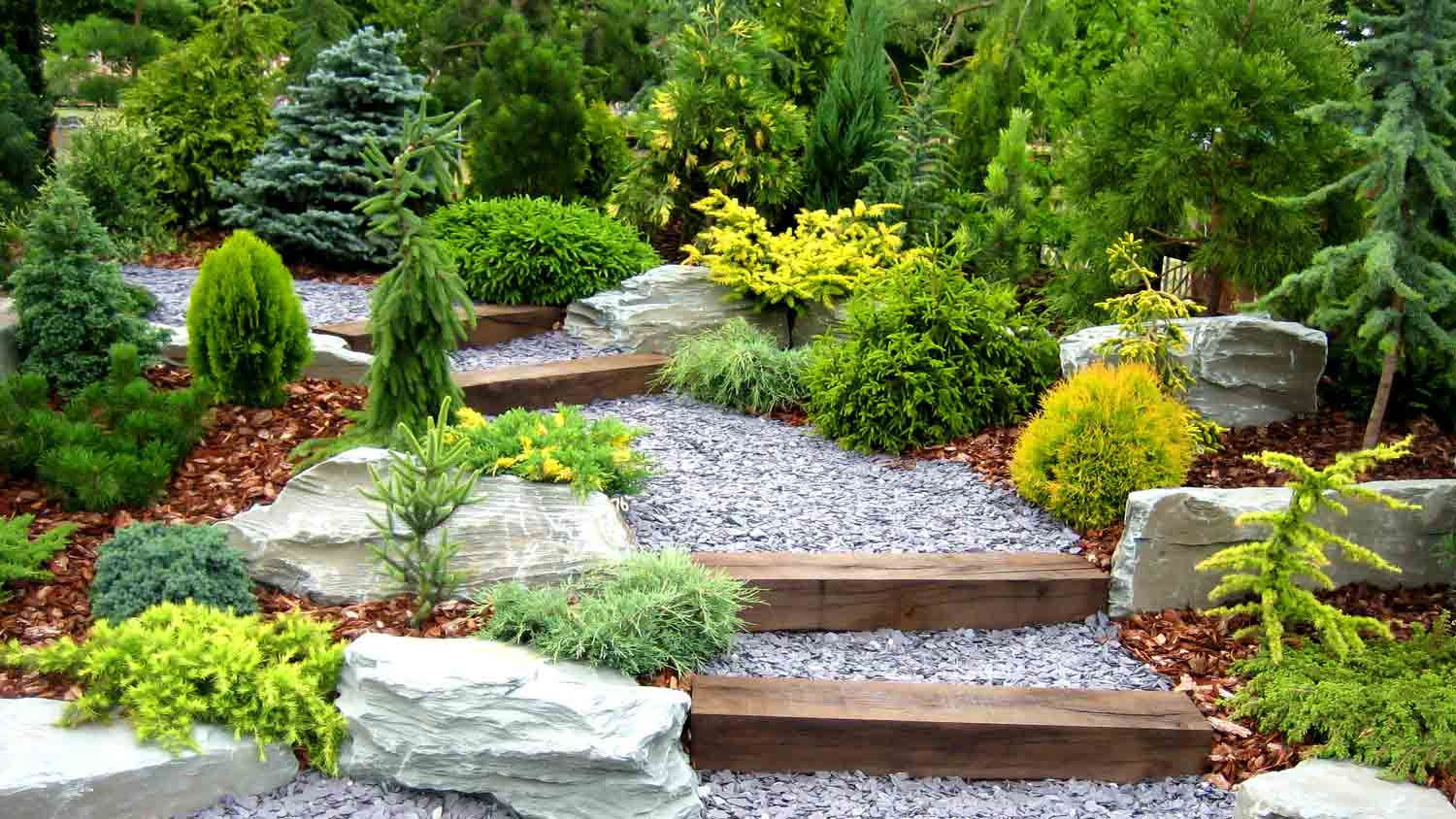
The best type of rock for landscaping depends on your specific project and needs, as different rocks are suited for different applications. For covering large areas or creating an affordable driveway, consider gravel, but note that it can wash away in flowing water. For water features, river rocks are a good option. Flagstone and cobblestone are ideal for aesthetically pleasing patios and walkways. If you are building a stone wall, fieldstone or small boulders are up to the task. Large boulders and landscape rocks work well as statement pieces, to fill empty space, or to indicate boundaries, but be mindful that they can overwhelm smaller gardens. The best approach is to first define your landscaping project and then select the rock type that best fits that purpose.
Unless it only rains once in a blue moon where you live, you’re going to want water-loving plants in your garden bed or pot. A few ideas for plants that aren’t super fast-growing (meaning they’re good in pots or near foundations) and can handle a lot of standing water include:
Acorus (Sweet flag)
Colocasia esculenta (Taro or elephant ear): In many climates, these are annuals, making them less desirable because you need to adjust the chain again after each replant.
Equisetum scirpoides (Dwarf horsetail rush): non-dwarf varieties of horsetail are fast growers and can take over quickly.
Juncus effusus (Curly rush)
Osmunda regalis (Royal fern): Royal fern can grow quickly but can also handle being crowded, making them good container plants.
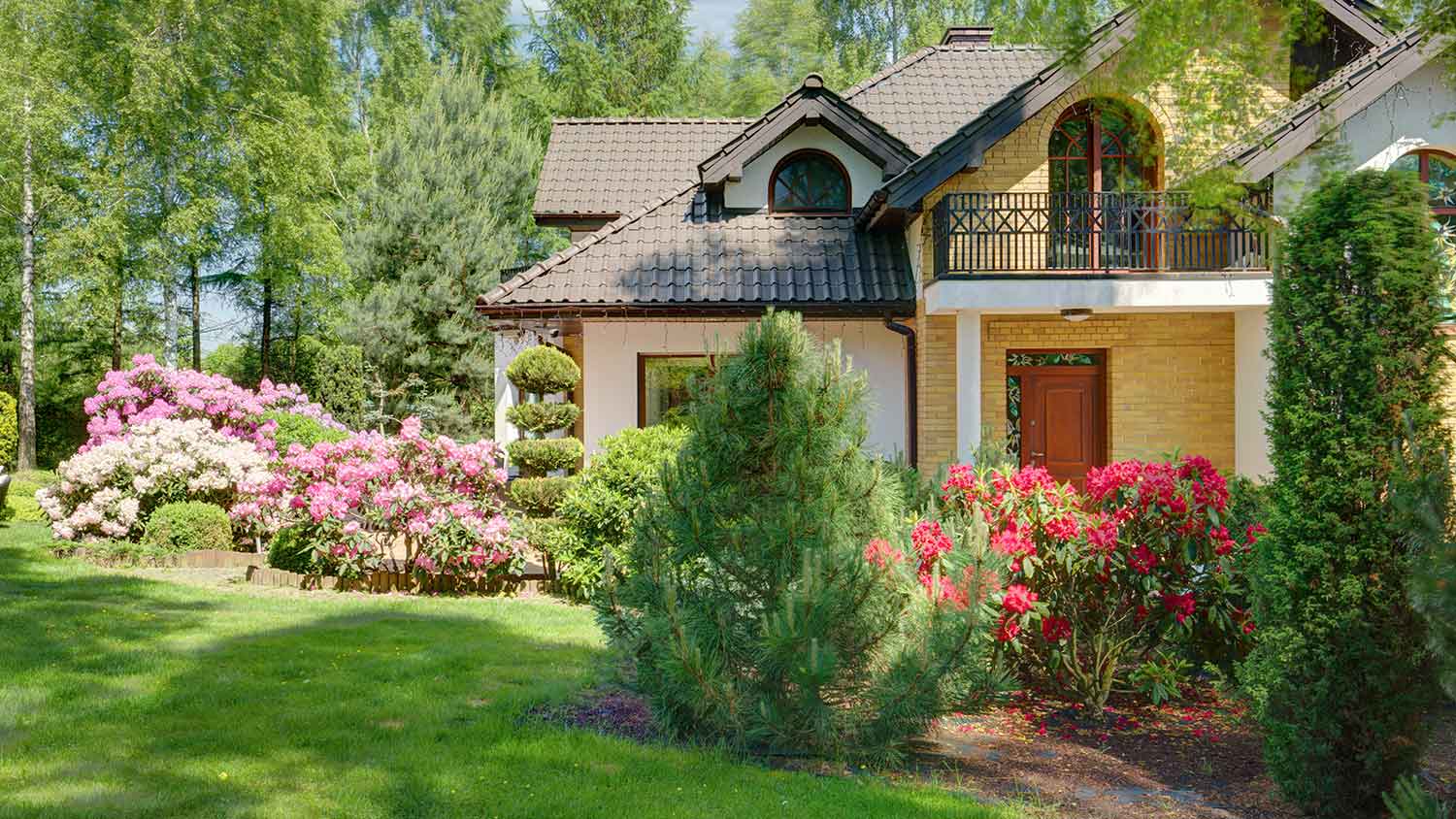
You should plant trees at least 15 to 20 feet away from your house, and more if the tree will grow large and spread its limbs. Trees pose several dangers to houses when planted too close. They can litter the roof with leaves and branches, create fire hazards, make a ladder for larger pests, and even damage the foundation as their roots grow.
You can fill the holes weeds leave behind with soil or sand to avoid unsightly spots or tripping hazards. If you remove weeds from a grassy area, fill the hole with soil and grass seed, and water regularly to promote grass growth.
The Walsh, CO homeowners’ guide to landscaping services
From average costs to expert advice, get all the answers you need to get your job done.
A landscape designer can elevate your outdoor space and bring your vision to life. Use this landscape design cost guide to budget for your next project.
You've heard of landscape designers and landscape architects, but what's the difference? Here's when to hire each pro to bring new life to your landscape.