





Top-rated ceiling fan pros.

Get matched with top ceiling fan pros in Venice, CA

Enter your zip and get matched with up to 5 pros

Need a pro for your ceiling fan service project in Venice, CA?

Select your specific project to find the pro for you.

TRUSTED BY VENICE, CA HOMEOWNERS

  • Average homeowner rating star icon4.6
    Average homeowner rating
  • Verified reviews icon74
    Verified ceiling fan services reviews

Find Ceiling fan pros in Venice

Avatar for Garafano Electric, Inc.
Garafano Electric, Inc.
4.8(
188
)
Ceiling Fan - InstallCeiling Fan - Repair

Serving Venice, CA and surrounding areas

Approved

In business since 1968

Free estimates

Warranties offered

"Oscar arrived on time. Nice and early in the morning and he was able to remove the old fan and replaced it with a new one. He cleaned up afterwards. I will hire him and Garafano electric again in the future."
2 neighbors recently requested a quote

Recommended by98%of homeowners
Avatar for Oragon Electric
Oragon Electric
4.7(
160
)
Ceiling Fan - Install

Serving Venice, CA and surrounding areas

In business since 2000

Free estimates

Emergency services offered

"Raul was prompt, took the proper precautions to ensure there was no mess stemming from the work he performed and did the job promptly! Our exhaust fan was replaced and the new one works great!!!!! Would recommend Oragon Electric to friends and family."
 bathroom lights
 kitchen lights and outlets
 ceiling fan
 recessed light
 meter panel

+2

Recommended by98%of homeowners
...
Showing 1-10 of 157
Ceiling Fans questions, answered by experts

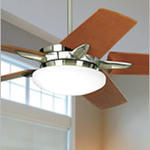
There are many types of ceiling fans, from self-automated smart ceiling fans to outdoor ceiling fans that provide additional comfort to your patio. What you choose all comes down to function and personal taste.

Consider your ceiling height when selecting a ceiling fan. Rooms with ceilings under eight feet high will do well with low-profile ceiling fans, also known as flush-mount or hugger ceiling fans. If your home has cathedral ceilings or ceilings between 10 and 25 feet high, you’ll need a large ceiling fan with a heavy-duty motor to get adequate air circulation.

Stainless steel or aluminum fans are long-lasting and have less air resistance. They are best for outdoor use as their durability helps them withstand unpleasant weather conditions. Their heavy weight requires a stronger motor, which leads to more noise than other blade materials.
Wooden fan blades are a classic, durable option. They are much quieter than metal fans and feature a wide range of styles and finishes to choose from. However, they can be damaged by moisture if not covered with plastic.

Plastic fan blades are lightweight, easy to clean, and versatile. There are various shapes and styles to choose from as plastic is easily molded and dyed. They will also deteriorate slower than other materials as they aren’t as susceptible to humidity and moisture.

Whether you can install a ceiling fan yourself depends on if you're replacing an existing fixture or installing one where no wiring exists. If you are replacing an existing fan, an experienced DIYer may be able to do the job, which can save on labor costs. This work typically doesn’t require a permit, but there’s always a safety risk when dealing with electrical components, so hiring a pro is still a good idea, especially if you aren't handy. Keep in mind you may need a special ladder for high or vaulted ceilings. However, if you are installing a new ceiling fan where there is no current fixture, you must hire a licensed electrician. In most areas, it is required by law that a professional runs new wiring and pulls the necessary permits. Attempting to install wiring yourself can be dangerous and a code violation.

Identifying the source of noises is your first step to soundproofing a room without overspending. Generally, sound comes from inside or outside of the house. Inside noises include creaking floors, living noises like TVs in the living room, cooking sounds, or kids being kids. External noises generally include incremental weather, disturbing neighbors, and street traffic. Inside noises require you to soundproof floors, ceilings, and doors, whereas outside noises may require you to soundproof your attic, windows, and walls facing the streets.

The square footage of your room will dictate the correct ceiling fan blade size. For example: 

  • Rooms smaller than 75 square feet require a fan that is 29 to 36 inches.

  • Rooms up to 175 square feet require 42- to 48-inch fans.

  • Rooms up to 350 square feet require 52- to 56-inch fans.

  • Expansive spaces over 350 square feet need a fan larger than 60 inches.

The Venice, CA homeowners’ guide to ceiling fan services

From average costs to expert advice, get all the answers you need to get your job done.