
Top-rated drywall pros.

Get matched with top drywall pros in Quartz Hill, CA

Enter your zip and get matched with up to 5 pros

Need a pro for your drywall service project in Quartz Hill, CA?

Select your specific project to find the pro for you.

TRUSTED BY QUARTZ HILL, CA HOMEOWNERS

  • Average homeowner rating star icon4.3
    Average homeowner rating
  • Verified reviews icon42
    Verified drywall services reviews

Find Drywall pros in Quartz Hill

Nunez Drywall
5.0(
3
)
Drywall - InstallDrywall - Install - For BusinessDrywall - Repair+1 more

Serving Quartz Hill, CA and surrounding areas

Approved

In business since 2025

Free estimates

Credit card accepted

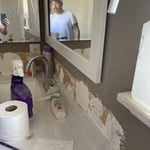
"I recently hired Nunez Drywall to fix a hole in my wall and install some new bathroom appliances, and I couldn't be happier with the results. From the moment I contacted them, they were prompt and professional, providing a detailed quote and timeline for the project."
Additional Photos
Additional Photos
Additional Photos
Additional Photos
Additional Photos

+14

2 neighbors recently requested a quote
Recommended by100%of homeowners
Ca Custom Walls Construction
4.9(
7
)
Drywall - InstallDrywall - Install - For BusinessDrywall - Repair+1 more

Serving Quartz Hill, CA and surrounding areas

In business since 2001

Free estimates

Emergency services offered

"From the initial contact to the first piece of insulation, to the first piece of drywall, and the last brush stroke of paint to completion I could not have been more pleases with the professionalism and exceptional attitude of Juan and his crew. All arrived on time and were polite and thoughtful to there responsibility and respectful of our home and surroundings. This could not have been more successful and the result was exceptional. I would hire them again and again. Don't think twice about hiring this company. BEST!"
Recommended by100%of homeowners
...
Showing 1-10 of 158
Drywall questions, answered by experts

Plaster is denser, harder, and more porous than drywall, so it absorbs moisture differently. This means you’ll often need more prep work, such as thorough sanding, patching, and priming with a high-quality bonding primer. Additionally, you may need more coats of paint to achieve even coverage. While the process takes more time, it helps ensure a durable and professional-looking result.

Although they have similar applications, spackle and joint compound are not the same. Their primary differences lie in their composition, consistency, and ideal use cases.

Spackle is composed of gypsum and binding agents, making it thicker than joint compound. It dries quickly and is easy to sand, which makes it ideal for small wall repair projects like filling nail holes or patching minor damage.

Joint compound, also known as drywall mud, consists of limestone and gypsum. It is primarily used for large-scale projects, such as taping and finishing the seams on newly installed drywall. It tends to shrink more than spackle and can be more difficult to spread.

While both products can be used to fill small depressions and cracks, spackle cannot replace joint compound for taping and mudding new drywall. Conversely, you can often use joint compound for small patching jobs typically done with spackle.

Popular wall textures include orange peel, knockdown, spray sand, and smooth finishes. Orange peel and knockdown are particularly common choices for drywall as they are simple and cost-effective. Orange peel texture has a lightly bumpy surface resembling the skin of an orange, while knockdown (sometimes called knockout) looks like a stucco finish with flattened high spots. In contrast, popcorn texture has fallen out of fashion, partly due to its past association with asbestos and a shift toward more restrained interior design styles.

There shouldn’t be any gaps between your walls and ceiling. These can be fixed with joint compound but that is only a fix, and it’s much better if your drywall fits correctly in the first place. Sometimes gaps can appear if your foundation shifts significantly but if this is the case, you have a much bigger problem than patching drywall.

Whether it’s better to screw or glue drywall depends on your specific budget and project timeline. Professional drywall installers are more likely to use screws and fasteners than adhesives, but it takes longer. But if you are DIYing your drywall installation, glue is a perfectly fine choice if you’re willing to pay extra for adhesive.

The Quartz Hill, CA homeowners’ guide to drywall services

From average costs to expert advice, get all the answers you need to get your job done.