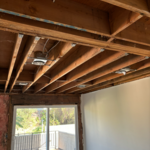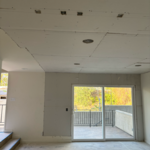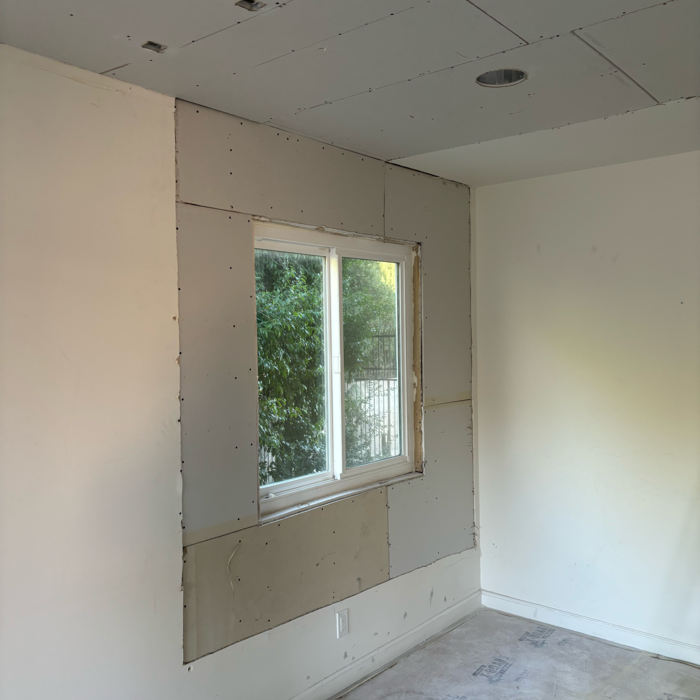





Top-rated drywall pros.

Get matched with top drywall pros in Lancaster, CA

Enter your zip and get matched with up to 5 pros

Need a pro for your drywall service project in Lancaster, CA?

Select your specific project to find the pro for you.

TRUSTED BY LANCASTER, CA HOMEOWNERS

  • Average homeowner rating star icon4.5
    Average homeowner rating
  • Verified reviews icon84
    Verified drywall services reviews

Find Drywall pros in Lancaster

Nunez Drywall
5.0(
3
)
Drywall - InstallDrywall - Install - For BusinessDrywall - Repair+1 more

Serving Lancaster, CA and surrounding areas

In business since 2025

Free estimates

Credit card accepted

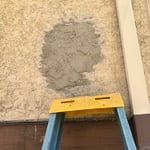
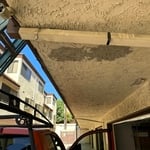
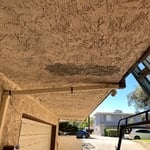
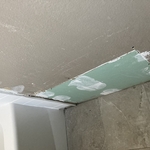
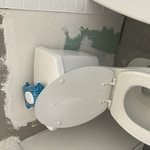
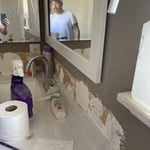
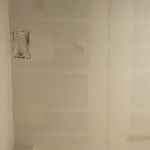
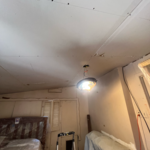
"I recently hired Nunez Drywall to fix a hole in my wall and install some new bathroom appliances, and I couldn't be happier with the results. From the moment I contacted them, they were prompt and professional, providing a detailed quote and timeline for the project."
Additional Photos
Additional Photos
Additional Photos
Additional Photos
Additional Photos

+14

Recommended by100%of homeowners
Ca Custom Walls Construction
4.9(
7
)
Drywall - InstallDrywall - Install - For BusinessDrywall - Repair+1 more

Serving Lancaster, CA and surrounding areas

In business since 2001

Free estimates

Emergency services offered

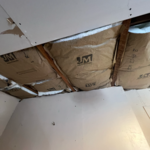
"From the initial contact to the first piece of insulation, to the first piece of drywall, and the last brush stroke of paint to completion I could not have been more pleases with the professionalism and exceptional attitude of Juan and his crew. All arrived on time and were polite and thoughtful to there responsibility and respectful of our home and surroundings. This could not have been more successful and the result was exceptional. I would hire them again and again. Don't think twice about hiring this company. BEST!"
Recommended by100%of homeowners
...
Showing 1-10 of 169
Drywall questions, answered by experts

While a normal moisture level for drywall is between 5% and 12%, replacement is recommended if you get consistent readings above 17%. At this level, the drywall is likely too compromised by extensive moisture damage to be considered safe. You can replace either the entire sheet or just the affected section. If you are unsure after a visual inspection, it is best to have a contractor or water restoration provider use a professional moisture meter to get an accurate reading.

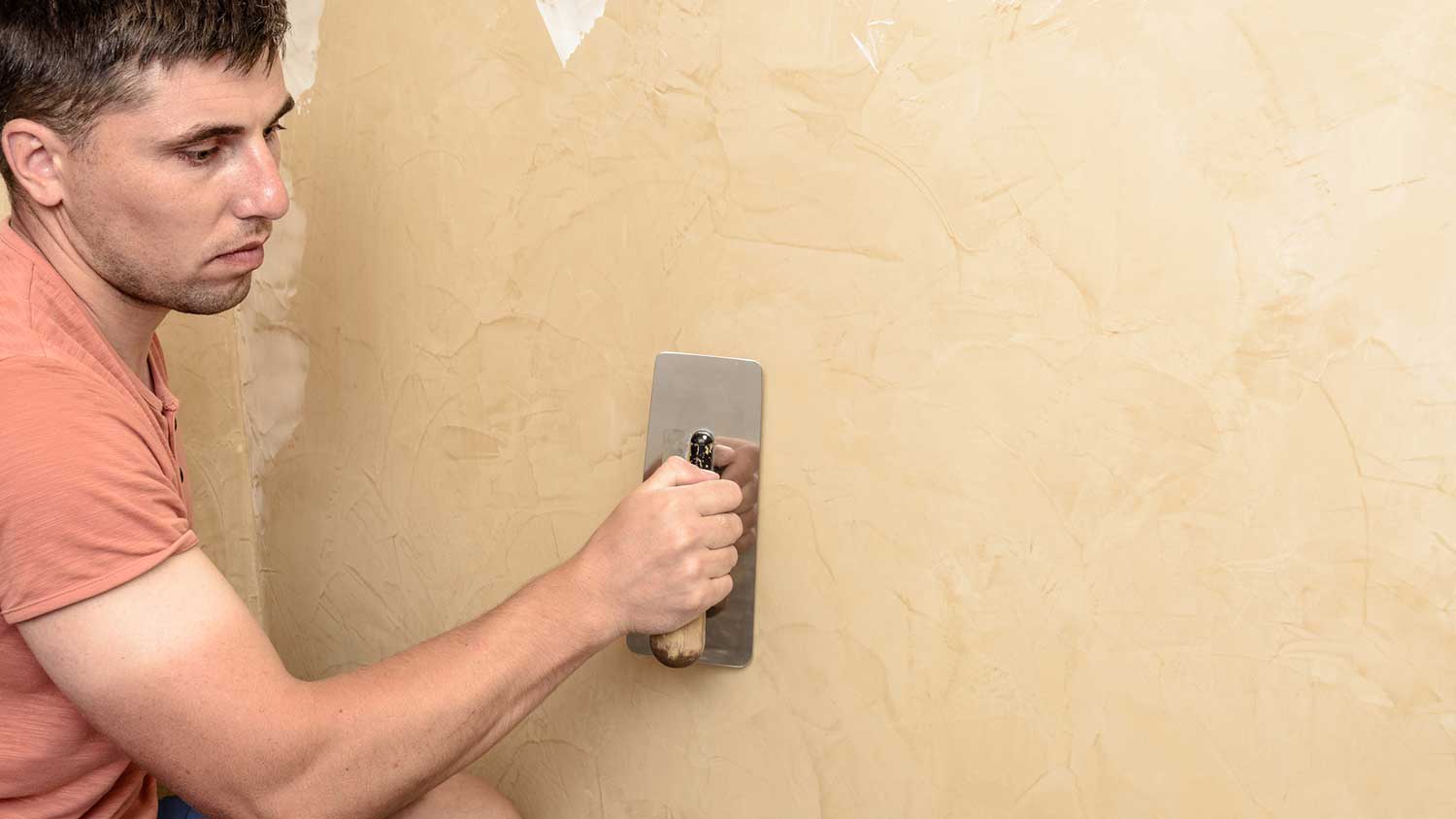
Plastering and skimming are two different techniques for finishing walls. Plastering involves applying a thick layer of a plaster mixture—typically containing gypsum, lime, cement, sand, and water—to create a new surface. This process often requires multiple coats and is used for repairing significant damage or creating decorative textures. Skimming, on the other hand, is a technique that involves applying a thin layer of drywall compound or joint compound over an existing surface to smooth it out, covering minor imperfections, small cracks, or uneven textures for a polished look. Plastering is generally more costly and labor-intensive than skimming. Although some people use the terms interchangeably, they refer to different processes and materials.

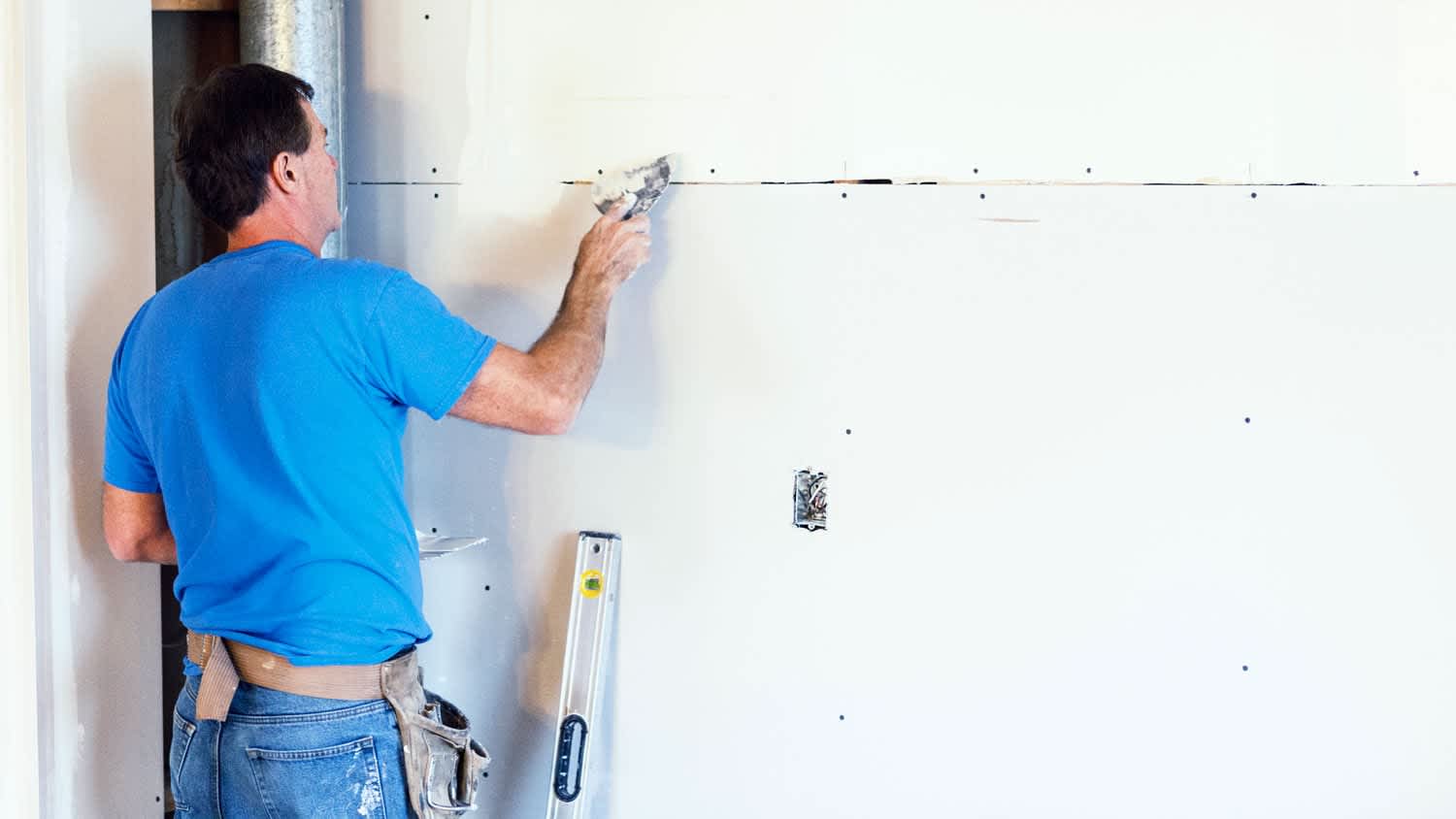
There shouldn’t be any gaps between your walls and ceiling. These can be fixed with joint compound but that is only a fix, and it’s much better if your drywall fits correctly in the first place. Sometimes gaps can appear if your foundation shifts significantly but if this is the case, you have a much bigger problem than patching drywall.

You should stagger drywall sheets to help prevent cracking. The joints between drywall sheets are the weak spots, so if you install drywall with seams aligned, you’ll create weak lines that run across the length of the wall and extend from floor to ceiling. But when you stagger drywall, the solid sections of panels will support the joints. This can prevent seams from cracking or separating due to fluctuating temperature and humidity, vibrations from movement inside the home, and gravity.

When you are learning how to tape and mud drywall, waiting for things to dry requires a lot of patience. So how long does drywall mud take to dry? On average, it takes about 24 hours. However, it depends on things like the thickness of the mud, as well as the room’s temperature, humidity, and ventilation. Using thin layers of mud in a warm, low-humidity room with good airflow reduces average drying time. You also could speed up drying time by making use of hot drywall mud, which consists of a powder that you mix with water, instead of using pre-mixed mud. 

The Lancaster, CA homeowners’ guide to drywall services

From average costs to expert advice, get all the answers you need to get your job done.