






Get matched with top structural engineers in Prunedale, CA
Top-rated structural engineers.

Need a pro for your structural engineering project in Prunedale, CA?

Select your specific project to find the pro for you.

Find Structural engineers in Prunedale

Avatar for Evolution Drafting
Evolution Drafting
3.4(
96
)

Serving Prunedale, CA and surrounding areas

Approved

In business since 2018

Free estimates

Emergency services offered

"I hired them to create plans for an apartment building. The process was quick and painless. Cost was good. The plans are full complete abd ready to take to builders for quotes. I will definitly use them again."
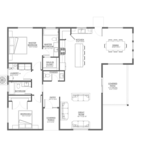
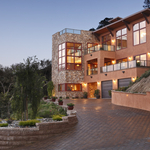
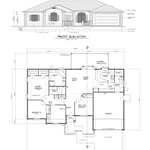
Zeal Floor Plan
Charcoal
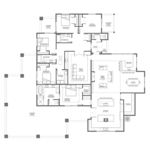
Palm Floor Plan
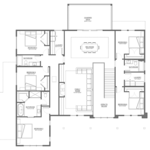
Charcoal Floor 2
Charcoal Floor 1

+23

Response time1 day
Response rate100%
56 neighbors recently requested a quote
Avatar for APEX Drafting LLC
APEX Drafting LLC
5.0(
5
)

Serving Prunedale, CA and surrounding areas

Approved

In business since 2020

Free estimates

Credit card accepted

We have a single mission: Complete Customer Satisfaction! We have consistently focused on the needs of our customers, providing personalized attention and a stress-free experience.\nYou will find us to be competitively priced with close attention to the details.\nOur reputation is based on service, safety, and quality, regardless of how large or small the job.\nWe look forward to building a lasting relationship and guarantee your satisfaction!\n

Plan set 1
95 neighbors recently requested a quote
Eckhaus Designs
5.0(
2
)

Serving Prunedale, CA and surrounding areas

Approved

In business since 1993

Free estimates

Customers say: Quick response

With years of experience serving the area, we are your solution for all your Home Design needs. We take great pride in our extreme professionalism, timeliness and superior customer service on every job. We make sure to develop a lasting relationship so that the next time service is needed there will be no question on who to call.

Response time2 hrs
Recommended by100%of homeowners
Avatar for Paul Byrne Architect LEED AP
Paul Byrne Architect LEED AP
4.8(
2
)

Serving Prunedale, CA and surrounding areas

Approved

In business since 2001

Free estimates

Offers commercial services

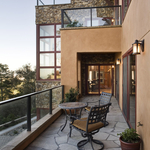
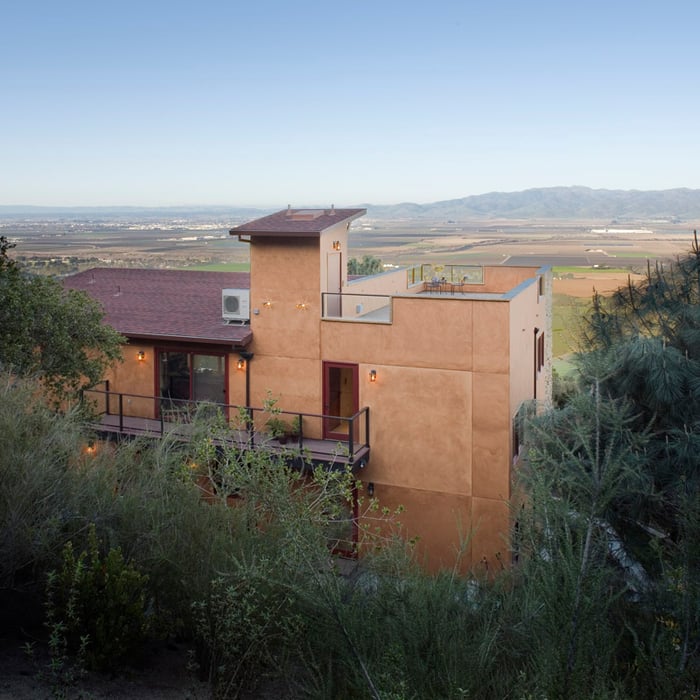
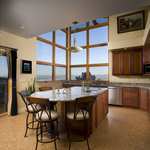
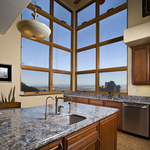
"Paul has an amazing talent for getting plans through the county which is invaluable here on the peninsula. He is easy to talk to and will receptive to his. Clients needs. He will listen to what you want and then transform it into buildable plans. He is organized with an eye for detail and very innovative."
Overall View
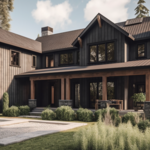
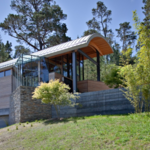
View of the View
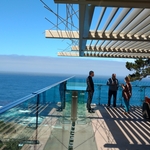
View from the lower entry
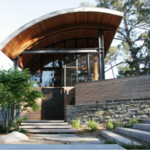
Upper Entrance
Long View

+4

Response time7 hrs
Recommended by100%of homeowners
Showing 1-10 of 40
Structural Engineering questions, answered by experts

Generally, you can tell if a home is bolted to the foundation by checking the foundation for plates. If you see that your foundational plates connect to wood or bolts protruding from them, this means that you have a bolted foundation. However, it's always wise to bring a home inspector in to confirm if your foundation is secure.

Cathedral ceilings make a statement in your home, but at the cost of your attic space. Normal attics are wide open, which allows warm air to move around and exit your home. Because of this, cathedral ceilings make your home less energy efficient and put your ceiling at risk of venting issues if you’re not careful. They also reduce your attic storage space, potentially cause an echo, and even make it harder to change a light bulb.

Failure to compact the soil during construction is the most common cause of leaning retaining walls. In addition, poor drainage can lead to excessive water pressure behind a retaining wall, pushing against it until it begins to move forward away from the soil it is holding back.

Yes, an LVL beam is more affordable than the cost of a steel I-beam, totaling between $50 and $200 per linear foot as opposed to the $100 to $400 per linear foot you’d pay for a steel I-beam. Not only is the wood material more affordable than steel, but it’s also more similar to traditional wooden beams and doesn’t require as much retrofitting to connect joists.

A freestanding brick wall that's only one brick thick can usually stand six to eight feet high. If you need a higher wall, it should be at least two bricks thick for adequate stability, and it might require a footing to support the added weight. Additionally, some areas have regulations and codes dictating how high a brick wall can be, so check with local code enforcers to ensure your proposed wall complies with any regulations.
The Prunedale, CA homeowners’ guide to structural engineering services

From average costs to expert advice, get all the answers you need to get your job done.