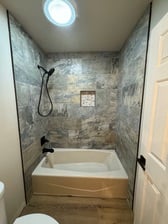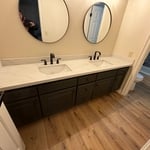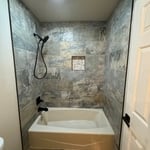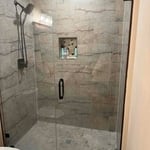




Top-rated plumbers.

Get matched with top plumbers in Littlerock, CA

Enter your zip and get matched with up to 5 pros

Need a pro for your plumbing project in Littlerock, CA?

Select your specific project to find the pro for you.

TRUSTED BY LITTLEROCK, CA HOMEOWNERS

  • Average homeowner rating star icon4.5
    Average homeowner rating
  • Verified reviews icon353
    Verified plumbing services reviews

Find Plumbers in Littlerock

Avatar for VeriTech Plumbing
VeriTech Plumbing
5.0(
5
)
Bathtub Install or Replace - For BusinessDrain Clog or Blockage - Clear - For BusinessDrain Line Breakage - Camera Locate - For Business+11 more

Serving Littlerock, CA and surrounding areas

Approved

In business since 2020

Free estimates

Emergency services offered

Top Rated Commercial Plumbing Services in Orange County, CA are essential for keeping businesses running smoothly, and our team delivers unmatched reliability and precision. At VeriTech Plumbing, we provide advanced diagnostics, efficient repairs, and long-lasting solutions tailored to commercial properties of all sizes, ensuring performance, safety, and consistent operational flow.\n

Project Photos
Project Photos
Project Photos
Project Photos
Project Photos

+2

AGL Plumbing & Construction, Inc.
5.0(
3
)
Plumbing for a Remodel or Addition - Install

Serving Littlerock, CA and surrounding areas

Approved

In business since 2017

Free estimates

Credit card accepted

"After getting different quotations from different construction companies, even Home depot, AGL gives us reasonable pricing options. They did such a good job on remodeling two of my bathrooms we had a special request canceling a door and opening another, and the outcome was amazing. We went from having one bathroom and a half to two full bathrooms. After seeing the amazing job that they did with the bathroom we decided to also remodeling our kitchen with them it was the best decision."
Response time8 hrs
Recommended by66%of homeowners
...
Showing 1-10 of 243
Plumbing questions, answered by experts

In the best-case scenario, the pipe size is written on the side of the pipe. You’ll often find this with different types of plastic piping like PVC, PEX, or CPVC. For other types of pipes, you’ll have to measure. You can measure the outside circumference with a soft tape measure, then divide your measurement by pi. From there, you’ll have to use a conversion chart to get the nominal pipe size (the size you’d buy in the store).

A broken flange could lead to serious issues. When a flange breaks, the toilet is no longer secured to the subfloor, which leads to constant rocking when in use. Over time, this breaks the wax seal between the toilet and flange and causes leaking throughout the substrate, bathroom floor, and ceilings below the bathroom.

When outside temperatures drop below 32 degrees Fahrenheit, your pipes are at risk of freezing. To prevent this, set your thermostat to no lower than 55 degrees. For added safety, especially when you are away from home, maintaining a temperature between 55 and 60 degrees will provide enough warmth to keep pipes from freezing and help you avoid expensive water damage from burst pipes.

Whether an earthquake gas shut-off valve is required depends on your location and circumstances. Certain cities, states, and even insurance providers mandate them, especially in areas with high seismic activity. In California, for example, while laws vary by county, most jurisdictions require a valve to be installed in newly constructed homes or when a home is sold or renovated. The Los Angeles Municipal Code specifically requires a licensed contractor for installation. Even if not required by law, installing a seismic shut-off valve is a wise safety measure. These devices automatically cut off the flow of gas during an earthquake, which can prevent gas leaks, fires, and explosions. It is recommended to check with your local building department for specific laws regarding installation, permitting, and inspections, and to ensure the valve you install is on your city's list of approved models.

Homeowners insurance often covers water leaks and resulting damage, but coverage depends on the cause. Leaks from sudden and accidental events, like a burst pipe or storm damage to a roof, are typically covered. However, if the leak is due to a lack of maintenance, homeowner negligence, or general wear and tear (such as an old roof failing), the claim will likely be denied. Some causes, like flooding or leaks from faulty appliances, may be excluded from standard policies. After taking steps to stop the leak, contact your insurance company immediately and review your specific plan to understand your coverage.

The Littlerock, CA homeowners’ guide to plumbing services

From average costs to expert advice, get all the answers you need to get your job done.