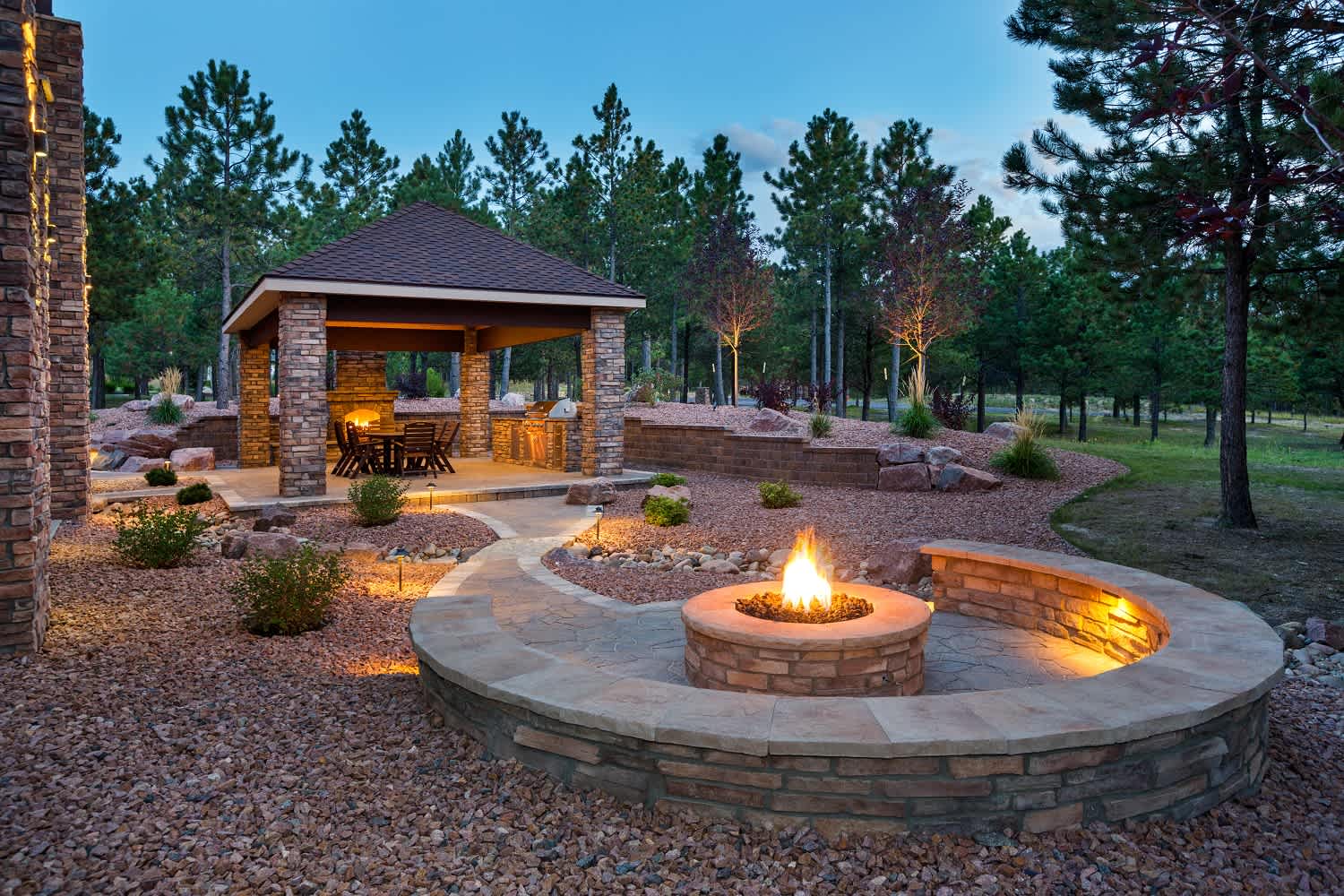




Top-rated fire pit installation pros.

Get matched with top fire pit installation pros in El Cajon, CA

Enter your zip and get matched with up to 5 pros

Need a pro for your fire pit installation project in El Cajon, CA?

Select your specific project to find the pro for you.

TRUSTED BY EL CAJON, CA HOMEOWNERS

  • Average homeowner rating star icon4.4
    Average homeowner rating
  • Verified reviews icon597
    Verified fire pit installation services reviews

Find Fire pit installation pros in El Cajon

No results for Fire pit installation pro in

Try adjusting your search criteria.
Fire Pit Installation questions, answered by experts

You can relight a pilot light by yourself, but it’s not always the safest choice to do so. While the job is straightforward, a small mistake could end in a gas leak, fire, or explosion. That’s why we recommend everyone hire a pro for this job. Local furnace pros have lit dozens if not hundreds of pilot lights, and they’re well-versed and highly experienced in the proper safety protocols to keep you, your family, and your home safe while doing so.

Yes. It’s okay to leave a pellet stove on overnight, and these stoves can provide 24 to 48 hours of warmth from one ignition. However, you should practice proper pellet stove maintenance, like cleaning the burn pot before each use, deep cleaning the unit at least once per year, and running the fan when the stove is lit.

A home fire sprinkler system reduces heat, flames, and smoke within seconds. Fire sprinkler systems hide in walls with sprinkler heads running along the piping throughout your home.

When the air surrounding a sprinkler reaches a specific temperature, the heads closest to the fire activate and release anywhere from 10 to 25 gallons of water per minute.

No, but they both serve distinct life-saving purposes. Smoke detectors primarily sense the presence of smoke, typically caused by a fire, and emit loud alarms to alert occupants to evacuate. In contrast, carbon monoxide detectors monitor the levels of carbon monoxide gas, an odorless and colorless but deadly substance produced by incomplete combustion of fuels. When CO levels become dangerous, CO detectors sound alarms to warn inhabitants of potential poisoning risks. 

Yes. Not only do gas stoves present the risk of a gas leak, but cooking with gas produces twice as much harmful particulate matter. According to Columbia University’s Climate School, gas stoves can also release formaldehyde, a known human carcinogen, and carbon monoxide, which can be toxic in high concentrations.

The El Cajon, CA homeowners’ guide to fire pit installation services

From average costs to expert advice, get all the answers you need to get your job done.