"Our technician, Dameyan Jackson, called the night before the day of service to let me know the time that he would be here to service our system. On Friday, he called to let me know that he was available to come earlier than scheduled, if I would like. He arrived shortly after the phone call, came in and quickly recognized that the pump had failed. He was very knowledgeable and professional. I was very pleased with his service and look forward to him returning to install a new pump."
"Called AHS....who sent service request to AAA Flexible Pipe. Adam came out quickly and installed new pump just before HEAVY rains hit...Fast and efficient service from AHS and AAA FLEXIBLE PIPE CLEANING."
2012 Maricopa Business of the Year. Arizona's premier home inspection company. Thermal imaging certified, no extra charges for pools. Statewide service. We schedule termite Inspections as part of our Inspections. A Rated BBB. 6 month warranty included with every inspection. 7 day per week service. \nwww.arizonainspections.com\nOffice 520-208-2590
Sump Pump Installation questions, answered by experts
Costs range from $300 to $1,200, depending on the pump type, issue, and installation complexity.
Thankfully, you do have a few sump pump backup options in case it fails. One option is a battery-powered backup sump pump. Another option is using a portable backup generator as a power supply for your sump pump. Unlike a battery-powered backup which has limited power, a generator can run around the clock for as long as you need it.
Or you can opt for a water-powered backup pump, which uses your home’s water supply as a source of power. However, this may not be the best option if you find your house frequently has low water pressure.
Some sump pumps are powered by water rather than electricity. Water-powered sump pumps generally use one gallon of city water to pump out two gallons of water from its basin. Therefore, if you're looking at a potential 10,000-gallon flood, your sump pump will need to use 5,000 gallons of city water to prevent it.
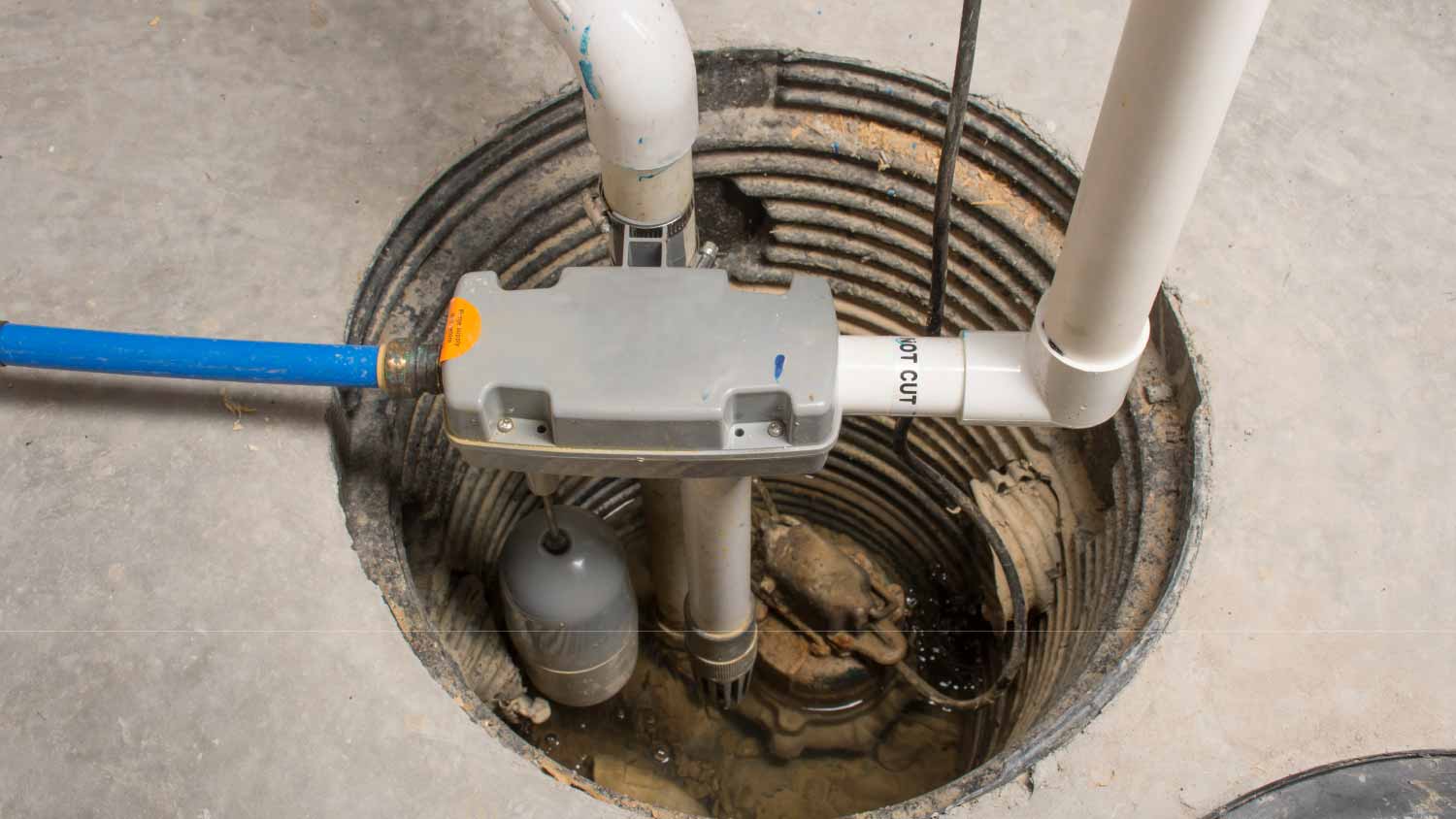
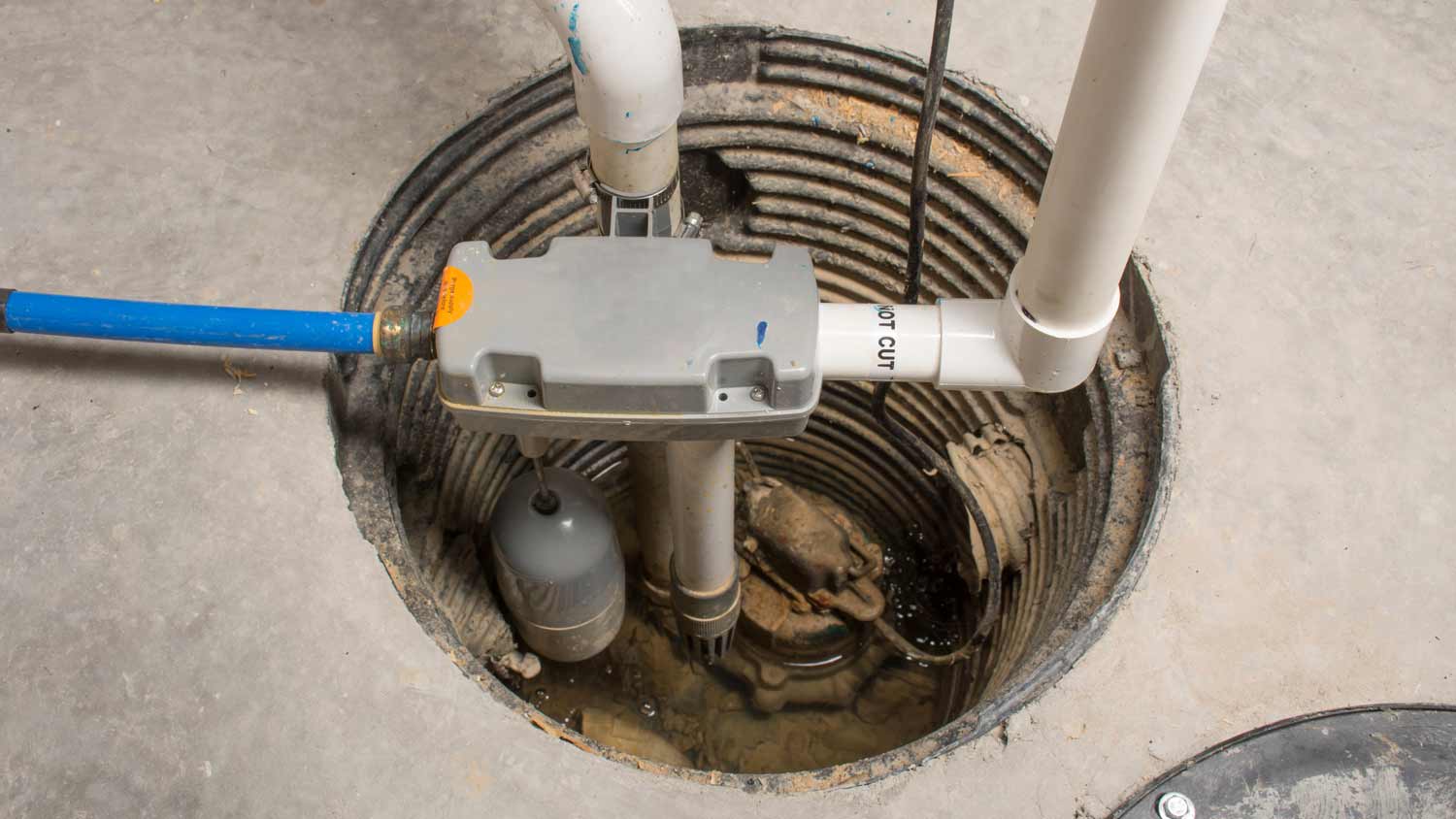
A sump pump should be placed at least three feet deep in a pit. The rim of the sump pump basin should be level with your basement floor. If you find your pit is too deep, you can fill the bottom with gravel until the rim of the sump pump is flush with the floor.
A small sump pump running infrequently uses an average of 10 kilowatt-hours (kWh) of electricity per month. The average cost for electricity is $0.171 per kWh. The size and use frequency affect how much electricity it uses. Sump pumps average one-third to one horsepower (hp) motors. One hp is equal to 745.7 watts. Watts multiplied by the time your pump is running divided by 1,000 equals your average kWh. Multiply kWh by your average cost of electricity. In areas with high rain or a marsh basin, the average cost can be as high as $15-$25 a month.
The Tsaile, AZ homeowners’ guide to sump pump installation services
From average costs to expert advice, get all the answers you need to get your job done.
Sump pump replacement costs depend on the type of unit you have and the cost of labor, which varies by region. Read on to find out more about what to expect.
Sump pump battery backup costs depend on the type and the design of the system purchased. Follow this guide to learn how to budget for your backup battery.
Sump pump discharge lines come in a couple of diameters and a range of lengths. Here’s how to determine the right sump pump pipe size for your installation.