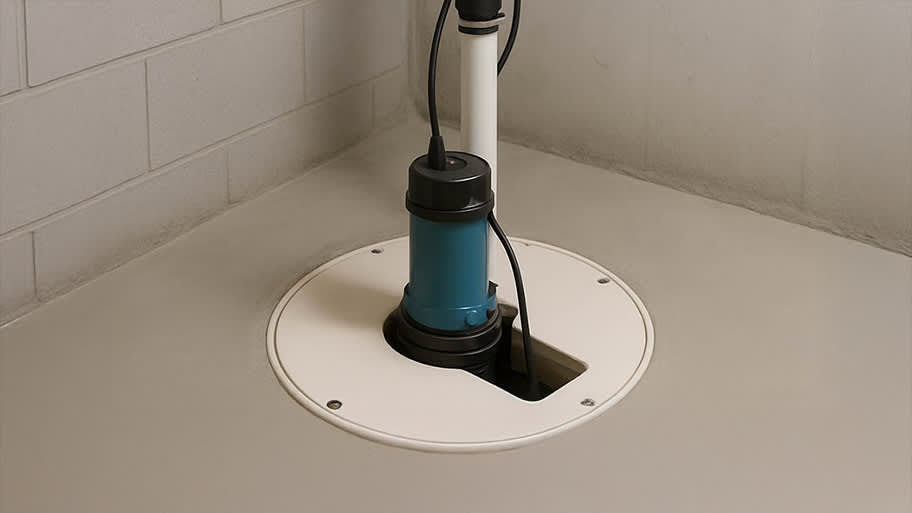
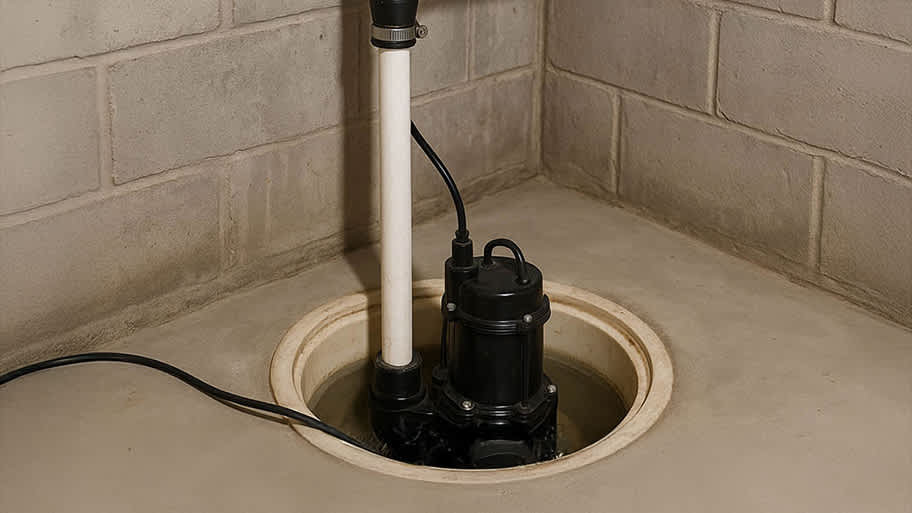
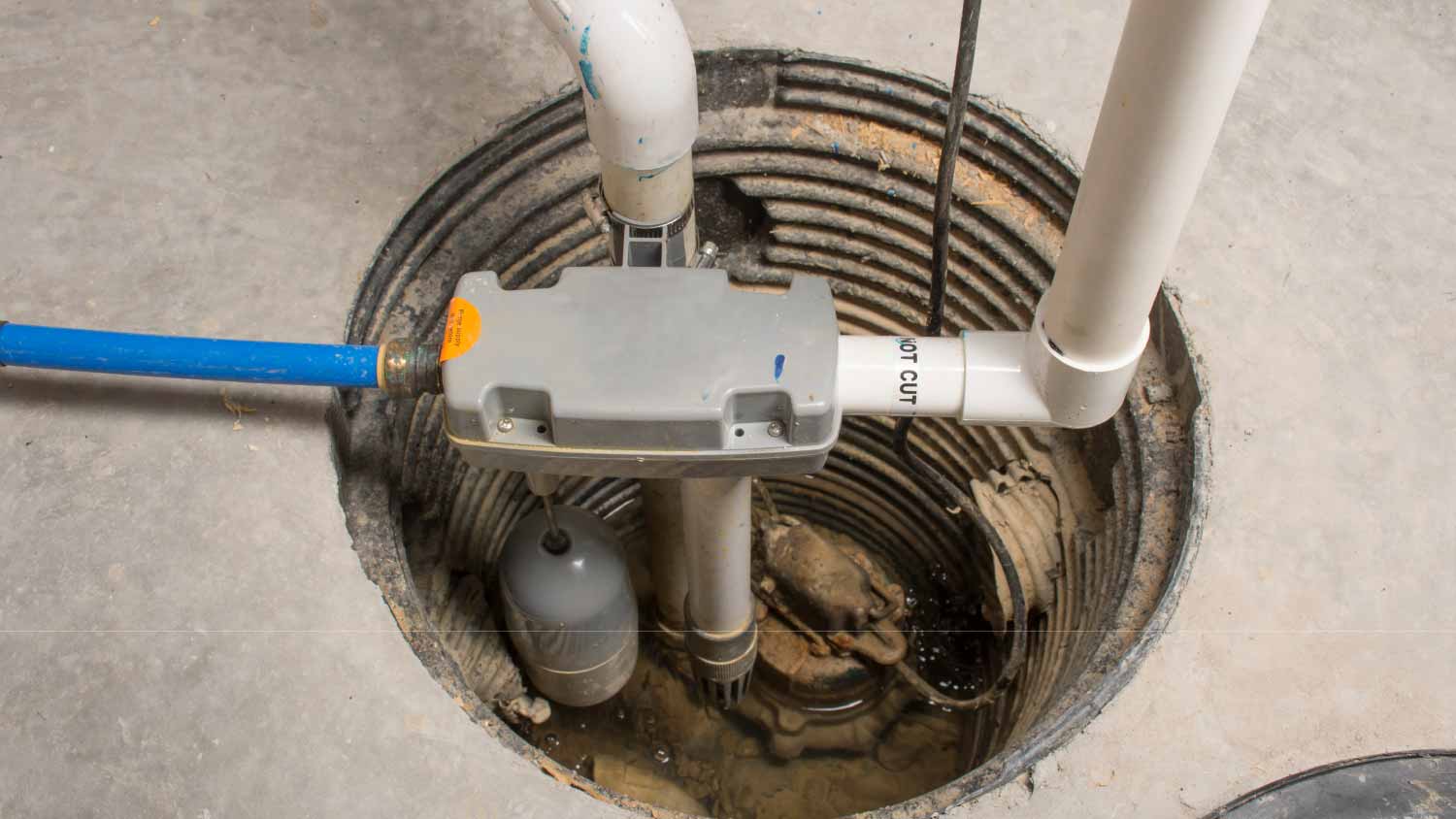
"Our technician, Dameyan Jackson, called the night before the day of service to let me know the time that he would be here to service our system. On Friday, he called to let me know that he was available to come earlier than scheduled, if I would like. He arrived shortly after the phone call, came in and quickly recognized that the pump had failed. He was very knowledgeable and professional. I was very pleased with his service and look forward to him returning to install a new pump."
"Called AHS....who sent service request to AAA Flexible Pipe. Adam came out quickly and installed new pump just before HEAVY rains hit...Fast and efficient service from AHS and AAA FLEXIBLE PIPE CLEANING."
2012 Maricopa Business of the Year. Arizona's premier home inspection company. Thermal imaging certified, no extra charges for pools. Statewide service. We schedule termite Inspections as part of our Inspections. A Rated BBB. 6 month warranty included with every inspection. 7 day per week service. \nwww.arizonainspections.com\nOffice 520-208-2590
When a backflow valve fails, wastewater will flow back into your system, contaminating your drinking water. You’ll immediately notice backflow valve failure from a rotten smell and brown water coming from faucets. Get in contact with a septic pro or a plumber immediately if you suspect this has happened to you.
A sewage ejector pump is necessary if you have any plumbing fixtures, such as a bathroom, laundry room, or sink, located below the level of your home's main sewer line. Standard plumbing relies on gravity to move wastewater and solid waste to the municipal sewer or septic tank. However, for fixtures located below grade (e.g., in a basement), gravity is not sufficient.
The purpose of a sewage ejector pump is to actively pump this wastewater and solid waste upward into the main sewer line. Without an ejector pump in this situation, wastewater would have no way to exit and would eventually back up, causing a sewage overflow or flooding in your basement. If all of your home's plumbing is on the main floor or higher, gravity can handle the drainage, and an ejector pump is not needed.
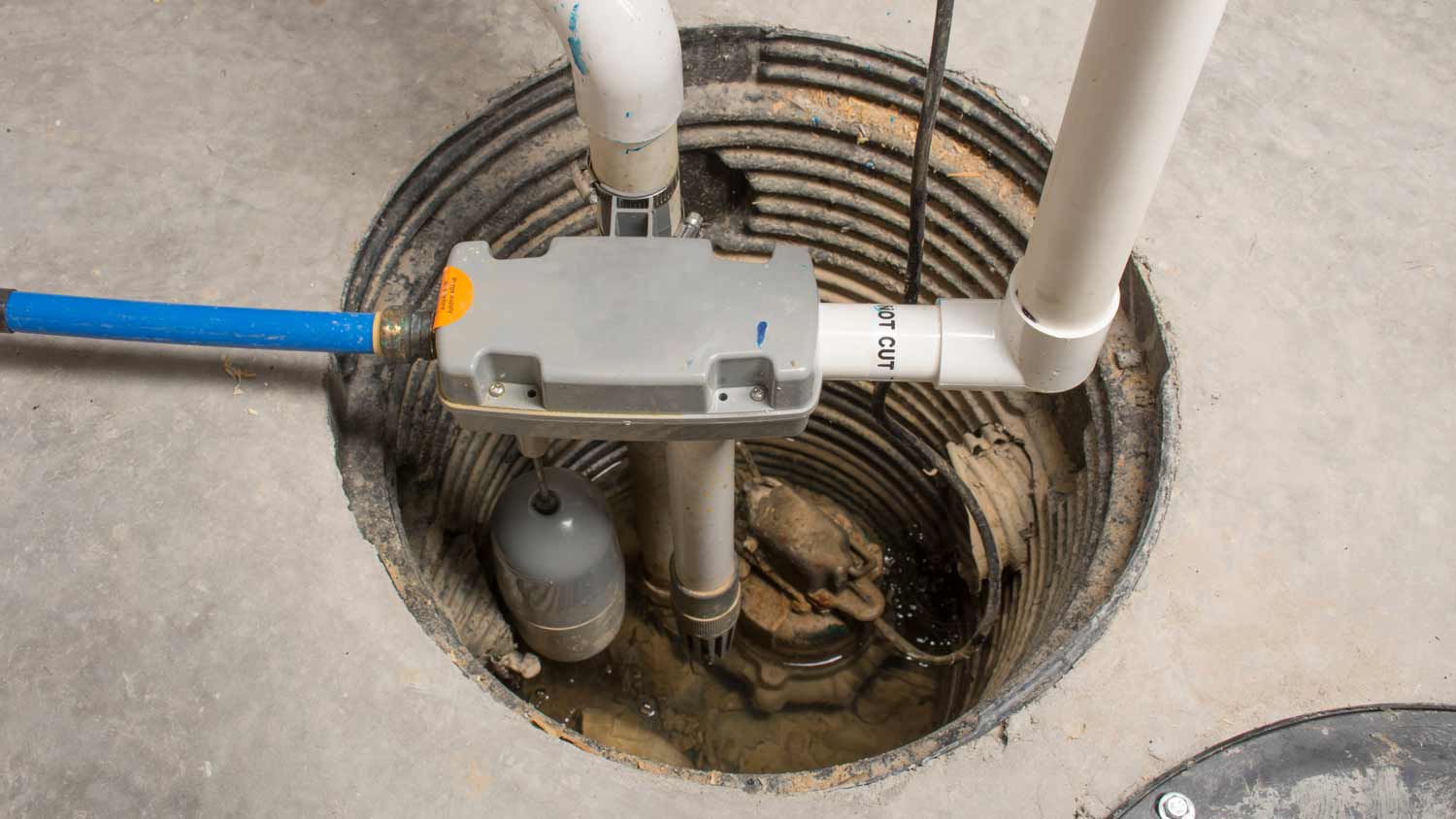
Installing a battery backup for your sump pump is recommended, particularly if you live in an area with frequent power outages or severe rainstorms. A sump pump requires electricity to function, and a battery backup ensures it can continue to move water out of your home if the power goes out, providing crucial protection against flooding. Additionally, frequent power outages can create electrical surges that might damage the sump pump's motor. A battery backup system offers an additional layer of protection, ensuring your basement stays dry.
The most common cause of a clogged sump pump is natural debris buildup. As water enters the sump pit, it can carry small pieces of debris that build up over time, or the debris can get caught in the filter. If you forget to cover the pit after cleaning the sump pump and pit, debris can also collect in the pit. Corrosion on the metal discharge pipe can also clog the pump. Additionally, if your pipes freeze, it can prevent water from draining properly and cause a clog.
Every three to four months, you should clean any dirt and debris off of your sump pump. You should also check the inlet screen (at the bottom of the pump) to make sure that it isn’t blocked. On top of that, you should deep clean your sump pump once per year—or hire a sump pump pro to do it for you.
The Round Rock, AZ homeowners’ guide to sump pump installation services
From average costs to expert advice, get all the answers you need to get your job done.
Sump pump replacement costs depend on the type of unit you have and the cost of labor, which varies by region. Read on to find out more about what to expect.
Sump pump battery backup costs depend on the type and the design of the system purchased. Follow this guide to learn how to budget for your backup battery.