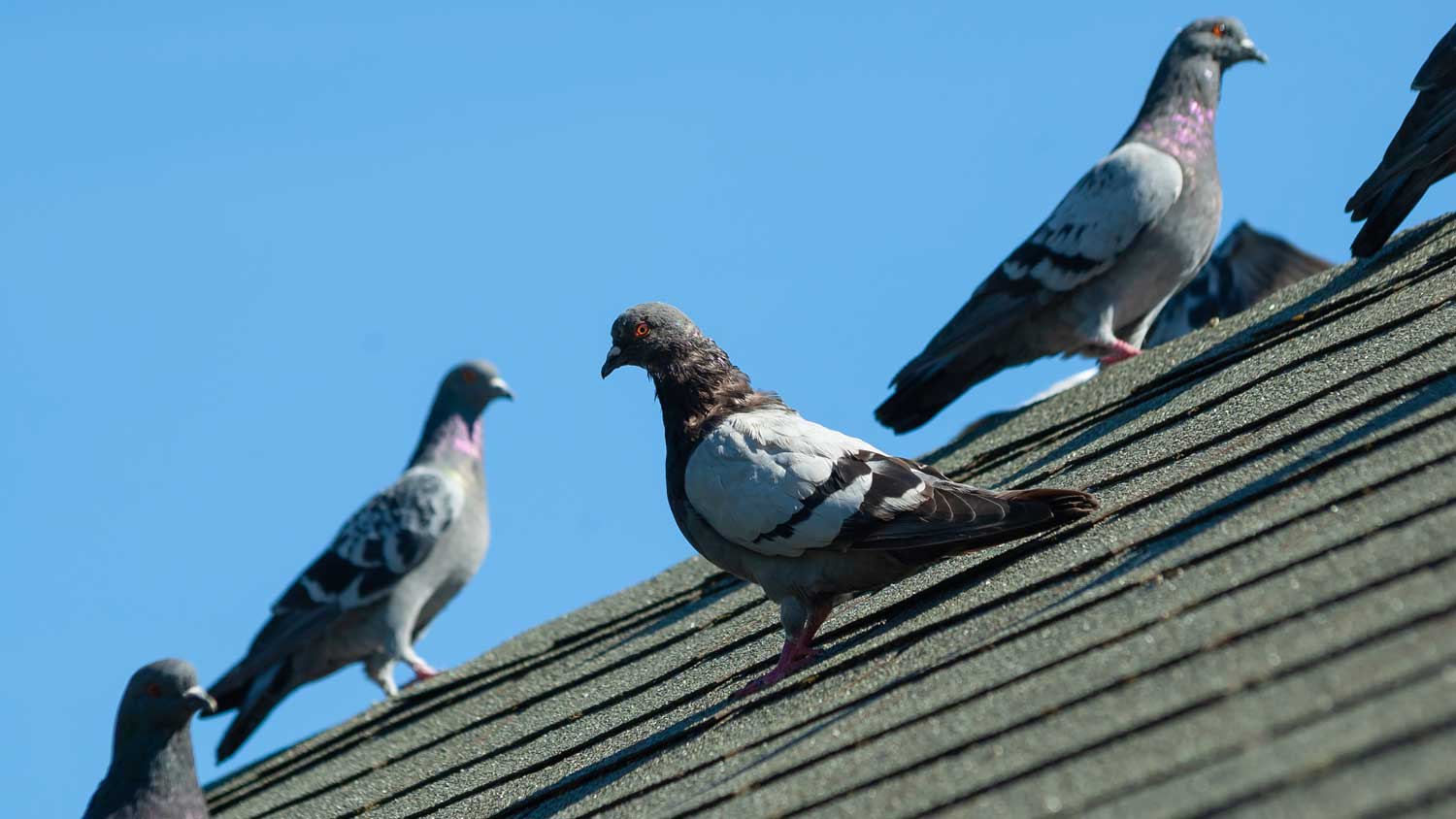
Legal considerations include adherence to local and federal wildlife protection laws, particularly for species that might be protected or endangered.
Small amounts of geese are actually good for the environment. They help spread seeds and lead to more plant growth, but they’re often an invasive species, particularly Canadian geese. This means a small gaggle can quickly grow into a level that litters your lawn with bald patches and excrement.
There are a few ways to keep pesky bugs away from your garden. One option you have is to plant flowers so beneficial insects like ladybugs can control pests for you. A similar method is companion planting, which means you’ll grow vegetables that’ll discourage pests, like garlic, onions, and basil. The best pest prevention method will depend on the bugs you have issues with and the plants in your garden.
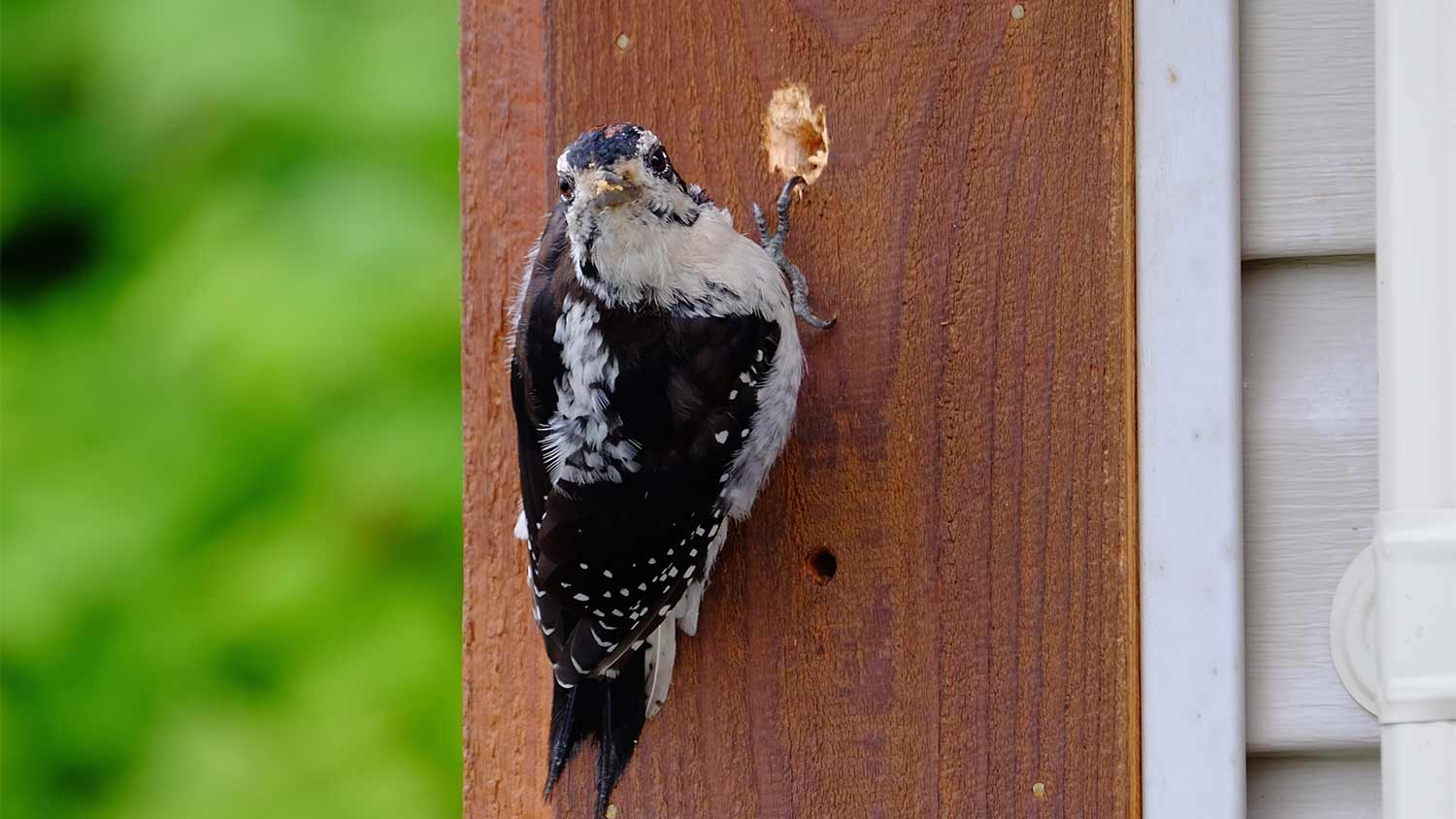
Woodpeckers may seek out homes with aluminum siding or tin roofs because these surfaces echo their drumming. Homes with wood siding are more frequently targeted as roosting areas or for food sources. If you have insects living in the exposed wood in your home, the birds are likely looking for a snack, in which case your best option is to hire an exterminator.
DIY removal of birds or bats is not recommended due to safety risks and potential legal protections for certain species. While simple prevention methods can be done yourself, actual removal and control of an infestation should be handled by professionals who are familiar with safe, humane, and effective techniques.
The Round Rock, AZ homeowners’ guide to bird control services
From average costs to expert advice, get all the answers you need to get your job done.
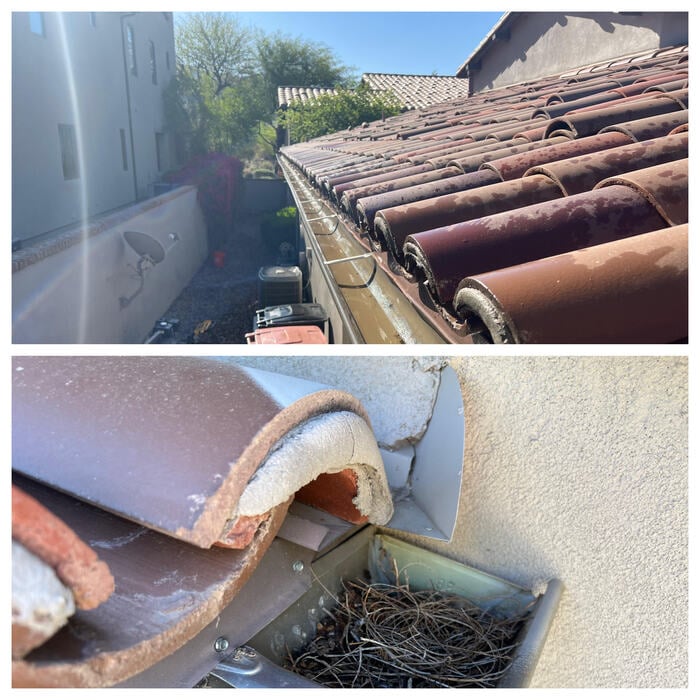
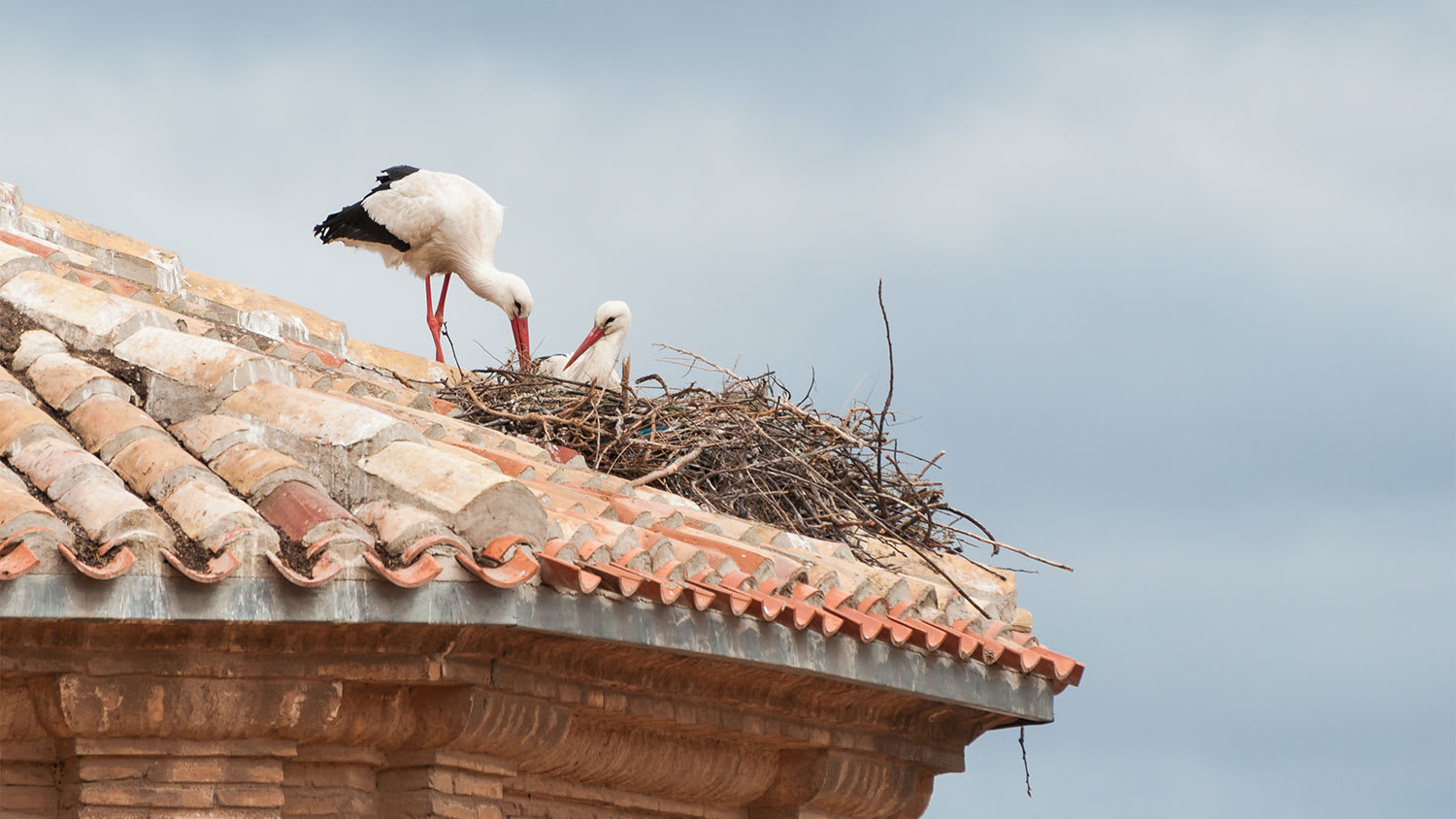
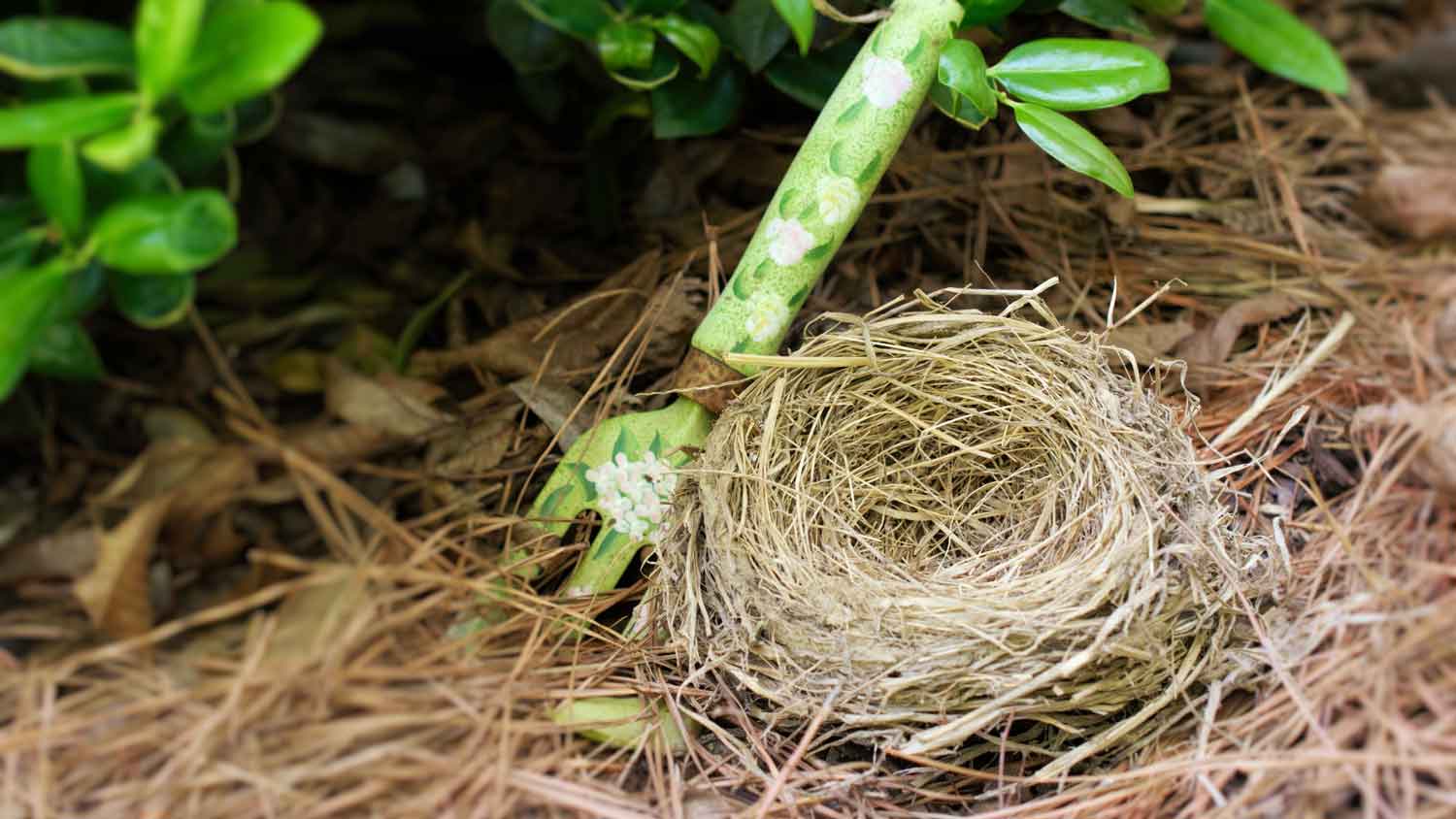
Sometimes birds nest in unwelcome places. Find out how much bird nest removal will cost based on factors like location, bird species, and preventative measures.