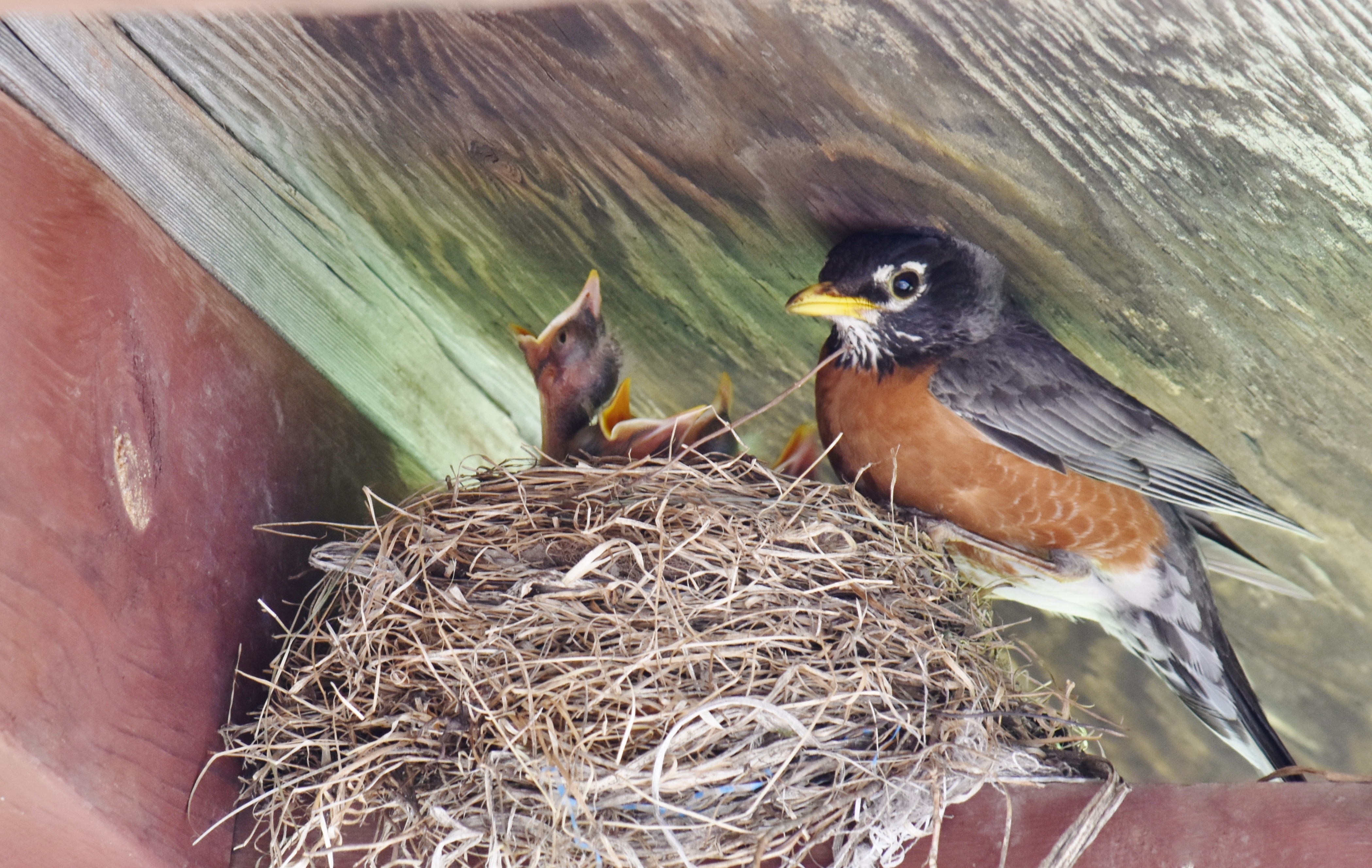
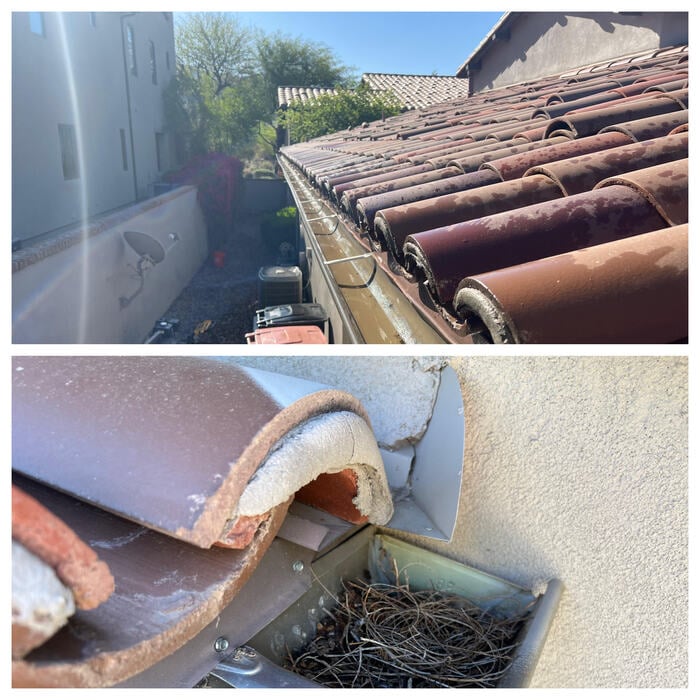
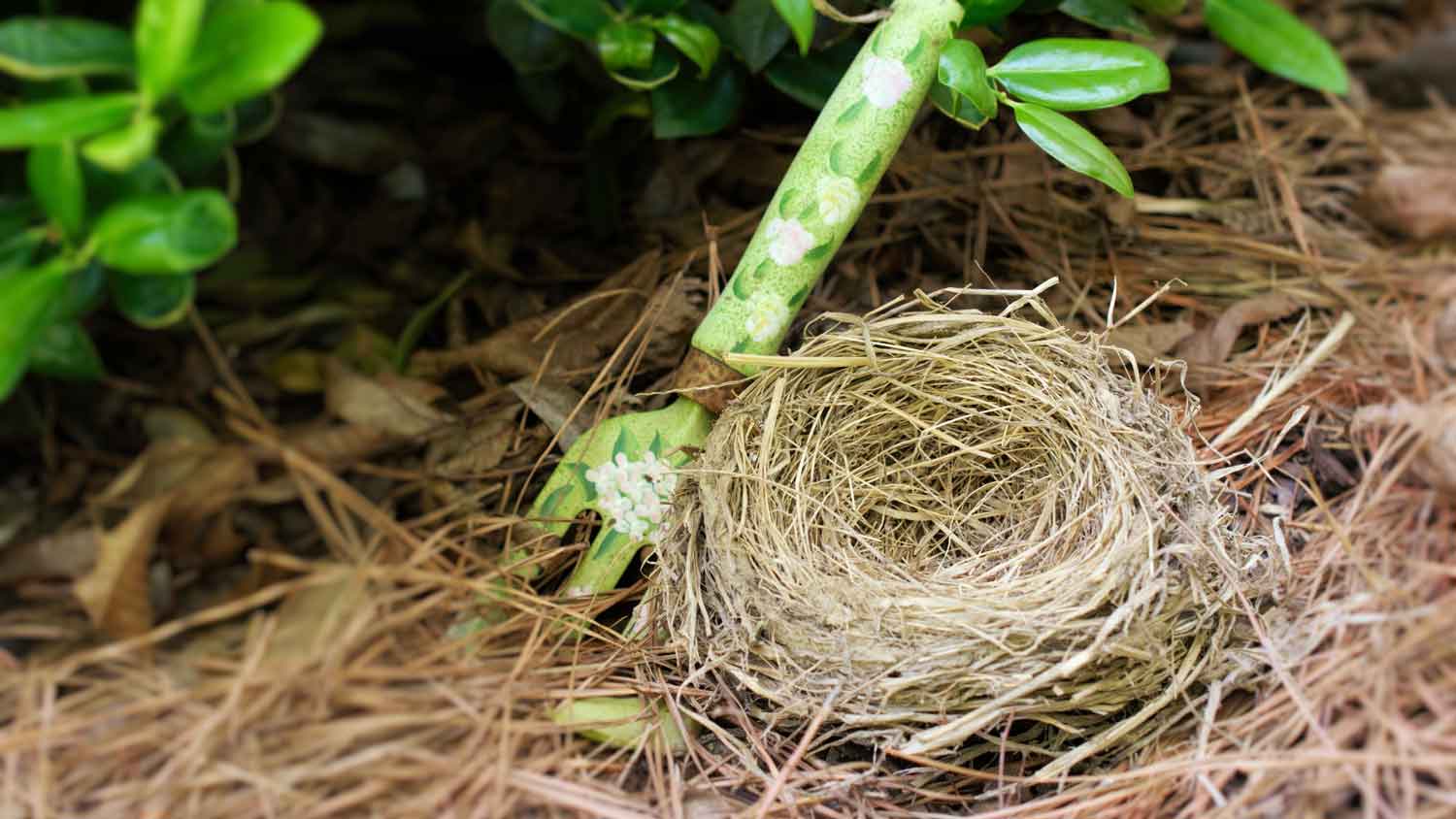
Both spikes and loose nets can be installed over nest sites to prevent the bird from returning, but nets are not a humane option since birds and other wildlife can get tangled in them.
Spikes are a humane alternative that deter nesting without harming the birds. In small areas, like vents, a very fine mesh net can be installed to prevent the bird from returning. These nets don't generally pose a risk to the birds.
There are a few ways to keep pesky bugs away from your garden. One option you have is to plant flowers so beneficial insects like ladybugs can control pests for you. A similar method is companion planting, which means you’ll grow vegetables that’ll discourage pests, like garlic, onions, and basil. The best pest prevention method will depend on the bugs you have issues with and the plants in your garden.
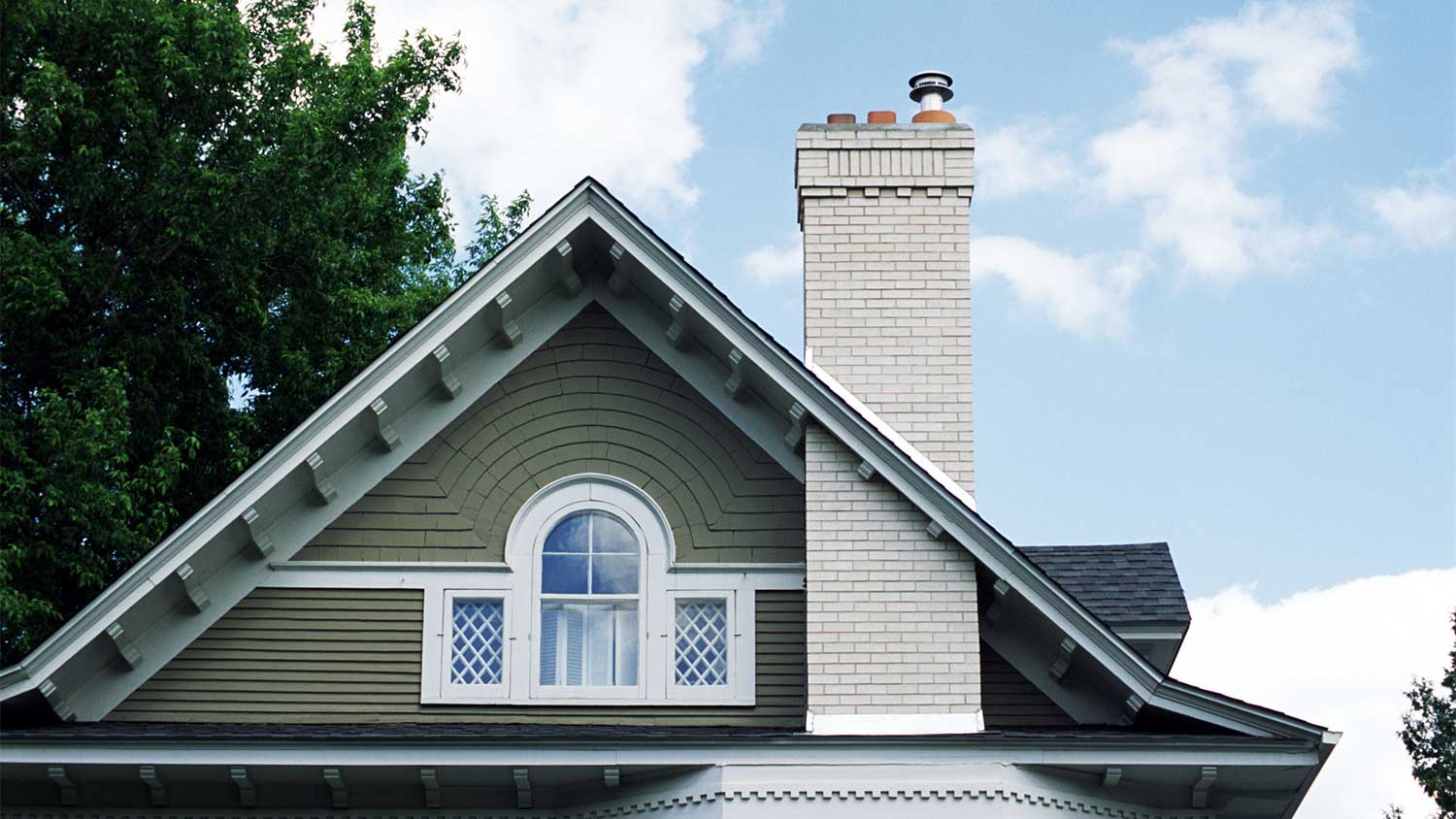
Yes, in some cases if your damper is left open, animals can come down your chimney. In these instances, it’s more likely that they have fallen in while looking for a safe spot rather than entered your house intentionally. Leaving your damper closed or installing a chimney cap can prevent animals from coming inside.
Look for goose repellents that contain the ingredient methyl anthranilate. This is a natural chemical found in grape juice. In human food, it’s often used as grape flavoring. With geese, it’s highly irritating. Grape Kool-Aid contains methyl anthranilate, the active ingredient in most bird repellents. It won’t harm geese, but it will deter them.
Using audio and visual methods to discourage birds might work initially, but birds tend to acclimate to them over time. While chemical deterrents can show some effectiveness, their results can be inconsistent. Some may dissipate too quickly, and there's a risk they might cause unintended damage to your surroundings. Additionally, birds might become immune or resistant to the impact of such treatments.
The Pinon, AZ homeowners’ guide to bird control services
From average costs to expert advice, get all the answers you need to get your job done.
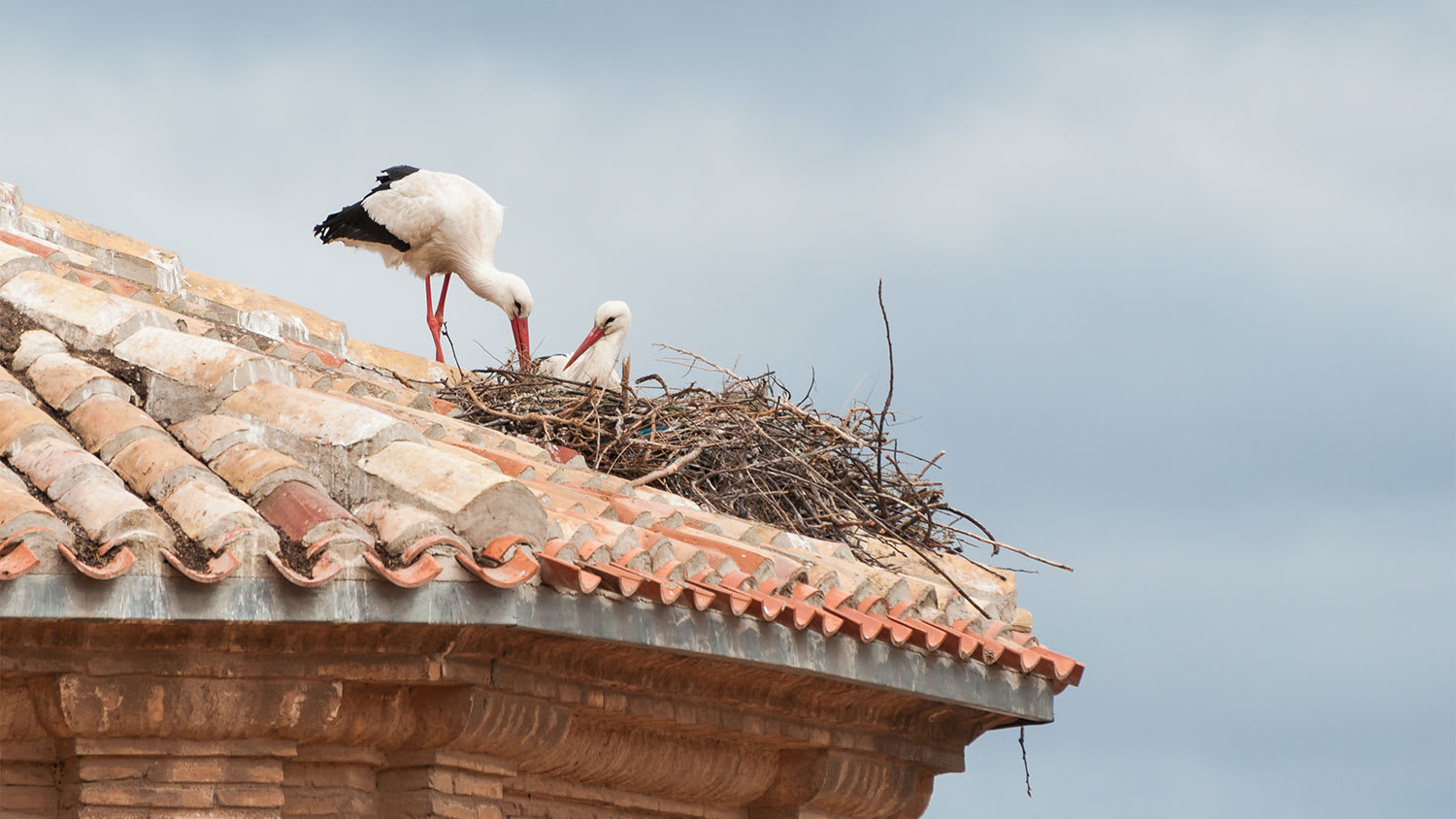
Sometimes birds nest in unwelcome places. Find out how much bird nest removal will cost based on factors like location, bird species, and preventative measures.