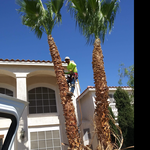






Top-rated arborists.

Best arborists near Meadview, AZ

Enter your zip and get matched with up to 5 pros

Need a pro for your arboricultural service project in Meadview, AZ?

Select your specific project to find the pro for you.

Top-Rated Arborists in Meadview - Updated Nov 2026

J&S Landscape & Maintenance
New to Angi
Tree Trimming

Serving Meadview, AZ and surrounding areas

In business since 2024

Free estimates

Offers commercial services

We pride ourselves on our extreme professionalism and attention to detail. Our customer satisfaction guarantee will assure you we will not leave your property until you are completely satisfied with our work. As a locally owned and operated business you can trust that we will treat your home as we would treat our own. Give us a call today, and we look forward to working with you!

Arborists FAQs, answered by experts

Since overwatering can harm mature trees just as much as a lack of water, it’s important to know the signs of an overwatered tree. If your tree’s leaves are yellowing, wilting, or dropping leaves, it’s likely that you’re overwatering. Other common signs include rotting, fungi, soggy soil, soft or peeling bark, falling leaves, and brittle roots. 

If you realize that you’ve been overwatering your mature tree, stop watering and give the soil time to dry out. Then moving forward, increase time between watering sessions. 

It’s possible to transplant trees as tall as 50 feet when an experienced tree planting service uses the right equipment. However, a tree with a trunk larger than two or three inches in diameter needs to be handled by a professional in order to yield successful transplanting results. Consulting a tree planting professional is the best way to tell if your large tree can be safely transplanted.

Early signs that a tree is struggling include premature leaf shedding and lesions or other strange markings. Peeling bark, dead or rotten branches on the ground, and a conspicuous lack of leaves can all be signs that a tree has started to die. By the time a tree starts leaning, it’s usually too far gone to save.

There are several methods to hollow out a tree stump, and the best one depends on your tools, experience, and priorities. Common methods include using a chisel and hammer, a chainsaw, or burning.

  • Chisel and Hammer: This is often considered the easiest approach for those with limited tools or experience, though it is the most time-consuming.

  • Chainsaw: Using a chainsaw is the fastest method, but it comes with significant safety risks, especially for inexperienced users.

  • Burning: This can be an effective method, but it is not recommended unless you can first drill holes into the stump. Without holes, the stump will be difficult to light and may not burn completely through.

A power drill with at least a ⅜-inch diameter bit can make the job quicker and easier, regardless of the primary method. While you can use a chisel or chainsaw without a drill, it will require more time and effort. Always wear protective goggles and thick gloves, as splinters are an inevitable risk.

Palm tree stumps can take as long as seven to ten years to rot naturally. Whereas some tree stumps rot within a year, palm trees tend to last longer due to their deep root networks. Chemical rotting (described above) can help speed the process up so your palm tree stumps rot in under two months.

The Meadview, AZ homeowners’ guide to arboricultural services

From average costs to expert advice, get all the answers you need to get your job done.