







Top-rated excavation pros.

Best excavation pros near Mountain Home, AR

Enter your zip and get matched with up to 5 pros

Need a pro for your excavation project in Mountain Home, AR?

Select your specific project to find the pro for you.

Top-Rated Excavation pros in Mountain Home - Updated Nov 2026

Avatar for R&R Dirtworks
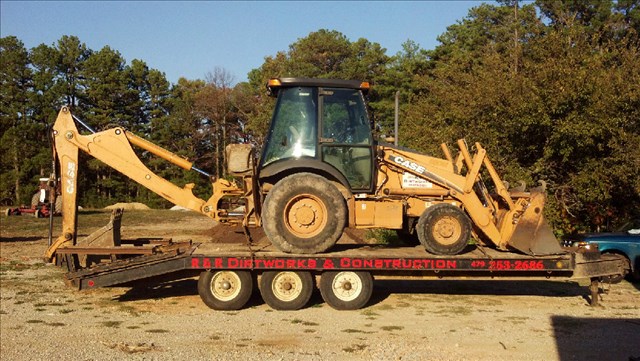
R&R Dirtworks
5.0(
4
)
Building Site - Preparation and ClearingBuilding Site - Preparation and Clearing - For BusinessExcavation - Major Grading or Resloping+2 more

Serving Mountain Home, AR and surrounding areas

"All the materials I've purchased from him have been completely satisfactory. He finds out what you need and makes sure that you're getting exactly what you need. I've never heard of him not completing a project. He'll let you know of any unexpected things that you might encounter as well."
Additional Photos
Additional Photos
Additional Photos
Recommended by100%of homeowners
LS excavation and construction
New to Angi
Landscape - Minor Grading or Resloping

Serving Mountain Home, AR and surrounding areas

In business since 2007

Free estimates

LS Excavating and Construction is a locally owned and operated company that values honesty, integrity, and treats your home as if it were our own. You will find us to be competitively priced, while still paying close attention to the details of each and every project that we are involved with. We look forward to building lasting relationships, and guarantee your satisfaction. Give us a call today to get your project started! \n \n

RB Construction unlimited
New to Angi
Landscape - Minor Grading or Resloping

Serving Mountain Home, AR and surrounding areas

Welcome to RB Unlimited — your one-stop solution for all landscaping and construction needs. With over 15 years of experience, we’ve built our reputation on quality workmanship, reliability, and a commitment to bringing every client’s vision to life.\n\nFrom detailed landscape design and outdoor renovations to full-scale construction projects, our team takes pride in delivering results that stand the test of time. At RB Unlimited, no job is too big or too small — we handle every project with the same level of care, precision, and professionalism.\n\nWhether you’re enhancing your outdoor space or building something entirely new, trust RB Unlimited to make it happen — on time, on budget, and beyond expectations.

Showing 1-10 of 13
Excavating FAQs, answered by experts

No, fire blight does not survive free in the soil but instead is carried through insects, animals, rain, or wind during the spring. Keep in mind that it can also spread on tools, which is why you should always disinfect them in between cuts.

No, a ditch isn’t a trench. A ditch is an open, relatively shallow channel that’s carved out of the ground and used for drainage purposes. In contrast, a trench is a deeper excavation that’s entirely underground. Trenches have many uses, including gas lines, sewage systems, and electrical wiring. Unlike trenches, ditches don’t get filled back in with dirt after they’re dug.

In the United States, a depth of 36 inches (three feet) for underground water lines is the accepted industry standard. This depth varies from location to location based on local conditions. In areas with colder winters, they may be buried deeper to prevent frozen well water pipes : This is usually at least six inches below the frost level. The International Plumbing Code calls for a minimum of 12 inches below grade.

Sewer lines can be buried anywhere from 18 inches to 8 feet deep, with a common average depth between 18 and 30 inches. The exact depth depends on local factors like climate and soil type. In colder regions, pipes must be buried deeper (below the frost line) to prevent freezing, sometimes as deep as 8 feet. The digging depth can also impact the cost of sewer line replacement. To find the specific depth for your property, you can check the building plans for your system, which should be on file with your city or local sanitation department since permits are required for installation.

You can bury underground electrical wire six inches deep—but only if you use a rigid metal electrical conduit. For rigid, non-metallic conduits, bury the wire at least 12 inches deep. If using an underground feeder cable rated for direct burial, you'll need to place it at least 18 inches deep, as it has no conduit for extra protection.

The Mountain Home, AR homeowners’ guide to excavation services

From average costs to expert advice, get all the answers you need to get your job done.