






Top-rated excavation pros.

Get matched with top excavation pros in Flippin, AR

Enter your zip and get matched with up to 5 pros

Need a pro for your excavation project in Flippin, AR?

Select your specific project to find the pro for you.

Find Excavation pros in Flippin

Avatar for R&R Dirtworks
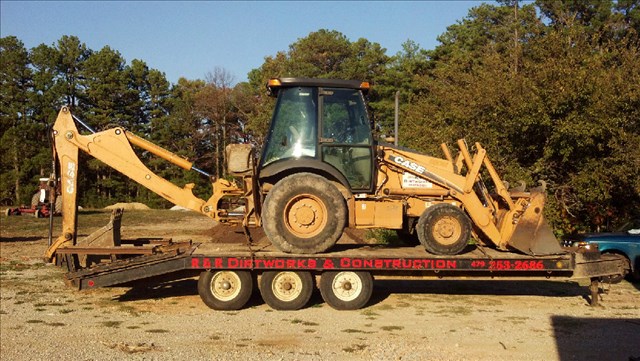
R&R Dirtworks
5.0(
4
)
Building Site - Preparation and ClearingBuilding Site - Preparation and Clearing - For BusinessExcavation - Major Grading or Resloping+2 more

Serving Flippin, AR and surrounding areas

"All the materials I've purchased from him have been completely satisfactory. He finds out what you need and makes sure that you're getting exactly what you need. I've never heard of him not completing a project. He'll let you know of any unexpected things that you might encounter as well."
Additional Photos
Additional Photos
Additional Photos
Recommended by100%of homeowners
Avatar for PBM Concrete
PBM Concrete
4.0(
4
)
Building Site - Preparation and ClearingBuilding Site - Preparation and Clearing - For BusinessExcavation - Major Grading or Resloping+2 more

Serving Flippin, AR and surrounding areas

Free estimates

Credit card accepted

"I was Tim's first job when he moved his business to South West Mo. After having such a bad experience with local previous concrete business I was pleasantly surprised the knowledge, professionalism and desire to make his customers pleased and happy with his work. I would highly recommend PBM concrete. Also if a problem occurs with his work he is right on job to correct the problem. Yes I highly recommend."
Concrete - Pouring & Repair Project

+23

Recommended by75%of homeowners
LS excavation and construction
New to Angi
Landscape - Minor Grading or Resloping

Serving Flippin, AR and surrounding areas

In business since 2007

Free estimates

LS Excavating and Construction is a locally owned and operated company that values honesty, integrity, and treats your home as if it were our own. You will find us to be competitively priced, while still paying close attention to the details of each and every project that we are involved with. We look forward to building lasting relationships, and guarantee your satisfaction. Give us a call today to get your project started!\n\n

Showing 1-10 of 15
Excavating questions, answered by experts

Digging a bush up by the roots is the most natural DIY method for removing a bush stump. Start by identifying the shrub type and revealing its roots. Cut the shrub to its base and loosen the soil, ensuring no utility lines are nearby. Optionally, treat the base with herbicide, then dig around the roots and cut a circle around the shrub using various tools. Dig a trench, cut the base of the root ball, and finally fill the hole to prevent regrowth. This thorough process ensures complete removal without damaging surrounding areas.

Chipmunks dig their burrows about three feet deep and up to 30 feet long. The entrances can be two inches wide or more. Chipmunks are fiercely protective of their burrows and use them to protect the nuts and seeds they gather for the long winters.

If you don’t wish to dig it out and convert it into a finished basement, you can still encapsulate your crawl space to protect it from damage for an average cost of $5,500. Finishing a crawl space beyond this isn’t really worthwhile, as the low ceilings mean you won’t be able to use the area as living space.

Most residential basements are 8 to 10 feet deep. You can dig deeper depending on building codes, but it does become more difficult. You’ll likely need to install stronger foundation walls and additional supports to handle the increased load. Depending on the water table, you may also need a water management system. Clay soil can support a deeper foundation than sandy soil. A structural engineer will be able to tell you the maximum, feasible depth.

How deep your septic system needs to be into the ground depends on several factors. In extremely cold environments, the tank needs to rest below the maximum frost line, which can be up to six or eight feet deep. The standard burying depth for most systems is between a few inches and four feet below ground level. Depth can also depend on the slope of the landscaping and other property variables. 

The Flippin, AR homeowners’ guide to excavation services

From average costs to expert advice, get all the answers you need to get your job done.