

Top-rated fencing pros.

Get matched with top fencing pros in Lewisville, AR

Enter your zip and get matched with up to 5 pros

Need a pro for your fencing service project in Lewisville, AR?

Select your specific project to find the pro for you.

Find Fencing pros in Lewisville

GWS
New to Angi
Wood Fence - InstallBarbed Wire Fence - InstallVinyl or PVC Fence - Install+7 more

Serving Lewisville, AR and surrounding areas

Approved

In business since 2022

Free estimates

Specializing in: General construction, welding, and fabrication. We pride ourselves on the\nquality work we provide, while delivering great customer service! Check out all the services we offer below and call -or- click to schedule a free estimate today!

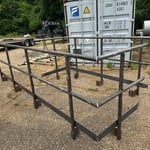
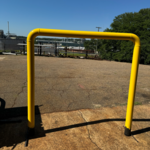
Hand rails
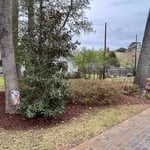
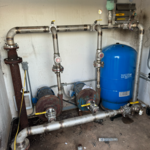
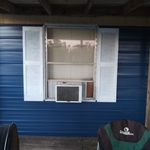
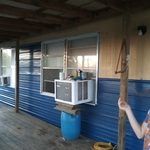
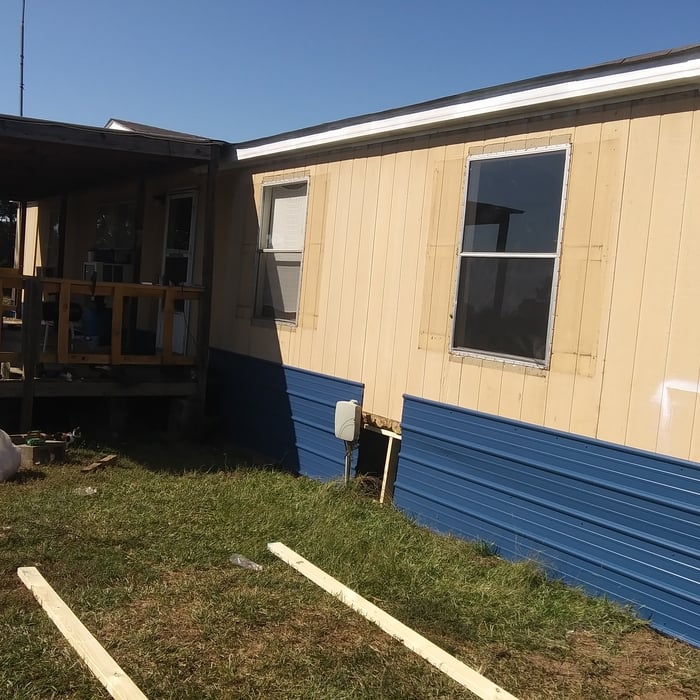
Additional Photos
Additional Photos
Additional Photos
Response time5 days
Response rate100%
7 neighbors recently requested a quote
Avatar for Adams Fence Co.
Adams Fence Co.
4.4(
6
)
Barbed Wire Fence - InstallBarbed Wire Fence - RepairChain Link Fence - Install+6 more

Serving Lewisville, AR and surrounding areas

In business since 2006

Free estimates

"I had Mark install a chain link fence instead of the barbed wire. He came by on Monday measured ordered material and was done by Thursday this was close to an acre of two different heights of colored wire. Mark is very easy to work with very professional would not hesitate to hire him again."
Response time1 day
Recommended by100%of homeowners
Showing 1-10 of 39
Fencing questions, answered by experts

A metal fence can last for over 30 years if maintained correctly, though the exact lifespan varies by material. For instance, chain-link and aluminum fences can function well for 25 to 30 years, while corrugated metal fences may last up to 60 years with regular maintenance. The lifespan can be shortened by harsh weather, abuse, or lower-quality materials. Galvanized metal tends to last longer due to its protective barrier, whereas sheet and corrugated metal may rust faster than solid pieces.

Standard post spacing for shadowbox fences is 6 to 8 feet. This spacing ensures proper support for the heavy weight of overlapping pickets and prevents sagging between posts. However, areas with high winds, slopes, or unstable soil conditions may require closer spacing.

Both nails and screws are common in fence construction, including on pickets. Some builders prefer to use nails when connecting the pickets to the rails and screws when connecting the rails to the posts. However, the best option usually depends on the type of wood fencing and the variety of wood you choose.

Since wood is weaker when installed horizontally versus vertically, a horizontal fence is prone to sagging. You can prevent this drooping from happening by building a sturdier fence. Use softwoods that are more stable, such as cedar and redwood, or denser hardwoods for your fence materials. If you can’t afford these pricey materials, use thicker two-by-six pressure-treated pine boards or shorten the span the fence boards have to cover by installing more posts.

Silt fences are very effective when installed correctly and used in proper locations. However, there are places where they don’t work as well. This includes property with a concentrated water flow, where runoff could pool or cause a flooding hazard. You’ll also want to use caution when installing in areas susceptible to landslides. Your contractor will follow state guidelines and know when an alternate solution is more effective.

The Lewisville, AR homeowners’ guide to fencing services

From average costs to expert advice, get all the answers you need to get your job done.