




Top-rated electricians.

Get matched with top electricians in Lewisville, AR

Enter your zip and get matched with up to 5 pros

Need a pro for your electrical service project in Lewisville, AR?

Select your specific project to find the pro for you.

Find Electricians in Lewisville

Avatar for Tri-State Water, Power & Air
Tri-State Water, Power & Air
4.4(
5
)
Fixed Generator - InstallGenerator - InstallGenerator - Install - For Business

Serving Lewisville, AR and surrounding areas

Approved (Corporate)

In business since 1992

Free estimates

Emergency services offered

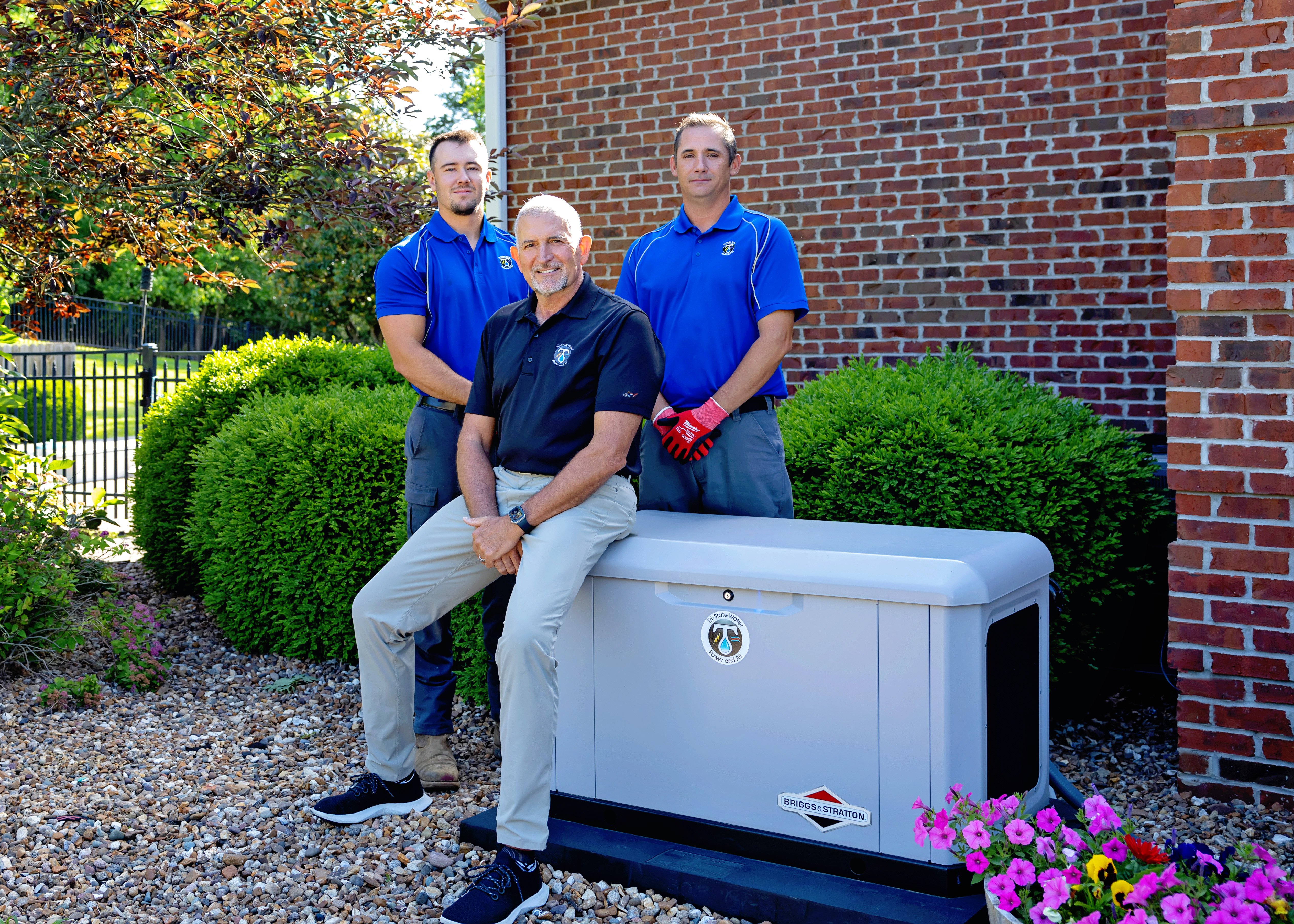
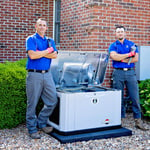
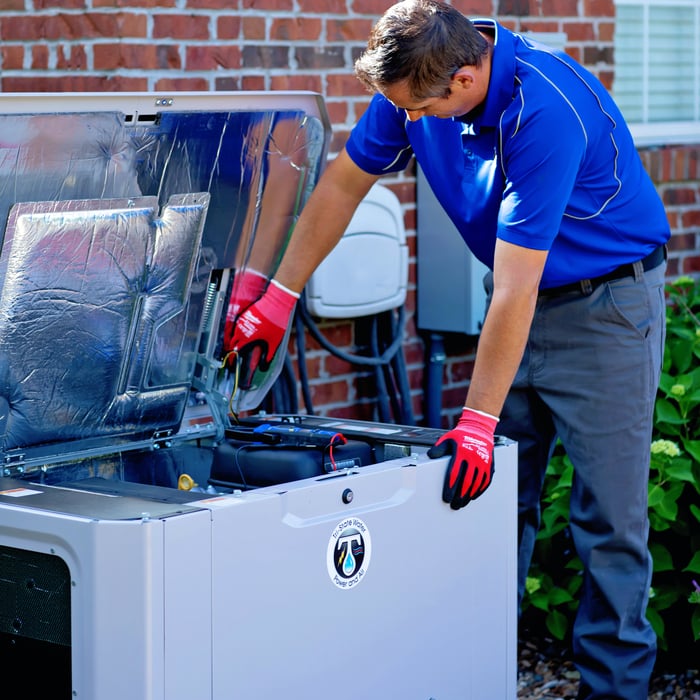
We are the experts in the field of Whole Home Generator Sales and Installation, with over 20 years of experience in the game. We provide turn-key installation by licensed professionals - 24 hour emergency service - Remote Monitoring - Long term maintenance and service by factory trained technicians.

Additional Photos
Additional Photos
Additional Photos
Additional Photos
Additional Photos

+2

126 neighbors recently requested a quote
Avatar for Up N Running Appliances LLC
Up N Running Appliances LLC
4.9(
16
)
Appliance (Major Electric Appliance) - Install or Replace

Serving Lewisville, AR and surrounding areas

In business since 2023

Emergency services offered

Credit card accepted

"They are very knowledgeable about everthing that I have had problems with. Quick fixes and when a quick fix wasn't the answer, a very reasonable fix was given. Would hire them for all things appliance related."
Preventive Maintenance
Cook Top
Cook Top
Compressor Replacement

+5

Response time3 hrs
Response rate94%
Recommended by100%of homeowners
Showing 1-10 of 38
Electrical questions, answered by experts

The standard copper wire gauge to use with any 30-amp circuit is a 10-gauge wire. The National Electric Code specifies a 10-gauge wire with appliances like water heaters running on 30 amps. If you try to use a smaller gauge wire, such as a 12 gauge, with a 30-amp breaker, you run the risk of the wire overheating and melting or causing a fire. Because of the safety hazards, the gauge of the wire is not an area to try to cut costs when connecting a 30-amp breaker to a water heater.

Choosing between 12- or 14-gauge wire for your house depends on the electrical requirements of the circuit. A 12-gauge wire is thicker and can handle more power, making it better suited for devices such as kitchen appliances, air conditioning units, or electric heaters.

A 14-gauge wire is thinner and can handle less electrical current than a 12-gauge wire. It's ideal for circuits with lower power requirements, such as lighting or general-purpose outlets in bedrooms or living rooms.

Outlets do wear out, usually within 15-25 years, but they can fail even sooner than that —sometimes in a matter of years. If your plugs always slide out after you put them in, this is a sign your outlets need to be replaced. Additionally, if your outlets are damaged, cracked, discolored, or regularly tripping the circuit breaker, they may be at the end of their life.

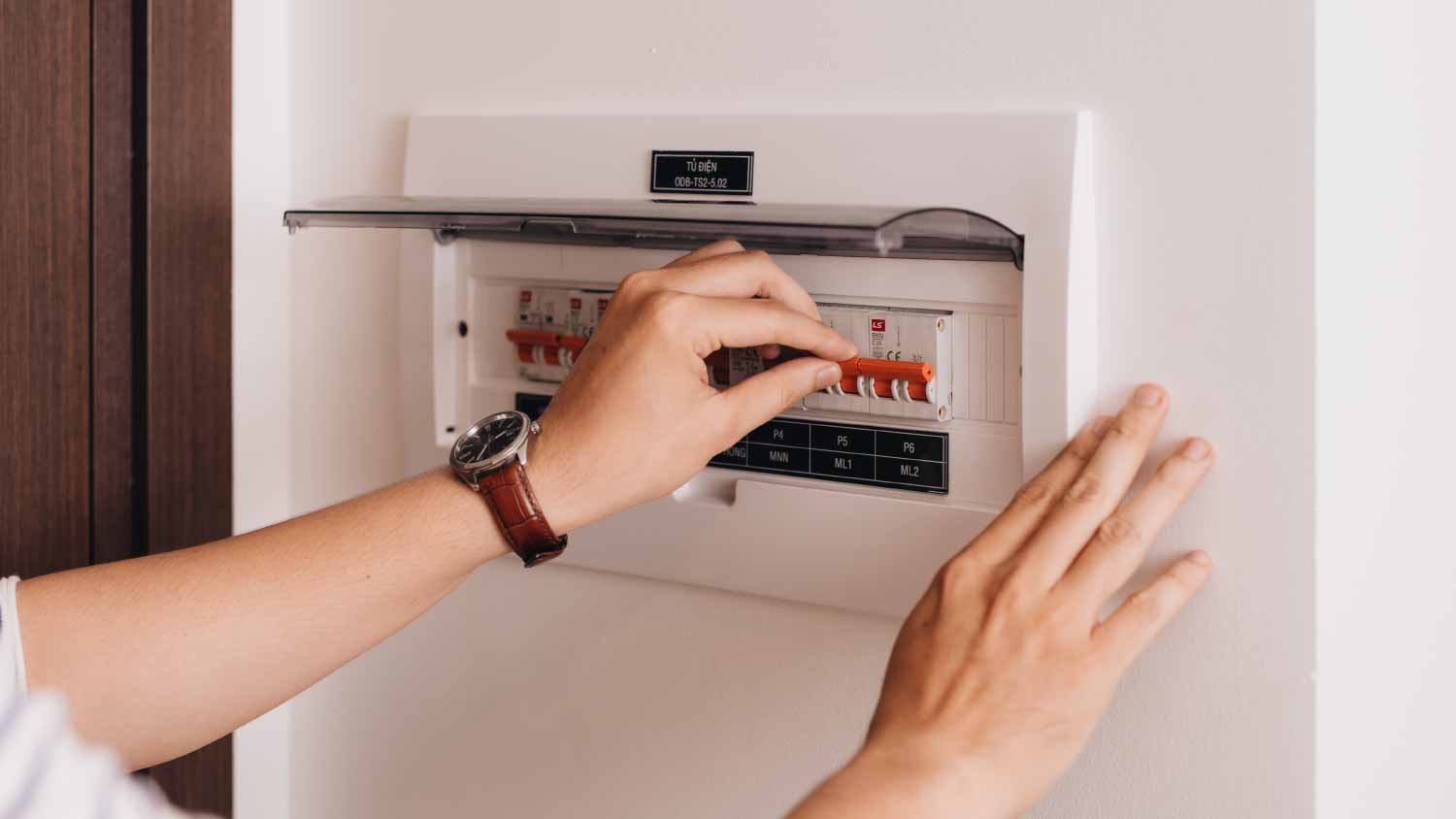
Yes, wires are still hot, even if the light switch is off. The only way to ensure the wire is no longer live and that you can work with it safely is to open your circuit breaker, locate the breaker for the outlet you’re working with, and turn off the breaker for that outlet.

Although homeowners can turn off a breaker, it’s vital to follow safety precautions when doing so to prevent serious and potentially fatal injuries. For instance, you want to ensure there is no water on the floor when you touch the breaker and wear protective gear such as safety glasses. Anytime you deal with anything electrical, it’s always best to be as safe as possible.

The Lewisville, AR homeowners’ guide to electrical services

From average costs to expert advice, get all the answers you need to get your job done.