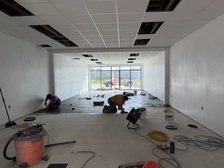
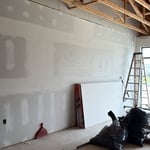
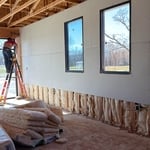
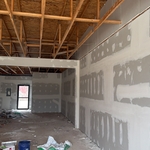
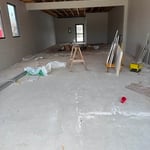
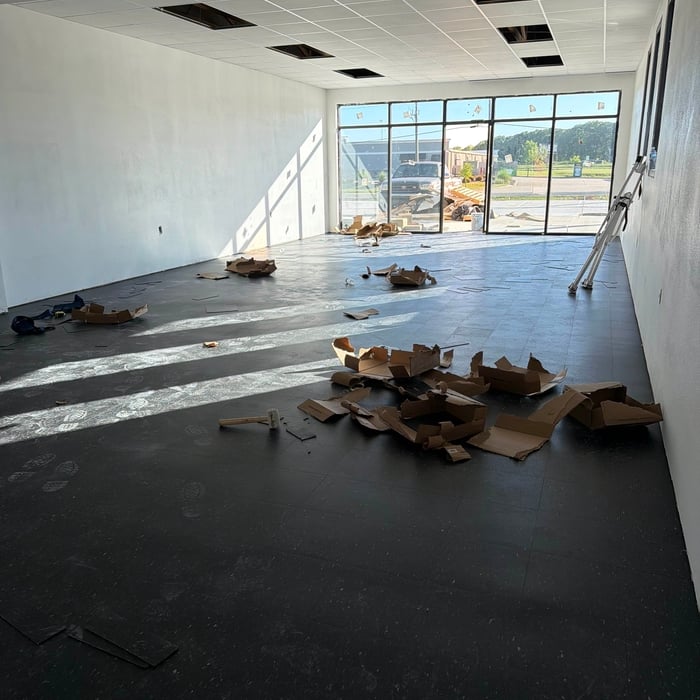
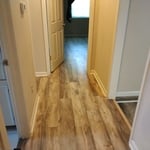
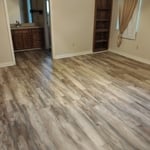
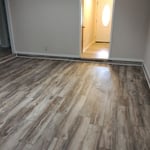
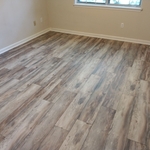
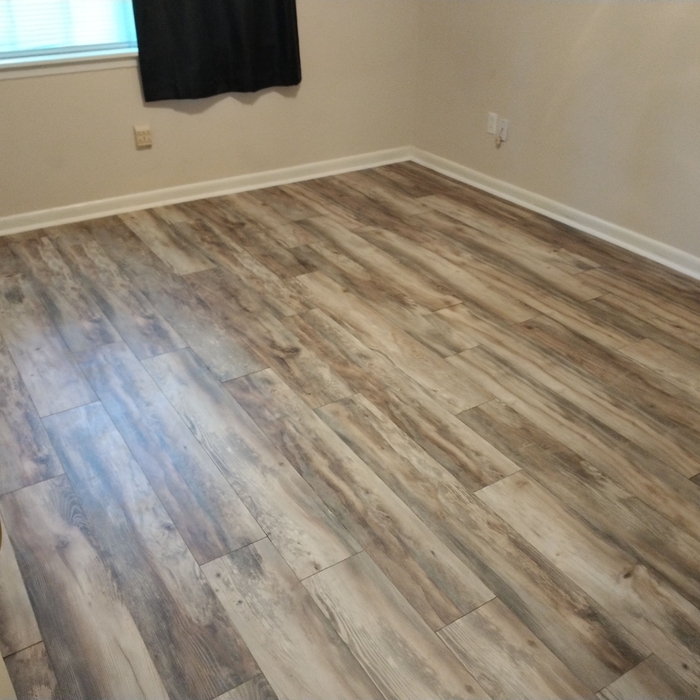
I’m working professionally in carpentry, flooring Sheetrock, texture, Frayming, ceiling, painting and renovation. \nCommercial and residential \nExperience in renovation hotels, building and house \nLandscaping work and tree services
"The owner and his team successfully installed a metal roof and a complete bathroom, which included a walk-in shower with a sliding door, new floor tiles, a toilet, a vanity, an exhaust fan, and fresh paint, all completed within seven days. The owner was actively involved, providing regular updates and explanations throughout the process. We are highly satisfied with both the new roof and the bathroom renovation."
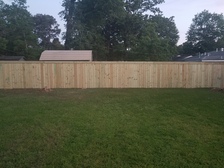
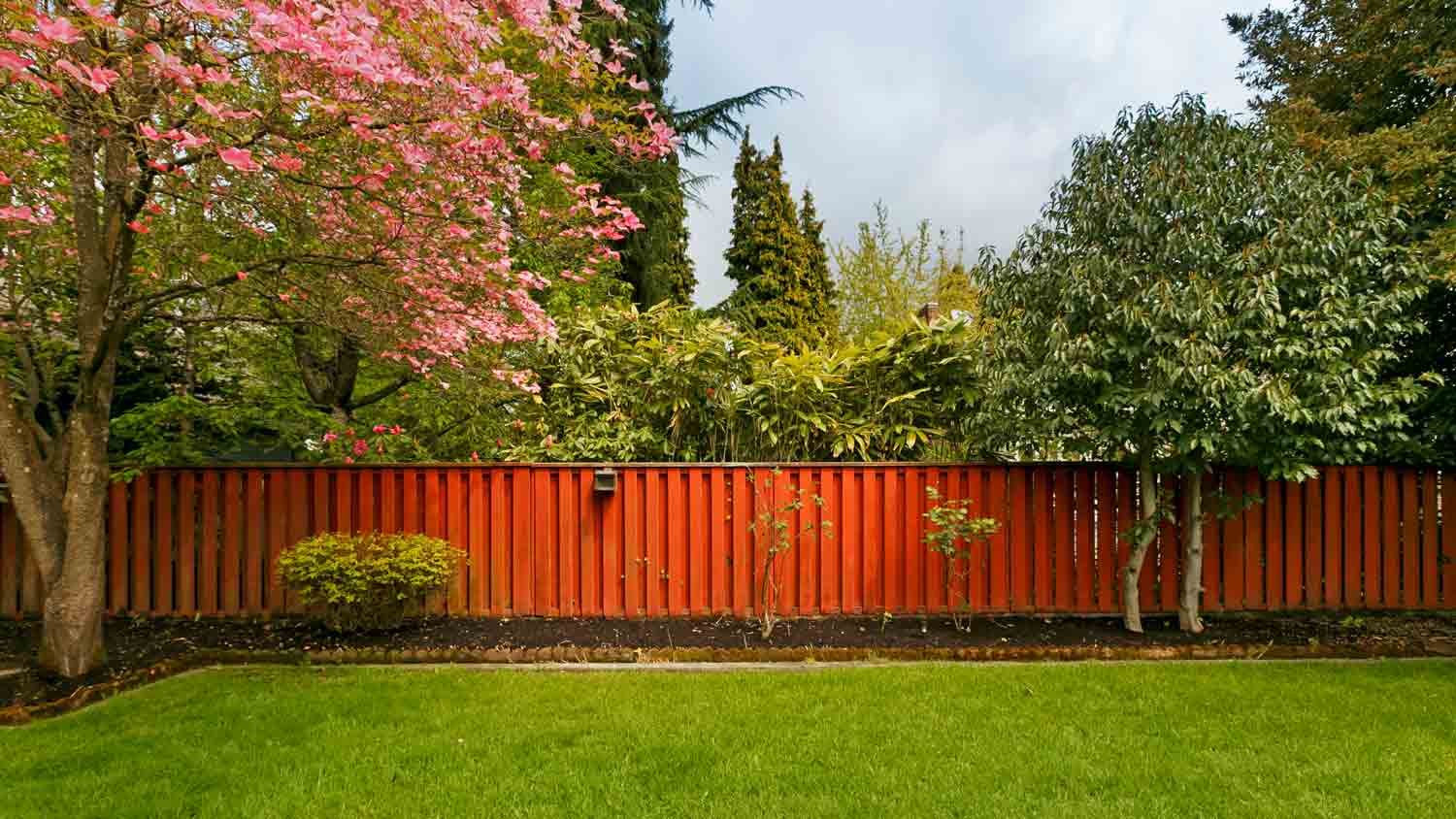
"I had a 88 ft section of my privacy fence replaced. The 2 workers that came were very friendly, efficient & got with the program. I am very pleased with my new fence & only took a few hours......."
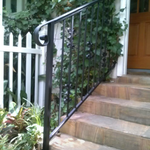
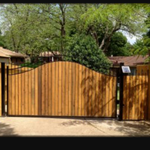
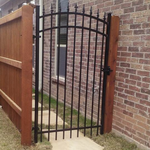
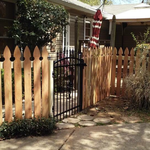
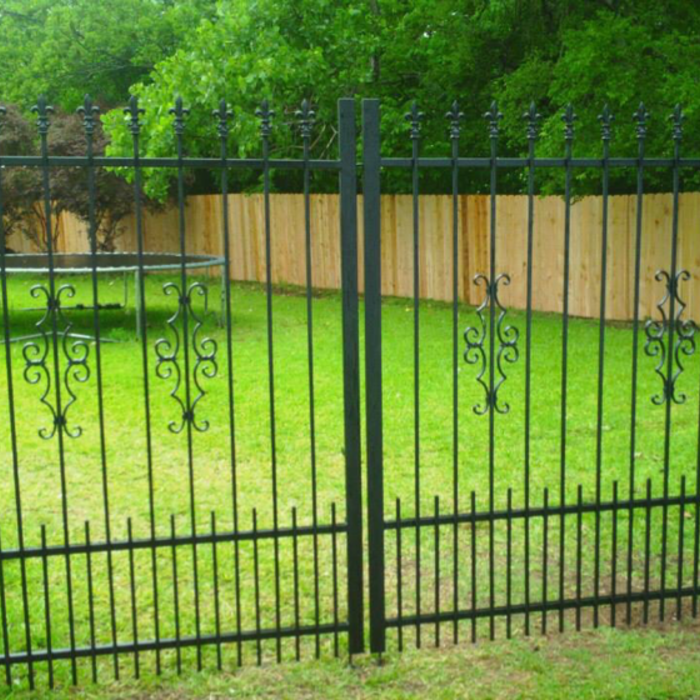
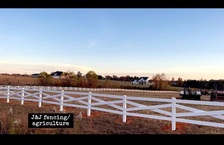
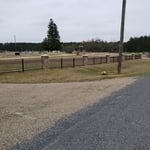
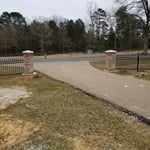
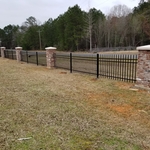
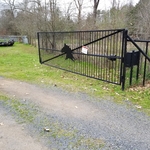
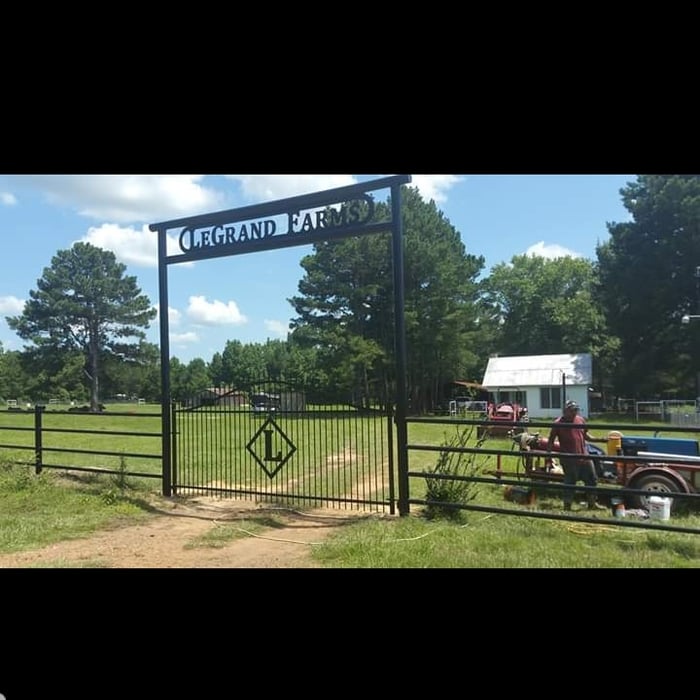
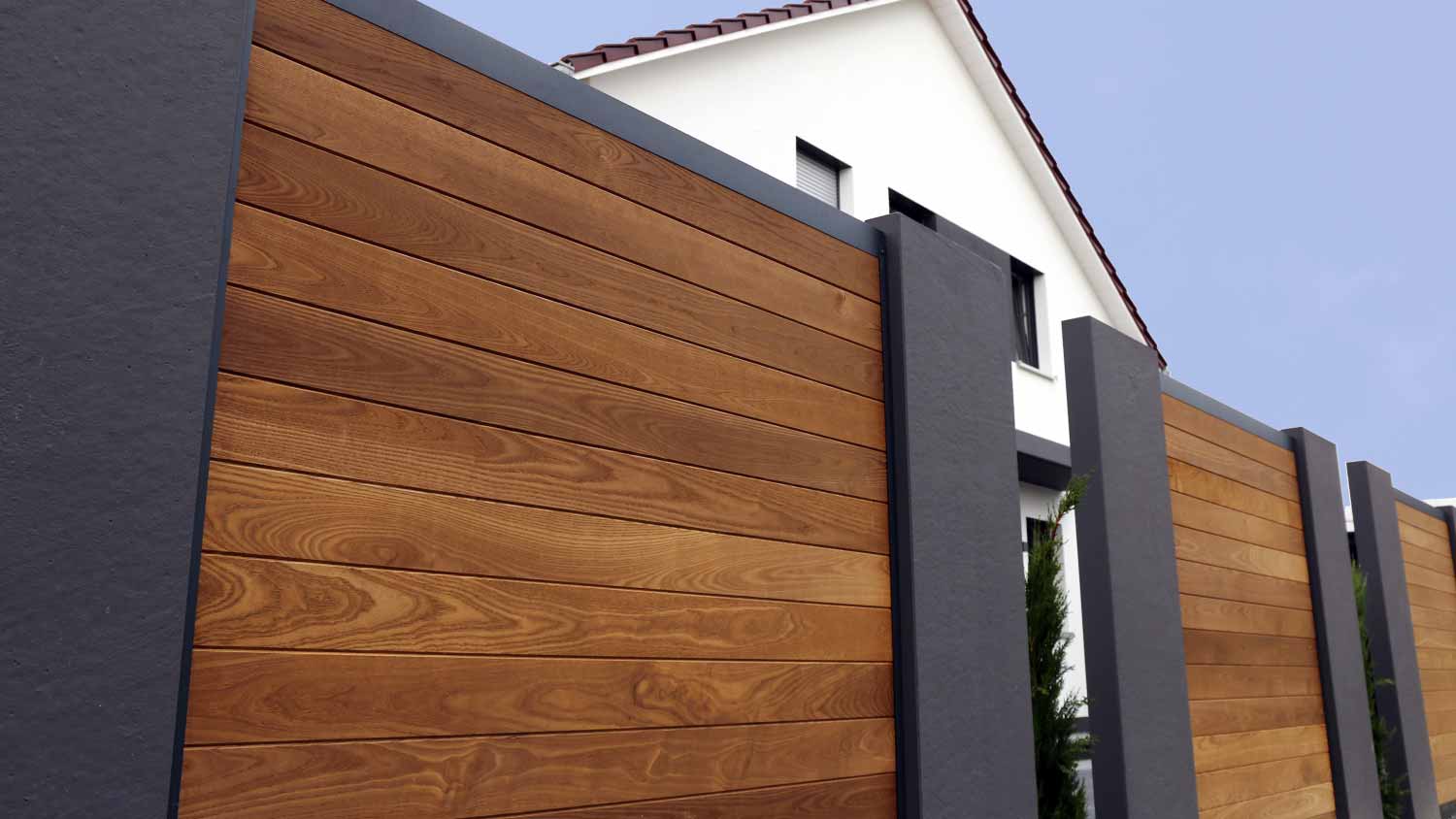
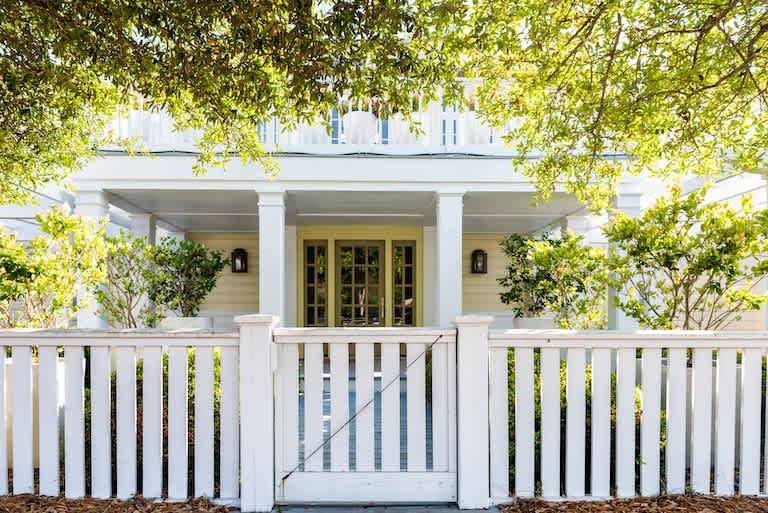
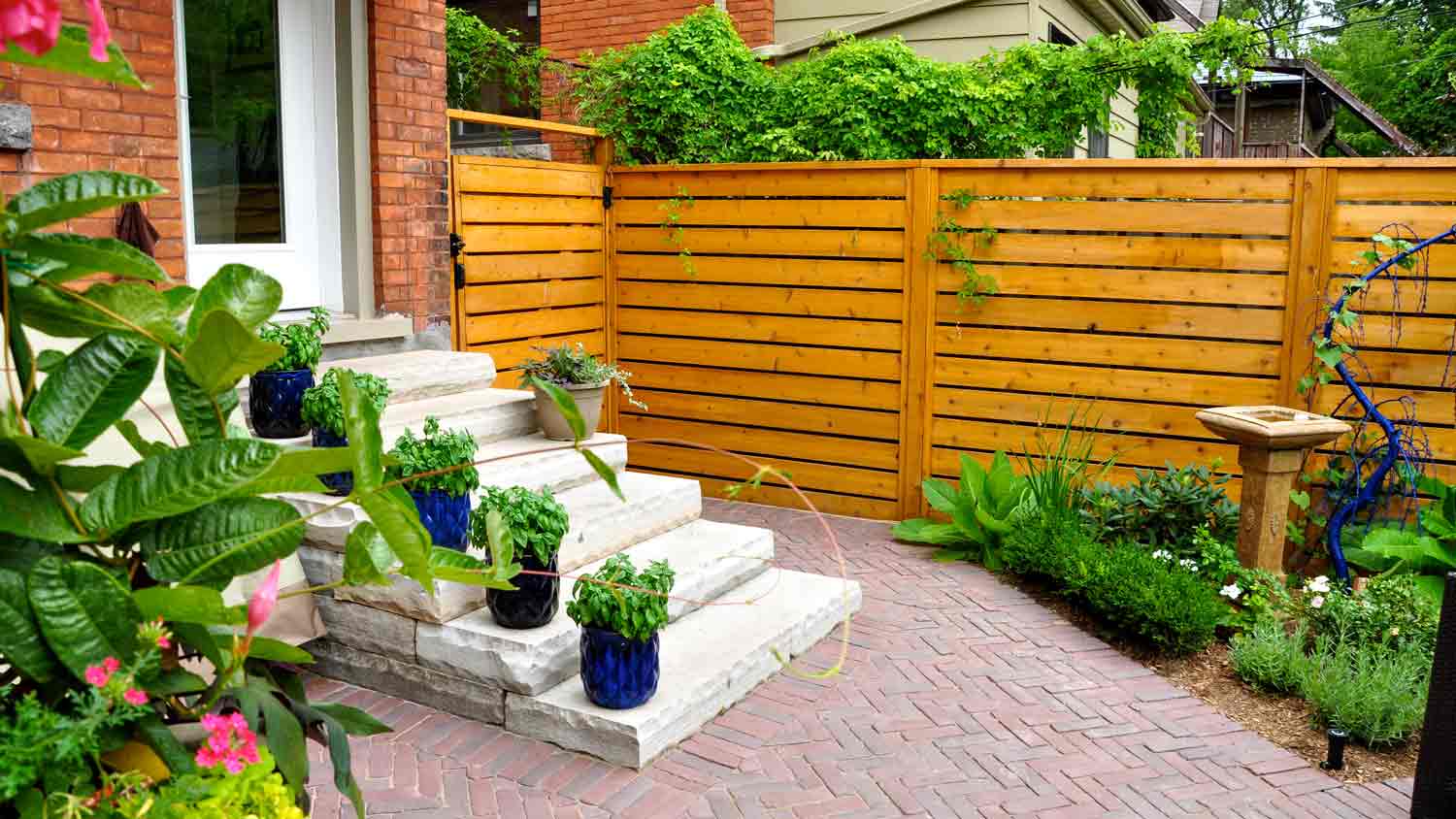
We specialize in professional wood, aluminum, and steel fence installations, as well as custom gate installations designed to enhance both security and curb appeal. Our expertise also includes chain link, barbed wire, wrought iron, and vinyl fencing, along with repairs and upgrades.
\nFrom residential properties to small commercial projects, we focus on precision craftsmanship, structural integrity, and clean, high-quality installations built to last.
"They did a great job, very professional, we will definitely hire them again. They did the job in a timely manner, showed up when they said they would and we were pleased with the job they did."
As one of the premier fencing companies in the US, we strive ourselves on impressing you with quality work. For the highest quality fence for you're Farm & Ranch, trust Mitch to get it done right.
The best way to protect your pets from coyotes is to ensure they are always supervised when outside, especially during dawn and dusk when coyotes are the most active. When walking your dog, keep it on a short leash and carry something noisy you can use to haze any coyotes you may encounter.
Lattice should not touch the ground, as it creates a possibility for rot and a termite infestation. It’s best to leave a gap of 3 or 4 inches at the bottom for airflow and to keep the wood dry. You can add stones, bricks, or other decorative pieces to conceal the bottom of the lattice if desired.
A barbed wire fence will last an average of 15 to 20 years, but the life expectancy can range anywhere between five and 50 years. Thicker wires last longer, as do fences made with galvanized metal. If the barbed wire fence is in a climate with harsh winters and summers, it likely won’t last more than 10 to 15 years. Failing to keep up with maintenance and repairs will also shorten the lifespan of a barbed wire fence.
There are many pros and cons to vinyl and composite fencing. Both fencing types offer longer lifespans than wood fencing, with some notable advantages. Whether one is better for you will depend on a few factors. Composite is better if you prefer recycled materials, while vinyl is extremely easy to clean.
Also, consider the disadvantages: vinyl can be more expensive, while composite fencing fades during the first six months.
Options include ornamental designs, custom gates, and various finishes. Consult with your installer for customization.
The Cotton Valley, LA homeowners’ guide to fencing services
From average costs to expert advice, get all the answers you need to get your job done.
Chain-link fences are among the most affordable options available. Use this chain link fence cost guide to see what your installation will cost in Washington, DC.
How much a privacy fence costs depends on several factors, including the size of the fence and the material used. Our cost guide breaks down these and other factors.