




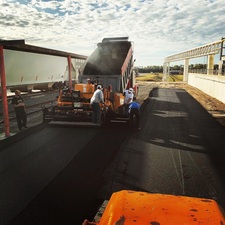
Top-rated asphalt driveway pros.

Get matched with top asphalt driveway pros in Holland, AR

Enter your zip and get matched with up to 5 pros

Need a pro for your asphalt driveway service project in Holland, AR?

Select your specific project to find the pro for you.

TRUSTED BY HOLLAND, AR HOMEOWNERS

  • Average homeowner rating star icon4.5
    Average homeowner rating
  • Verified reviews icon28
    Verified asphalt driveway services reviews

Find Asphalt driveway pros in Holland

Avatar for Performance Coatings
Performance Coatings
4.5(
15
)
Asphalt SealingAsphalt Paving - Repair or PatchAsphalt Paving - Install+1 more

Serving Holland, AR and surrounding areas

Approved

In business since 2016

Free estimates

Warranties offered

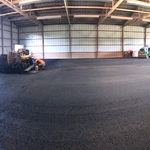
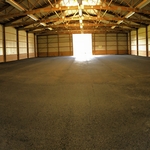
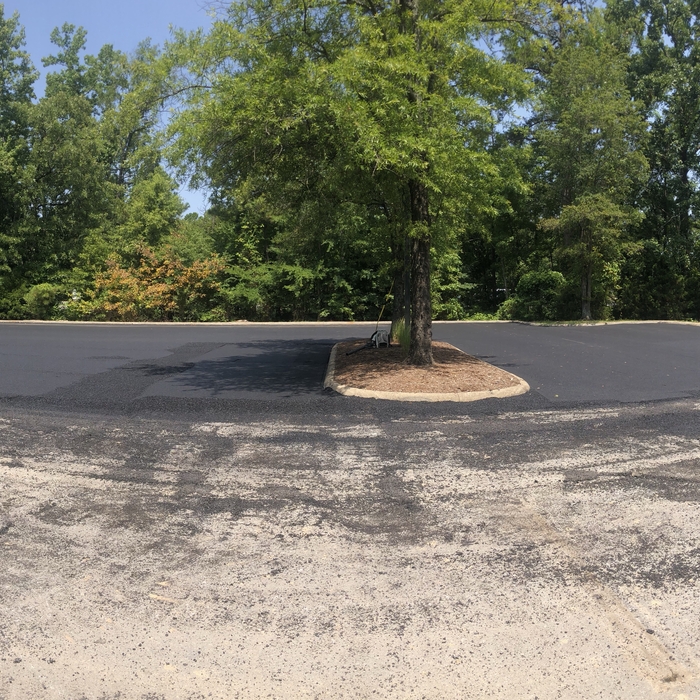
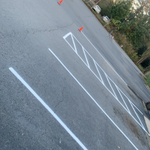
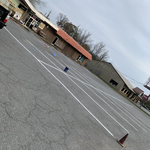
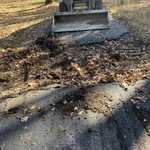
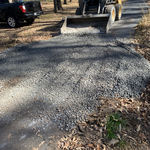
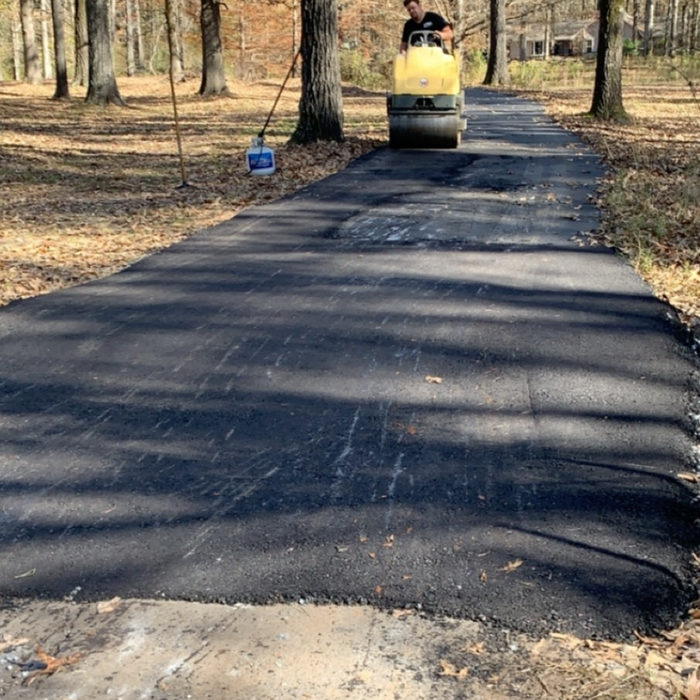
"This asphalt paving company resurfaced my asphalt driveway, widened it some, added a turnaround space, and evened out the curb-end of the of the driveway. The company representative, Mr. Johnny Harrison was pleasant, informative, and totally professional. He showed up on the appointed date (May 12, 2026) on time and ready to work. His crew finished in a couple of hours and did a nice, neat job. We are pleased with Mr. Harrison and his crew and their work, and will recommend him and his company to our friends for asphalt paving."
Additional Photos
Additional Photos
Additional Photos
Additional Photos
Additional Photos

+32

23 neighbors recently requested a quote
Recommended by73%of homeowners

...
Showing 1-10 of 97
Asphalt Driveways questions, answered by experts

An ideal driveway gradient is between 2% and 5%. Anything lower than 1% or higher than 15% can cause problems for your car or property. A driveway with less than a 1% slope increases your likelihood of flooding and water damage, while a driveway with a 15% grade or higher can be too steep for safe traveling.

Asphalt is not a type of concrete. While both are a common type of pavement, asphalt is composed of aggregates (like sand and gravel) and bitumen; concrete is a mixture of cement, aggregates, and water. Here are some of the key differences between asphalt and concrete driveways.

Several materials are suitable for steep driveways. Gravel and crushed stone are affordable options that provide good traction. Permeable pavers—such as plastic, rubber, or concrete—filled with gravel or crushed stones are also excellent, as they allow water to drain without causing erosion and perform well in ice and snow. Another option is resin, which can be coated with an anti-slip finish and helps prevent puddles. For added stability, you can install a retaining wall to prevent pavers and gravel from shifting over time.
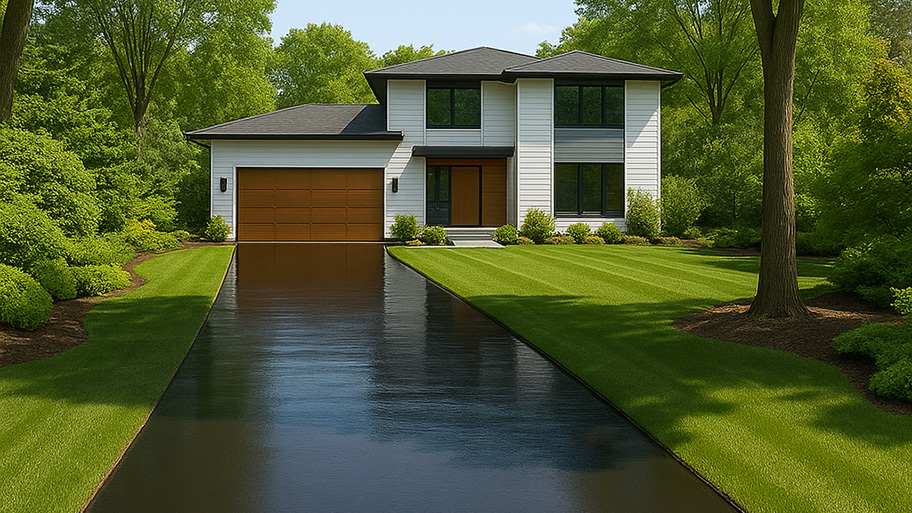
Recycled asphalt is a durable choice for a driveway, but doesn’t have the same appearance and low maintenance as standard asphalt. For long driveways in rural communities, recycled asphalt can make a great choice. Recycled asphalt is 20% to 30% percent less expensive than standard asphalt and is better for the environment. 

Asphalt and tarmac are not the same thing. Traditional tarmac, short for tarmacadam, uses tar as a binder to hold crushed stone together. Asphalt uses bitumen—a byproduct of crude oil—to bind aggregate. Though tarmac was once a go-to for roads, asphalt has become the modern standard. And these days, most surfaces referred to as “tarmac” are actually asphalt. So, while the names may overlap, the key distinction lies in the binder—tar for tarmac and bitumen for asphalt.

The Holland, AR homeowners’ guide to asphalt driveway services

From average costs to expert advice, get all the answers you need to get your job done.