




Top-rated excavation pros.

Get matched with top excavation pros in Holland, AR

Enter your zip and get matched with up to 5 pros

Need a pro for your excavation project in Holland, AR?

Select your specific project to find the pro for you.

TRUSTED BY HOLLAND, AR HOMEOWNERS

  • Average homeowner rating star icon4.1
    Average homeowner rating
  • Verified reviews icon18
    Verified excavation services reviews

Find Excavation pros in Holland

Litaker Construction
4.8(
16
)
Landscape - Minor Grading or Resloping

Serving Holland, AR and surrounding areas

Approved

In business since 1996

Free estimates

Customers say: Quick response

"I would highly recommend Litaker for any home improvements, their work is excellent, their return and phone calls and promptness exceeds expectations I have ever gotten. They love what they do and really care that their customers are satisfied with their demands for whatever project that was required. On time and when they finish they clean up and your remodeling is completed"
Response time1 day
Response rate95%
2 neighbors recently requested a quote
Avatar for Mahan Septic Systems and Dirt Work
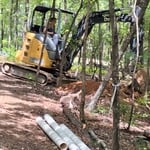
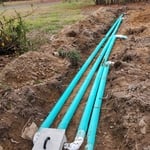
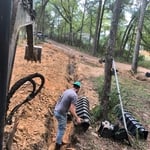
Mahan Septic Systems and Dirt Work
5.0(
4
)
Building Site - Preparation and ClearingBuilding Site - Preparation and Clearing - For BusinessExcavation - Major Grading or Resloping+2 more

Serving Holland, AR and surrounding areas

In business since 2001

Free estimates

Emergency services offered

"Very well. Clint was very professional and helpful. We originally had a different septic company out who could not locate the septic tank and still charged us. Clint came in and found the septic tan uk, checked it for us, followed up and did not charge an arm and a leg. I refer him to all of my clients now."
Tree House
New Install
System Installs
Sparkman-Demo
Malvern-Site Prep & System Install

+35

Recommended by100%of homeowners
Showing 1-10 of 31
Excavating questions, answered by experts

The best type of soil to build on is a mixture of sand and clay, known as loam soil. Loam soil has the best combination of these soil types to build a foundation on. The clay particles help with water retention, so it won’t erode like sandy soil might, and the sandy particles help with drainage, so you won’t see unsafe soil expansion or have an increased risk of leaks from water sitting against your foundation.

Downspouts should be buried at least 5 to 10 feet away from your foundation. This can vary depending on your local building codes, soil type, and property slope. The main goal is to ensure water is directed away from your foundation.

Septic drain lines (or leach lines) are typically buried between 18 and 36 inches underground, and should be at least 6 inches below the surface. These pipes are perforated and surrounded by filtering materials like sand or gravel. Burying the lines at this depth helps minimize odors and allows bacteria and other biological processes in the soil to effectively treat the wastewater. Burying lines too close to the surface can cause issues unless the soil is very compact and stable.

Slab foundations are more affordable than crawl spaces because they require minimal excavation, as the slab sits directly on the ground or on footers that only sink a few feet into the ground. Crawl spaces require excavation of the entire footprint of the home to several feet below the surface. Not only does that mean higher labor costs, but more materials are necessary for the concrete foundation walls.

No, fire blight does not survive free in the soil but instead is carried through insects, animals, rain, or wind during the spring. Keep in mind that it can also spread on tools, which is why you should always disinfect them in between cuts.

The Holland, AR homeowners’ guide to excavation services

From average costs to expert advice, get all the answers you need to get your job done.