








Top-rated septic tank pros.

Get matched with top septic tank pros in Earle, AR

Enter your zip and get matched with up to 5 pros

Need a pro for your septic tank service project in Earle, AR?

Select your specific project to find the pro for you.

Find Septic tank pros in Earle

Avatar for American Home Shield – Home Warranty
American Home Shield – Home Warranty
3.5(
5,688
)
Septic System - Install or ReplaceSeptic System - Install or Replace - For BusinessSeptic System - Repair+3 more

Serving Earle, AR and surrounding areas

In business since 1971

Credit card accepted

"I just pay $75 you never know who's going to come out. They do everything electrical. Just about everything is covered except the septic tank. I had an air conditioner replaced. It went great, all I had to do was pay for the freon. He didn't charge e more than what was needed."
Additional Photos
Additional Photos
Additional Photos
Additional Photos
Additional Photos

+2

Recommended by65%of homeowners
NEA Construction, LLC
5.0(
1
)
Septic System - Install or ReplaceSeptic System - Install or Replace - For Business

Serving Earle, AR and surrounding areas

In business since 2003

Free estimates

Offers commercial services

We take great pride in our experience, expertise, quality, and customer service that we provide to meet the consumer's needs. It is our mission to provide excellent workmanship and complete customer satisfaction from start to completion of a project. In order to understand the needs and expectations of our customers, we take great care to work and communicate with every customer in a professional manner. Our reputation is based on service, safety, and quality, regardless of how large or small the job

Response time50 mins
Recommended by100%of homeowners
Mullins Plumbing
New to Angi
Septic System - Repair

Serving Earle, AR and surrounding areas

In business since 2019

Free estimates

Credit card accepted

Mullins Plumbing is committed to excellence in every aspect of our business. We uphold a standard of integrity bound by fairness, honesty, and personal responsibility. Our distinction is the quality of service we bring to our customers. Accurate knowledge of our trade combined with ability is what makes us true professionals. Above all, we are watchful of our customers' interests and make their concerns the basis of our business.\n

Septic Tanks questions, answered by experts

The efficacy of a drain field depends on a wide variety of factors, though a well-maintained one can last as long as 40 or 50 years. Of the different types of septic tanks on the market, concrete and plastic tanks tend to last the longest—upwards of 40 years if they’re pumped regularly—while steel tanks have a tendency to rust over time and may need to be replaced after 15 or 20 years.

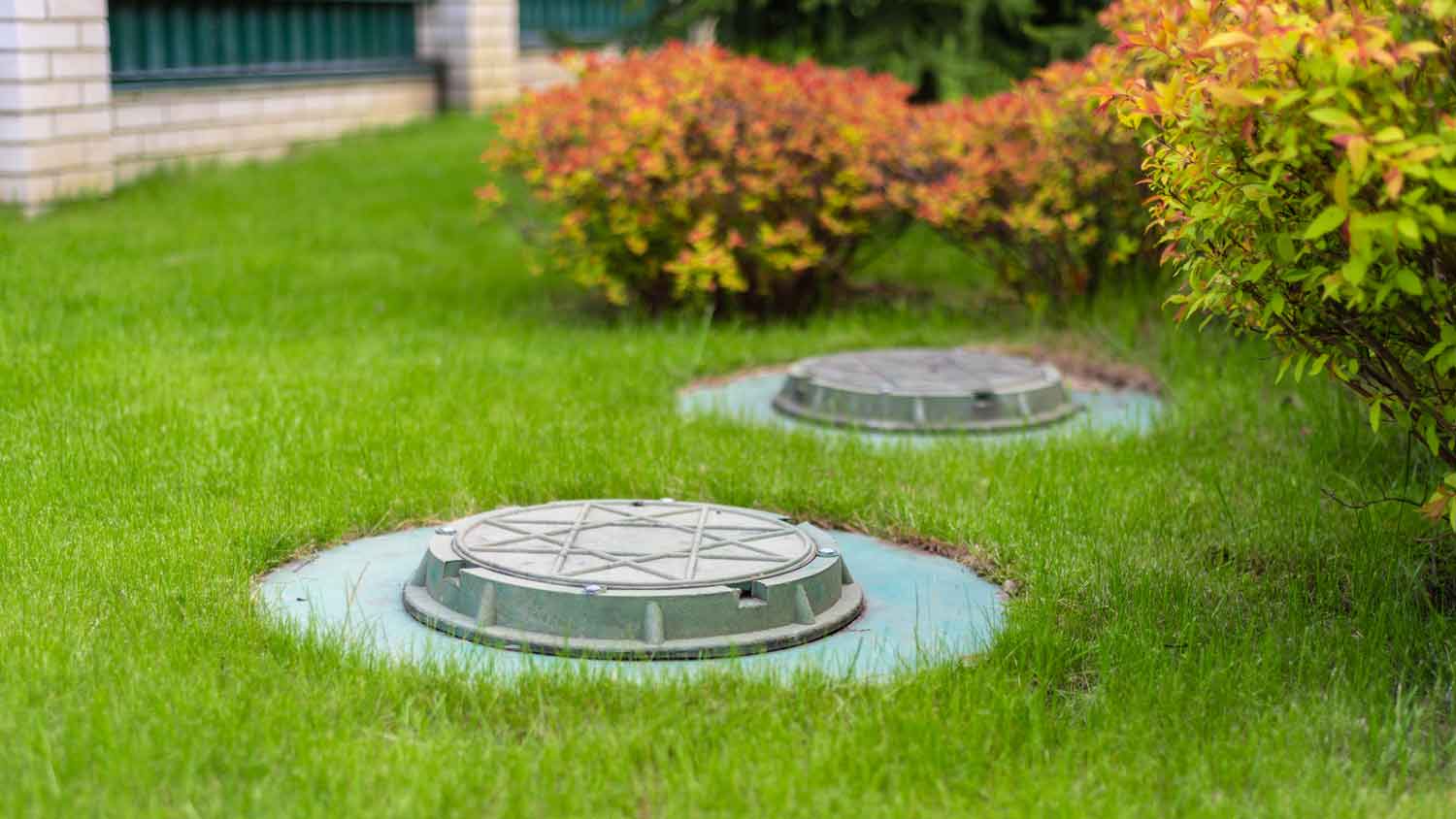
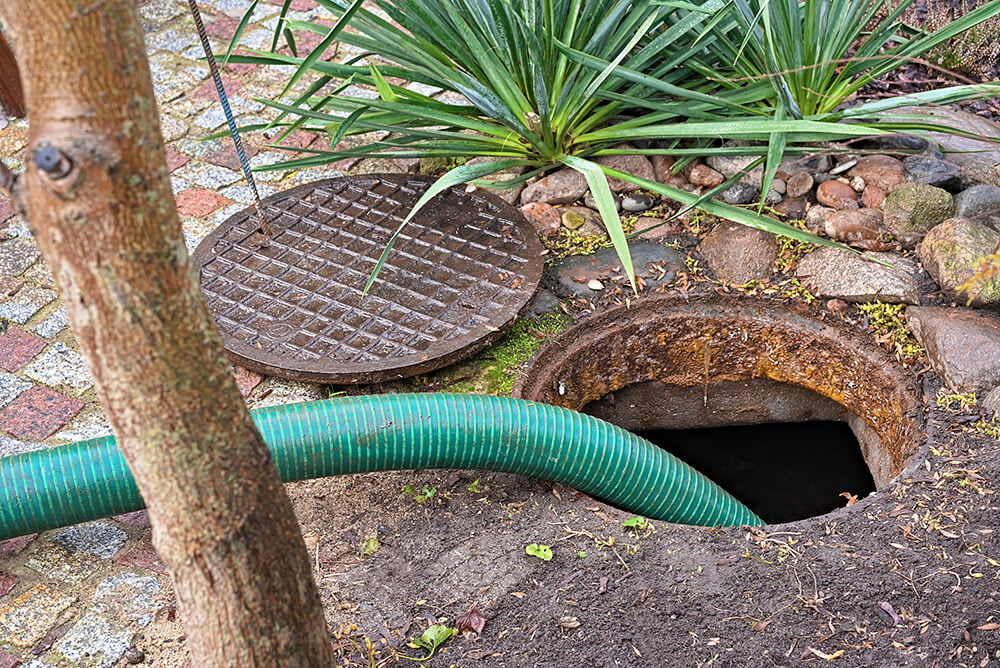
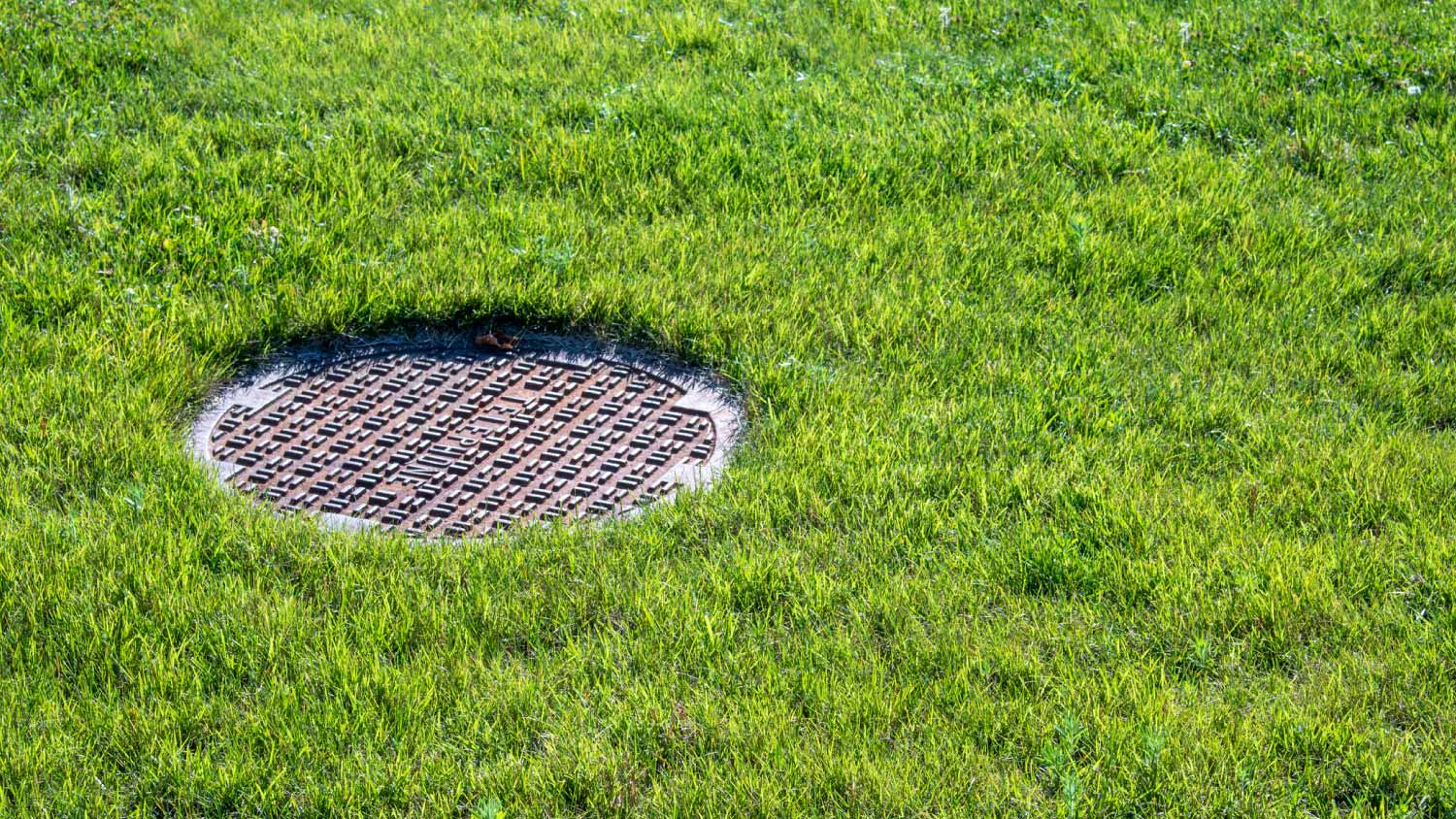
Start by finding the septic tank, marked by an access lid near your home. From there, the drain field extends outward in a series of trenches. Look for greener, lusher grass, as drain fields promote plant growth due to moisture and fertilizer. You can also check property records, use a soil probe to detect damp soil, or hire a septic professional with ground-penetrating radar equipment to map the drain field’s location.

Unlike an urban sewer system that runs wastewater into a central drainage system, septic tanks are a house-by-house system. They are the ultimate destination for all your house’s wastewater—from bathtubs, showers, sinks, toilets, and washing machines. Wastewater flows into a tank buried in the ground outside your home, and then water runs from the tank to a drainage field using sloped pipes.

For homes with a septic tank, harsh chemicals like those found in drain cleaner or bleach aren’t recommended. Some chemical drain cleaners can disrupt the balance of bacteria in the septic tank or damage your pipes. For homes with a septic tank, you can choose drain cleaners specifically formulated for use with septic tanks or go with a drain snake. When in doubt, make sure you know who to call for a clogged drain. 

Septic drain lines (or leach lines) are typically buried between 18 and 36 inches underground, and should be at least 6 inches below the surface. These pipes are perforated and surrounded by filtering materials like sand or gravel. Burying the lines at this depth helps minimize odors and allows bacteria and other biological processes in the soil to effectively treat the wastewater. Burying lines too close to the surface can cause issues unless the soil is very compact and stable.

The Earle, AR homeowners’ guide to septic tank services

From average costs to expert advice, get all the answers you need to get your job done.