







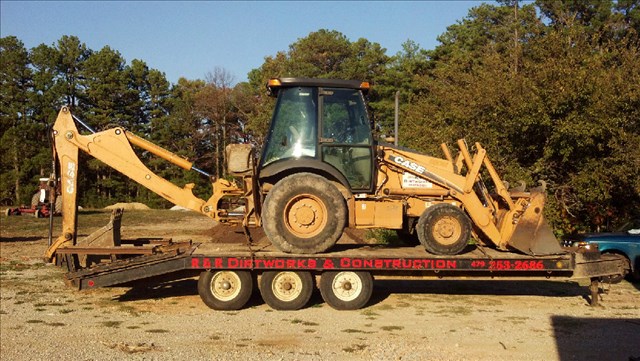
R&R Dirtworks
Septic System - Install or ReplaceSeptic System - Install or Replace - For BusinessSeptic System - Repair+3 more
Serving Keiser, AR and surrounding areas



Recommended by100%of homeowners
*The Angi rating for Septic Tank Service companies in Keiser, AR is a rating based on verified reviews from our community of homeowners who have used these pros to meet their Septic Tank Service needs.
*The HomeAdvisor rating for Septic Tank Service companies in Keiser, AR is a rating based on verified reviews from our community of homeowners who have used these pros to meet their Septic Tank Service needs.
Last update on March 31, 2026
Serving Keiser, AR and surrounding areas

Serving Keiser, AR and surrounding areas
In business since 2008
Emergency services offered
Credit card accepted
"Well. Only problem was delay in response time after claim was filed online. Water tank started leaking Thanksgiving morning and no reply until I called the Regional Manager."
Serving Keiser, AR and surrounding areas
In business since 2008
Free estimates
Credit card accepted
"Great company. We use them for all of our septic and excavation needs!"

Serving Keiser, AR and surrounding areas
In business since 1971
Credit card accepted
"I just pay $75 you never know who's going to come out. They do everything electrical. Just about everything is covered except the septic tank. I had an air conditioner replaced. It went great, all I had to do was pay for the freon. He didn't charge e more than what was needed."





+2
Serving Keiser, AR and surrounding areas
In business since 2003
Free estimates
Offers commercial services
We take great pride in our experience, expertise, quality, and customer service that we provide to meet the consumer's needs. It is our mission to provide excellent workmanship and complete customer satisfaction from start to completion of a project. In order to understand the needs and expectations of our customers, we take great care to work and communicate with every customer in a professional manner. Our reputation is based on service, safety, and quality, regardless of how large or small the job
Serving Keiser, AR and surrounding areas
In business since 2021
Free estimates
Credit card accepted
We put on 30 year roofs and will not leak!
Serving Keiser, AR and surrounding areas
In business since 2019
Free estimates
Credit card accepted
Mullins Plumbing is committed to excellence in every aspect of our business. We uphold a standard of integrity bound by fairness, honesty, and personal responsibility. Our distinction is the quality of service we bring to our customers. Accurate knowledge of our trade combined with ability is what makes us true professionals. Above all, we are watchful of our customers' interests and make their concerns the basis of our business. \n
Serving Keiser, AR and surrounding areas
In business since 2010
Free estimates
PF Plumbing and Remodeling LLC, has been in business for several years and would love the opportunity to show you what experience and expertise can mean for the overall value of your project. Call today! \n
From average costs to expert advice, get all the answers you need to get your job done.

If it’s been there for a while, it can be hard to find the septic tank in your yard. Learn how much it costs to locate a septic tank with this guide.
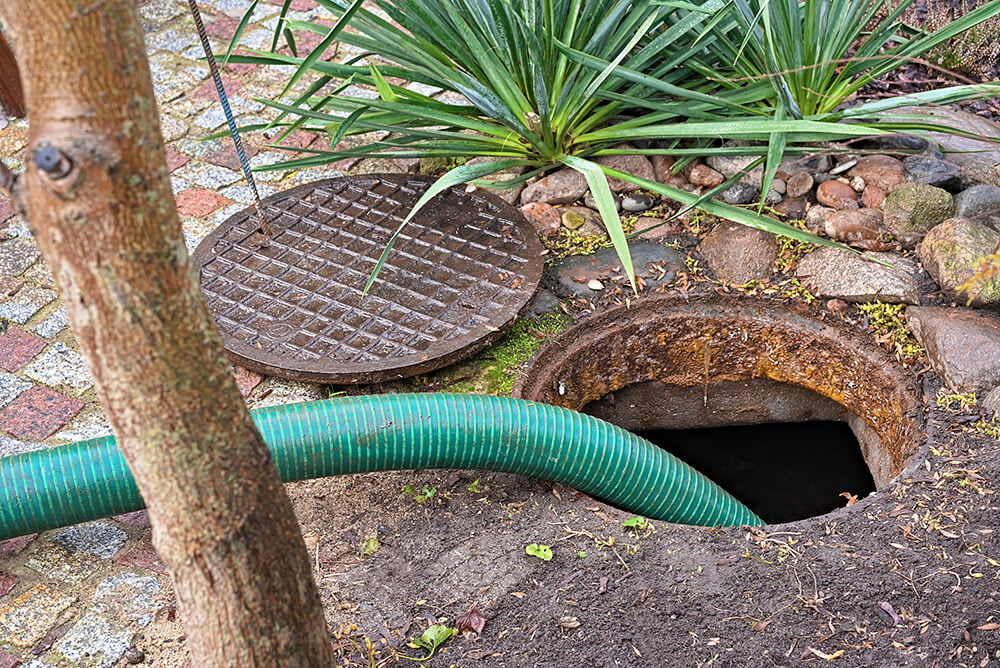
Caring for your septic system is crucial to ensuring its long life. But how much does it cost to pump a septic tank? We explore the different cost factors.

It’s crucial to install a septic tank with the right volume to avoid wastewater backups. This guide will help you calculate the right septic tank volume.

Septic tank sizes vary depending on the size of your home, how many people live there, how much water you use, and more. Read on to learn how to determine the right size for you.

If you’ve never lived in a house with a septic system before, you might be wondering: Are septic tanks bad? Here are some of the pros and cons.

Want to learn how to build a septic tank for your rural or off-grid property? First, check your local laws, then dive into these general guidelines.