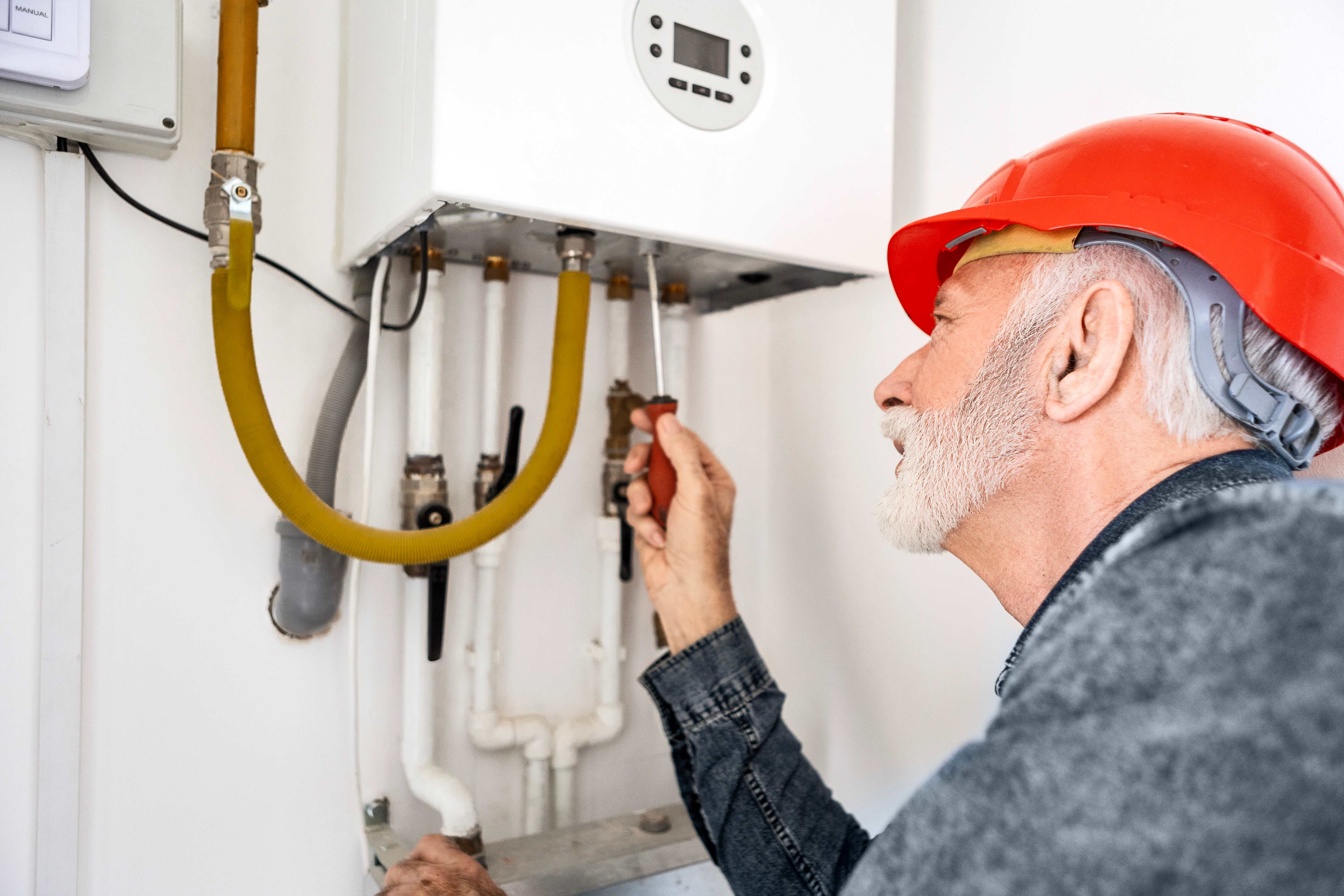
"My hot water heater stopped working. As it was 8 years old, I thought I would have to buy a new one. But when Guy from Anchorage Plumbing & Heating arrived, he said he could fix it, and he did. I have hot water again, and I didn't have to buy a new one. Saved me a lot of money. This is the company I will use from now on for plumbing and heating problems."
"Moore removed and replaced my water heater in mid November. First class work performed and no issues with it since. Had the duct work cleaned for the first time and while pricey worth knowing they’re clean of debris."
Traditional gas or electric water heaters last an average of six to 11 years. However, with excellent maintenance, they can last up to 15 years. Heat pump water heaters, on the other hand, last an average of between 12 and 15 years and potentially longer with proper maintenance. In both cases, your home's water quality can be a determining factor regarding the lifespan of your water heater.
Several things can void the warranty for your water heater. Many water heater manufacturers state that installing your own will void the warranty. However, even if you get away with performing the task yourself, incorrect installation, lack of a building permit, and improper repair work, regardless of licensing status, can all render your water heater unprotected by both the manufacturer's warranty and any installation warranties.
You can use multiple tankless water heaters, but that doesn’t mean you should. Adding multiple tankless heaters adds considerable cost to your home in both parts and installation costs. Also, you’re adding many more points of failure in the system, making plumbing issues harder to diagnose. More heaters mean more maintenance, and insurers may want a word regarding the increased risk of water damage. A single, larger unit makes more sense in most situations.
If you have a tank-type electric water heater, it runs regularly to keep the water at the desired temperature. If you live in a home where you don’t use much hot water, it could seem wasteful to run power to heat water that you’re using infrequently. You could save some power by using a smaller tank, insulating the tank, or lowering the temperature of the water heater.
Every type of water heater has its advantages and disadvantages. Understanding those can help you decide the best type for your situation and budget.
Pros
Safer than gas or propane
Doesn’t require extensive venting systems
Lower upfront costs
Simpler to operate
No pilot light
Easier installation
More efficient heating than gas models
Available as point-of-use (POU) and whole-house units
Cons
Slower to heat water
Longer recovery time
Possibly higher operating costs
Doesn’t work during a power outage
Costs can increase without a 240-volt connection
The Wrangell, AK homeowners’ guide to water heater services
From average costs to expert advice, get all the answers you need to get your job done.
Looking to replace or upgrade your water heater? Use this water heater replacement cost guide to see what the work will cost and what factors affect your total.
A water heater flush costs $160 on average but can vary based on the unit size, type, labor, location, and more. Keep reading to learn how much you could pay.
Find out the average tankless water heater repair cost, what impacts pricing, and how to save. Get expert tips to plan your repair budget with confidence.
Who can install a water heater for you? Look to hire a water heater installation pro or a licensed plumber for this job because of the challenges involved.
The average lifespan of water heaters is 6 to 15 years for conventional models and up to 20 for tankless ones, but it can be less if they are not properly maintained.