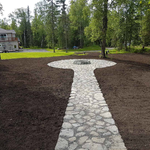
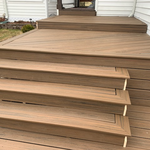
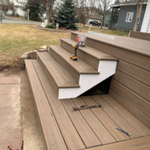
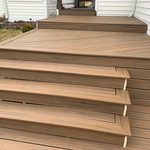
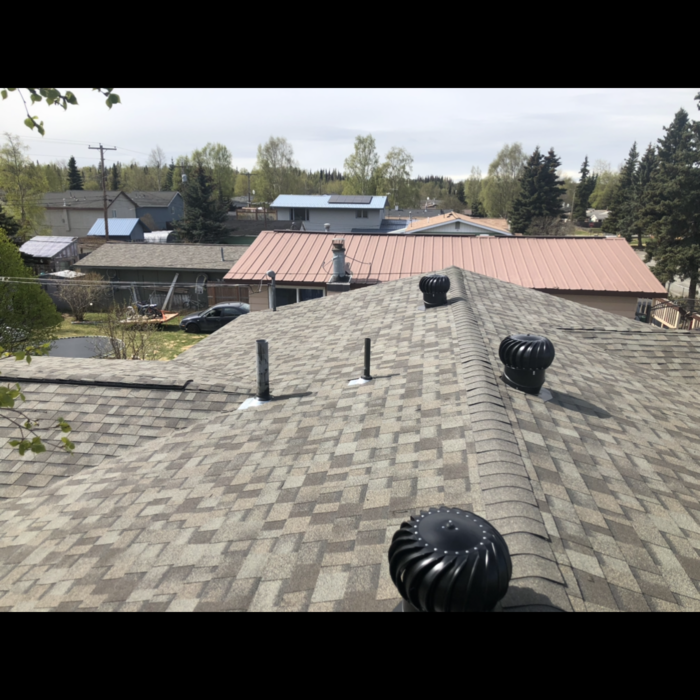
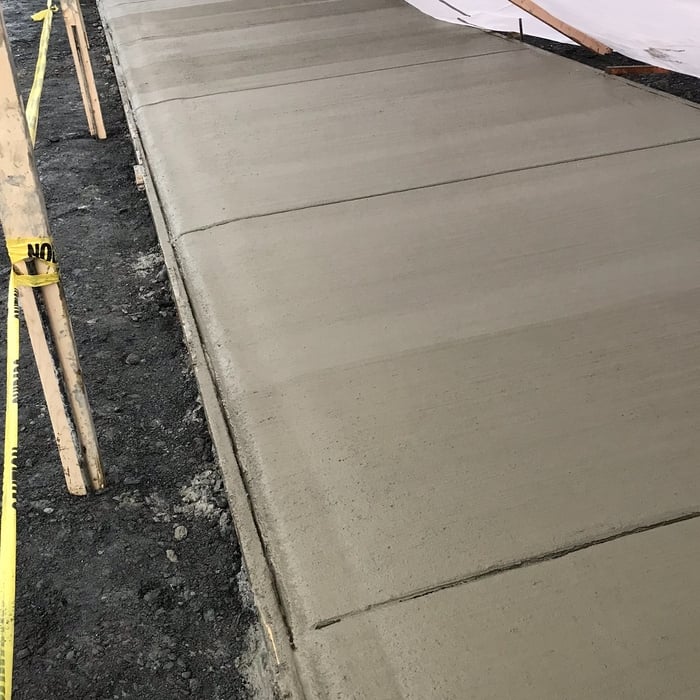
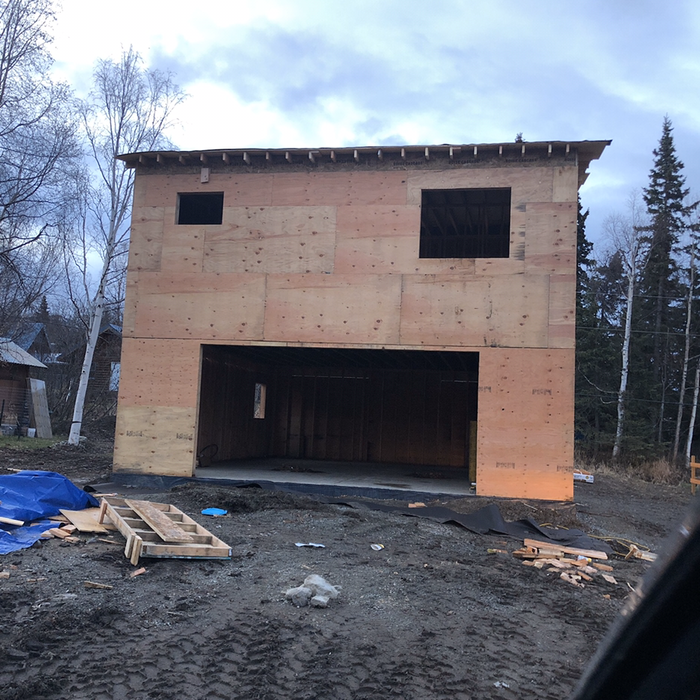
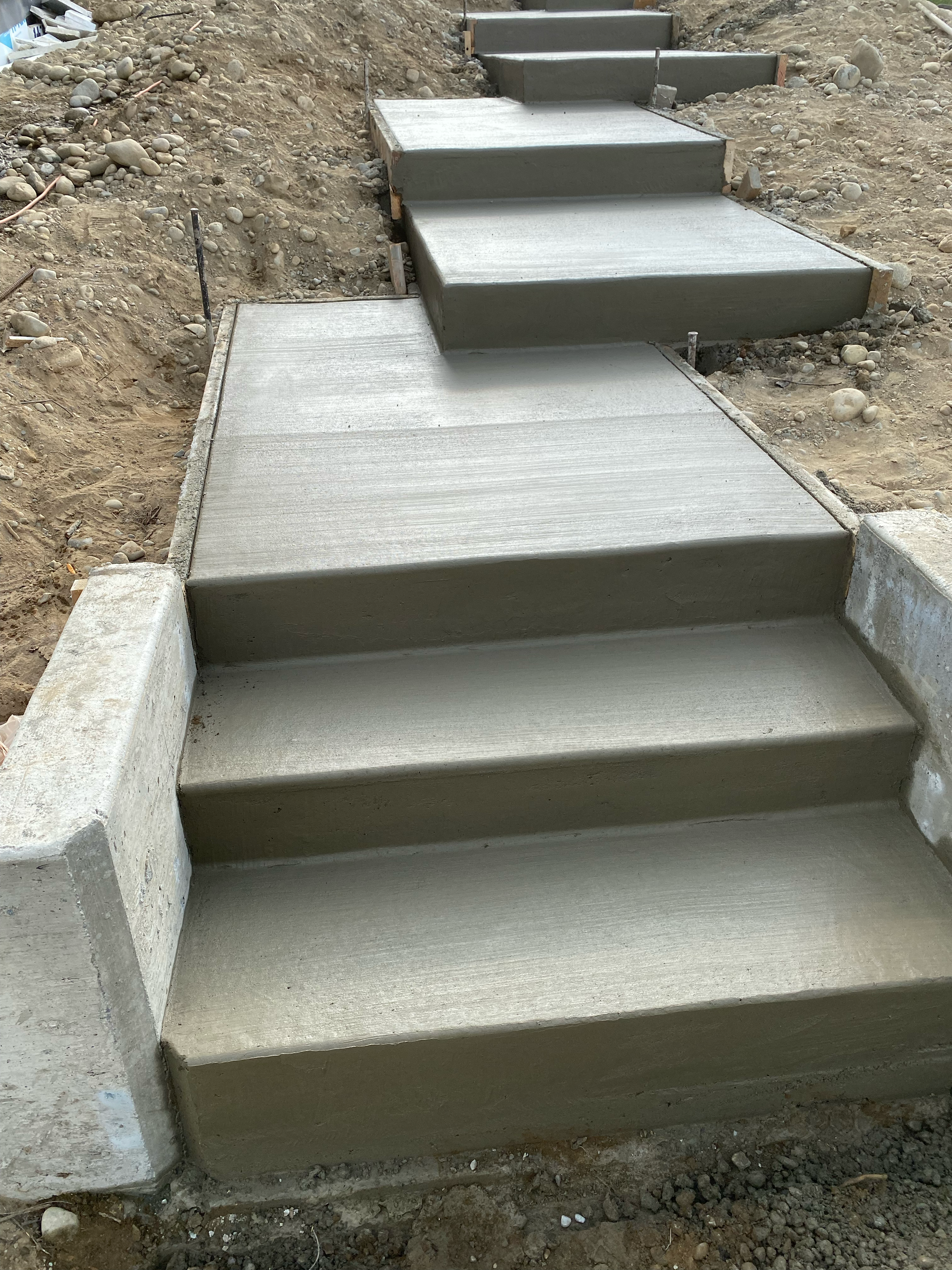
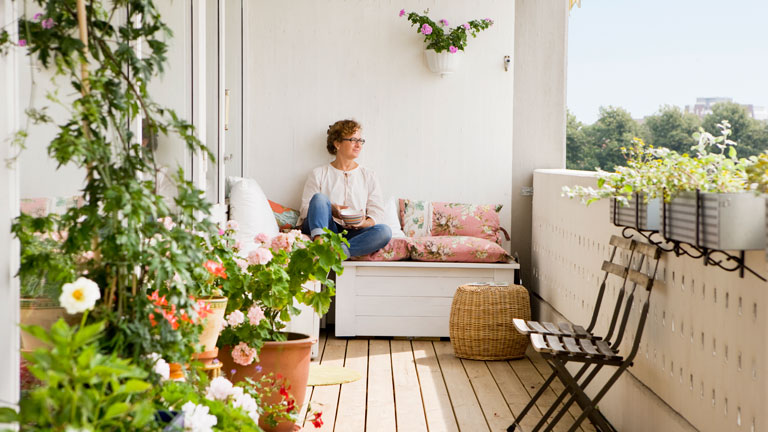
"They did an amazing job on my new porch. This was the only company that detailed the proposal so everything was in writing. Ross, the owner, was easy to communicate with and also provided clear communication on what he was doing. It’s a smaller business than the big porch companies in town but the craftsmanship was exceptional. I’m extremely happy with everything they did and will use them for other projects in the future."
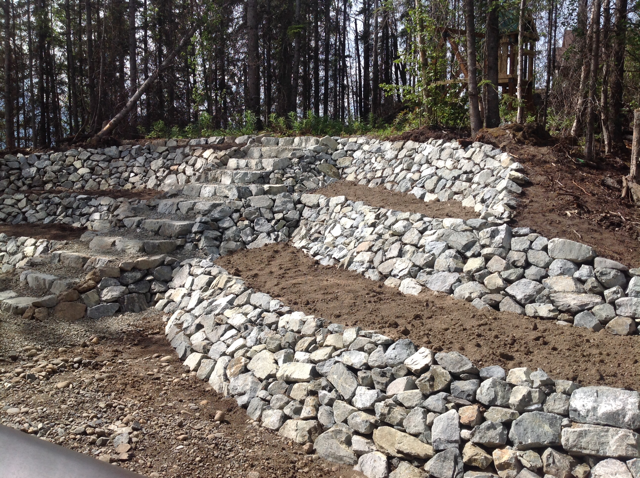
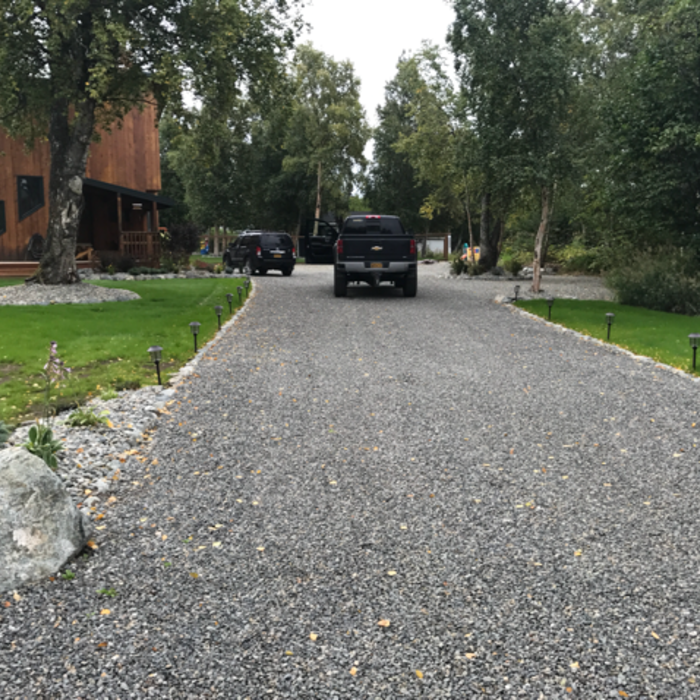
"Russ and his crew did an outstanding job. The rock retaining walls are exactly what we wanted and the yard was re-contoured and landscaped for erosion control. Very good crew, fast and very courteous. We were lucky to have the work done at the beginning of summer. Overall one of the smoothest job we had had done. Highly recommend them for anything that needs extra attention to detail."
"From start to finish there was amazing communication, follow up, and service in general. Will hire them again and will spread the work. These guys were awesome!"
"David is wonderful. He did a terrific job on a house with many windows on various levels. I have recommended him to my neighbors and will use him again this coming summer."
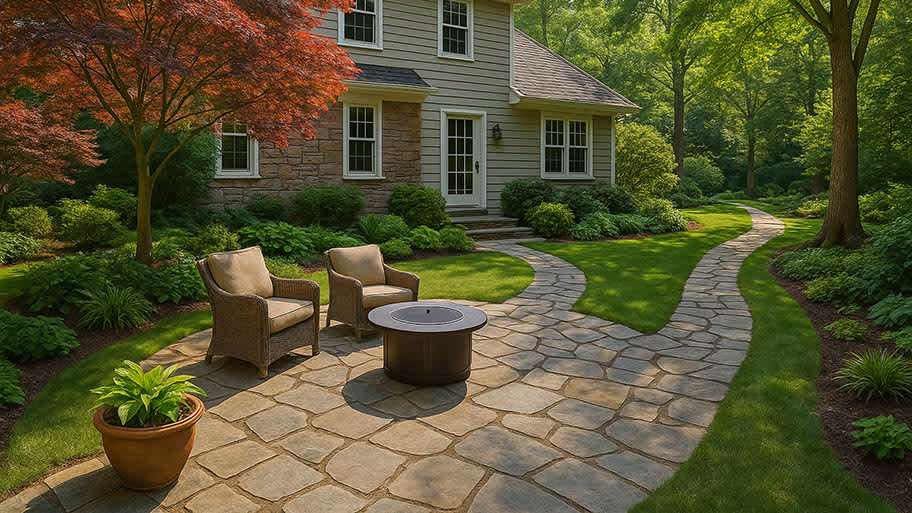
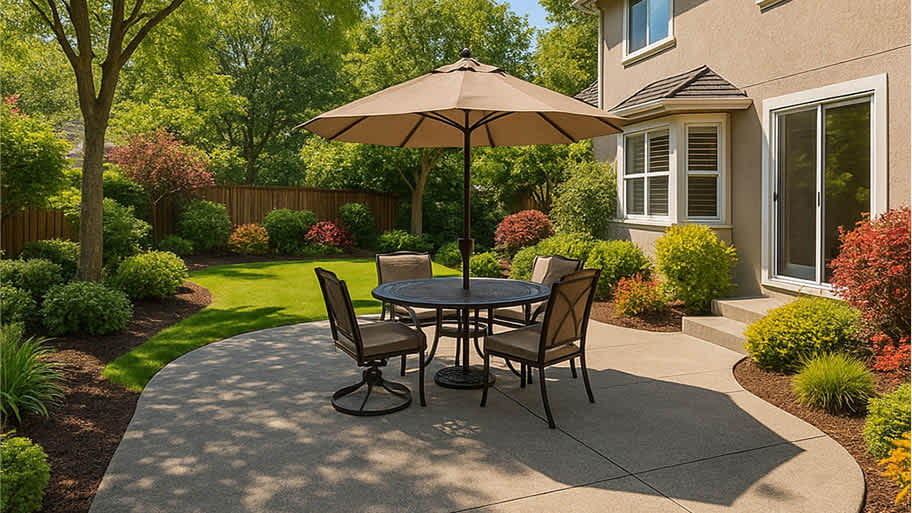
Your maintenance needs revolve around the type of foundation you choose, as well as how you furnish or decorate it. Patios require little else other than the occasional hose-down, but decks and other wooden structures will require annual power washing and sealing. You may also need to restain the wood every two to three years.
Adding a solid roof rather than building a pergola or leaving the space open will make maintenance much easier. Without a roof, you will need to spend more time sweeping, washing, and covering your furniture to protect it from UV bleaching.
Whether it's better to add a sunroom or a regular room to your home depends on your goals. If you need extra bedrooms, building rooms with four standard walls makes more sense than adding a sunroom. If you don't need extra sleeping areas but would like to expand the living space of your home, a sunroom makes sense.
A lanai is a covered patio with open walls, while a Florida room has sides made of mesh screens or windows, with or without partial low walls. In addition, lanais often use concrete or other patio flooring, while Florida rooms may have more indoor-style flooring like tile or wood. Both allow you to enjoy the outdoors without being in the direct sun, but a lanai doesn’t offer any barrier against insects or debris.
Yes, enclosing a patio to create a sunroom or three-season room is often a good idea that adds value to your home. This project increases your home's usable square footage and creates a versatile space for relaxing or entertaining that is filled with natural light and can be used in various weather conditions. Homeowners may see an average return on investment (ROI) of around 70%. The final value added will depend on factors such as the quality of the materials, the level of finish, and the amount of yard space that remains after the enclosure.
If you want to hire a professional to build a screened-in porch, a local sunroom or porch contractor is your best bet. If you can't find a local sunroom builder, another option is to consider hiring a general contractor to perform the work.
If you're handy, you may consider building the porch yourself. Before you do so, make sure you understand the local permit requirements and building codes so that you don't have any problems with the safety or structure of the porch.
The Wrangell, AK homeowners’ guide to patio services
From average costs to expert advice, get all the answers you need to get your job done.
Make your patio a calm retreat or a tropical getaway with these 11 best patio plants. Many varieties do well in the shade, while others prefer full sun. You’ll find pet-friendly patio plants and fruits you can use in your favorite recipes.
Deck vs. patio — what’s the difference and which one is the better choice? Dive into the pros, cons, and more, and make the perfect decision for your home.