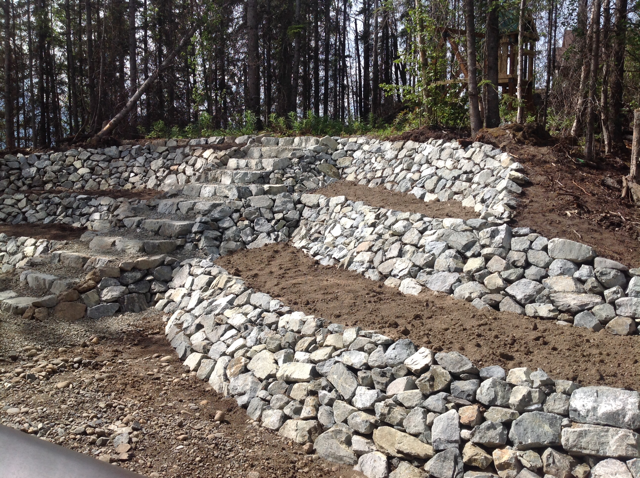
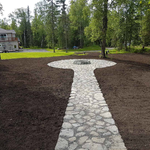
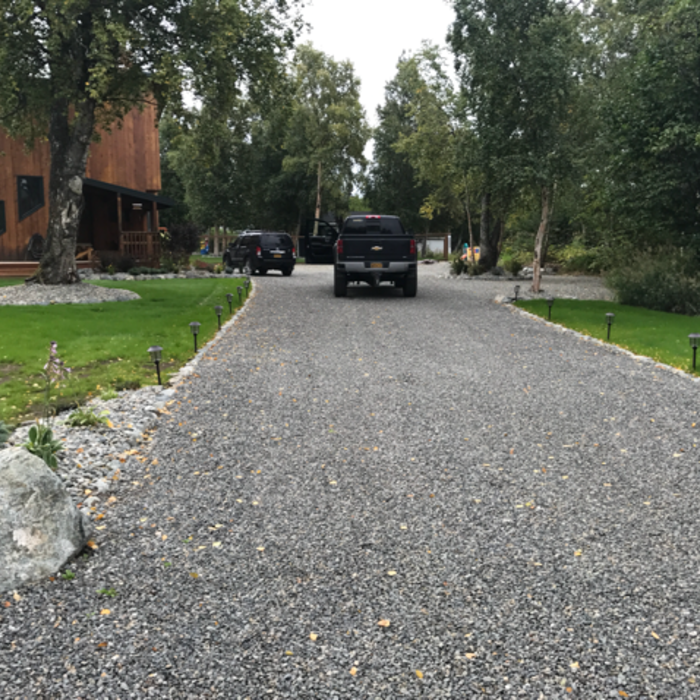
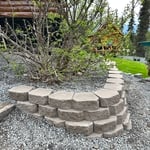
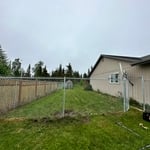
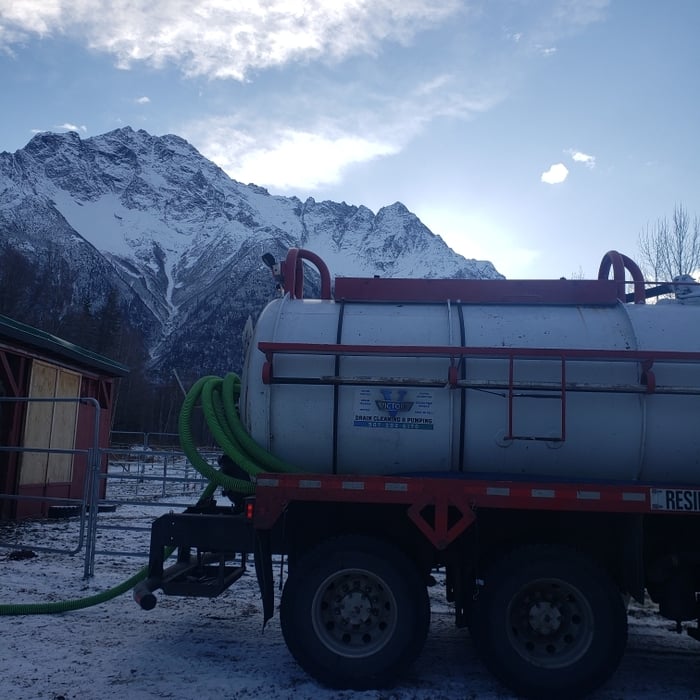
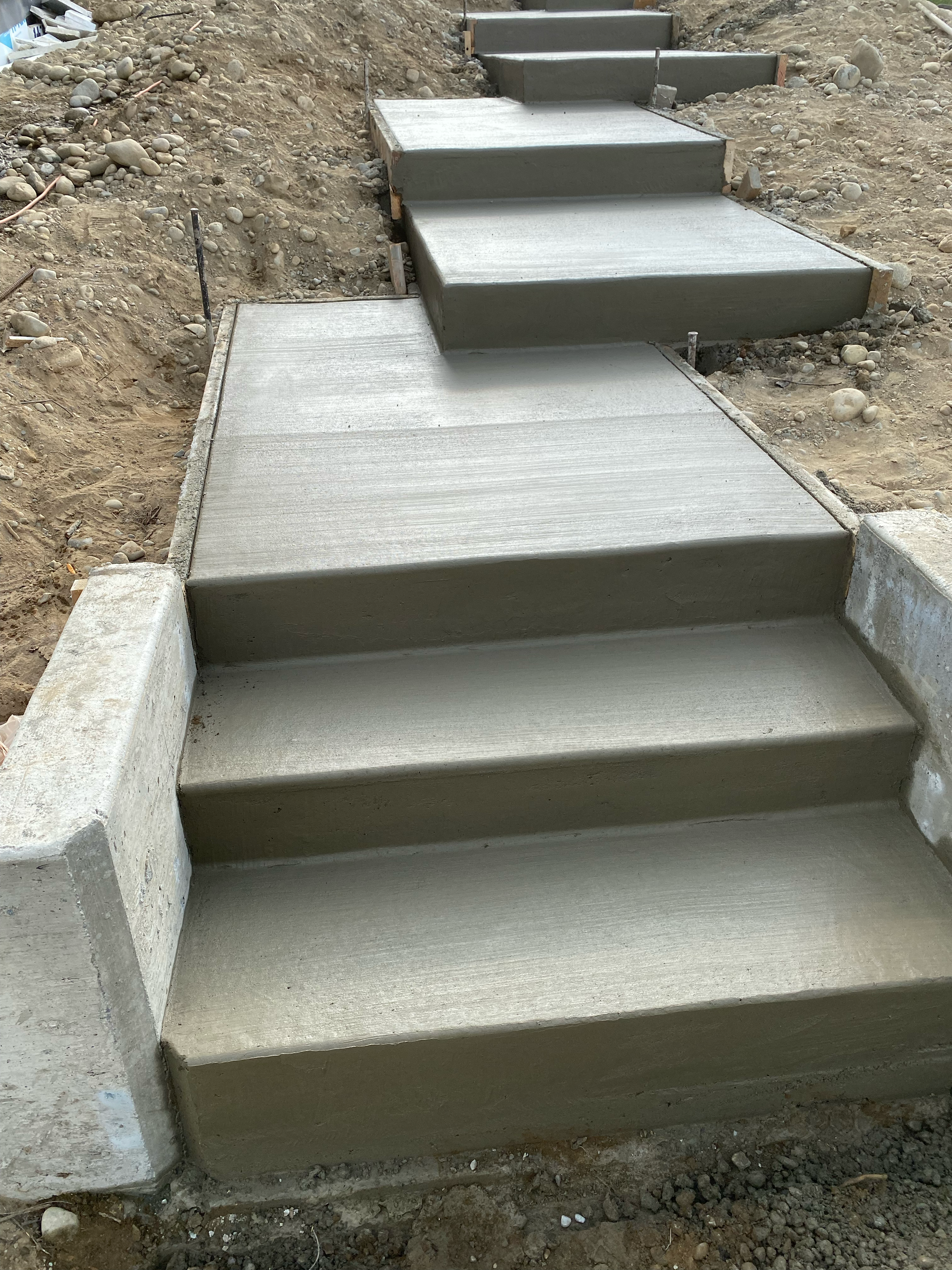
"They did a very fine job! They did what they say they're gonna do. They're on time , on budget and excellent. I would recommend them to anybody anytime."
Arctic Excavators LLC is an Alaskan and Service Disabled Veteran Owned civil site work and excavating contractor. This family founded company has worked throughout the state of Alaska on both residential and commercial civil construction and excavation projects since 1970. Give us a call today for help with your next project!
Consultation with the local government helps identify necessary permits, avoid project delays or legal issues, and protect project integrity.
No, fire blight does not survive free in the soil but instead is carried through insects, animals, rain, or wind during the spring. Keep in mind that it can also spread on tools, which is why you should always disinfect them in between cuts.
The easier way to find buried sprinkler lines is to use the plan from the professionals who installed the system. If you don’t have professional plans, listen for running water on your lawn when you turn on the system. You may also spot wet areas, giving you an idea of where the heads are. Once you find the sprinkler heads, you’ll likely be able to connect the dots between them, revealing the system below.
The cost to drill a well varies, with a national average of around $5,500 for a 150-foot well. However, prices can fluctuate significantly based on several factors, including your location, the required well depth, geological conditions, local regulations, and the specific drilling methods used. For the most accurate cost assessment, it is best to research and get quotes from local well-drilling professionals in your area.
Completion time ranges from days to weeks, contingent on project size, environmental conditions, and regulatory approvals.
The Craig, AK homeowners’ guide to excavation services
From average costs to expert advice, get all the answers you need to get your job done.
Excavation costs $1,500 to $6,300 for most residential projects—but it depends on factors like the size of the area. This guide will help you plan a budget.
You can't have an in-ground pool without digging into the ground. How much does pool excavation cost, and can you take it on yourself? Our guide explains.
Picking the right pro can make or break your project. Learn how to hire an excavation pro with the qualifications and skillset to do the job efficiently.