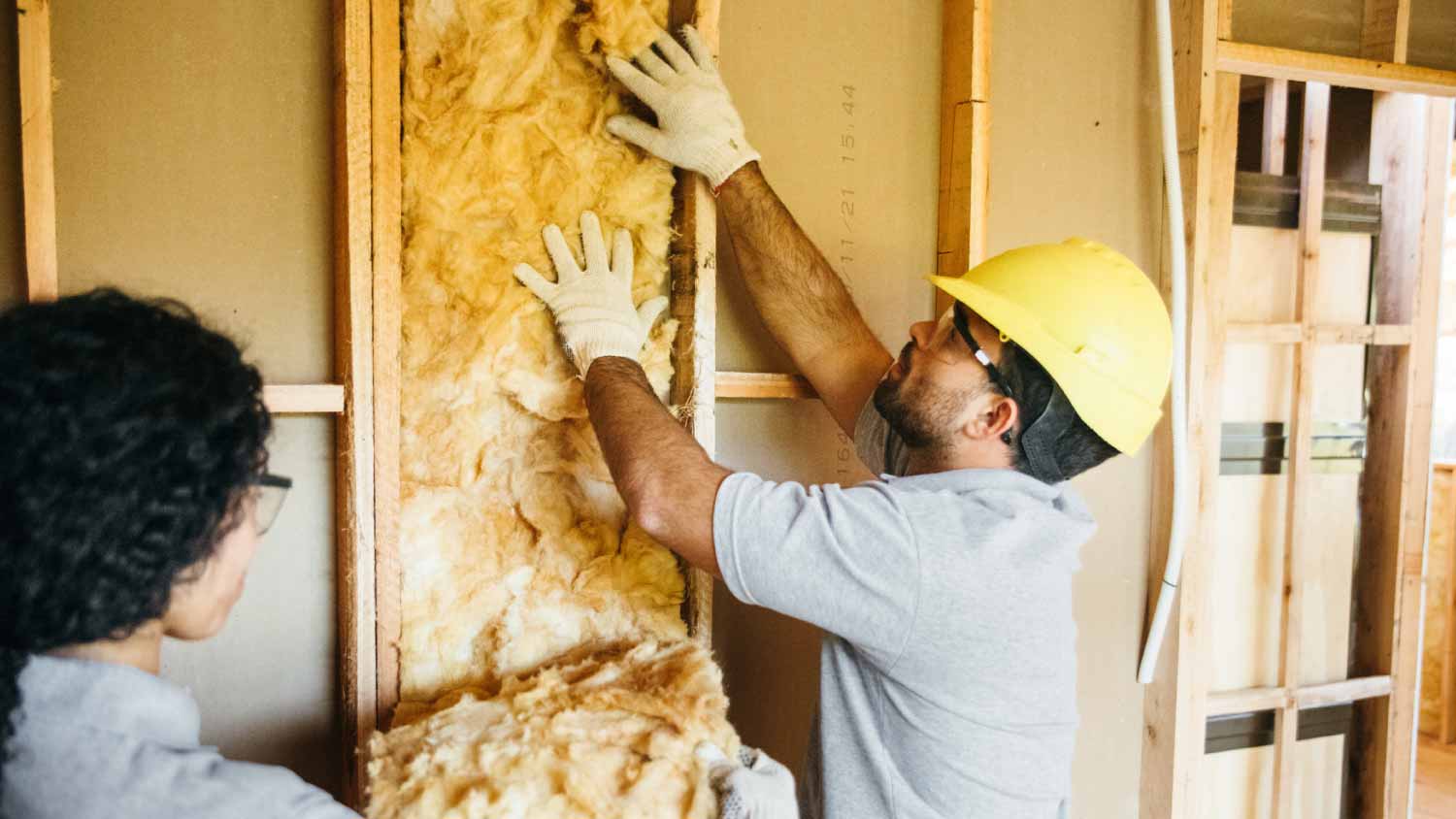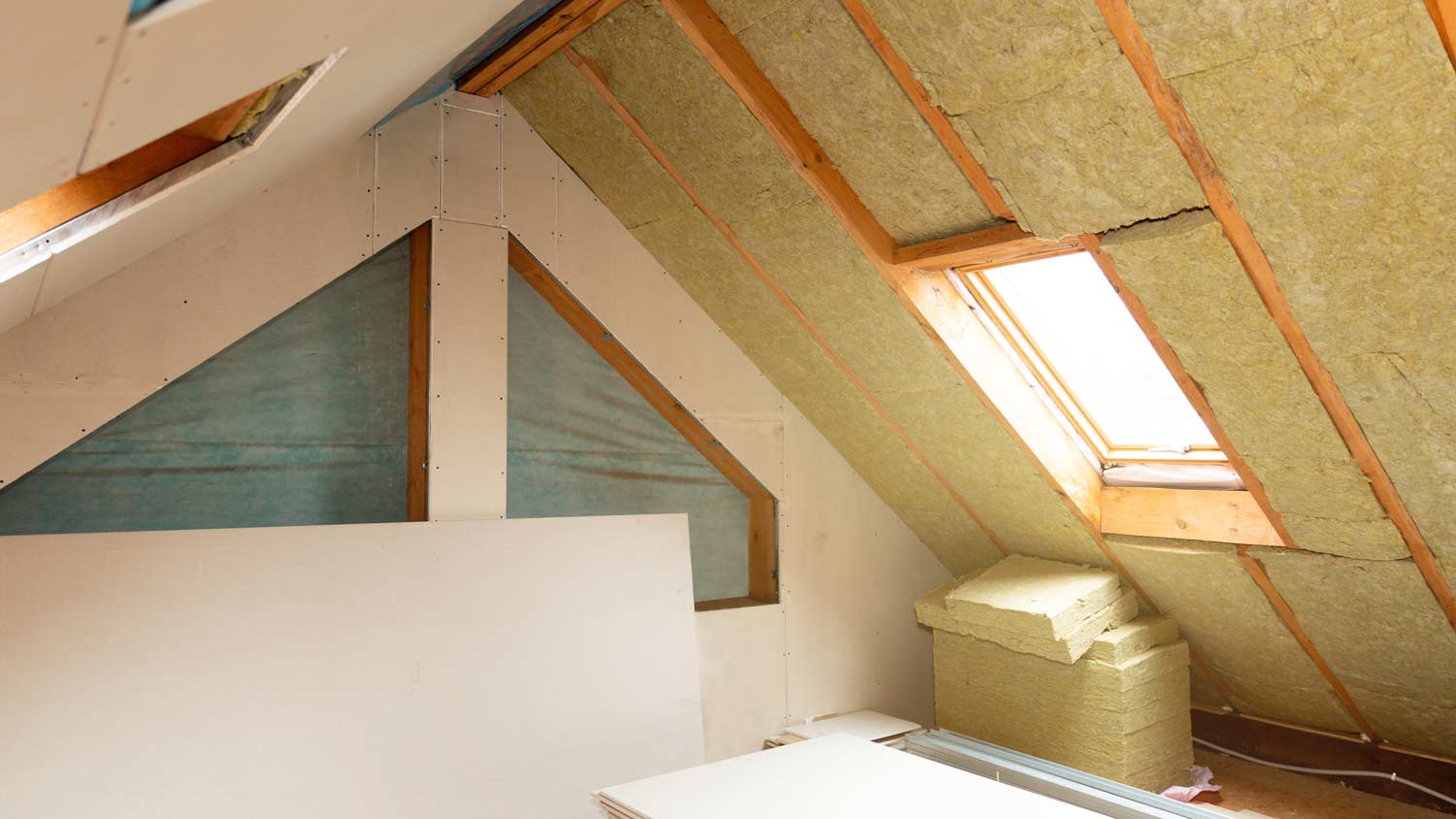




Top-rated drywall insulation pros.

Get matched with top drywall insulation pros in Kenai, AK

Enter your zip and get matched with up to 5 pros

Need a pro for your drywall insulation project in Kenai, AK?

Select your specific project to find the pro for you.

TRUSTED BY KENAI, AK HOMEOWNERS

  • Average homeowner rating star icon5
    Average homeowner rating
  • Verified reviews icon11
    Verified drywall insulation services reviews

Find Drywall insulation pros in Kenai

Avatar for Turnagain Spray Foam
Turnagain Spray Foam
5.0(
8
)
Blown-In Insulation - Install or Upgrade

Serving Kenai, AK and surrounding areas

In business since 2024

Free estimates

Small jobs welcome

"Great locally owned company. Quick to come take a look at what I needed done and started on the job right away. Prices are very competitive. Really professional and clean. Would highly recommend and will be using them again."
Wasilla Spray Foam Shop
Response time1 day
Response rate100%
Drywall Insulation questions, answered by experts

The easiest way to cut holes in drywall for electrical boxes is to use a spiral saw with a drywall router bit. Hang the drywall without cutting out a hole for the box, but make sure you measure and mark where the box is located on the wall. Once you screw in the drywall sheet, drill a small hole into the box void, insert the spiral saw bit, and move it around the edge of the box using the inside wall as a guide. You can also use an oscillating multi-tool with an electrical box cutout for fast, professional results.

Drywall tape is made of paper, while drywall mesh is made of fiberglass or metal. Drywall mesh patches are suitable for repairing small holes in drywall, while paper drywall tape holds a crease better for corners. You need joint compound to adhere drywall tape to the wall, while mesh patches may be self-adhesive.

You can repair plaster ceilings yourself after the cause of the ceiling damage has been addressed. However, the repair can easily take 5 hours and can be slightly challenging for those without previous experience. If you do decide to flex your DIY muscle, have a helper to help hold the ladder and pass you the tools for safety purposes.

Cracks, water damage, and holes from fixtures or impact.

Although they have similar applications, spackle and joint compound are not the same. Their primary differences lie in their composition, consistency, and ideal use cases.

Spackle is composed of gypsum and binding agents, making it thicker than joint compound. It dries quickly and is easy to sand, which makes it ideal for small wall repair projects like filling nail holes or patching minor damage.

Joint compound, also known as drywall mud, consists of limestone and gypsum. It is primarily used for large-scale projects, such as taping and finishing the seams on newly installed drywall. It tends to shrink more than spackle and can be more difficult to spread.

While both products can be used to fill small depressions and cracks, spackle cannot replace joint compound for taping and mudding new drywall. Conversely, you can often use joint compound for small patching jobs typically done with spackle.

The Kenai, AK homeowners’ guide to drywall insulation services

From average costs to expert advice, get all the answers you need to get your job done.