

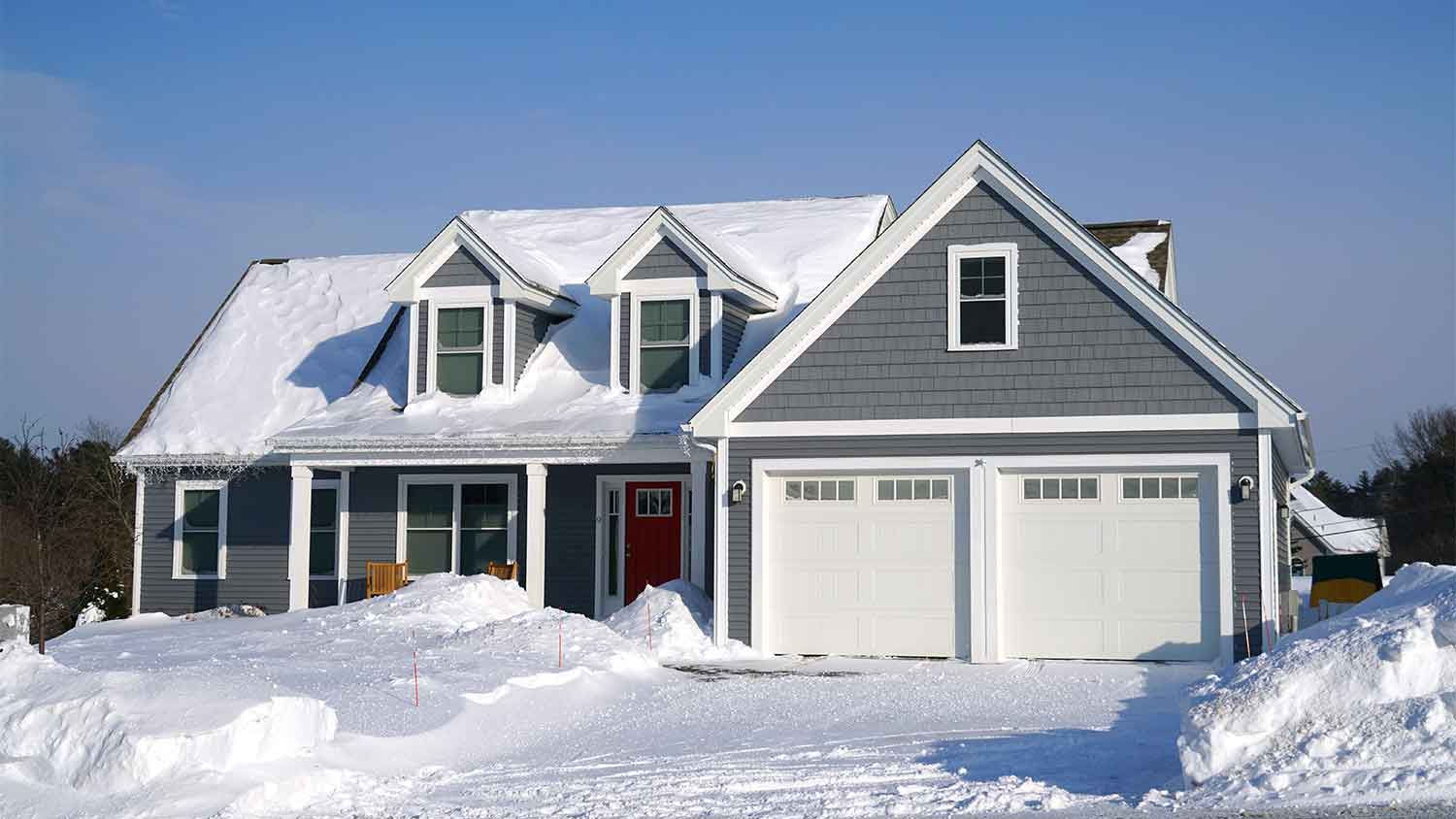
If you live in a climate that experiences harsh winters and summers, you should consider an insulated garage door. Learn what impacts the costs and how it can help save you money over time.
Garage service costs depend on your project and location. Check with a local pro for your specific job.

Garage insulation costs range from $1,900 to $7,700 for your project, with size and insulation type driving the total.
The insulation material you choose sets your R-value and efficiency, with fiberglass batts and closed-cell spray foam at opposite ends.
You should account for building permits ranging from $75 to $700 and potential drywall finishing costs when you create your budget.
Hiring a local insulation company ensures your garage insulation is installed correctly and helps prevent moisture that reduces efficiency.
In 2026, the national average cost to insulate a garage is $4,700, with most homeowners spending between $1,900 and $7,700. Key cost drivers include the size of your garage, the type of insulation you choose, and whether you need permits (which range from $75 to $700) or drywall finishing.
The steps for insulating a garage are straightforward, but variations in size and the space's needs before, during, and after the project will all affect the total price. Insulation can add comfort and protection for your possessions, though it may also be a significant factor in the cost of a garage remodel. Below are the primary cost factors determining how much you'll spend on the project.
Preparation is not a major cost driver for most garage insulation projects, but older or damaged garages may require repairs before any insulation goes in. Wall and ceiling structures must be sound before covering them with insulation and a vapor barrier; any water damage, mold, or broken studs must be addressed first. Mold remediation costs an average of $10 to $25 per square foot, while framing repair runs $3 to $6 per linear foot. If your garage already has drywall, you can leave it in place and use blown-in insulation, or remove it and start fresh—expect to spend $100 to $300 per wall for drywall removal and disposal.

The size of the garage is one of the most direct drivers of your total insulation cost. Larger garages require more insulation coverage and longer installation times, which drive up both material and labor rates. Here’s how garage insulation costs break down by garage size:
| Garage Size | Average Cost Range in 2026 |
|---|---|
| Single-car | $600–$4,000 |
| Two-car | $1,500–$6,700 |
| Three-car | $6,000–$13,000 |
The specific scope of your project—from simple garage door upgrades to creating a full thermal envelope—will significantly impact your total costs. Adding insulation directly to an existing garage door costs $300 to $1,500, while installing new weatherstripping along the door and service entrances averages $200 to $600. For maximum climate control, insulating the garage ceiling averages $530 for materials, and installing a required vapor barrier adds $0.50 to $0.70 per square foot (note that batt and blown-in insulation require a separate barrier, whereas spray foam includes one). If you plan to replace the door entirely, remember to factor in full replacement and garage door installation costs before hiring a pro.
The table below breaks down the cost to insulate a garage based in project scope:
| Project | Average Cost (Per Square Foot) in 2026 |
|---|---|
| Weatherstripping | $6–$30 |
| Ceiling insulation | $1.11–$3.20 |
| Vapor barrier installation | $0.50–$0.70 |
Several types of insulation are available and appropriate for garage use, and the type you choose will determine both the R-value and the project's cost. Options range from budget-friendly fiberglass batts ($0.30 to $1.50 per square foot) to high-performance closed-cell spray foam ($2.60 to $8.00 per square foot), each with different efficiency and price trade-offs. Here’s how the most common garage insulation types compare on R-value and material cost:
| Type of Insulation | R-Value (Per Inch of Thickness) | Average Material Price (Per Square Foot) in 2026 |
|---|---|---|
| Fiberglass batt | 3.1–4.3 | $0.30–$1.50 |
| Mineral wool batt | 3.1–3.4 | $1.40–$4 |
| Blown-in fiberglass or wool | 2.2–4.3 | $1.50–$2.20 |
| Blown-in cellulose | 3.2–3.9 | $0.60–$2.30 |
| Rigid foam board | 3.8–7.9 | $2–$4 |
| Open-cell spray foam | 3.5–3.7 | $1.60–$5.50 |
| Closed-cell spray foam | 6.0–6.5 | $2.60–$8.00 |
| Reflective or radiant barrier | 3.5–5.5 | $0.60–$2.50 |
Whether you finish your garage insulation project by installing drywall or leaving the insulation exposed depends on how you plan to use the space. The cost of installing garage drywall will impact the overall project budget, but it improves both the appearance and functionality of the space. If you leave the existing drywall in place and add insulation behind it, the wall will need to be repaired once the project is complete. Here’s a breakdown of garage finishing costs by task:
| Finishing Details | Average Cost (Per Square Foot) in 2026 |
|---|---|
| Drywall installation | $1.50–$3.50 |
| Drywall repair | $50–$75 |
| Paint | $2–$6 |
Labor accounts for a significant portion of the cost of insulating a garage, with local insulation installers charging $40 to $80 per hour. Larger garages and more complex installations require more hours, which increases the total labor cost. If you also hire a drywall installer near you or a nearby painting company to finish the space, expect additional costs: drywall installation costs $1.50 to $3 per square foot, while painters cost $20 to $50 per hour.
Most municipalities require a building permit for garage insulation projects, and costs vary widely by state and community. Permit fees range from $75 to $700 depending on your location. Check with your local building department before starting the project to confirm what is required and avoid inspection issues.
Your home's location can affect the total cost of insulating your garage, though climate conditions alone do not significantly shift prices. Garages in colder regions may benefit from additional attic or ceiling insulation, which can slightly increase material costs. The more significant location variable is whether you live in a metro or rural area, since labor rates are typically higher in cities and suburbs than in rural communities.

The type, quantity, and placement of insulation all factor into the job's total cost, so understanding the best use for each material helps you make a smarter investment. Below are the best uses for various types of insulation.
With R-values between 3.1 and 4.3 per inch of thickness, fiberglass or mineral wool batt insulation is excellent for use in garage walls and ceilings. Thicker batts are common in garages with insulated attic floors. It's the least expensive yet effective type of insulation, starting at just $0.30 per square foot.
Fiberglass and wool insulation are available in batts, loose-fill, or blown-in forms. These compositions are material types rather than insulation types. Insulation containing these materials can have R-values ranging from 2.2 per inch of thickness to 4.3.
Spray foam insulation is available in closed- or open-cell forms, with open-cell foam being less expensive but also having a significantly lower R-value. Spray foam insulation is commonly used on walls and ceilings and doesn't require a separate vapor barrier.
Rigid foam insulation comes in a wide variety of types and thicknesses. R-values range from 3.8 to 7.9, depending on material and construction. For use in garages, rigid foam can provide excellent insulation for the garage door, service doors, walls, and ceilings. However, its higher cost over batt insulation limits its use to smaller areas.
With R-values ranging from 2.2 to 4.3, depending on the material type, blown-in insulation is often used for insulating behind existing drywall and garage attic spaces. Because the material is loose, blown-in insulation can create a virtually custom R-value in a garage attic.
Radiant barrier or reflective insulation types have R-values ranging from 3.5 to 5.5 per inch of thickness. However, these materials are thin, making them excellent for achieving a high relative R-value with minimal thickness on surfaces such as garage doors.
While insulating a garage is a great investment in your home, there are several other reasons to do it. Here's a list of the best and most common benefits.
Even if you don’t condition the air inside your attached garage after insulating it, you’ll slow the movement of warm air out of your home in the winter (and into your home in the summer). This can impact the comfort of the room directly next to the attached garage and your heating and cooling costs.
Insulating the walls and ceiling of your garage reduces sound transfer between the garage and the home’s living space. If you do a lot of work in your attached garage, your family will likely appreciate a barrier to your noise. If you use your garage as a space to work out or hang out, you may also appreciate the reduced noise from the outside world.
While you shouldn’t expect to recoup your entire investment, an insulated garage could factor into a higher home price when you are ready to sell. The right buyer may be more motivated to make an offer knowing that the garage is already insulated; showing them the savings on your utilities can help make the sale!
Proper garage insulation can reduce moisture damage by keeping the interior temperature more consistent, thus minimizing condensation buildup. Over time, such condensation could lead to mold problems.
Your garage is a great candidate for a home gym, an office, a play area, an art studio, a workshop, and many other functions—but if it’s not insulated, the space may not be usable for large portions of the year. By insulating the garage (and perhaps installing heating and air, or at least space heaters and window AC units), the space becomes usable year-round.
Your garage is an excellent place to store a wide variety of wares, including games, lawn care equipment, holiday decorations, old keepsakes, and infrequently used electronics and appliances. However, many of these items are sensitive to extreme temperatures. By insulating your garage, you’ll make it more usable as a storage space, without risking damage to your belongings.
Similarly, if you want to install any plumbing in your garage—like for a hose, washing machine, or utility sink—you need to make sure the pipes are properly insulated. Even if your attached garage doesn’t have utilities, it shares an interior wall with one section of your house; if that wall contains pipes, you’re vulnerable to frozen pipe bursts in the winter, unless you insulate the wall.
Finally, an insulated garage protects the very thing garages are built for: vehicles. Your car’s electrical components could be damaged in extreme temperatures. By parking it in an insulated garage, you can better protect it. Plus, a car in an insulated garage is more comfortable to get into on a hot or cold day than one in an uninsulated garage.
With the garage cleared out for your insulation project, it’s a smart time to tackle other upgrades and avoid paying for access twice. Here are several commonly paired tasks and their costs:
| Add-On | Cost in 2026 |
|---|---|
| New windows | $180–$410 per window |
| Garage floor repair | $100–$500 |
| Paint garage walls | $2–$6 per square foot |
| New garage door | $750–$1,670 |
| Insulated garage door | $700–$2,300 |
| Garage entry door | $375–$2,000 |
| Garage heater | $1,500–$4,000 |
| Garage workbench or storage | $500–$5,000 |
Insulating your garage can be an excellent investment in your home and how you use it. There are a few ways to reduce the total project cost.
DIY some of the work: Insulating tasks are often best left to professionals. However, if there's demo work to do or you don't mind doing some parts of the job, your contractor can likely work with you to save some cash.
Keep doors and windows closed: After spending money to insulate your garage, getting the most out of your investment means using the doors and windows responsibly by keeping them closed when necessary.
Get three price quotes: While getting multiple quotes for your project won't reduce the cost in and of itself, doing so can allow you to see more than one solution for the task and may expose more cost-effective ways of handling it. Also, you can choose a contractor based on price and value instead of relying on one price listing.
Insulating a garage looks straightforward, but it is a fairly complex project where improper installation can lead to costly mistakes and reduced efficiency over time. Hiring a local insulation pro ensures correct and effective installation, helps you avoid permit inspection issues, and provides lasting protection for your garage. If finishing work is also on your list, budget for additional trades—a drywall installer near you or a nearby painting company will add to the total but deliver a more polished result.
Here is a breakdown of typical labor rates for garage insulation and finishing trades:
Insulation installer: $40–$80/hour
Drywall installer: $1.50–$3 per square foot
Painter: $20–$50 per hour
Properly installing garage insulation requires specialized tools and expertise. Here’s why it’s best to hire a pro for the job:
Professionals know how to choose the right type of insulation for your garage’s walls, ceilings, and doors.
Hiring a pro ensures your project complies with local building codes and efficiency standards.
DIY installation can lead to gaps, moisture issues, and reduced energy efficiency.
Experienced installers know how to handle wiring, plumbing, and ventilation properly.
Professionally installed insulation improves your garage’s energy efficiency, temperature control, and long-term comfort.
If you want to assist your pro with the installation, consider helping out with the following tasks:
Clear out cars, storage, and tools from your garage to provide the installer with easy access.
Measure your walls and ceiling in advance so your pro can plan the placement of materials.
Tape, staple, or seal edges with your pro’s guidance.
Clean up debris, insulation scraps, or dust after the job is complete.
Be ready to discuss with your pro which type of insulation, such as batt, fiberglass, or blown-in, best fits your budget and needs.
Provide your installer with precise measurements of the walls, ceiling, and garage door.
Ask about potential upgrades, such as vapor barriers, soundproofing, or higher R-values.
Let your pro know about any wiring, plumbing, or ventilation concerns that could affect the installation's complexity.
Home is the most important place on earth, which is why Angi has helped more than 150 million homeowners transform their houses into homes they adore. To help homeowners with their next project, Angi provides readers with the most accurate cost data and upholds strict editorial standards. We extensively research project costs to develop the pricing data you see, so you can make the best decisions for you and your home. We rely on reputable sources, including the U.S. Bureau of Labor Statistics, academic journals, market studies, and interviews with industry experts—all to ensure our prices reflect real-world projects.
Want to help us improve our cost data? Send us a recent project quote to [email protected]. Quotes and personal information will not be shared publicly.
Company came to look at my garage door that was off track. They also said I needed a brace on the other garage door. They put the door back on track, and I paid to install the brace. The technician told me I needed a new garage door opener, and it would cost $1000. Red flags went off in...
 Precision Overhead Garage Door Service
I highly recommend KTM construction! I will look no where else for anything that needs to be done, in or out side of our property. The level of craftsmanship is 5 star service across the board! The level of detail, knowledge and professionalism is 5 star service across the board! Ken is a...
 KTM Construction, LLC
Replace garage doors: Fast response, competitive estimate, timely work done well.
 Village Garage Door
Called Mark on a Thursday morning. Not really knowing if he could help me or not. I was having driveway, flooding issues due to a clogged channel drain and I was trying to figure out what direction to take. Heavy rains had come on Monday and again on Thursday leading to flooding in my garage...
 Mark Rodgers Construction
Not well. I originally emailed Garage Gurus on 8/6, again on 8/9, and again on 8/11. In the meantime I left two voice messages with their answering service; both times I was told that an estimator would "get right back" to me. Not even the courtesy of a reply of any kind. Extremely...
This company is amazing! My garage door broke this afternoon and was stuck in the open position. I couldn't leave with the door open so I called Sanford and Sons because the company was recommended by the manufacture of my garage door motor. Nancy answered the company phone and problem...
The workers parked large trucks and trailers in the street that, on many occasions, over several months time precluded me from being able to get my car out of my garage. Additionally, it made for difficult movement of traffic on the street. Frequent request to the workers and to the property...
We had two outdoor fixtures swapped for motion sensing fixtures and a GFCI outlet added to the outside of the garage for the bird bath heater. <br /> He arrived at the agreed upon time and I was surprised and impressed at how quickly everything was completed. <br /> I would definitely...
 Powers Electric LLC
I received a glowing recommendation of RoofWise from my accountant & contacted them regarding a stubborn leak I've battled where the family room addition meets the original house. I also asked for a recommendation regarding ongoing garage leaks. Following a detailed inspection Roofwise...
 RoofWise Roofing Inc
Met with and received a detailed estimate from the owner who also answered all the questions I had about the work. Work was delayed by unusually rainy weather, but I did receive periodic scheduling updates by email. When the weather broke, the painting was completed in an extremely...
 Fresh Touch Custom Painting Inc.
From average costs to expert advice, get all the answers you need to get your job done.
If you live in a climate that experiences harsh winters and summers, you should consider an insulated garage door. Learn what impacts the costs and how it can help save you money over time.
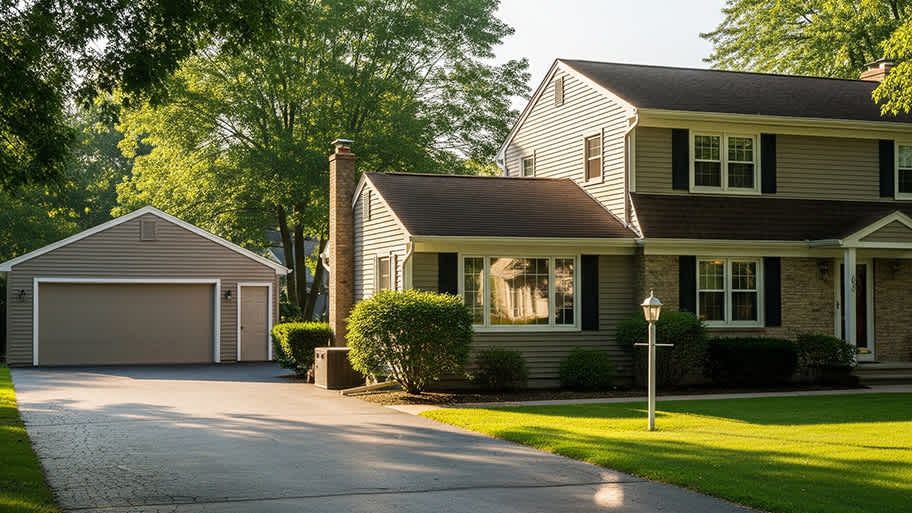
The cost to build a detached garage depends on the size, materials, labor, and more. Read this guide to learn more about detached garage costs.
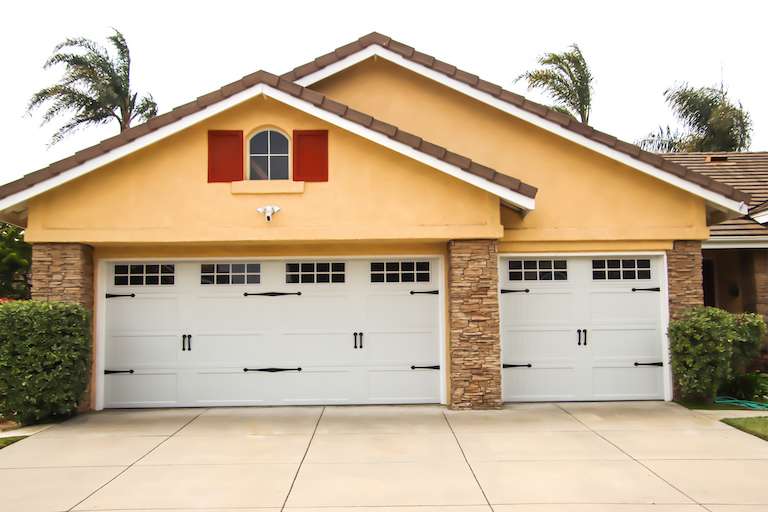
Garages increase curb appeal and have a high ROI. Use this guide to learn about the average cost to build a garage and budget for your project.
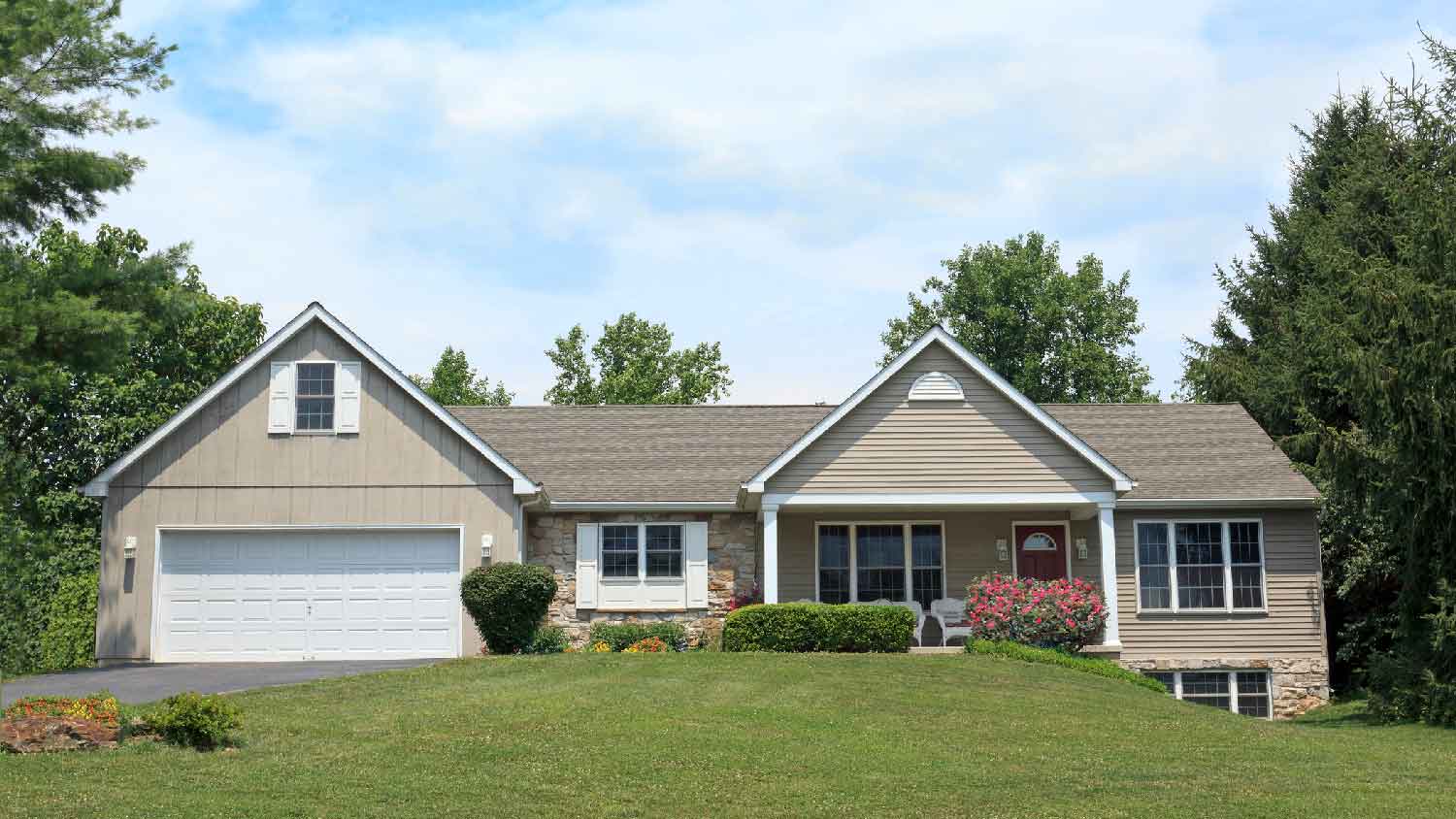
Does your garage need insulation? Weigh the pros and cons of insulating a garage to make the right choice for the comfort of your home.
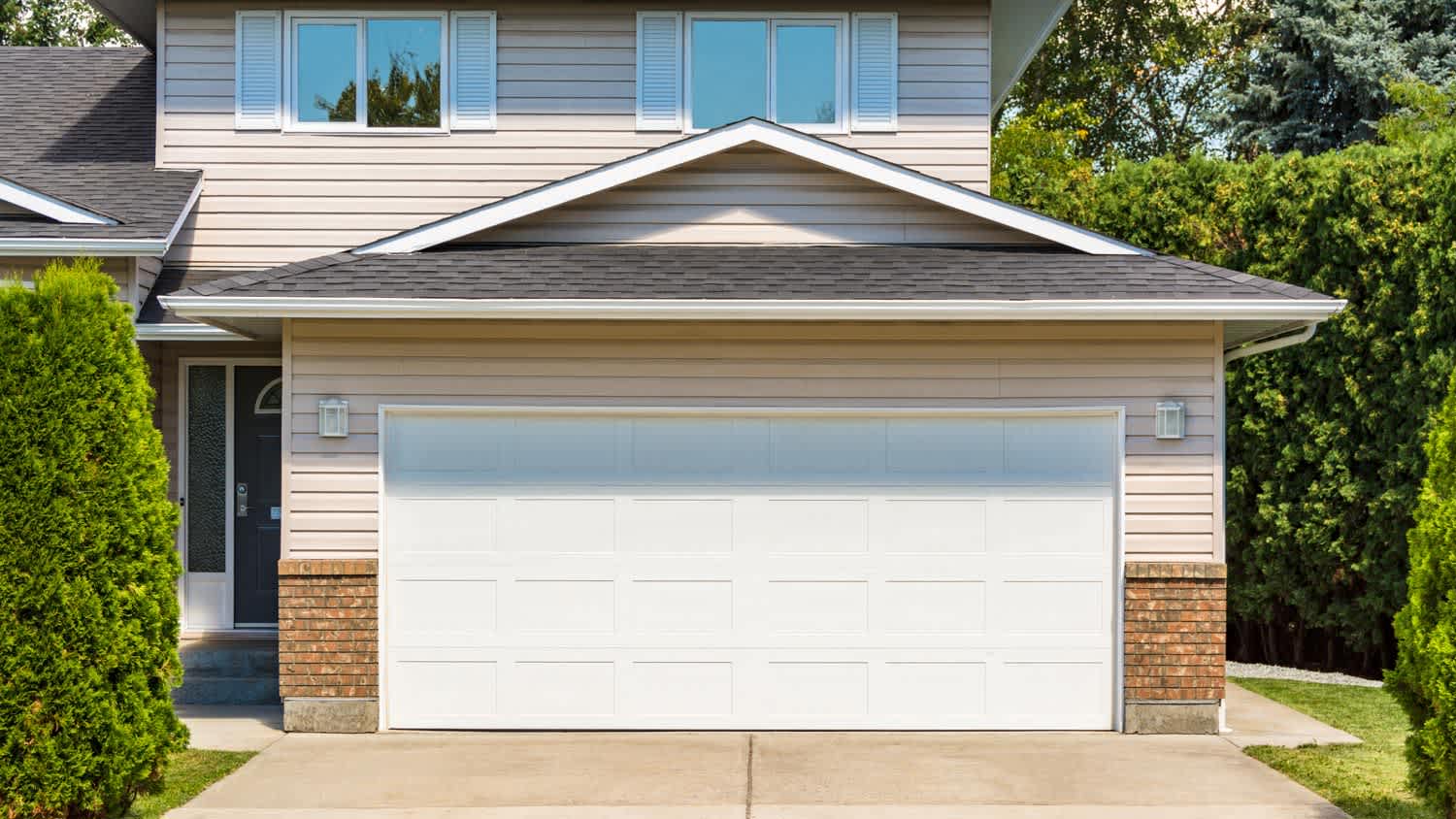
Insulating your garage door may seem like a pricey update, but you can do it on a budget and save money on your power bill all year long.
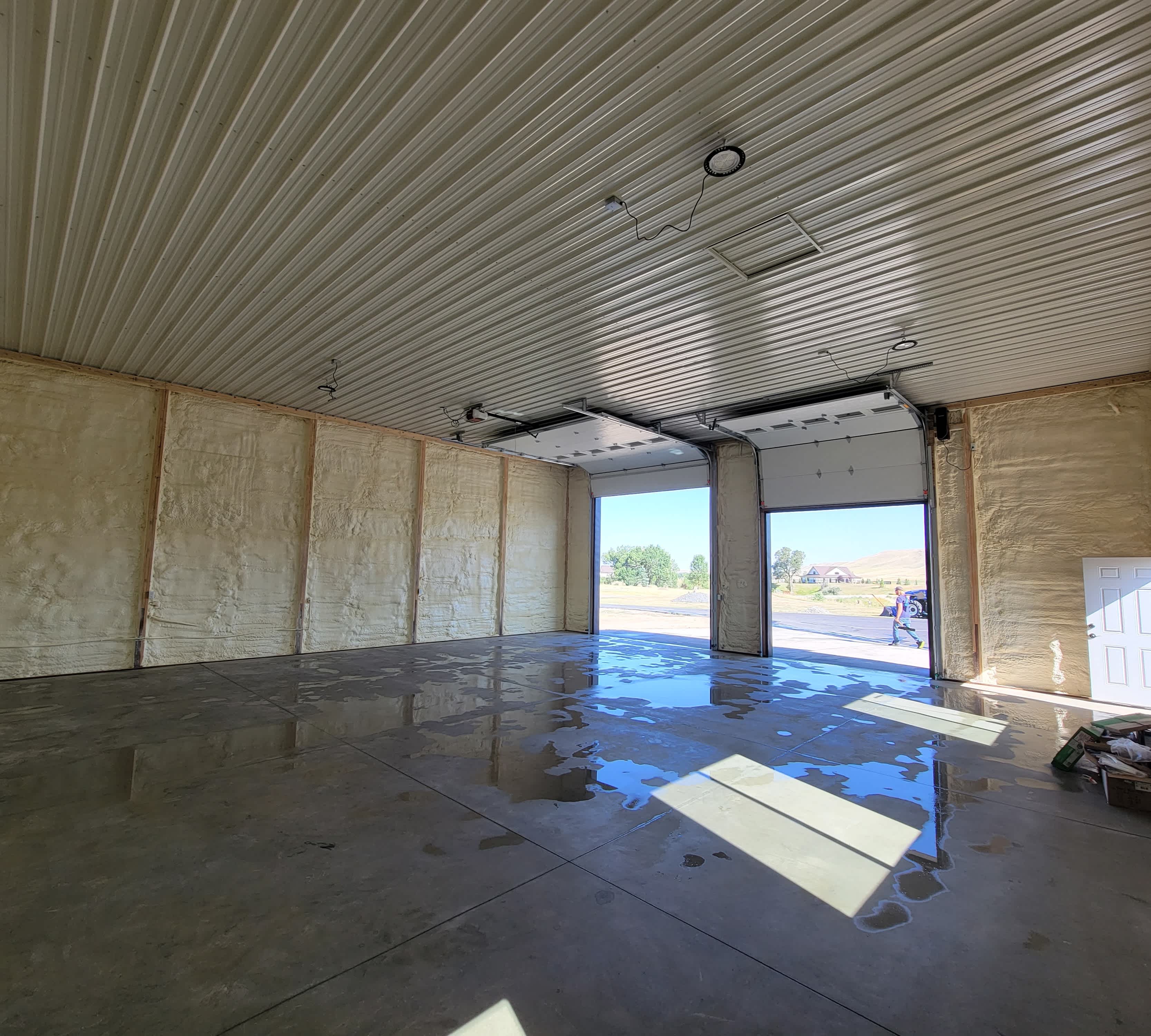
Our guide helps you select the right type of garage insulation to regulate temperature, sounds, and smells in your garage space.