


Installing drywall is the most common way to finish your home’s interior. Use this drywall installation cost guide to see what your project is likely to cost.
Drywall service costs depend on your project and location. Check with a local pro for your specific job.

Pre-drywall inspection costs range from $100 to $600, averaging $300, based on your home size.
Your home location and the complexity of installed systems like HVAC and gas lines will impact your final inspection total.
You should account for additional inspections like electrical, plumbing, and HVAC, which range from $150 to $500.
Hiring a local home inspection professional finds safety and code issues before drywall, so you avoid opening walls later.
A pre-drywall inspection is like seeing a live X-ray of your new home. It helps you make sure your house is built to the standards from the inside out. Depending on the size of the home, your location, and the company you work with, pre-drywall inspections can cost anywhere from $100 to $600. The average cost is somewhere around $300.
This isn’t a legally required inspection, but it has the potential to catch serious issues before the walls are installed, giving you a chance to fix them before they become homeowner headaches later on.
Examine the cost factors of pre-drywall inspections, their importance when buying or renovating a home, and tips on finding the right inspector for you.
The purpose of a pre-drywall inspection is to get a complete look at the work done on a new construction home before finishing it with walls. The pre-drywall period refers to a home that hasn’t yet had the walls put in but has the main components already installed, including the following:
Doors
Windows
Foundation
Sub-floor
Plumbing
Electrical
Wall and roof structural components
Spotting issues with any of these elements becomes much harder after the walls are up.
I accompanied Shawn on the inspection. He was extremely thorough and professional. He found several significant defects that would have been very expensive to remediate post-drywall, as well as a large number of "punchlist" type items, a number of which could have been significant if they had not been fixed at this stage of construction. The fee was reasonable, and paid for itself several times over with the repairs that were made.

You’ll likely need several contractors to carry out a home-building project, all of whom do different kinds of work that fit together like puzzle pieces. A pre-drywall inspection acts as the last check of this work, ensuring everything is looking good before installing drywall and moving in. So, how much does a pre-drywall inspection cost? There are a number of factors that affect the grand total.
As is the case with any other home inspection cost, bigger properties tend to command a higher price, as there’s more labor involved in inspecting larger areas. You can expect the pre-drywall inspection to be proportional to the home’s overall size—so an inspection on your new condo might only cost around $100, while a multistory, detached house could run you as much as $600.
| Home Size (Square Feet) | Average Pre-Drywall Inspection Cost |
|---|---|
| >1,000 | $100 |
| 1,000 | $200 |
| 1,500 | $300 |
| 2,000 | $400 |
| 2,500 | $500 |
| 3,000 | $600 |
Pre-drywall home inspections tend to be fairly predictable from city to city and state to state, but certain areas with a higher cost of living (think New York City, Los Angeles, or San Francisco) may demand higher prices. This is largely because labor costs will scale based on the cost of living.
| State | Pre-Drywall Inspection Cost |
|---|---|
| California | $430 |
| Florida | $310 |
| Georgia | $270 |
| Illinois | $290 |
| Michigan | $280 |
| New York | $370 |
| North Carolina | $290 |
| Ohio | $280 |
| Pennsylvania | $280 |
| Texas | $280 |
The most important takeaway from your pre-drywall home inspection is the final report that your professional provides you with. Hopefully, this report states that nothing out of the ordinary is found, giving you the go-ahead to pop in your drywall with confidence. However, it may instead point out issues of concern. While no one wants to discover problems in their new build, this report at least gives you a chance to fix them before putting on the finishing touches.
While the problems in the table below won’t drive up the cost of your pre-drywall inspection, they are additional costs that you might need to budget for to rectify the issues your home inspector finds.
| Home Issue | Average Cost Range to Fix |
|---|---|
| Cracked, misaligned, or shifted foundation | $2,000–$10,000 |
| Electrical system issues or failure | $700–$15,000 |
| Failing seals on windows or doors | $170–$700 |
| HVAC system failure | $100–$13,000 |
| Leaky basement | $10,000–$50,000 |
| Mold from water leaks or poor ventilation | $500–$4,000 |
| Plumbing system failure | $275–$3,000 |
| Warped, misaligned, or uneven flooring | $100–$10,000 |
While no homeowner wants to find these issues at all, locating them before the walls go up will end up saving you money in the long run. A great pre-drywall inspection is thorough, and the home inspection report should reflect that. You can expect to pay more for professionals who value high-quality inspection and reporting.
It’s common for inspectors to take photos and videos for their own reference during a pre-drywall inspection. However, some inspectors will also provide these to the client as visualizing tools. Having these makes it much easier to know where wiring, plumbing, studs, and HVAC ducts are located in the future without having to open up your walls, saving you the trouble of finding them again if you need to make repairs or adjustments after putting the walls in. This service sometimes comes at an extra fee.
The complexity of a house’s components and systems can affect the overall cost of a pre-drywall inspection. Houses with more systems running through them (such as HVAC, natural gas, gas lines for appliances, etc.) will naturally take more time to inspect properly. This might result in a higher charge for the pre-drywall inspection.
While you’re budgeting for your pre-drywall inspection costs, you may want to consider the following costs, as well. These projects can help you get the maximum value out of your home, and they’re ideal add-ons before you put up your walls. Note that additional inspections are usually required by law to proceed with your home build, so you’ll likely need these to complete your project.
Energy efficiency audit cost: $200–$700
Electrical inspection cost: $100–$400
Plumbing inspection cost: $100–$500
HVAC inspection cost: $70–$500
Soundproofing cost: $1,000–$2,700
Spray foam insulation cost: $1,400–$4,300
The average homeowner won't know what to look for when inspecting things like framing, plumbing, electrical, and HVAC unless they have experience with building a home. A professional home inspector near you can detect safety and code issues right away to help you get the problem fixed before it's concealed by drywall.
You're protecting your investment in your new construction or addition when you hire a professional home inspector to do pre-drywall inspection because:
Professional inspectors act as neutral auditors capable of catching problems you might overlook.
Pros know how to properly document their findings for insurance or warranty purposes.
An inspector can speak with your builder on your behalf to ensure all issues are fixed before drywall is installed.
Generally, professional documentation is required for ENERGY STAR certification.
Paying for a professional pre-drywall inspection is significantly less expensive compared to tearing down walls for repairs down the road.
While pre-drywall inspections aren’t terribly expensive, they are an additional cost to consider when you’re already likely paying hundreds of thousands of dollars to build your new home. There are a few things you can do to save some money on your inspection costs.
Focus on key areas. You can potentially save money by having your inspector focus on specific things in your home, like the foundation and structural components. You might not get a complete picture of how well-built your home is, but you will likely save money as the inspection won’t take as long.
Package inspections together. New construction requires several inspections, and some home inspectors that offer all of them will offer discounts if you guarantee them more work. Consider asking for a pre-drywall inspection, plumbing inspection, and electrical inspection as a package deal from a single inspector.
Forgo picture and video results. Pictures and videos are nice to have, but they’ll likely drive up the cost of your inspection a bit. Take your own photos and videos for your records to save.
Don’t rely on your builder’s inspection. Many builders will offer pre-drywall inspections, but you should always spend a bit more and schedule one with a third-party company. Builders aren’t always going to be entirely subjective, so bring in your own professional to avoid costly issues down the road.
Get multiple quotes. Finally, shop around and get quotes from at least three home inspectors in your area to find the lowest price or the best value for your money.
Be prepared to coordinate with your builder to schedule an inspection once framing is complete.
Share your anticipated finish date or close date with inspectors to ensure they're available for your timeline.
Ask for a checklist of areas your inspector will be covering during a pre-drywall inspection to ensure it includes outlets and fire taping.
Request extensive photos and videos of walls and systems when hiring an inspector.
Home is the most important place on earth, which is why Angi has helped more than 150 million homeowners transform their houses into homes they adore. To help homeowners with their next project, Angi provides readers with the most accurate cost data and upholds strict editorial standards. We extensively research project costs to develop the pricing data you see, so you can make the best decisions for you and your home. We rely on reputable sources, including the U.S. Bureau of Labor Statistics, academic journals, market studies, and interviews with industry experts—all to ensure our prices reflect real-world projects.
Want to help us improve our cost data? Send us a recent project quote to [email protected]. Quotes and personal information will not be shared publicly.
Cancelled appointment two hours after they were supposed to come for drywall work.
 Hutch And Sons Drywall Services
Cole has been handling plumbing and general contracting for our four properties over the past three years, and he’s always done a great job. Most recently, he installed a sink and countertop in our retail store where none existed before, and it turned out exactly how we needed. He’s...
 ANB Renovations LLC
I would recommend this company to anyone! He showed up on time, was friendly, completed a very difficult repair on our dryer vent cover, was responsive, and pricing was extremely fair and competitive. I would have him back to do any of our repairs or cleanings without hesitation!
 U.S.A. Dryer Vent, LLC
I cant stop admiring my newly painted walls. Custom Paint Jobs LLC made my house feel brand new.
 Custom Paint Jobs, LLC
Excellent experience with hiring Tether House to Mount our 77’ Samsung TV in our bedroom. Fast, friendly, and knowledgeable. Highly recommend.
 Tether House
Excellent customer service and knowledge. I was recommend to him from my neighbour. My front door and window came in great and were installed beautifully perfectly, I m very satisfied with their excellent work, so decided to order one more big bow window for my living room. I cant wait for...
 Window Depot USA of Central Ohio
Would hire again. Wall looks great. Happy with job.
 Central Paving
Involved an extensive bathroom remodel, including removing tub & installing walk in shower, new drywall, custome tile work to ceiling, plumbing, etc. Overall, job was done on time and on budget. Nick & his team were very professional and had high attention to detail. Quality was great. Highly...
 Stamos Flooring and Remodeling LLC
We have had a great experience with Rising Height for the past five years on a number of miscellaneous renovation projects. They laid flooring for us and had a very good sub do the finish. Installed drywall for a vaulted ceiling, finished an attic/loft with new subfloor, framing and drywall,...
 Rising Height Unlimited
Mr. Lopez was super nice and professional. He repaired our drywall just as he described during the estimate phase. Our dining room wall looks great again! Thanks Mr. Lopez!
From average costs to expert advice, get all the answers you need to get your job done.
Installing drywall is the most common way to finish your home’s interior. Use this drywall installation cost guide to see what your project is likely to cost.
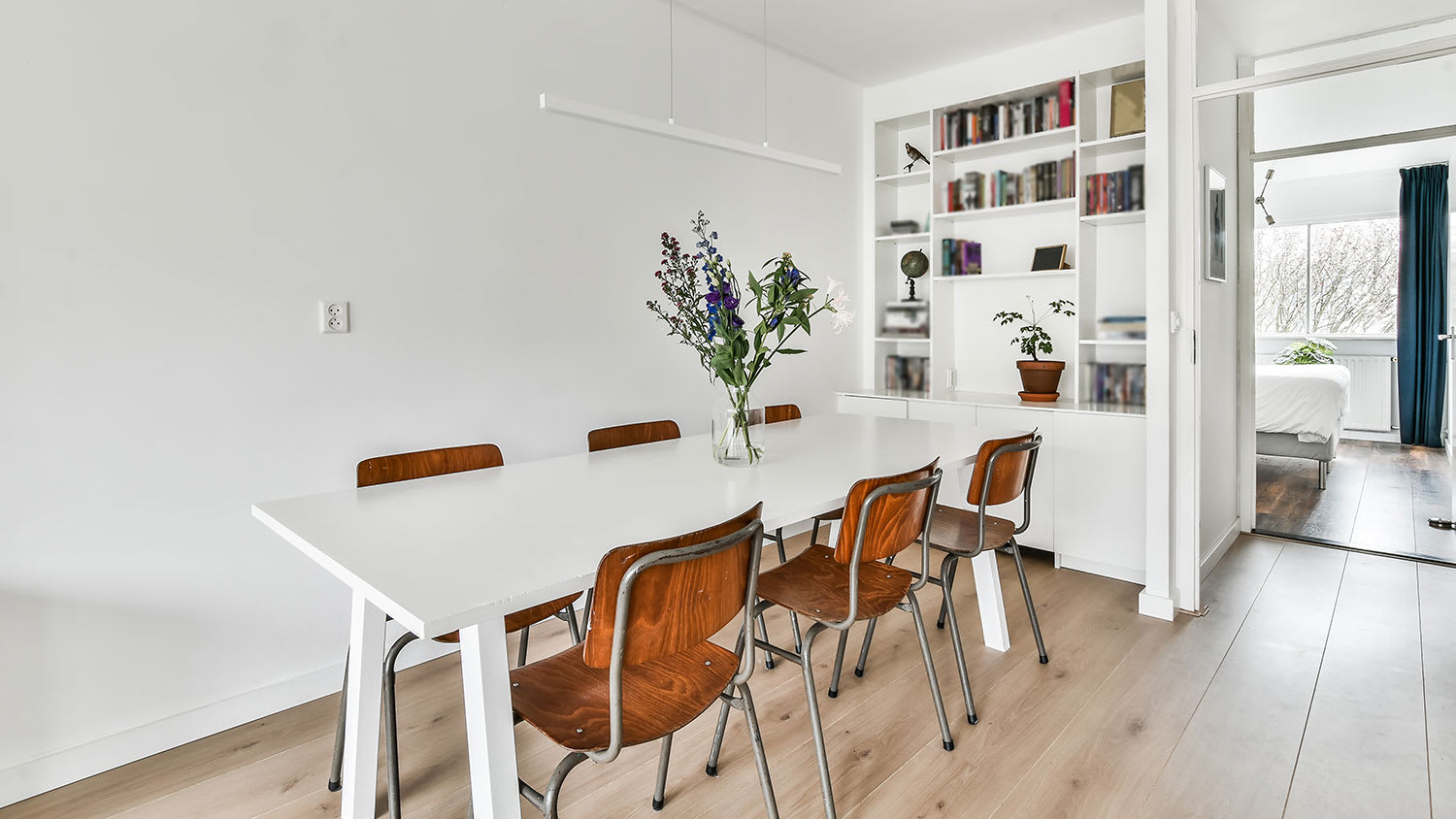
Whether you want to spruce up a few dents and dings or fix a large surface area, investing in drywall repair costs can return your walls to a smooth, flush look.
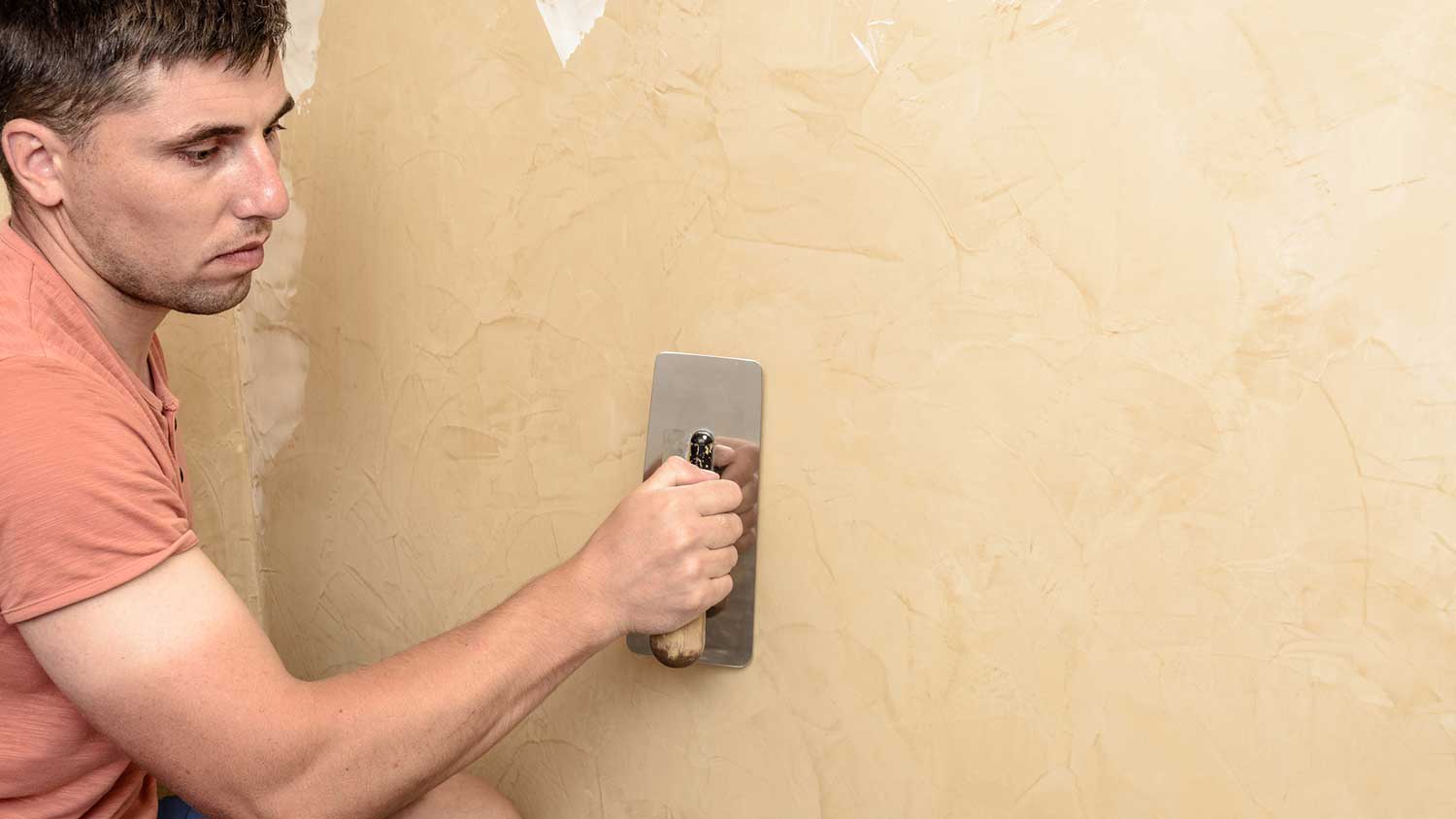
Drywall texture can create an attractive finish and add dimension to your home’s walls. This guide breaks down the factors that influence the cost to texture drywall.
Use this pre-drywall inspection checklist to catch issues early and avoid costly repairs later. Build smarter with this must-have guide.
When you’re building a new home, it’s a good idea to get multiple inspections. Learn about the benefits of a pre-drywall inspection during construction.
Buying a new construction home should include a few different inspections. Learn why an additional home inspection post-drywall is worth it.