

Soundproof windows cost between $300 and $1,500, but the exact price will depend on the method and materials used. Explore this guide to learn more.
Drywall service costs depend on your project and location. Check with a local pro for your specific job.

Professional soundproofing installation costs between $1,036 and $2,743 for your room, including materials and labor.
The surfaces you soundproof and the materials you choose will determine your final project total for the home.
You should account for the cost of removing existing drywall or insulation and disposing of construction debris when you create your budget.
Hiring a local soundproofing professional ensures your installation is done well and increases your home comfort and resale value.
In 2026, the national average cost to soundproof a room is $1,881, based on 194 verified projects from Angi Pros. Most homeowners pay between $1,036 and $2,743, with costs ranging from $10 to $30 per square foot depending on room size, the surfaces being treated, and the soundproofing methods you choose.
In addition to room size and surface area, you might also see different costs depending on modifications to existing walls and on the type of room and property.
Soundproofing a room costs about $10 to $30 per square foot when you hire a pro, including materials. That figure applies to the treated surface area, not the room's overall square footage. The table below breaks down the average cost to soundproof a room based on size:
| Room Size (Per Square Foot) | Average Cost in 2026 |
|---|---|
| 50 | $500–$1,500 |
| 100 | $1,000–$3,000 |
| 150 | $1,500–$4,500 |
| 200 | $2,000–$6,000 |
| 250 | $2,500–$7,500 |
| 300 | $3,000–$5,000 |
There are many different types of soundproofing materials, ranging from budget-friendly wall panels ($1.50 to $5 per square foot) to high-performance insulation systems. The right material depends on your noise problem, your budget, and the permanency of the solution. The table below breaks down the average costs of popular soundproofing materials, plus a description of each:
| Soundproofing Material | Average Cost in 2026 | Description |
|---|---|---|
| Textured wall panels | $1.50–$5 per square foot | Attaches directly to walls; easy DIY installation for echo reduction |
| Foam insulation | $1–$3 per square foot | Injected into wall cavities without needing to remove drywall |
| Acoustic foam | $100 per panel | Lightweight panels designed to absorb echo and mid-frequency sound |
| Acoustic tile | $10 per tile | Aesthetically pleasing tiles typically installed in drop-ceiling grids |
| Soundproof curtains | $100 per set of curtains | Heavy fabric drapes that quiet outdoor noise and block light |
| Soundproof drywall | $40 per panel | Multi-layered gypsum board engineered to block airborne noise |
| Textured paint | $250–$300 per room | Special thick coating that offers minor room echo reduction |
| Mass-loaded vinyl | $2–$5 per square foot | Dense, flexible vinyl sheet installed behind drywall or under floors |
| Blown or loose-fill insulation | $40–$200 | Dense fiber inserted into wall or floor cavities to absorb sound |

The most commonly soundproofed rooms are bedrooms and garages, though living rooms and home theaters are popular choices as well. Costs vary widely depending on the room's size, how many surfaces you treat, and the materials you use. Here are average soundproofing costs by room type:
| Room | Average Soundproofing Cost in 2026 | Description |
|---|---|---|
| Garage | $300–$500 | Unfinished garages offer a blank canvas; costs increase if you soundproof large overhead doors |
| Bedroom | $300–$1,500 | Basic acoustic panels keep costs low, while internal wall insulation pushes prices toward the higher end |
| Home theater | $1,000–$10,000 | Full-room isolation (treating walls, ceilings, and floors) requires specialized acoustic materials and decoupling |
| Home office | $100–$1,000 | Focuses primarily on door seals, weatherstripping, and acoustic wall panels for video calls |
| Home gym | $300–$1,000 | Standard estimates cover thick rubber floor matting; adding acoustic wall padding adds around $600 |
| Basement | $300–$2,000 | Concrete walls provide natural dampening, but overhead floor joists often require extra insulation |
| Living Room | $1,000–$7,500 | Larger open floor plans and high ceilings require extensive wall coverage and heavy acoustic drapes |
Hiring a professional to soundproof a room is worth the extra $300 in labor costs, especially when noise is seriously disrupting your daily life. A pro can finish a retrofit—such as installing soundproof drywall or inserting loose-fill insulation—in one to two days. Even if you just want to soundproof a wall, a pro can complete the work quickly and correctly.
Removing existing materials is often necessary when soundproofing a room, and disposal of construction debris costs $100 to $800 depending on the type and volume of material removed. This can include drywall, insulation, flooring, wall coverings, and even wall studs. Some materials can be reused if removed carefully, helping offset replacement costs. If reuse isn't possible, factor in both disposal fees and the cost of new materials when building your budget.
Adding or modifying walls for soundproofing costs between $25 and $65 per linear foot, covering new framing and drywall. The actual price depends on the materials, services, and wall height. For complex modifications, getting a detailed quote from a pro before starting will help you avoid budget surprises.
Soundproofing an existing room is more labor-intensive and costly than building soundproofing into new construction from the start. With a new build, you can install materials like mineral wool insulation during framing, avoiding the need to open up finished walls and ceilings later. New construction also allows for options like joint isolators, resilient clips, or vibration clips under floors, walls, or ceilings—features that are far more disruptive to add as a retrofit. If you're planning a new build, discuss soundproofing strategies with your contractor early to maximize performance and minimize cost.
The surfaces you choose to soundproof significantly impact your total project cost, since doors, walls, ceilings, and windows each carry different price tags. Walls are the most affordable option, costing $1 to $10 per square foot, while windows and doors can push costs considerably higher. Focusing on the surfaces that transmit the most noise in your specific situation is the most cost-effective approach.
Here are the costs of soundproofing various surfaces, as well as a description of each one:
| Surface | Average Soundproofing Cost in 2026 | Description |
|---|---|---|
| Ceilings | $5–$20 per square foot | Options range from budget acoustic foam panels to dense drywall layering and drop-ceiling tile |
| Walls | $1–$10 per square foot | Costs depend on room size, insulation type, mass-loaded vinyl (MLV), or soundproof drywall layers |
| Floors | $2–$8 per square foot | Common solutions include high-density carpet padding, acoustic underlayment, and MLV subflooring |
| Doors | $10–$1,000+ per door | Solutions range from basic soundproof blankets and door sweeps to replacing hollow doors with solid-core options |
| Windows | $100–$1,500+ per window | Includes budget acoustic curtains, soundproof window inserts, or installing secondary double- or triple-pane glass |
House soundproofing runs $10 to $30 per square foot, while condo soundproofing costs $1 to $5 per square foot, with options such as loose-fill insulation or thick curtains. Soundproofing a condo costs less, but condo associations often restrict the methods you can use. Before starting any condo soundproofing project, review your association's rules to confirm which materials and methods are permitted.
| Room Type | Average Soundproofing Cost in 2026 |
|---|---|
| Soundproofing a Home | $10–$30 per square foot |
| Soundproofing a Condo | $1–$5 per square foot |
Hiring a professional soundproofing contractor near you for more extensive work costs $250 to $500 for labor. Simple tasks like hanging textured wall panels or acoustic tiles are manageable as DIY projects, but complex work—such as MLV, soundproofing drywall, high-end window replacement, or insulation—is best left to a pro. Installing soundproofing materials can be dangerous because pipes and wires run through walls and floors.
While soundproofing may seem straightforward, it’s always best to hire a pro. Here’s why:
Professionals know how to install insulation, acoustic panels, and barriers properly.
Experienced pros have the tools and techniques to handle drywall, sealants, and acoustic materials.
DIY soundproofing can lead to gaps, sound transfer, and damage to the surrounding area.
Reputable pros offer insurance and warranties for added peace of mind.
Professionally soundproofed rooms improve home comfort and can increase resale value.
If you want to assist your pro, focus on smaller tasks like:
Clearing furniture, rugs, and decor from the room to give your pro easy access
Wipe down walls, ceilings, and floors before the installation begins
Pass tools, materials, and equipment to your pro as needed
Lay down protective coverings to shield the surrounding area
Dispose of debris and packaging once the job is complete
Discuss with your pro which soundproofing materials best fit your budget and needs.
Provide your pro with the exact measurements of the room, including the walls, floors, and ceiling.
Let your pro know about any existing materials that need to be removed.
Confirm the total cost of labor and materials before the project begins.
Home is the most important place on earth, which is why Angi has helped more than 150 million homeowners transform their houses into homes they adore. To help homeowners with their next project, Angi provides readers with the most accurate cost data and upholds strict editorial standards. We survey real Angi customers about their project costs to develop the pricing data you see, so you can make the best decisions for you and your home. We pair this data with research from reputable sources, including the U.S. Bureau of Labor Statistics, academic journals, market studies, and interviews with industry experts—all to ensure our prices reflect real-world projects.
Want to help us improve our cost data? Send us a recent project quote to [email protected]. Quotes and personal information will not be shared publicly.
Cancelled appointment two hours after they were supposed to come for drywall work.
 Hutch And Sons Drywall Services
Cole has been handling plumbing and general contracting for our four properties over the past three years, and he’s always done a great job. Most recently, he installed a sink and countertop in our retail store where none existed before, and it turned out exactly how we needed. He’s...
 ANB Renovations LLC
I would recommend this company to anyone! He showed up on time, was friendly, completed a very difficult repair on our dryer vent cover, was responsive, and pricing was extremely fair and competitive. I would have him back to do any of our repairs or cleanings without hesitation!
 U.S.A. Dryer Vent, LLC
I cant stop admiring my newly painted walls. Custom Paint Jobs LLC made my house feel brand new.
 Custom Paint Jobs, LLC
Excellent experience with hiring Tether House to Mount our 77’ Samsung TV in our bedroom. Fast, friendly, and knowledgeable. Highly recommend.
 Tether House
Excellent customer service and knowledge. I was recommend to him from my neighbour. My front door and window came in great and were installed beautifully perfectly, I m very satisfied with their excellent work, so decided to order one more big bow window for my living room. I cant wait for...
 Window Depot USA of Central Ohio
Would hire again. Wall looks great. Happy with job.
 Central Paving
Involved an extensive bathroom remodel, including removing tub & installing walk in shower, new drywall, custome tile work to ceiling, plumbing, etc. Overall, job was done on time and on budget. Nick & his team were very professional and had high attention to detail. Quality was great. Highly...
 Stamos Flooring and Remodeling LLC
We have had a great experience with Rising Height for the past five years on a number of miscellaneous renovation projects. They laid flooring for us and had a very good sub do the finish. Installed drywall for a vaulted ceiling, finished an attic/loft with new subfloor, framing and drywall,...
 Rising Height Unlimited
Mr. Lopez was super nice and professional. He repaired our drywall just as he described during the estimate phase. Our dining room wall looks great again! Thanks Mr. Lopez!
From average costs to expert advice, get all the answers you need to get your job done.
Soundproof windows cost between $300 and $1,500, but the exact price will depend on the method and materials used. Explore this guide to learn more.
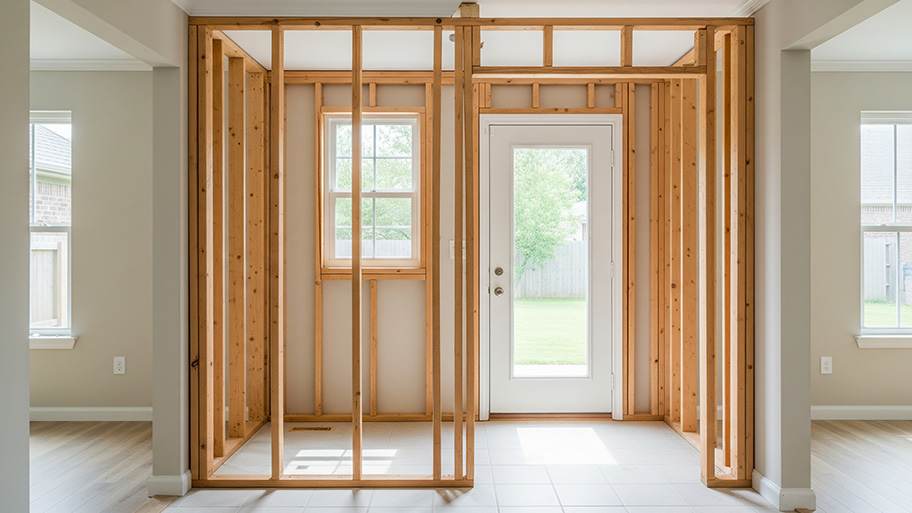
Sometimes, all your home needs is a new wall to make a room or provide an updated function to an existing space. Learn how much it costs to install a new wall.
Trying to calculate how much spray foam insulation costs? Our in-depth guide breaks down pricing by type, amount, and where you install it.
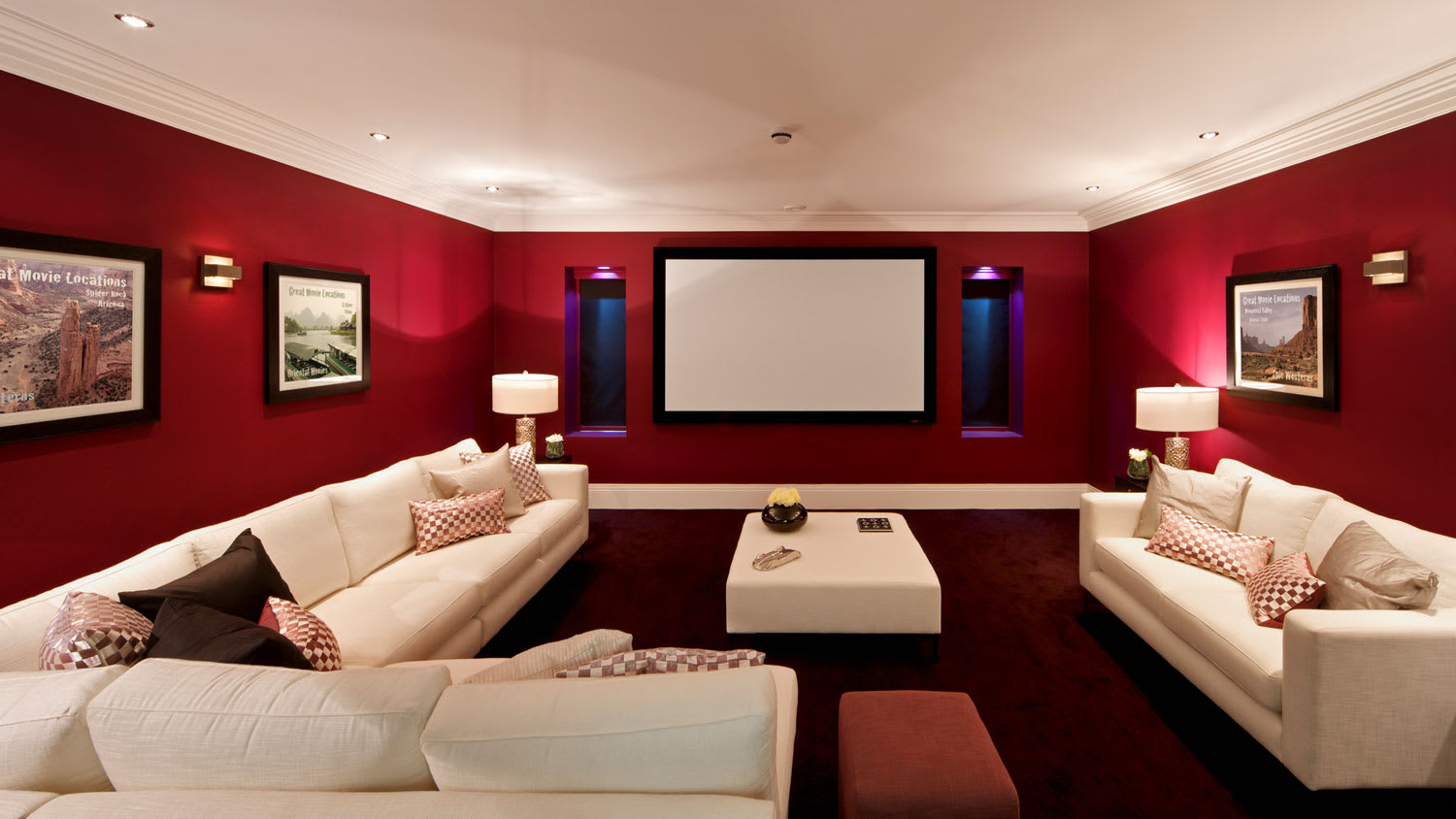
Since your house will already be torn apart for a remodel, it’s a great time to add soundproofing to walls or other areas to improve noise reduction.
Planning a soundproofing project? Learn about the benefits, noise reduction costs, and how to hire the right local pro to create a peaceful home.
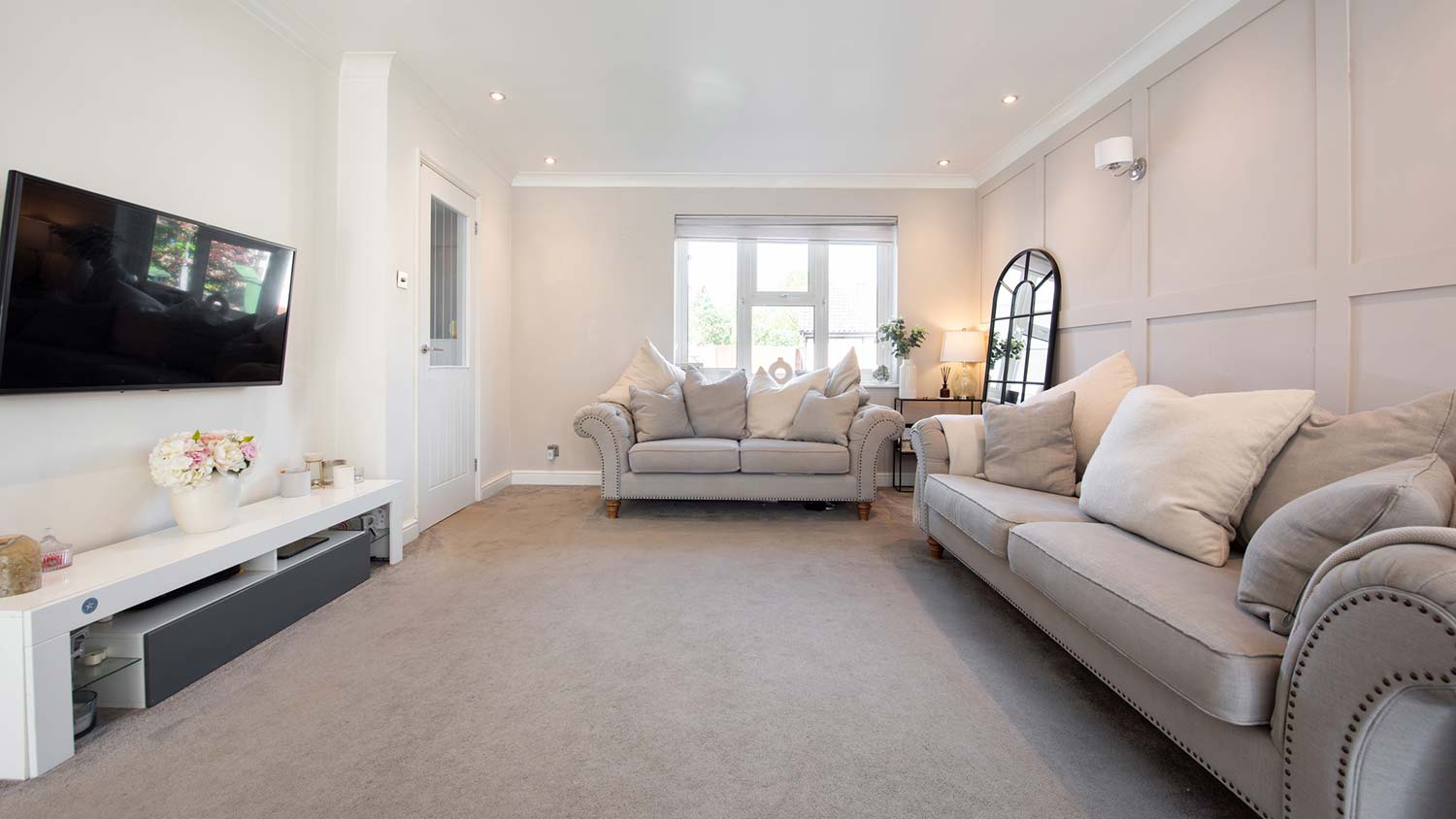
To create a comfortable indoor environment, learn how to soundproof a ceiling. We’ll break down the different ways to get it done.