
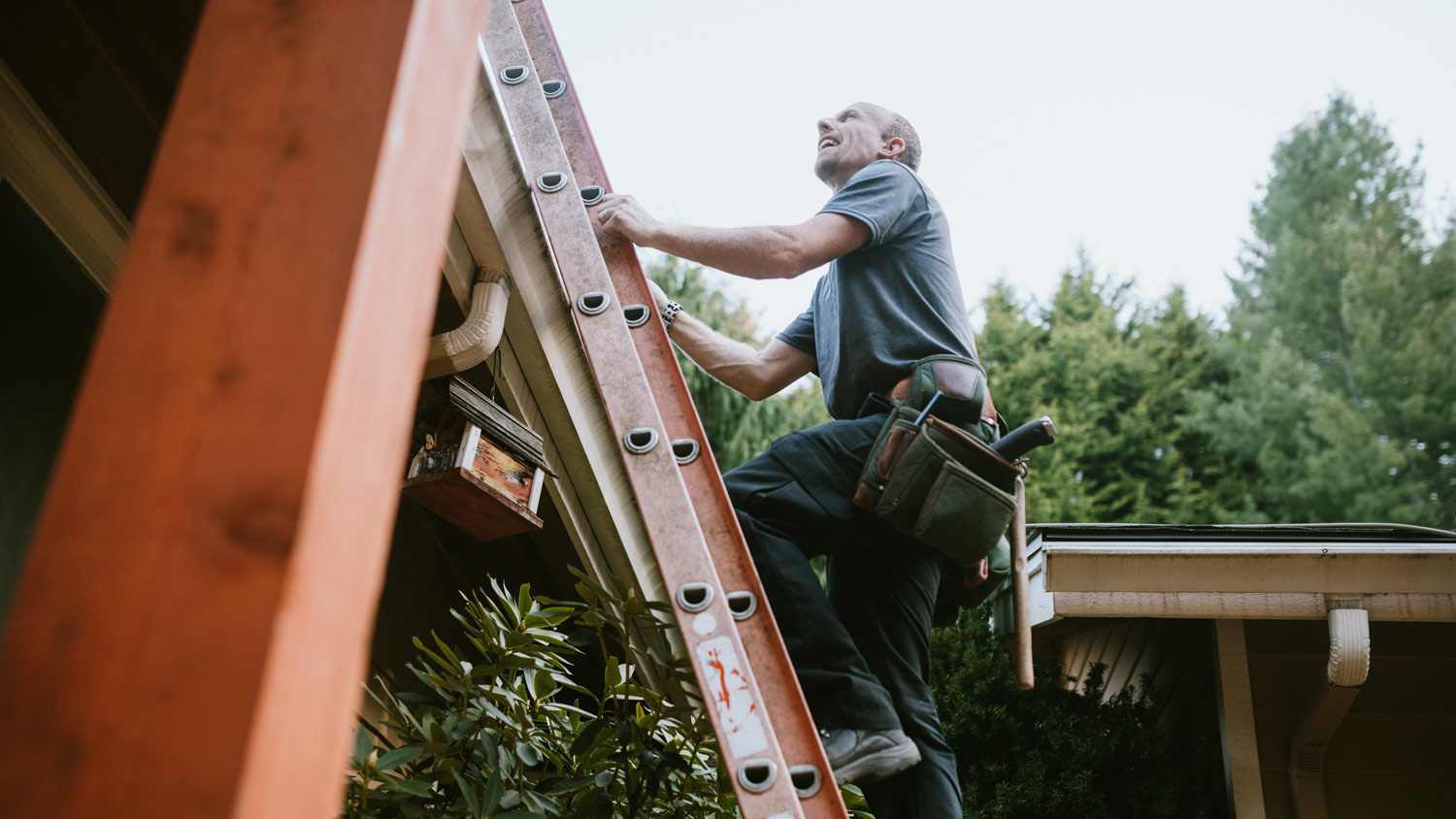
If you’re buying a home, having an inspection offers reassurance that it’s in good condition. How much a home inspection costs varies depending on the home's size, age, condition, and location.
Put yourself in the driver’s seat during your buying process

Reading a home inspection report reveals issues through symbol codes like I for inspected, R for general repair, and D for defect, helping you understand your home's condition.
Home inspection reports include photos of damaged items, thermal imaging to show hidden moisture or electrical issues, and summaries that rate your home's overall condition clearly.
Red flags like foundation cracks, roof damage, mold growth, or termites signal serious problems, so ask your inspector about risks and next steps during the inspection.
Hiring a local home inspection professional provides clear answers through detailed reports and expert guidance, helping you make confident decisions when buying or selling a home.
When you buy or sell a house, you’ll likely encounter a home inspection report. You’ll hire a local home inspector who will inspect your house and provide you with a written report of their findings. Since this document can inform you on a number of different issues, it’s important to understand how to read the entire report. As a result, you’ll be able to make more informed decisions as either a buyer or seller.
What is a home inspection, and why do you need one? When you make any big purchase, it’s important to do your due diligence to ensure you’re making a good investment—especially if it’s something pre-owned. There’s no better example of this than homes, which can have all kinds of problems you’ll probably want to know about before making a deal. There are three general types of inspections, and each is important for different reasons.
As a seller, you might opt to get a pre-listing home inspection, which gives you an idea of any problems the home might have. This lets you make any essential repairs and set your price accordingly, probably making for a much smoother sale later on. Pre-listing inspections are optional, but they’re very common among sellers.
Buyers often get home inspections as a condition before closing on a home purchase. This gives them a chance to have an objective party inspect the property for any problems. Armed with the knowledge in a home inspection report, the buyer can get a sense of what they’ll be in for if they decide to buy the home.
If any major problems are discovered, such as a shifted foundation, pest infestation, or any of the other many things that fail a home inspection, the report can provide negotiating power and possibly bring the price of the home down.
Another inspection type is new home building inspections. These check that a new build is up to code and allow you to double-check the work of the many contractors and companies that work together on a new property.
After a home inspection, your inspector will provide you with a document that details issues and their levels of severity. In essence, it’s a summary of issues requiring attention/action and the potential consequences. While each report may differ to some extent, there are some standard components in a home inspection report.
In the first few pages, you can expect your home inspection report to cover general information, including:
Your address and type of home
Who was present at the inspection
Information about the state’s standards for home inspection
Weather conditions during the inspection
The home’s year of construction
Definitions of industry terms
The size of the home
This section may also mention any limitations in the inspection, which usually refers to having a lack of (or no) access to certain areas.
To make things easier for you, the home inspector usually provides a key that explains what each element in the report signifies. The key will encompass letter codes that denote a component’s condition.
Most home inspection report keys will include the following codes:
I: Inspected—an item that was inspected
NI: Not inspected—an item that wasn’t inspected
NP: Not present—an item that wasn’t present (usually because it wasn’t accessible)
S: Safety concern—an item that is a safety concern
R: General repair—an item requiring a repair
D: Defect—a non-functioning item that needs a repair or alteration
An inspector will focus on the main systems in your house and their conditions, and the report will cover major home components including:
Heating system
AC
Plumbing system
Electrical system
Roof Attic
Insulation
Walls
Ceilings
Floors
Windows
Doors
Foundation
Basement
Note that in some cases, your inspector may not be able to access certain areas if they’re inaccessible or if it’s unsafe. For instance, if you have an extremely damaged or steep roof, the inspector may not be able to access the area for safety reasons.
You can expect to see pictures of damaged items, issues, or defects in your home inspection report. These photos can be helpful to the buyer when they’re reviewing the report before negotiating prices.
In some cases, you may see a photo that has funky colors—don’t worry, this is normal! Often, inspectors will use thermal imaging to examine your house, and the photos are useful for illustrating issues that may be difficult to see, such as moisture issues, ventilation problems, or faulty electrical components.
Your home inspection report will include a summary of the issues—which is usually located in the last few pages—and a rating that indicates a general grade on your home’s condition. You’ll also be able to check the codes (e.g., inspected, safety concerns, etc.) that have been assigned to each individual component. This is a great way to get a broader view of a home’s overall condition. Pay special attention to anything marked as “end of life” (especially appliances and other expensive features), as these will likely need to be replaced in the near future.

It’s important to note that some components or areas of the property may not be covered in your inspection report. By being an informed buyer (or seller), you’ll understand that your work might not be done after the inspection, and in turn, you make better decisions through this process.
Some areas that home inspection reports generally don’t cover include:
Pest control
Septic system information
Areas behind the walls
Toxic mold
Air quality
Radon gas testing
Lead-based paint testing
Asbestos testing
If you suspect there may be issues that aren’t covered, you should contact a professional contractor who specializes in that specific type of home inspection. These might include plumbing inspectors, roof inspectors, chimney inspectors, or electrical inspectors.
While some issues—such as faulty light switches or broken window seals—are minor and not causes for immediate concern, there are certain red flags to look out for when reading a home inspection report. It’s also a good idea to add these issues to your list of questions to ask during your home inspection to ensure you understand the risks and the steps you can take to fix them.
In certain situations, mold and mildew in a home may be a minor issue. If mold is simply the product of neglect, oftentimes, you can clean it to solve the issue. On the flip side, sometimes mold is more serious.
For instance, if the mold has developed due to inadequate ventilation or excessive moisture, you’ll likely have more work to do, such as getting new windows or replacing your ventilation. Since mold can cause health issues such as serious allergic reactions, it’s important to have mold properly removed as soon as possible.
A poor foundation can result in structural problems such as uneven flooring, drywall cracks, and crooked doors. A home inspection report indicating an inadequate home foundation suggests that you may have an expensive repair on your hands in the future.
The roof is your home’s first line of defense against the elements, so ensuring it’s in good shape is vital. A home inspector might discover damaged or missing shingles, disconnects between the roof cover, structure, and exterior walls, or any spots on the roof that leak water and heat. These can be costly repairs, so it’s a great idea to get as much information from your inspector as possible before going ahead with a home purchase or sale.
A working HVAC system keeps your home cool in summer and warm in winter, but it also ensures your safety through good air quality. Malfunctioning HVAC systems can be a big hassle to deal with, and a seriously damaged unit might even open you up to health risks like carbon monoxide poisoning. Plus, quality HVAC repairs and maintenance tend to be fairly expensive. Choose a qualified home inspector or specialized HVAC inspector to check this system.
You may not even want to think about termites (the ick factor), but if you’re buying a new home, it’s important to do so. Termites are not something to ignore since they can cause serious long-term damage to your home’s structure and foundation. If you’re seeing this unfortunate issue on your home inspection report, it’s in your best interest to hire a termite remover.
The Cisco team did an exceptionally good job of painting (very detailed), and they were professional, courteous, helpful and just pleasant to have in our home for a week. I have already recommended Cisco to some neighbors.
 Cisco Finishes
Supreme Brick & Chimney is one of the best service providers I’ve interacted with. Extremely efficient, knowledgeable, and thorough. They took the time to walk me through their detailed full-service inspection and were extremely professional. Not to mention their turnaround time was...
 Supreme brick & chimney
Our homes curb appeal skyrocketed thanks to Custom Paint Jobs LLC s exterior painting.
 Custom Paint Jobs, LLC
Visited my home for estimate same day that I called. Painted on Saturday. Great job. Good price!
The people from Window Depot USA of Central came and gave me a good price on window replacement of my home. They had completed the job within the time promised. The service was curteous, professional and clean. I would definitely recommend Window Depot USA of Central to all my friends.
 Window Depot USA of Central Ohio
Working with Mike on our first home purchase was an absolute pleasure. Mike put us at ease and made the process of buying a home fun. Mike is knowledgeable, honest, professional, and punctual. He worked with our busy schedule and always made time for us. When a home came on the market that...
 Michael Marshall - Buyer's Resource Realty Svcs.
Fantastic! Top Line was early for the appointment and very knowledgeable and took time to explain everything they had found during the home inspection. The report included clearly defined issues and what they recommended to remedy the same. The report also included many pictures to help...
 Top Line Home Inspections, LLC
Scott did not get appropriate access to the property prior to the scheduled inspection which required us to come back later in the day to complete it. He also, unprofessionally, knocked on a neighbor?s door in his attempts to reach someone with access. His overall report was fine though the...
 Security First Home Inspections
Mary cleaning service does an amazing job cleaning my home. They go over and beyond the cleaning services that I have had in the past. They are very punctual and thorough with cleaning my home, I’m extremely happy with the service they provide and I highly recommend them.
From average costs to expert advice, get all the answers you need to get your job done.
If you’re buying a home, having an inspection offers reassurance that it’s in good condition. How much a home inspection costs varies depending on the home's size, age, condition, and location.
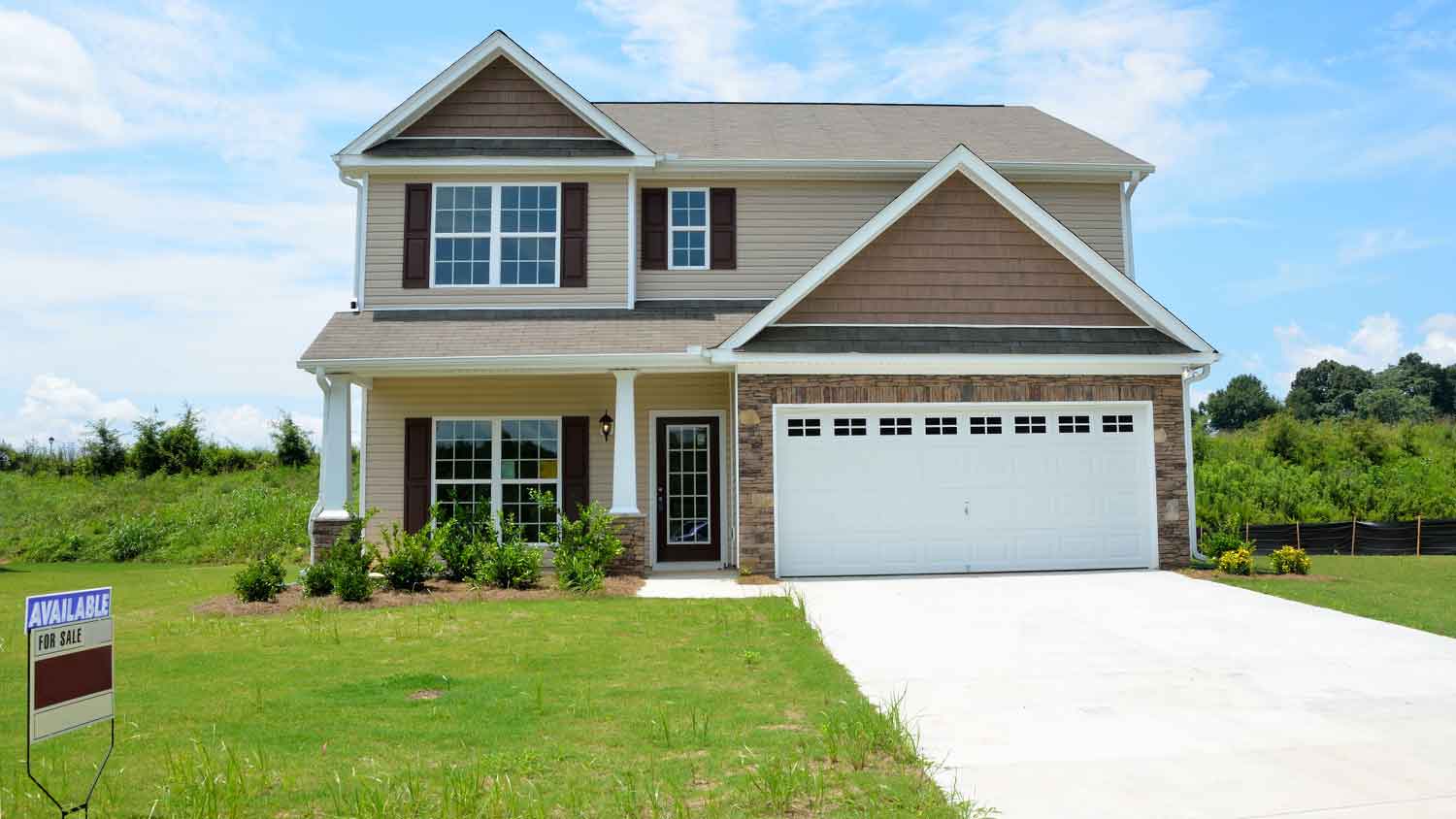
Uncover the secrets of home inspections, including costs and failures, as well as whether you should get it done before or after making an offer.
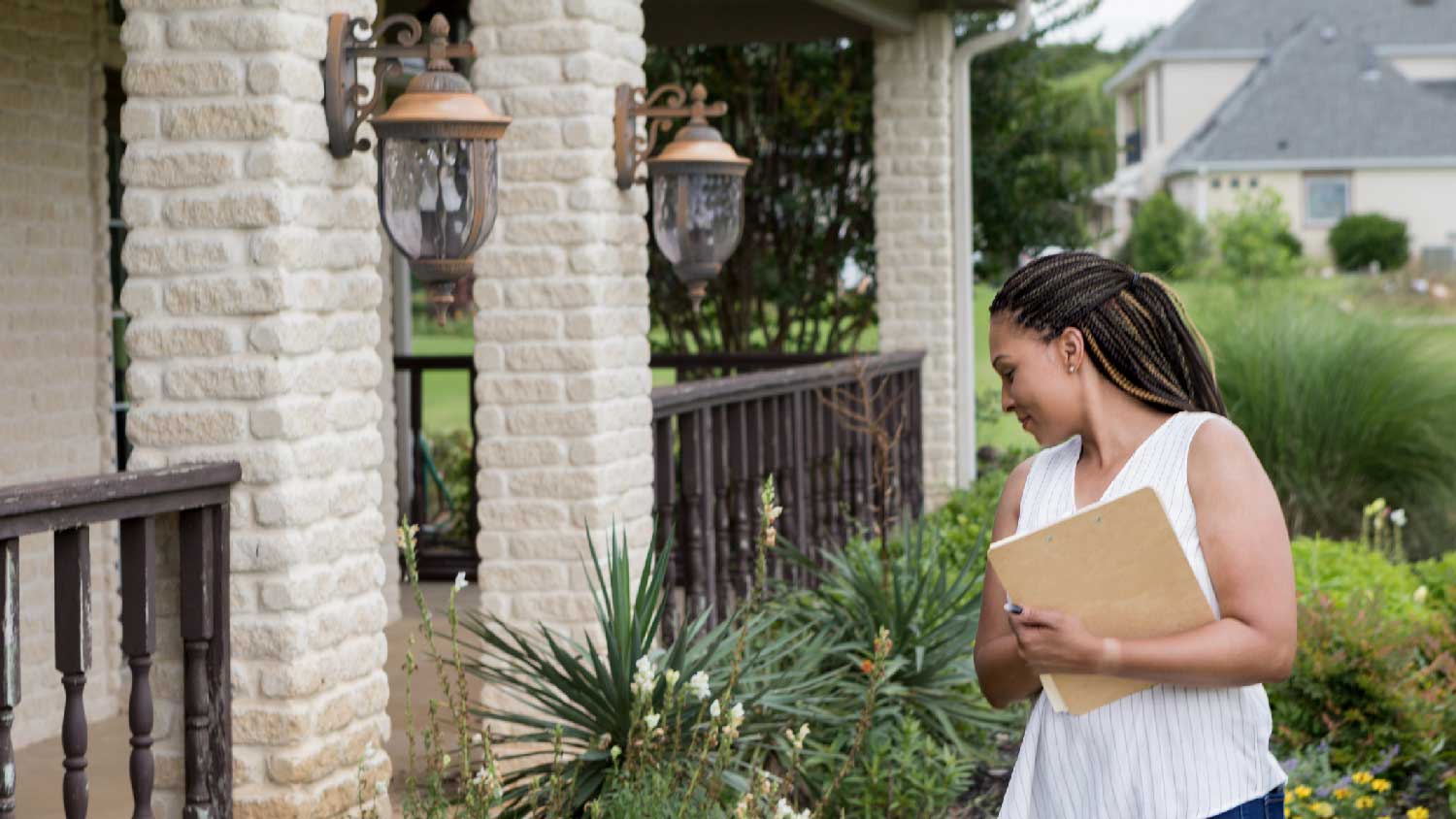
Home inspectors review your home to identify any problem areas or uncover potential issues. Learn more about what to expect during a home inspection.
Home inspections give you peace of mind that the home you’re about to invest your life savings into is worth the price. Learn how to hire a reputable home inspector, avoid potential scams, and what contract exclusions to ask about.
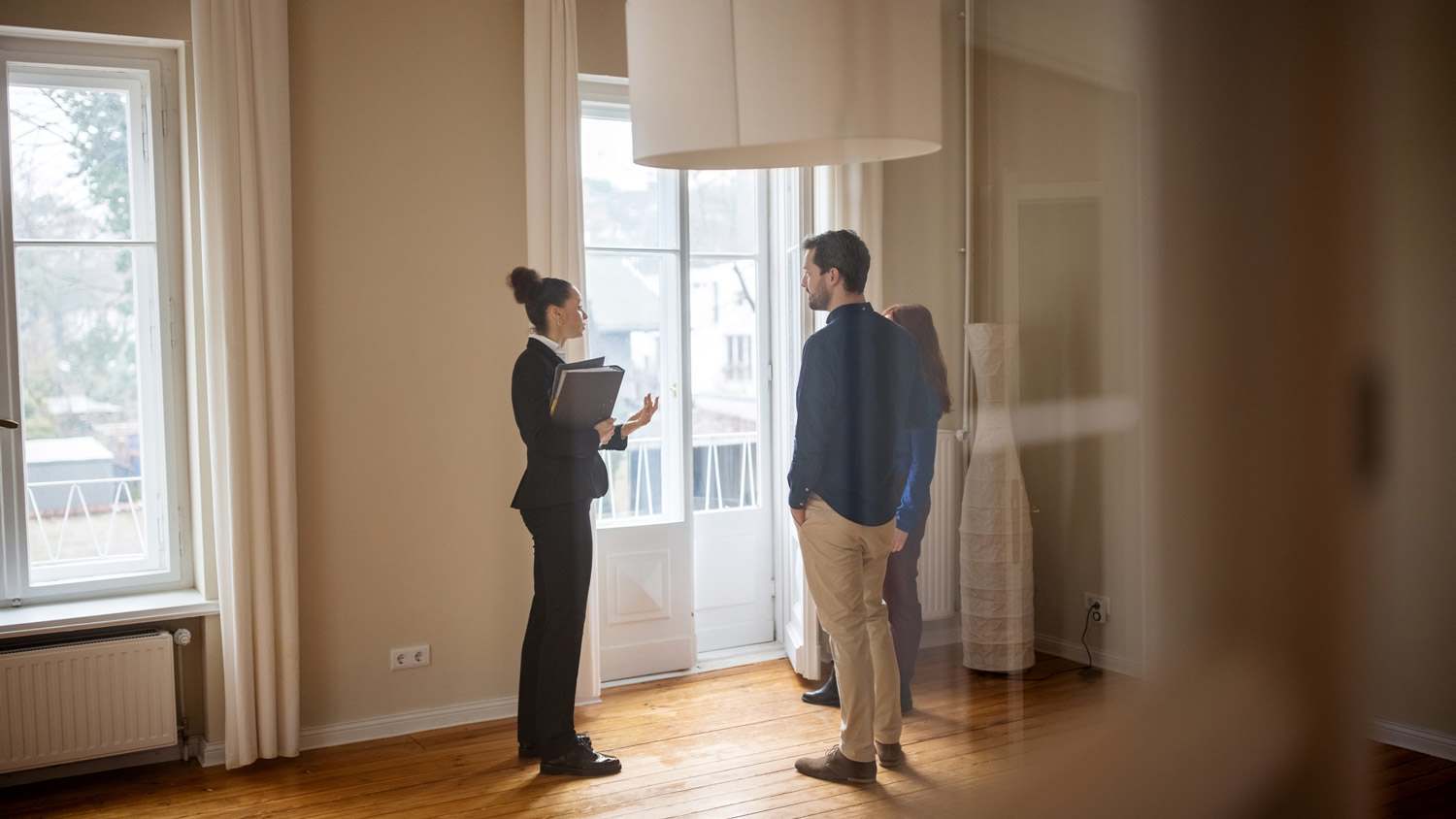
When it comes to home buying, there’s nothing wrong with knowing everything about the house. If you think you’ve found the perfect place, a pre-home inspection checklist helps you talk to the inspector about your worries before their official visit.
A home inspection may unveil some necessary repairs in your future home. Learn who addresses the recommendations after a home inspection report.