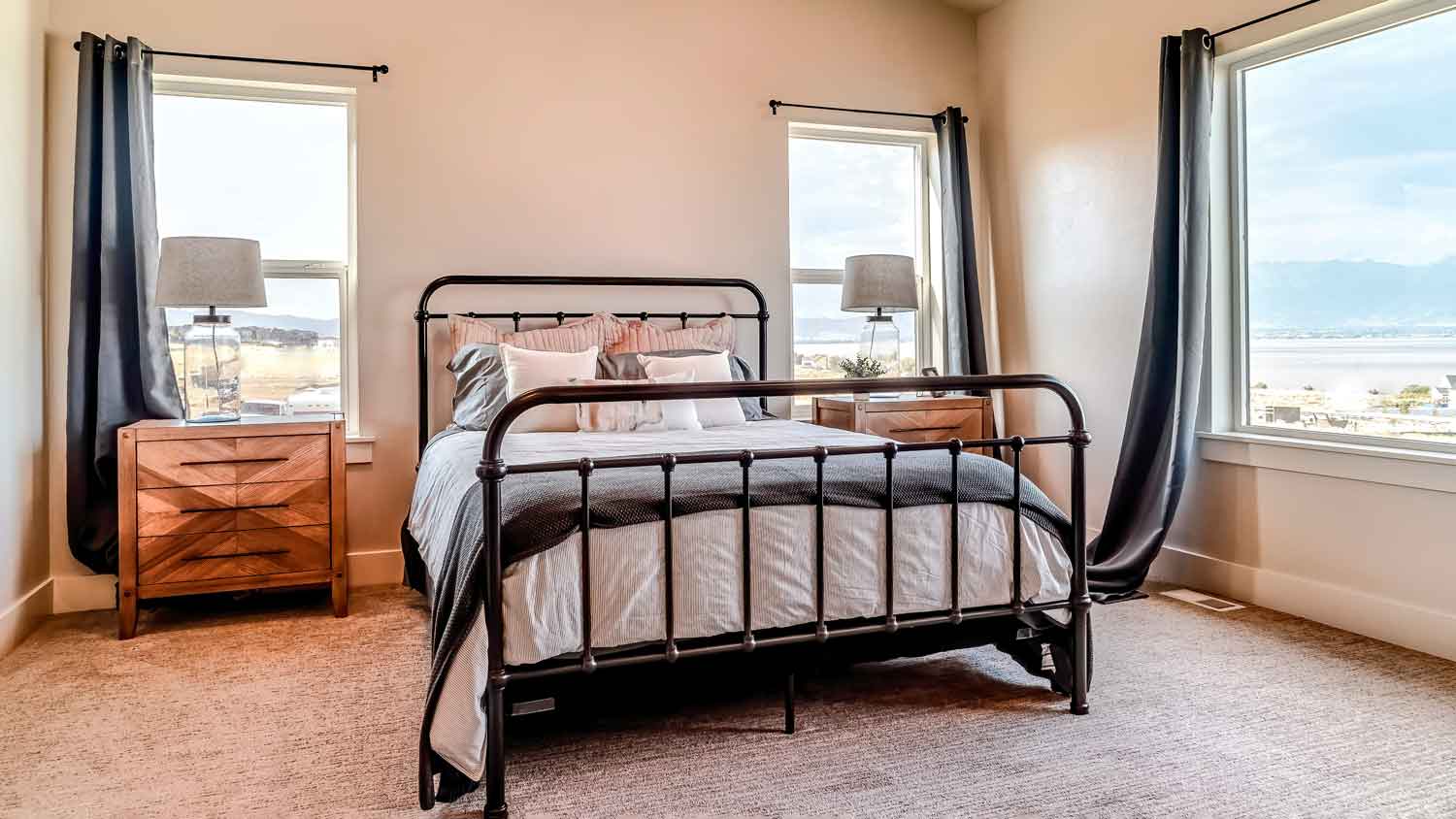
This guide breaks down the factors that influence how much it costs to move a bed frame, including frame size, weight, and distance of the move.
Though it’ll take a little time, even novice gardeners can build their own bed


Building a garden bed requires selecting a location with good sunlight access, ideally six full hours daily, plus considering soil quality and water source proximity.
Professional installation costs $300 to $3,000 for a garden bed, while adding borders increases the price to $1,000 to $3,000 per garden.
Your flower bed needs proper soil preparation, including removing grass, turning soil at least 12 inches deep, and adding compost before planting your chosen flowers.
Hiring a local gardening professional provides expert guidance on soil preparation and plant selection, helping you create a thriving flower bed that matches your yard perfectly.
Nothing increases your yard’s wow-factor like a colorful flower bed. The best part: You don’t have to make anything over-the-top to have an extravagant centerpiece for your yard, so DIYing your own bed is a great project even for amateur horticulturalists.
You can hire a local professional gardener if you want to expedite the process. But if you want to save money (and love that feeling of fresh soil in your hands), you can break ground yourself by learning how to make flower beds.
Before you get started on your DIY flower bed, there are a couple of things to keep in mind.
You can place a flower bed just about anywhere, from your front entryway to a tucked-away corner of the backyard. But keep in mind: You may want to choose an area with low foot traffic to protect the flowers from being accidentally trampled.
Here are some other factors to consider as you pick the perfect location for your flower bed:
Always be mindful of plant height: If you’re planting near a driveway or curb, will the fully grown plants impact driver safety?
Where you live: Do you live in an area that gets icy during winter? If so, salt spray runoff can kill plants, so plan around it. Also, take note of any winterization prep you will need to do.
Sunlight access: How much sun does the location get? Many types of bedding plants require six full hours of direct sunlight per day. You can choose a shady area, but this may limit what you can plant.
Soil quality: What’s the soil like? Most flowering perennials and annuals prefer loamy soil with plenty of compost. Perform a soil test and add any deficient nutrients to improve overall plant growth.
Watering: You may want to place a flower bed near a readily accessible water source, such as a garden hose.
This is the time to really let your creativity shine—the sky's the limit here. Want to place a small flower bed around your mailbox? Do it. Want to focus on tall flowering plants to help block unsightly areas of your yard? You can definitely do that.
“It is also important to take maintenance into consideration when determining the size of your garden,” says Tara Dudley, Angi Expert Review Board member and owner of Plant Life Designs. “The bigger it is, the more weeding, dead-heading, and planting will need to be done.”
Here are a few ideas to get you started (though you can consult with a local garden designer for even more):
Go geometric: A tightly sculpted geometric shape, such as a triangle, will be jaw-dropping.
Line your front walkway: Place flowers on either side of your front walkway to welcome visitors with style.
Put some color under the trees: Make small flower beds underneath trees in your yard to create a calming atmosphere.
Surround porch risers: Make circular flower beds around each porch riser for a quick DIY flourish.
You should also consider the benefits of a raised flower bed. You can purchase raised flower beds as a kit, making setup an absolute breeze. Additionally, a raised flower bed can be a great way to circumvent any nutrient deficiencies you may have in your soil, as the plants in this type of bed will primarily feed off of store-bought garden soil.

Now it’s time to break ground—literally. Here are some tips to get your lawn prepped for a flower bed quickly and efficiently.
Plot where your flower bed will go by making an outline in your yard. You can use yard marking paint or a garden hose. If you are going with a geometric pattern, be sure to use a measuring tape or ruler to perfect those straight lines.
Use a shovel to slowly and carefully dig out any grass. Remove one small section at a time, beginning at the center of your future bed. Make your way to the edges from the center, removing turf and grass as you go. Finally, lift and peel away the sod. Be careful to leave the soil intact as you clear away vegetation.
If you are placing a raised flower bed over grass, be sure to cover the turf with some newspaper and a high-quality planting mix. Finish it off with a generous layer of compost. This will keep the grass from coming through. However, make sure the turf grass is completely dead before applying new soil as there could be issues down the road with weed control. This could take up to two weeks.
If you are placing a raised flower bed over concrete, pavement, or another hard surface, start by making a protective bottom layer out of plywood planks, landscape fabric, or heavy plastic sheeting. This will help protect the original hard surface from discoloration.
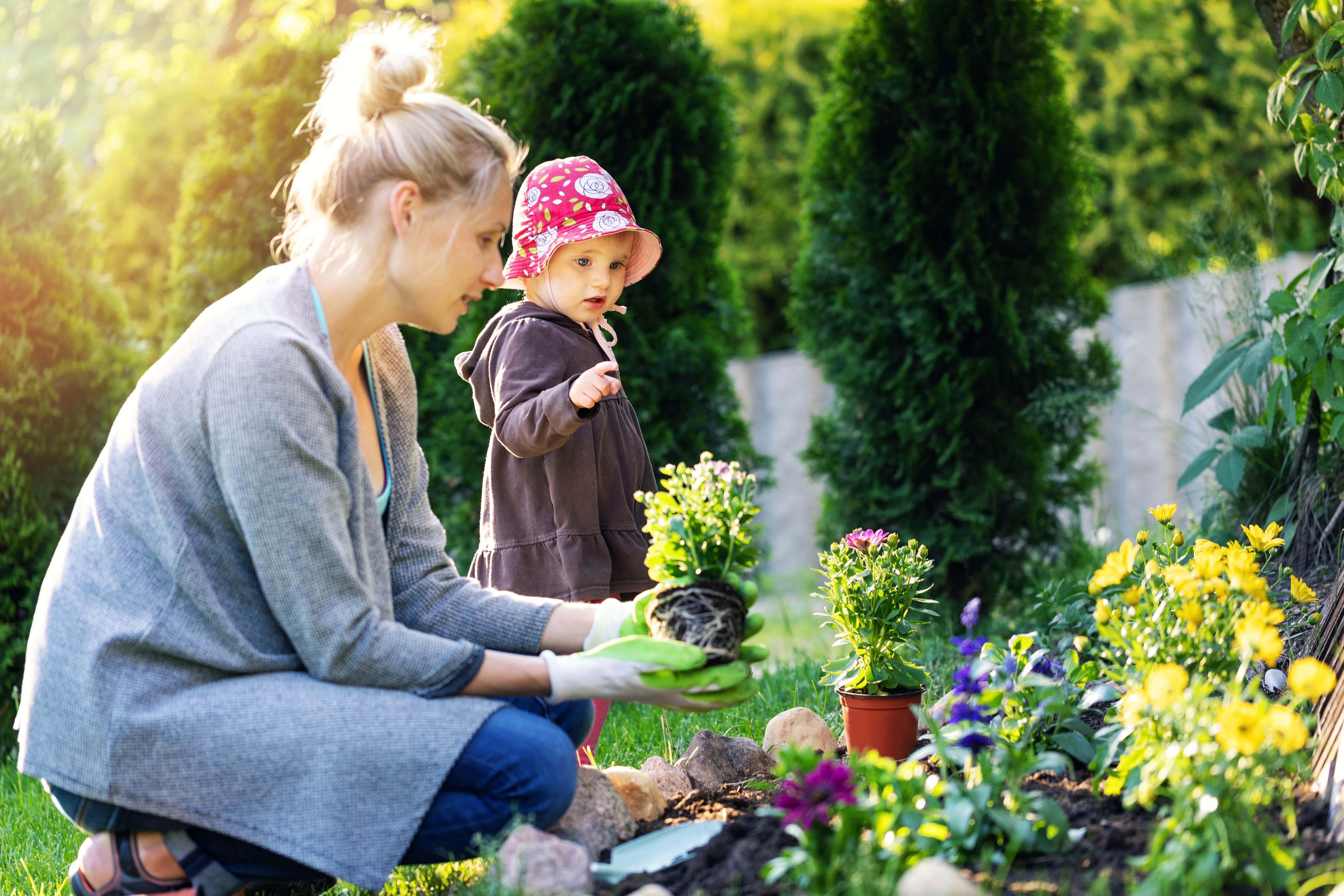
Once you’ve prepped your space, it’s time to prepare the soil. Start by clearing out any obvious debris you encounter, such as rocks and sticks. Apply a bag of soil to the treated space and add some water so it’s damp but not fully wet.
Then use a flat shovel, garden spade, or tiller to work the soil and turn it over. Try to get down at least 12 inches when turning the soil for optimum nutrition. Add a thick layer (about 2 to 3 inches) of compost and turn the soil over again. Finally, rake the surface of the soil to level it.
Once the grass has been removed and the soil prepared, you have a flower bed. Consider it a blank canvas to create any blossoming nirvana you desire. To spruce it up a bit, add some personal touches before you add flowering plants.
Put down some quirky materials to create unique landscape edging. Cover the outline you made in step 3 with plastic, stone, brick, wood, glass bottles, seashells, or anything else you think will look great.

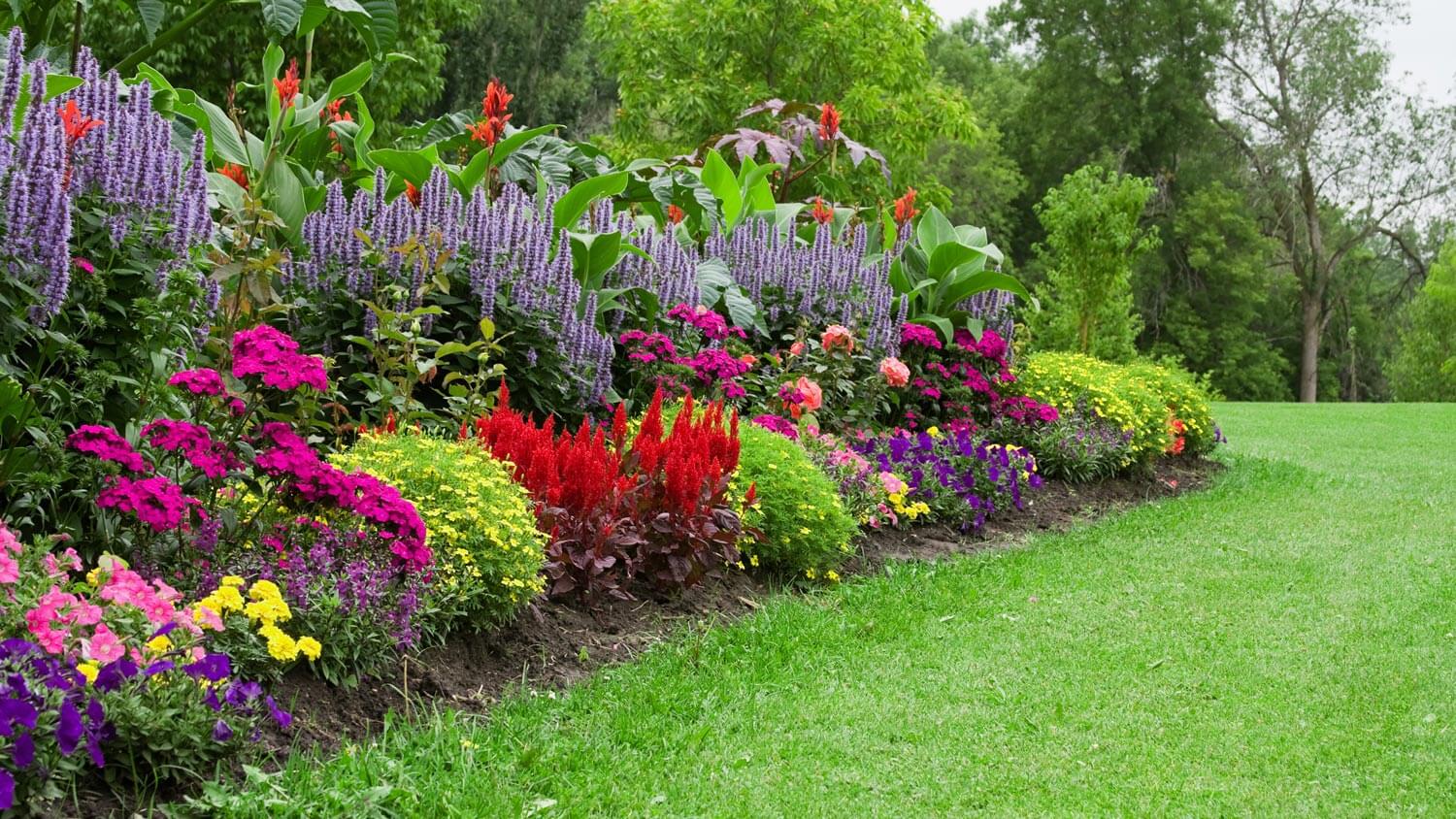
Congratulations—you have successfully made a flower bed. Now you get to fill it with any plants that catch your eye. Choose whatever flowers you love most, though there are some plants that tend to work best in flower beds, including:
Low-growing annuals such as lobelia, impatiens, and sweet alyssum are a good choice for entryways.
Taller-than-average flowers, such as hollyhocks, cosmos, and sunflowers, will look gorgeous along a property fence.
Colorful plants, including snapdragons, marigolds, and zinnias, will add elegance and serenity to a backyard.
Raised flower beds could do with a border of cascading flowers, including bacopa, moss rose, calibrachoa, and ivy geranium.
Making a flower bed is a relatively inexpensive DIY project, though it can be time-consuming. If you already have the necessary lawn care tools, you’ll just be paying for mulch, compost, and whatever plants you desire. A decent flat shovel will cost around $30 and a raised flower bed kit will cost anywhere from $80 to $1,500, depending on the complexity of the design.
If you are going to hire a pro, expect to pay $300 to $3,000, depending on the size. Gardeners will also charge extra for creating a clearly delineated border. Putting in a bed with borders will cost $1,000 to $3,000 for each garden.
First of all, the gentleman I dealt with (Cam?) was very responsive to my many questions and concerns throughout the project, which is a huge plus to me. From the first time I met him for the estimate all the way til the completion of the job, he and his crew were professional and respectful....
 All Star Paving and Sealing
We had a 20+ year old landscape lighting system that needed replacement. Midwest Lightscapes worked with us to design a much improved lighting system, lighting the exterior of the house and the back yard. Installation of the 45 light system took one and one-half days, and went very smoothly....
 Midwest Lightscapes
Another great success for me on home advisor. This company did an awesome job on my landscaping and stayed within my budget. The best part, the work was complete within 2 days of my initial request. Professional and responsive. I highly recommend!
 Blue Ring Residential Services, LLC
Norman responded to the voicemail that I left describing the situation within an hour of having left it. He was already on a job in our area and offered to come over the same day to assess the situation and give an estimate. Once he saw what we needed we set up a time 3 days later for him and...
 Pitzer Landscaping
The company no showed on me twice. The 2nd time was no call no show. They were responsive to set up the first appointment to perform the "landscape cleanup". 3 hours after their initial scheduled appointment time they called me to let me know they had some "problem" with the truck and their...
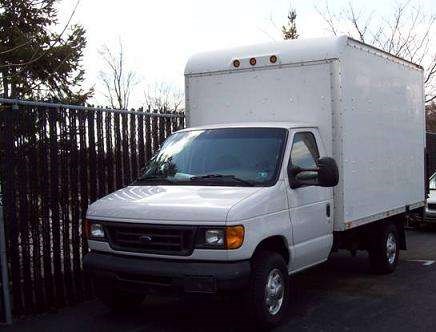 Ruby Home and Hauling Services
Received ideas for future landscape plans...quote to do the work seemed a bit high but I did not have any other quotes to compare it to, so perhaps that is the going rates. <br />
 Landscapes By Terra, Inc
All around they have done a really great job. <br /> I have used JL Landscapes for the past 8 years. I own and operate my own commercial/residential real estate company where we own, operate, and maintain our own properties. JL Landscapes has been our exclusive landscaper for both our...
 J.L. Landscapes
I left a message on Sunday requesting to schedule a time to obtain an estimate/walk-through and received a return call in the morning of the following Monday. Mark worked with me and agreed to schedule the estimate/walk-through for the following Saturday. When Mark arrived for the...
Herb Techmer did not finish what was agreed in the invoice. The work actually completed was done well, however, the entire agreement in the invoice was not honored. The following Saturday, Mr. Techmer stated he would return to finish the work. However, Herb Techmer never arrived and...
Feazel Roofing discussed the job in detail prior to beginning. The day before the work commenced they delivered the materials to the site and put them where we had agreed upon. At the time of the commencement of work, they brought numerous tarps that were blue in color. They covered the...
 Feazel Inc
From average costs to expert advice, get all the answers you need to get your job done.
This guide breaks down the factors that influence how much it costs to move a bed frame, including frame size, weight, and distance of the move.
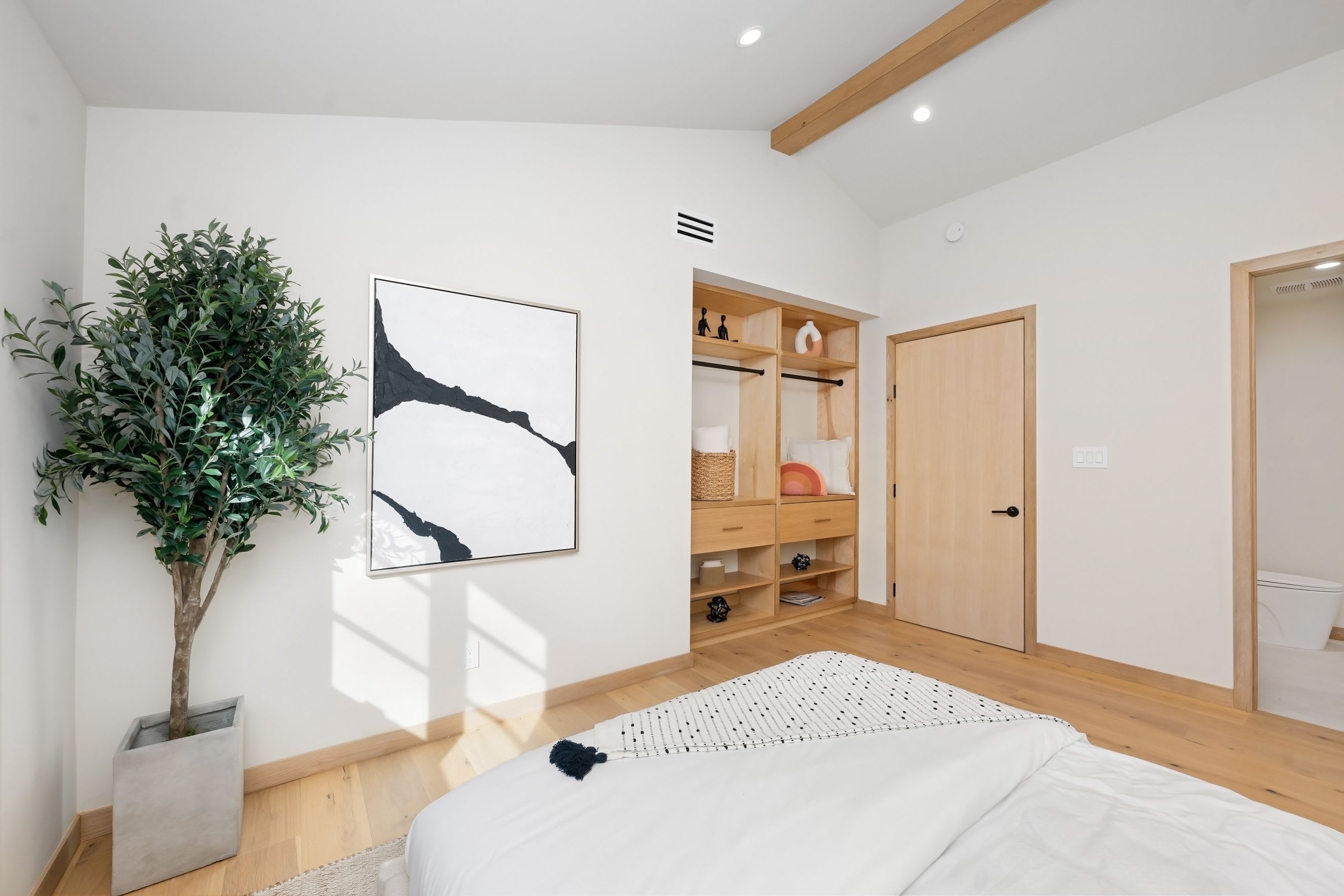
Explore Murphy bed installation costs, including average prices, key cost factors, and tips to save. Learn what impacts your project budget and make informed decisions.
It’s important to know bed bug treatment costs if you have an infestation. Our guide covers different treatment methods and cost factors to eliminate these pests.

Wondering how to stop grass from growing into your flower beds? Use these four helpful methods for keeping your grass in the right place.
Breathe new life into your home’s exterior by adding a garden. Discover some flower bed ideas to maximize outdoor living space, and watch as your yard blooms.
You garden for the beautiful flowers, but you'll need to know how to kill grass in your flower beds to maintain healthy soil. Learn how in this guide.