
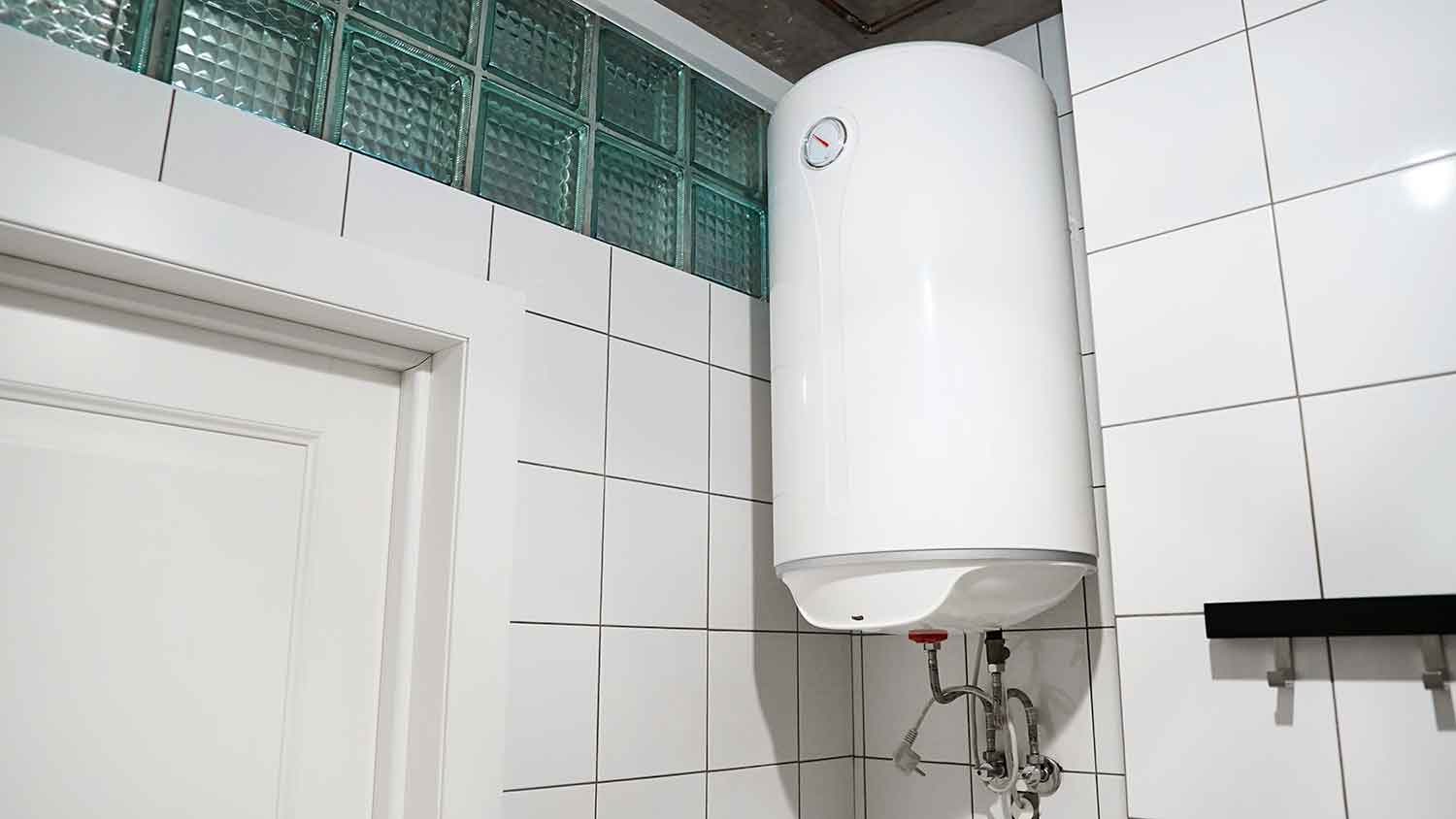
Running out of hot water too quickly or hearing strange noises when you call for hot water? Use this water heater repair cost guide to see what a fix will cost.
You’ll be enjoying your hot water in no time

One of the best defenses your hot water heater has against its nemesis, sediment, is its anode rod. This length of metal extends into the tank from the top or side, taking all the punishment from the sediment that collects inside it so your hot water tank doesn’t have to. It’s fitting that water heater pros refer to this integral piece of your hot water heater as the sacrificial anode, as it gives its life to extend that of your water heaters. In fact, an anode rod can keep your hot water heater going another five to 10 years, but that’s only if you replace it every three to five years. Follow these steps on how to replace an anode rod in a water heater in a few simple steps.
Start by checking the warranty on your hot water heater. In some cases, the manufacturer may void its warranty if you replace the rod yourself.
In order to change the anode rod safely, you’ll first need to shut off power and gas. Begin by turning off the power to the water heater at the circuit breaker to eliminate the risk of electric shock. Then head to your home’s electrical panel and flip the water heater’s breaker.
If you have a gas hot water heater, you should also turn off the gas supply. Look for a single-handle valve near the bottom of the unit and turn it so the handle is perpendicular to the gas pipe to stop the flow of gas to the water heater’s burner.
Depending on the type of hot water heater you have, you’ll either have to drain it partially or completely before you can remove the anode rod. Since you’ll be draining the water heater to remove the rod, you can kill two birds with one stone by using this opportunity to also flush and clean the water heater.
First, shut the valve on the cold water line that’s responsible for filling your water tank. Next, open a hot water faucet somewhere in your home to relieve pressure on the tank. Water won’t drain from the water heater unless a faucet is open. The closer the faucet is to the heater, the faster it will drain.
Next, you’ll want to connect a garden hose to the drain valve at the bottom of the tank and run the end of the hose to your basement drain or a location outside your home. Open the drain valve and drain about two gallons of water if the anode rod is located on the top of the tank. If it’s on the side, you’ll need to drain it entirely.

Look at the top of the tank for a hexagonal-shaped plastic cap, which marks the location of the anode rod. If you can’t locate it on top of the water heater, check the sides. Once you find it, remove the plastic cap to expose the anode rod head. There may be insulation under the plastic cap. If so, use a screwdriver to dig it out, so you can get to the rod.
Insert a 1/16-inch socket over the anode rod head, then use a breaker bar to rotate it counter clockwise. Since anode rods corrode over time, they’re notoriously difficult to loosen from water heaters. While you can attempt to use a standard socket wrench, you likely won’t be able to generate enough torque to break the anode rod’s seal. Use the breaker bar instead. Its longer length will give you the power you need to free the rod.
If you have another set of hands available, have your helper hold on to the tank to prevent it from moving while you’re attempting to remove the rod. If the rod is especially stubborn, try tightening it slightly to break the threads loose before loosening it. Never use penetrating fluid on an anode rod as it can seep into the tank, contaminating your water supply.
Expect some water to leak out as you're removing the anode rod, so have a rag nearby to wipe it up.

Lift the anode rod out of the hot water tank. If you have limited clearance around your hot water heater, you may need to bend the anode rod to get it out. Be careful with this step, as the anode rod may still be hot.
Once the rod is out, you’ll likely notice deterioration on the rod, which is normal wear and tear. If the anode rod has so much sediment attached to it that you can’t remove it from the tank, then it means it’s still working. Tighten the rod back in place and check it again in a year.
Wrap the threads on the new rod with Teflon™ tape. You’ll want to make at least six revolutions around the rod’s threads to ensure there’s a water-tight seal once you install it. Don’t skimp on the tape or you could end up with a leak, forcing you to remove the rod and re-wrap it.

Slide the anode rod back into the tank. Thread it a few turns by hand, then use the socket and breaker bar to tighten it another half turn. In some cases, you may not have enough clearance above your water heater to install the new rod. In that case, use a flexible replacement rod.
Make sure the hot water tank drain is closed and turn the cold water supply back on. Open the hot water faucet you used to drain the tank and allow water to flow through it until all the air has been removed. The faucet will make hissing and sputtering noises as air escapes from the line. Check for any leaks around the anode rod then turn on the power and gas. If you have a gas water heater, check with the manufacturer’s instructions to relight its pilot light.
While you might be inclined to let a local water heater repair professional handle replacing an anode rod, this is a relatively easy job you can complete in about an hour with basic hand tools and little to no plumbing experience. You’ll spend between $20 and $50 on the rod. If you choose to hire a water heater pro to get the job done, an anode rod replacement will cost you between $200 and $300.
If you’re not sure whether to handle this repair yourself, first examine your water heater. If there’s very little clearance around the water heater, changing the anode rod will likely be a more complicated process. In that case, it may make sense to hire a pro to handle the anode rod replacement.
If you’re good people wanting to do business with good people, hire Matt. He is a consummate professional and utterly competent. He installed a water heater in my home at a price that beat competitors by hundreds of dollars with a promise to support the unit for its life (even after its 6 yr...
 Greene's Plumbing Services
As usual with ECO, tech Jordan was outstanding, very professional, very knowledgeable, and very thorough with repairs made to tankless water heaters. Very highly recommend ECO!!!
 Eco Plumbers, Electricians, and HVAC Technicians
Did a great job replacing the ice maker and water regulator on my refrigerator. He was quick and thorough, very friendly and professional. If I needed a heart transplant I'd want him to do it!!!
We had a gutter blockage that was causing water to sheet down the side of the house and ultimately it started to come in at a window (need mortar people next). Called around 7:30am, and he responded by 8am. He was able to come out the same morning and do a look over and clean out. He also...
Scott checked our large crawl space for mold and water infiltration and recommended a viable solution. The crew was efficient and they cleaned up well after the job. The job was expensive but I am confident that I won't have to deal with the problem again. Highly recommend.
 AdvantaClean of Dublin
Chaz, the owner, was very responsive and he communicated with us throughout the entire process. The overall cost was in the middle compared to the three estimates we received. The installation crew was very professional. Chaz was considerate enough to send a crew back to our home to repair...
 Unique Hardwood Floor LLC
They were the most through inspecting the water system in my house. Even going the extra mile to get the water professionally tested for contamination.
 Hague Water Conditioning, Inc.
It went very well. The drain is absorbing all the access water. I had other estimates a year earlier and Hughes was right on. I will use them, again.
 Hughes Construction Co
We had water in our basement and Roto Rooter was original contact to evaluate the situation. We were informed that our sewer main was fractured and needed repair. We received their estimate and then looked for counter offers. Ohio Basement Authority came with the best quote for the work. Once...
 Ohio Basement Authority
Carpets came out very well, as usual (we have used them before). The price was right and the service was great. When we had an issue with water spots on our hardwood stairs from dripping equipment, they made it right immediately, and were very professional about it. Great company to work...
 Downey Clean Carpet Cleaning
From average costs to expert advice, get all the answers you need to get your job done.
Running out of hot water too quickly or hearing strange noises when you call for hot water? Use this water heater repair cost guide to see what a fix will cost.

Looking to replace or upgrade your water heater? Use this water heater replacement cost guide to see what the work will cost and what factors affect your total.
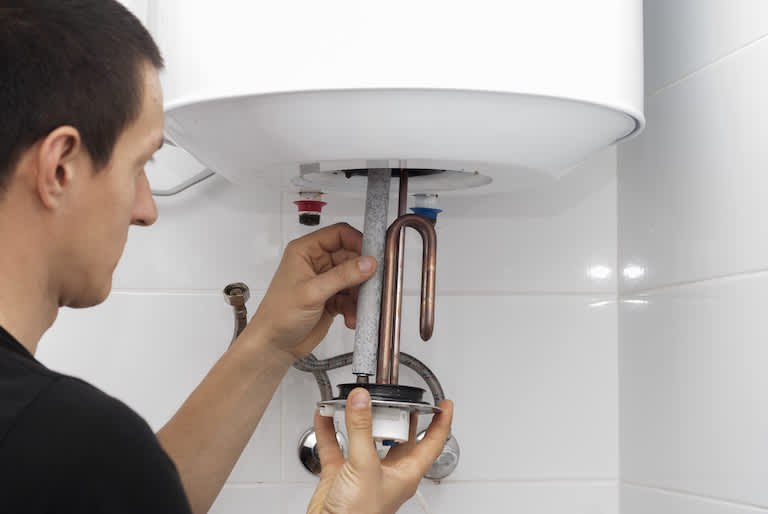
You might have never heard of an anode rod, but if your home has a traditional tank hot water heater, then it’s something you should know about. The anode rod is key to the life and performance of your water heater and should be routinely inspected.
Water heaters don’t last forever, but you can help them stick around for a little longer with proper routine maintenance. This comprehensive guide will provide you with the tips you need to extend your water heater’s life span.

Many homeowners don’t know the importance of water heater maintenance until it’s too late. If your water tank leaks, or even bursts, you may wake up to a catastrophic pool in your home. Prevent disaster by following these seven easy steps.

Is there water in your water heater pan? Why is my hot water heater leaking? We’ll review common causes for leaking water heaters—and what to do.