

Tankless water heater costs depend on the size of your water heater, location, fuel type, and more. Keep reading to calculate your expenses.
See how these tankless water heaters stack up against each other

Condensing tankless water heaters include a secondary heat exchanger to recycle heat, while non-condensing models release heat through ventilation without recycling.
Expect to pay $1,400 to $3,825 for tankless water heater installation, with condensing models costing more upfront but offering better energy efficiency over time.
Your choice between condensing and non-condensing depends on budget, available space, energy savings goals, and whether you can maintain the condensing unit's drain system.
Hiring a local water heater installation professional keeps your installation on track, handling proper sizing, ventilation setup, and ensuring your new system meets local codes.
If you’re ready to swap out a conventional water heater, choosing a tankless water heater is a solid investment. According to Energy Saver, tankless water heaters are 8% to 34% more energy efficient, depending on your water consumption and the type of tankless water heater you choose.
To help you decide, we’ve rounded up condensing vs. non-condensing tankless water heaters to show several key differences worth considering before you hire a local water heater pro to install a tankless water heater.

| Type of Difference | Condensing Tankless Water Heater | Non-Condensing Tankless Water Heater |
|---|---|---|
| Design | Contains a secondary heat exchanger | No secondary heat exchanger |
| Energy Consumption | Energy-efficient recycling system | No energy-efficient recycling mechanism |
| Size | Larger size | Smaller |
| Cost | Higher cost | Lower cost |
| Maintenance | Higher maintenance | Lower maintenance |
| Lifespan | 15–20 years | 15–20 years |
While both condensing and non-condensing tankless water heaters produce hot water on demand, several differences could make either one the best tankless water heater for your home, depending on the circumstances. Let's break down these differences to help you decide which water heater is right for your home.
As the name suggests, a condensing tankless water heater uses condensation as part of the heating process. This water heater has an extra heat exchanger to recycle heat and continuously heat cold water, and provide hot water to your home.
Unlike condensing tankless water heaters, non-condensing water heaters lack that extra heat exchanger. This means that heat is not recycled. Instead, any heat leaves the unit through a ventilation system, which releases the gases outside your home.
Since condensing tankless water heaters recycle and reuse heat produced through combustion, they’re far more energy-efficient than non-condensing tankless water heaters. With a non-condensing water heater, a large amount of the energy generated to produce the heat goes to waste without that secondary recovery.
The size of your water heater plays a role in determining whether you can even have that water heater in your home in the first place. Condensing tankless water heaters take up more room than non-condensing tankless water heaters due to their additional heat exchangers. This could be an issue for smaller homes or homes that don't have enough space to accommodate a larger unit.
Tankless water heaters cost anywhere between $1,400 and $3,825 on average. Since condensing tankless water heaters contain an extra mechanism for recycling heat, they tend to cost more than non-condensing tankless water heaters.
At the same time, condensing tankless water heaters consume less energy, so you will save some money on the cost of your electric bills. These savings help offset the upfront cost of your condensing tankless water heater in the long run.
You also need to factor in the cost of installing the venting unit for a non-condensing tankless water heater. The venting uniting costs more than ventilation for a condensing tankless water heater due to the condensing tankless water heater’s cooler exhaust gas.
Tankless water heaters don't generally require much maintenance. Still, it's important to keep in mind that condensing tankless water heaters require more maintenance because they have that extra heat exchanger and a more complicated design. Non-condensing tankless water heaters don't need a drain, but condensing tankless water heaters do need you to know how to drain a water heater to remove excess condensation. On average, the cost to flush a water heater runs $150 to $250 for tankless units.
Both condensing and non-condensing water heaters have a lifespan of 15 to 20 years. To ensure your water heater lasts as long as possible, perform proper maintenance and have a professional inspect and service it annually.

Every home is different, making it a little tricky to know which tankless water heater is the best fit for your home. To determine which tankless water heater is best for your house, ask yourself the following questions:
What is your budget?
How important to you is maximizing energy efficiency and energy savings?
Are you prepared to maintain and drain a condensing tankless water heater?
How much space does your home have to accommodate a tankless water heater?
If you’re good people wanting to do business with good people, hire Matt. He is a consummate professional and utterly competent. He installed a water heater in my home at a price that beat competitors by hundreds of dollars with a promise to support the unit for its life (even after its 6 yr...
 Greene's Plumbing Services
As usual with ECO, tech Jordan was outstanding, very professional, very knowledgeable, and very thorough with repairs made to tankless water heaters. Very highly recommend ECO!!!
 Eco Plumbers, Electricians, and HVAC Technicians
Did a great job replacing the ice maker and water regulator on my refrigerator. He was quick and thorough, very friendly and professional. If I needed a heart transplant I'd want him to do it!!!
We had a gutter blockage that was causing water to sheet down the side of the house and ultimately it started to come in at a window (need mortar people next). Called around 7:30am, and he responded by 8am. He was able to come out the same morning and do a look over and clean out. He also...
Scott checked our large crawl space for mold and water infiltration and recommended a viable solution. The crew was efficient and they cleaned up well after the job. The job was expensive but I am confident that I won't have to deal with the problem again. Highly recommend.
 AdvantaClean of Dublin
They were the most through inspecting the water system in my house. Even going the extra mile to get the water professionally tested for contamination.
 Hague Water Conditioning, Inc.
Very well. Have already used them again to fix hot water heater
 Service Olympians
The Paul Davis team was very professional and went the extra mile to take care of my water damage. The work was very high quality and done in a timely manner. I would highly recommend their services.
 Paul Davis Restoration
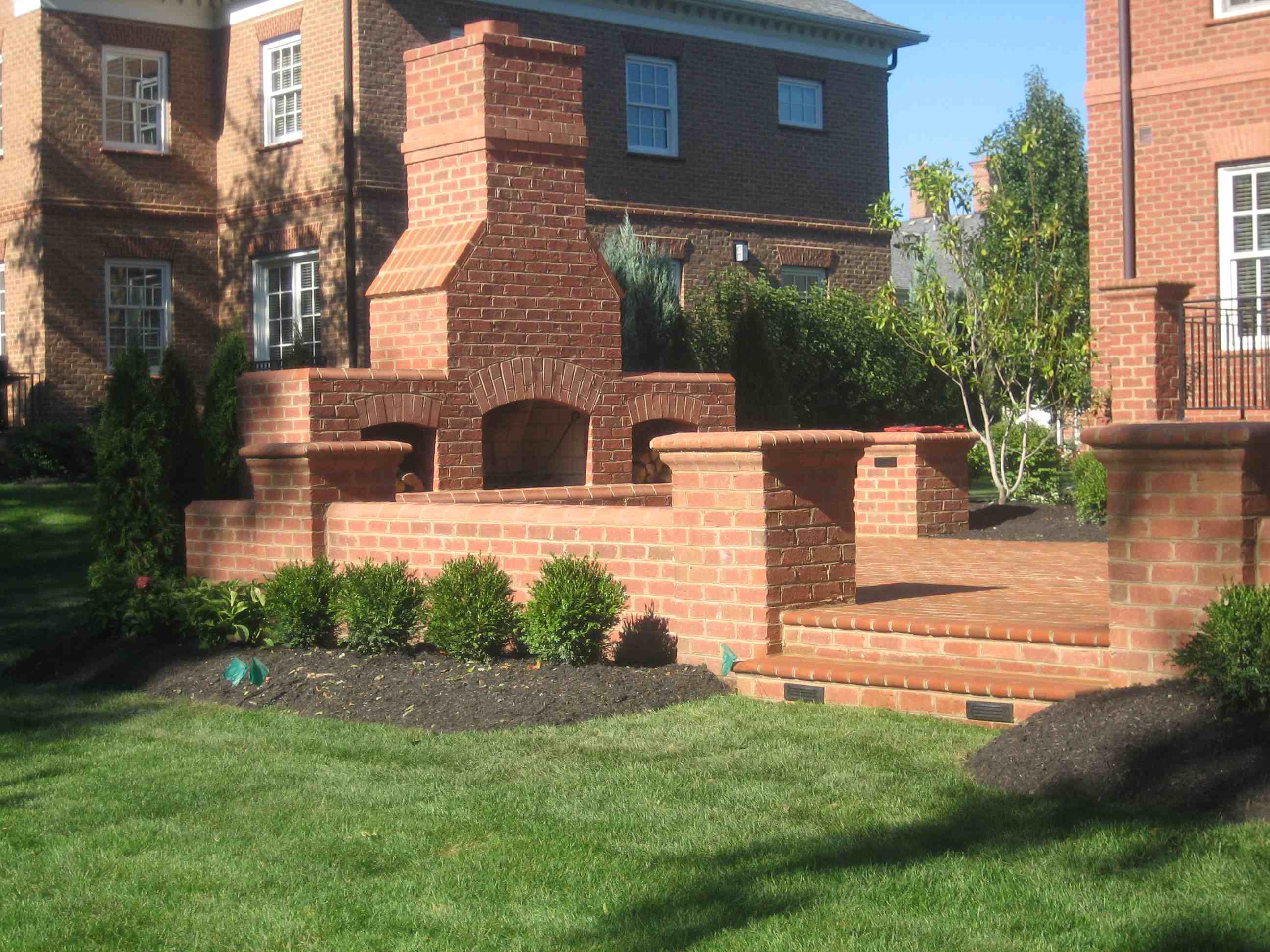
Honesty is hard to find in business today. GBR met me today at a 3 story building regarding my being told that I needed to tuckpoint the brick because of water leaks. The owners took the time to evaluate the situation and advised me that I did not need their service at all. They pointed me...
 GBR Masonry Inc
They unclogged the drain and sent me a bill for more than 4 times what I paid before. I called the Water Works to ask why the bill was so high and that they should have gotten my authorization before assuming they could make expensive decisions like that on my behalf and for their benefit....
 The Waterworks
From average costs to expert advice, get all the answers you need to get your job done.
Tankless water heater costs depend on the size of your water heater, location, fuel type, and more. Keep reading to calculate your expenses.
If you’re having problems with your air conditioner’s condenser, it may be time for an upgrade. Learn about the cost to replace an AC condenser in this guide.

In the battle of condensing versus non-condensing furnaces, the latter wins in energy efficiency. Does that mean it’s the best choice? It all depends on your home and budget.
Evaporator coils and condenser coils serve complementary functions. Find out how to tell the difference between an evaporator coil vs. condenser coil.
You know filters, fans, and compressors, but do you know what a condensate drain line is? Discover how a small pipe safeguards your AC unit and home from major issues.

Why is condensation on the inside of your window? There are a few reasons this could be happening, and we break them down here.