
Installing an outdoor outlet is a relatively affordable way to take your outdoor space to the next level. Find out the cost to install outdoor outlets
Power up your outdoor kitchen

More than just a space for a grill and a picnic table, an outdoor kitchen has all the amenities you need to feed and entertain right in your backyard. For that reason, it needs a dedicated electrical circuit and outlets to meet complex cooking needs.
Installing an electrical outlet in your outdoor kitchen is best left to a local electrician. However, if you possess high-level DIY skills and have education in electrical installation safety, this project can be a fun challenge. Otherwise, knowing the steps involved will help when talking to the pros.
Whether you’re making gourmet pizzas, whipping up cocktails for the neighbors, or simply want to install some outdoor kitchen lighting, you’re going to need outlets. Before you get started, follow these safety tips. If the below feels too advanced to try to DIY an outdoor kitchen, consider hiring a pro.
Working with electricity and electrical circuits is dangerous, so only take on this project if you have prior electrical experience. Faulty or incorrectly wired circuits can and do cause home fires. Electrical shocks kill approximately 400 people each year, according to an article in the National Library of Medicine.
Building an outdoor kitchen requires building, electrical, and plumbing permits. Hired electricians are responsible for obtaining the one they need and scheduling the subsequent inspections. If you’re doing the work yourself, you’ll need to get one through your local permitting office and schedule the inspections. This should be considered when estimating the cost to build an outdoor kitchen.
The National Electrical Code® requires that all outdoor outlets be GFCI outlets. You’ll typically find these outlets anywhere that you’ll find water, like bathrooms, basements, and yes, outdoor kitchens. This type of outlet helps protect against electrocution, so you’ll be grateful you have them if a rainstorm interrupts your barbecue.
While you should still avoid getting any outlets wet, GFCI outlets are designed to turn off if they come into contact with liquids.
Although you haven’t run any wires yet, be sure to turn off the power supply at the electrical box that supplies power to the area you’re working in.
Make sure you have everything you need to do the job. This helps minimize the number of trips to the hardware so you can focus on the task at hand.
Water and electricity are a deadly combination, so it’s important to make sure you do everything you can to avoid the two coming into contact with each other, especially with you or someone else nearby.
You don’t want other people or pets wandering into the area just as a precaution to keep them and you safe from possible injury.
For this project, having a plan ahead of time can save frustrations later.
Choose a location for the electrical wiring to exit the house. Ideally, pick a place with easy access to both the electrical panel and the inside of an exterior wall.
Drill through the exterior wall to accept an LB fitting.
Mark the location of the future outlet.
Mark a route from the house to the outlet, as straight as possible on the ground where you’ll bury the conduit and electrical cable.
The National Electrical Code® requires unprotected type-UF cable to be buried at least 24 inches below grade.
Following the route marked earlier, dig a trench at least 24 inches deep from the wiring hole on the house to the outlet’s location.
The unprotected UF cable still needs protection where it emerges from the ground. Follow these steps for running electrical conduit outside.
Install PVC conduit to an LB conduit body fitting and install in the location of the wiring exit from the house. The conduit must extend to 18 inches below the finished grade. Secure it to the exterior wall with electrical conduit straps.
Install PVC conduit to 18 inches below grade at the outdoor kitchen and attach the other end to a waterproof, outdoor electrical box.
Install the UF cable through the conduits and lay it at the bottom of the trench.
Leave about 6 inches of extra wire protruding from the outlet box.
Continue the cable through the LB fitting and into the house.
Install the cable to the electrical panel according to code. Leave several feet of extra wiring accessible.

If your locality doesn’t already require using tamper-resistant outlets, we recommend installing them for this project.
In the outlet’s electrical box, open the cable with the ripper tool and utility knife. Strip each wire end approximately 3/8-inch.
At the side of the GFCI outlet marked “Line,” connect the black wire to the hot side, the white wire to the neutral side, and attach the ground wire.
You’ll use the “Load” side of the outlet when you continue a string of connected outlets.
Screw the outlet into place and install the waterproof cover.
Disconnecting power at the main breaker in the electrical panel only shuts off power to the circuit breakers. Potentially lethal electrical power is still present in the electrical panel. Use extreme caution.
Switch off the main power circuit breaker.
Remove the electrical panel’s cover with caution.
Use a multimeter to check that there’s no electrical current at the breakers. Place one test probe on the neutral bus bar and one probe on the contact screw of an installed breaker switch. Continue work only if no electricity is present.
Install a new breaker switch in a vacant location.
Following electrical building code requirements, insert the wire and connector clamp through the exterior of the electrical panel.
Attach the grounding wire to the ground bus bar.
Attach the neutral wire to the neutral bus bar.
Connect the black wire to the new breaker at the contact location. Leave the switch turned off.
Remove the filler plate cover on the panel's front cover.
Reinstall the panel cover.

Before closing everything up, let’s make sure it all works.
Turn on the main power switch.
Turn on the new breaker switch.
If the breaker trips immediately, retrace your steps and locate the problem before proceeding further.
Test the outlet with the GFCI electrical tester. Remember to test the tripping function also.
Before covering up the trench or hiding any wiring, your local electrical inspector needs to sign off on your permit.
Schedule an electrical inspection.
After the inspector gives their approval, you can backfill the trench and begin enjoying your outdoor kitchen.
Installing an electrical outlet yourself costs between $125 and $175 to cover the cost of materials. Professional outlet installation costs between $50 and $100 per hour and will take several hours to complete.
There are numerous things to consider when designing and building an outdoor kitchen. It may not be every homeowner’s idea of an enjoyable project. If that’s the case, a local outdoor kitchen installer can supply a team of tradespeople to complete all of the details of your new space and include the electrical cost in their job bid.
Deane Biermeier previously contributed to this piece.
I recently had Mosby Electric perform an electrical installation on 8-14-2026, and I couldn’t be more satisfied with the service. From the moment I called, their team demonstrated fast arrival and professionalism. The electricians were highly knowledgeable, completing the installation...
 Mosby Electric
Great company! Price was competitive, technician showed up on time and completed the job (exterior electric Radon fan replacement) quickly. Would hire them again.
 MaGen Property Inspections and Radon Mitigation
I conferred with 2 other contractors before Armstrong Electric. Nick and his crew showed me that the project was not as convoluted as the other contractors made it appear to be. They completed the entire project on time. They were professional, friendly and cleaned up after at completion. I...
 ARMSTRONG ELECTRIC, LLC
The techs on my project, Shawn and Cliff, were great. They were prompt, courteous, and efficient. I am very happy with the results and would definitely contact Mr. Electric for any future electrical projects.
 Mr. Electric of Columbus
Victor was wonderful. He was on time, professional, and explained everything he was doing. He was thorough and figured out that the problem was electrical instead of with my HVAC system. Very knowledgeable. I will be using this company in the future for any HVAC needs. Thanks!
 Hubbs Heating & Air LLC
They were excellent. They did a great job. I was totally satisfied. They put tremendous effort in making sure the work was completed. They were great. They provided immediate response to any inquires I made. I would hire them again. I would recommend them to anyone who needs electrical work....
 JCB & Associates, LLC DBA Property-Tech Industries
Initially, the repairman could not find the problem. Apparently, there was some electrical shortage, but he could not find the definite problem. He left, but called back later to say he had a new idea. He returned and replaced the light switches on the doors. The refrigerator seemed to return...
 Appliance Pro LLC
The initial quoted price from a walk-through seemed high, but we discussed that the quote represented worst case scenario (re-wiring to two floors) and we were excited about the opportunity to have the work done in a timely manner with closing for fire safety reasons, etc. When the job was...
I have to tell you I am all about customer service - I will go out of my way and even pay more for it if you give me great customer service. <br> <br>In a world where this is hard to find, these guys were awesome! I can not sing their praises enough. They were prompt, personable, funny, got...
 Waibel Electric
When I challenged the markup on the generator, Bruder Electric withdrew its bid. They only want naïve customers.
From average costs to expert advice, get all the answers you need to get your job done.
Installing an outdoor outlet is a relatively affordable way to take your outdoor space to the next level. Find out the cost to install outdoor outlets

If you’re planning to hire an electrician to install outdoor lights, consider cost factors like light type, bulb type, quantity, and more.

Keep pool-side dreams from getting short-circuited by being aware of pool electrical installation costs and how they can affect your overall budget.

Cooking outside is one of the biggest summer perks, and covered outdoor kitchen ideas will keep your set-up safe from the elements no matter the weather.
Wondering who to call for a fast and easy lamppost installation? Our guide covers who should install a lamppost and the general cost for this project.
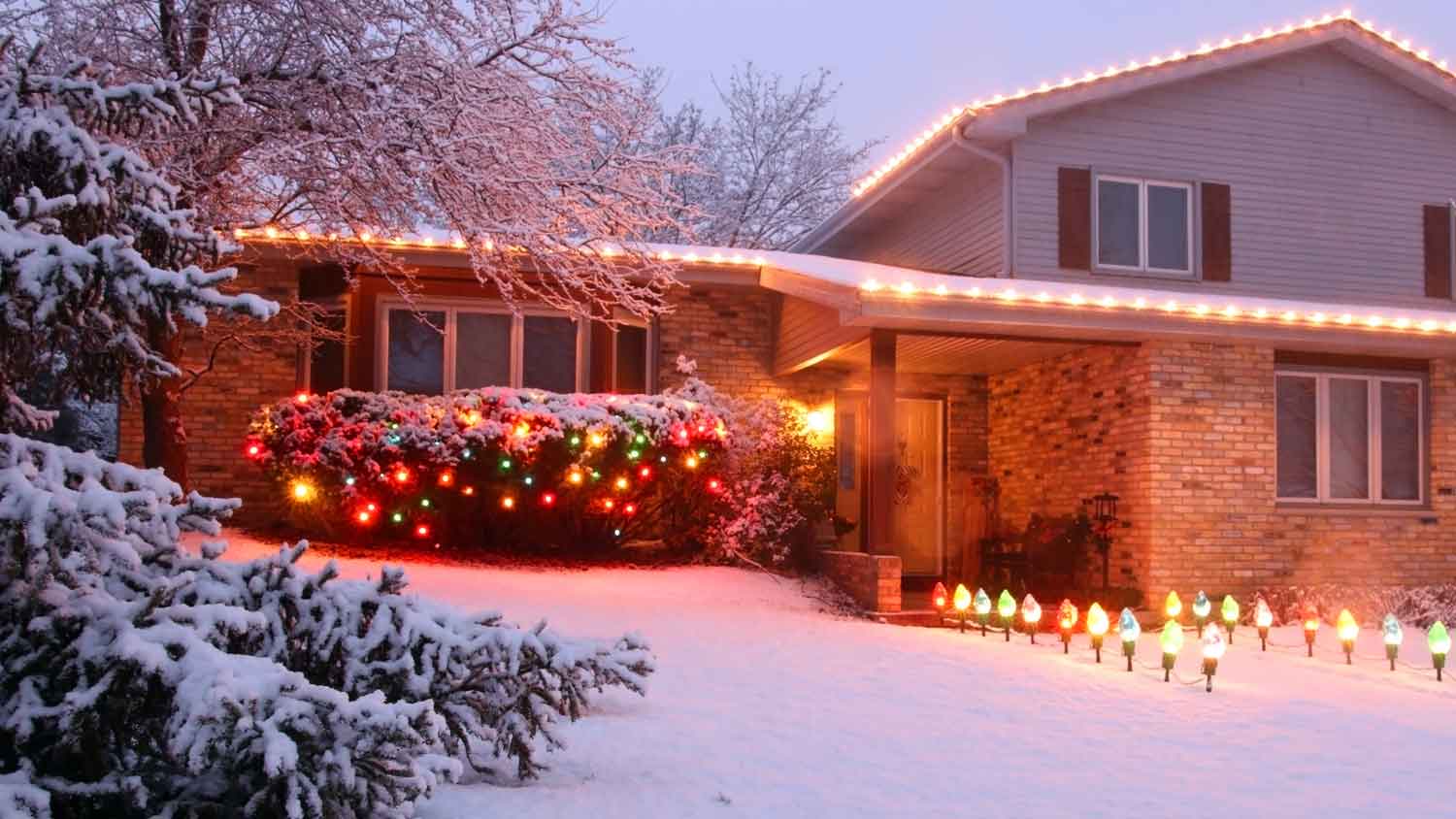
Don’t let logistics like power sources limit your holiday light display imagination. Follow these tips on how to power outdoor Christmas lights for a merry and bright holiday.