

From wood chips to grass clippings, we like to throw around the word mulch. But what is mulch, and how do you use it properly? Let's break it down.
Enrich your squash and tomatoes with the extra nutrients they need

Organic vegetable garden mulches like leaves, grass clippings, and straw break down over time to add essential nutrients to your soil while controlling weeds.
Wood chips and bark mulch insulate your garden against cold temperatures and last longer than other options, making them ideal for year-round protection.
You should apply mulch to your vegetable garden twice a year in spring and mid-season to maintain consistent moisture levels and keep weeds under control.
Hiring a local mulch delivery professional ensures you select the right mulch type for your garden's specific needs and soil conditions, taking the guesswork out of material selection.
If you started your vegetable garden with unbounded promise and enthusiasm, only to find yourself spending your Saturday afternoons pulling weeds, you might be missing a critical veggie garden component: mulch. But to keep weeds at bay and your soil consistently moist, you don’t want just any mulch. Learn about the best mulch for vegetable gardens for juicy tomatoes, crunchy green beans, and more.
Keep in mind that it’s best to mulch your vegetable garden twice a year—in the spring and again mid-season—to keep your garden looking its best. Before you run to the garden center, calculate how much mulch you need so you don’t lug home extra bags. On average, mulch costs between $30 and $120 per cubic yard when you opt for professional installation.
A soil test can tell you specific nutrients your soil needs in order to grow plants and grass. For example, a clay or marshy soil could mean your plants take longer take root and grow, which is important information to have when starting your project.


You can use all those leaves lying around your lawn as a garden mulch. However, you’ll want to make sure they’re shredded, or they may keep water from passing through into your soil. You have to rake your leaves anyway, so why not turn them into nutrient-rich mulch?
| Pros of Leaf Mulch | Cons of Leaf Mulch |
|---|---|
| Low cost in the fall | Requires a lawn mower to break up the leaves |
| Encourages earthworms | Requires multiple layers |
| Insulates against the cold | Can blow or wash away |
| Prevents mold and veggie disease | Can block sunlight from reaching the soil |
| Helps the soil retain moisture |

Grass clippings are easy to come by and happen to be one of the most popular organic mulches. When comparing organic mulches versus rocks, for example, grass clippings, leaves, wood, and hay break down to add nutrients, while rocks only assist with drainage and erosion.
When it comes to grass clipping mulch, just take the bag on your lawn mower and empty the leaves into your garden. Grass clippings are also great for keeping weeds down, and they break down and provide nutrients more readily than many other types of mulch.
However, you shouldn’t apply grass clippings that have been recently treated with pesticides, which can harm your plants, or fertilizer, as the amount of nitrogen in grass fertilizer is too high for most produce. Finally, note that any weeds that were in your lawn will make their way into your garden.
| Pros of Grass Mulch | Cons of Grass Mulch |
|---|---|
| Low cost throughout the year | Too thick a layer can prevent airflow |
| Insulates the ground in the cold | Can’t be used when treated with pesticides or fungicides |
| Discourages weed growth present in the garden | Can spread weeds from your lawn |
| Adds nutrients to the soil | Requires multiple layers |

Shredded bark can be one of the most attractive mulches for your garden. Because you would rather spend time enjoying your vegetable garden, you’ll be glad to know that you won’t have to mulch as often when you use bark, as it breaks down more slowly than other mulches. Making your own mulch, in this case, requires a wood chipper or even a pair of pruning shears to break up the bark and wood.
Keep in mind that bark runs on the acidic side, which can impact sandy soil in a good way but can also cause damage to roots if the pH is too high. Check with your local mulch delivery pro to ensure it works with your garden.
| Pros of Bark and Wood Chips | Cons of Bark and Wood Chips |
|---|---|
| Budget-friendly options from the garden store or the DIY route | Requires a wood chipper or labor-intensive breakdown |
| Balances moisture levels in the soil | Alters the pH of your soil |
| Insulates against the cold | Some wood varieties discourage seed growth |
| Thick layers can suppress weeds | Too thick a layer can block air and sunlight |

Both hay and straw break down quite quickly, but not as quickly as grass clippings or leaves. Besides, hay and straw exude a sweet, earthy smell after a noonday rain. Just make sure your hay or straw hasn’t been sprayed with pesticides before laying it around your plants. It can cause problems for your veggies.
| Pros of Hay and Straw Mulch | Cons of Hay and Straw Mulch |
|---|---|
| Lasts longer than other varieties | May be sprayed with pesticides |
| Easy to spread on flat ground and sloped yards | Can throw off soil's pH and nitrogen levels |
| Insulates the earth against heat and cold | May attract termites or rodents |
| Encourages healthy drainage | May blow away when not weighted down |

You may be surprised to know that cardboard makes an excellent mulch for your vegetable garden. Your homeowner’s association might not love the look of it, but it’s a great way to give new life to unused boxes. It also can add nutrients to the soil and suppress weeds.
As good as it is, cardboard needs to be wet before laying it around your vegetable plants. It will quickly decompose while also preventing it from blowing into your neighbor’s yard.
| Pros of Cardboard Mulch | Cons of Cardboard Mulch |
|---|---|
| Discourages weed growth | Unattractive and may need a top layer |
| Very budget- and DIY-friendly | Can block out sunlight and airflow |
| Encourages earthworm habitats | Not ideal for new seedlings |
| Adds carbon in the spring and fall | May welcome termites and other wood-loving pests |
| Quickly decomposes |

Unlike some other inorganic mulches, landscape fabric allows water to pass through without lifting or removing it altogether when you water. It also doesn’t contain any potentially harmful chemicals that may leach into the soil, like rubber mulch. However, make sure the fabric’s weave is tight because anything too loose will let the sun through, allowing weeds to pop up.
| Pros of Landscape Fabric | Cons of Landscape Fabric |
|---|---|
| Protects rocks and other inorganic mulches from sinking | Discourages the flow of air, water, and nutrients |
| Retains and regulates moisture in the soil | Requires replacement when the fabric clogs |
| Prevents and even stops some weed growth | Harder to change out compared to other mulches |
| Discourages pests and burrowing rodents | Not ideal for new seedlings |
| Prevents erosion on slopes |
Kathryn Pomroy contributed to this piece.
Amazing job. Efficient and quick without compromising quality. Basement feels brand new. Would use them again in a heartbeat.
 AffordaPro Restoration
This company went above and beyond with their work, chimney sweeps are usually pretty messy, but the clean up was spot on.!! Josh explained every thing that he was doing, and the things that he was checking to make sure the chimney was safe for me and my family. He was very professional,...
 Supreme brick & chimney
Flawless finish and exceptional service. Custom Paint Jobs LLC is the only choice for me.
 Custom Paint Jobs, LLC
Window Depot did an amazing job on my deck. I wasnt sure what I wanted to do, but their composite decking was affordable and will last a long time. I am excited to have family over, and I am no longer embarrassed by my backyard. Jeff and the ground crew were polite, respectful, and caring for...
 Window Depot USA of Central Ohio
Wonderful company to work with. Very easy to get in touch with and communicate with. The cleaners do an excellent job and pay close attention to detail. Fair pricing, always dependable which I truly appreciate. They show up when they say they will, and my home is immaculate when they finish....
 Sparkle Machine Clean Co.
I definitely recommend Ramonaâ s cleaning service! I have booked services with her many times and she arrives on time, ready to work and provides a great service.
 Your Cleaning Solutions LLC
Great job...edging and pre clean up went well with a great job with seal coat. Friendly, efficient and professional.
 All Star Paving and Sealing
Good workers and they do a good job.
 Mira Construction
Fantastic! Top Line was early for the appointment and very knowledgeable and took time to explain everything they had found during the home inspection. The report included clearly defined issues and what they recommended to remedy the same. The report also included many pictures to help...
 Top Line Home Inspections, LLC
They cleaned my very dirty basement. They were prompts, quick, thorough and their price was fair.
 JDE House Cleaning LLC
From average costs to expert advice, get all the answers you need to get your job done.
From wood chips to grass clippings, we like to throw around the word mulch. But what is mulch, and how do you use it properly? Let's break it down.
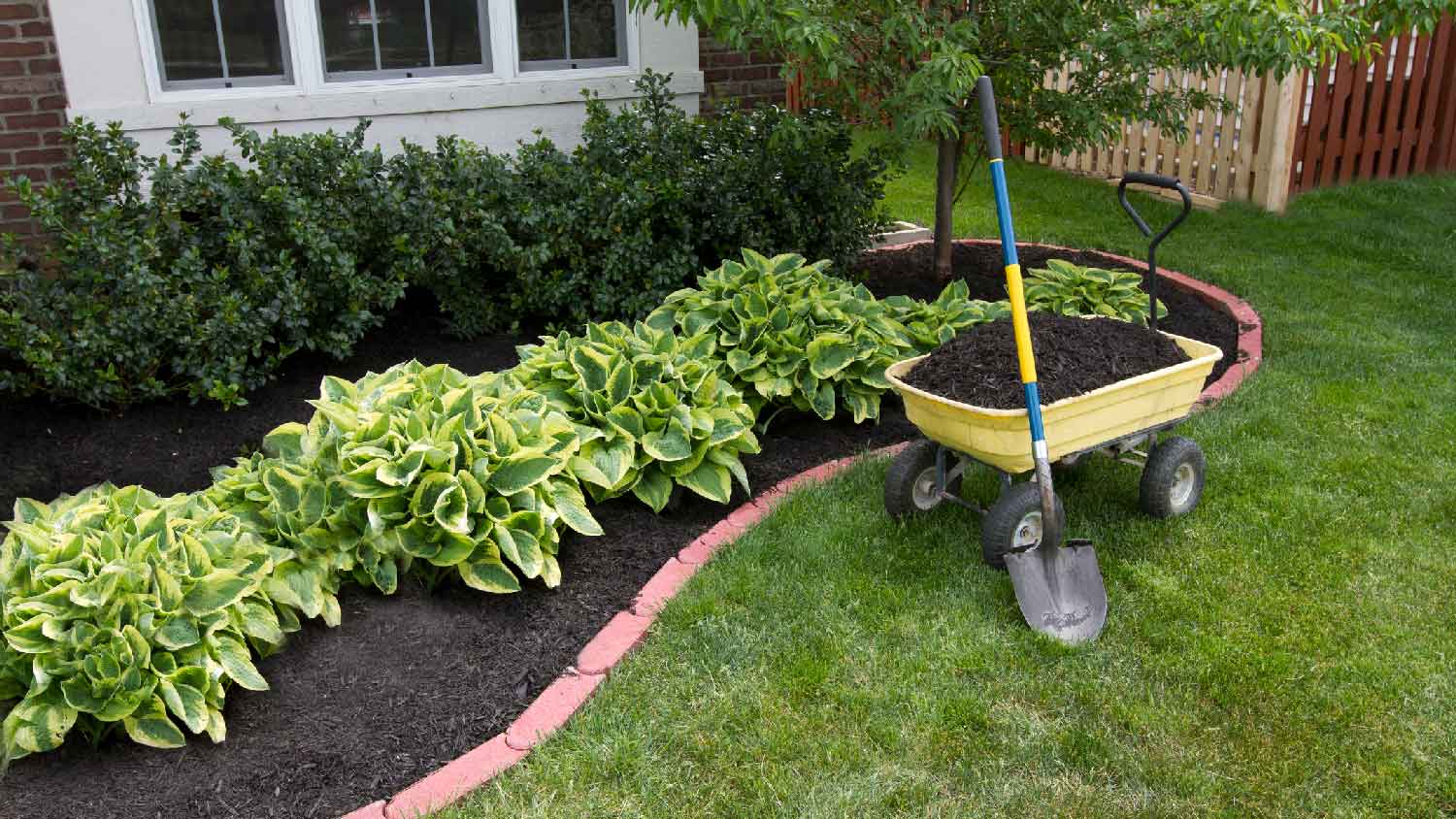
The best time to put down mulch is spring after the soil warms up. But there are other factors to consider, like wind speed and rainfall.
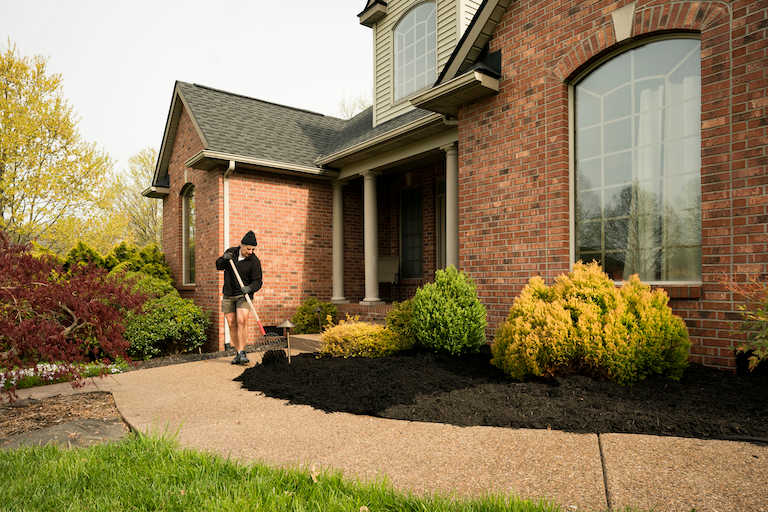
Tired of your traditional, woody mulch and ready to try something new? We got you! Get 11 mulch alternatives to choose from here.
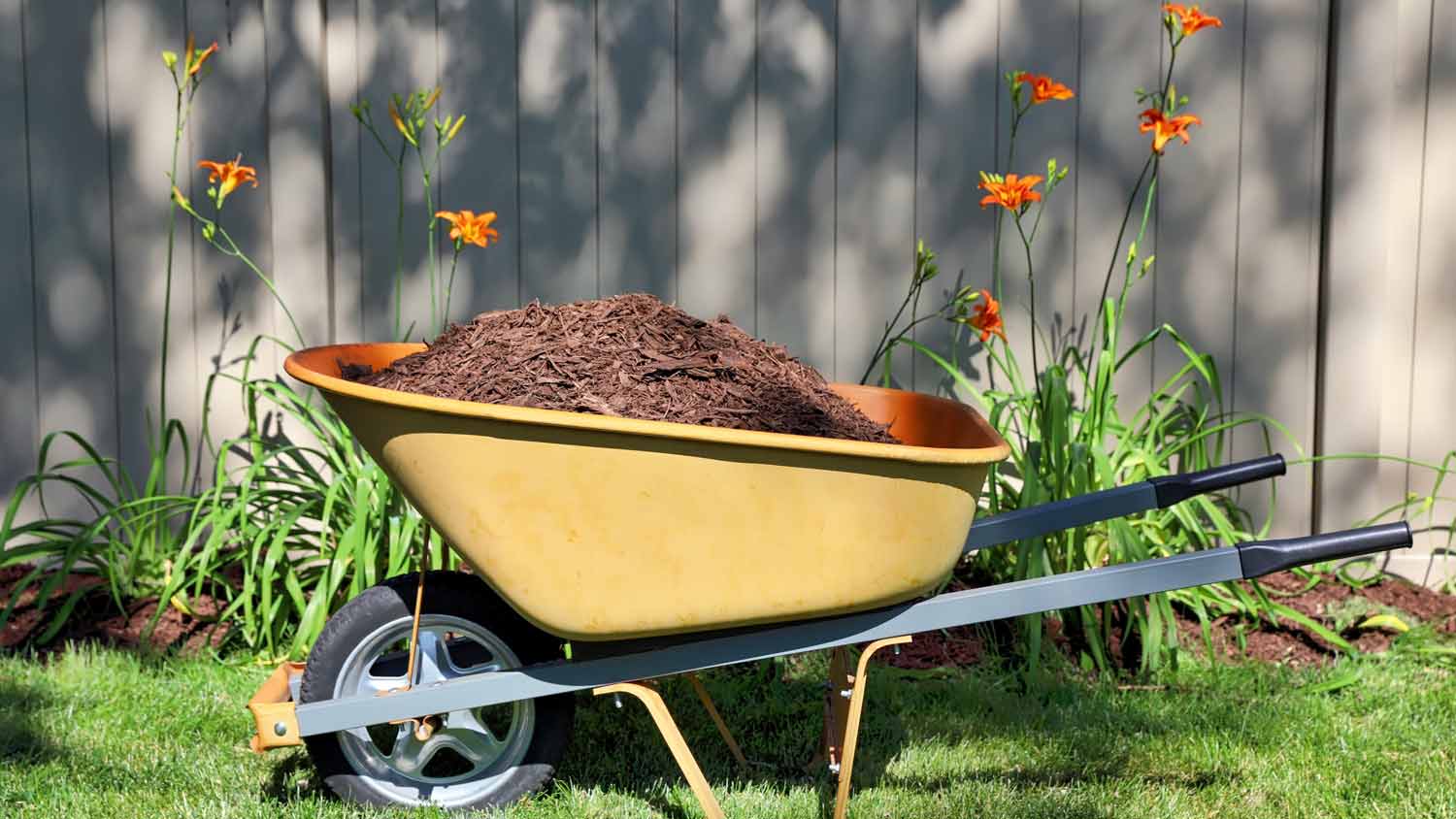
What’s the debate between wood chips vs. mulch? Wood chips are pieces or shredded wood from the interior of a tree trunk, while mulch can be made from a variety of materials.
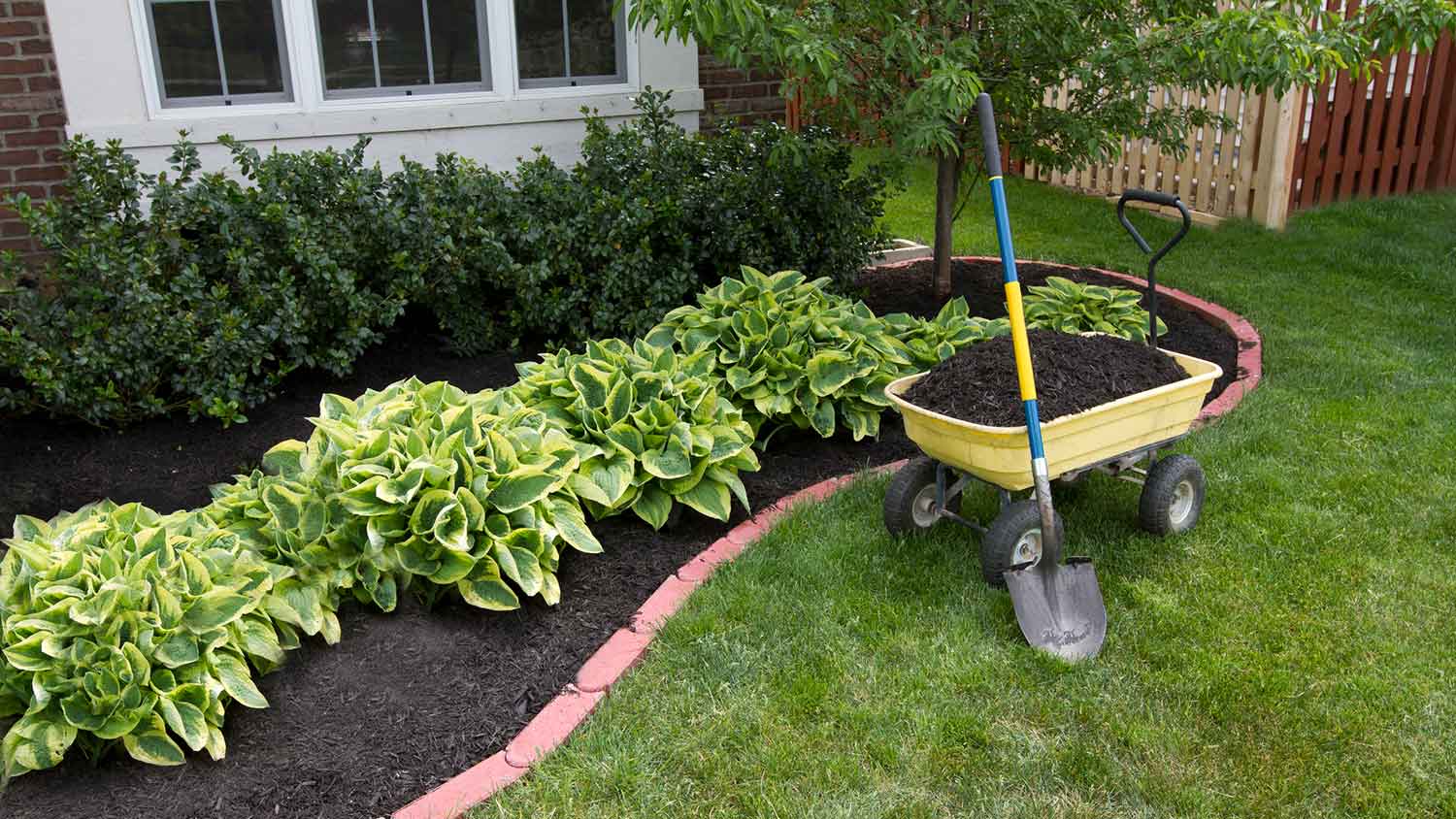
From wood mulch to grass clippings and rocks, there are tons of mulch options for your landscaped yard or flower garden. Find out which works best.
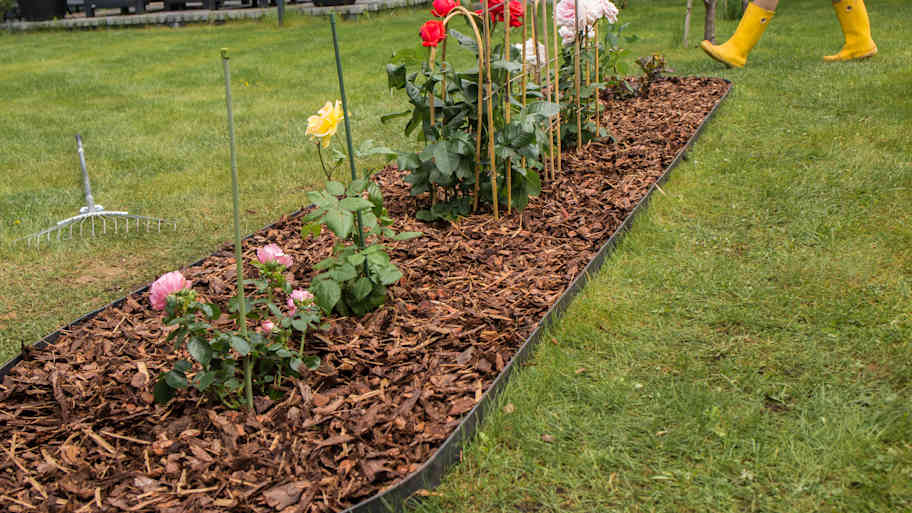
Not sure whether to use black or brown mulch? Learn how each type affects your soil, plants, and garden style so you can pick the right fit.