
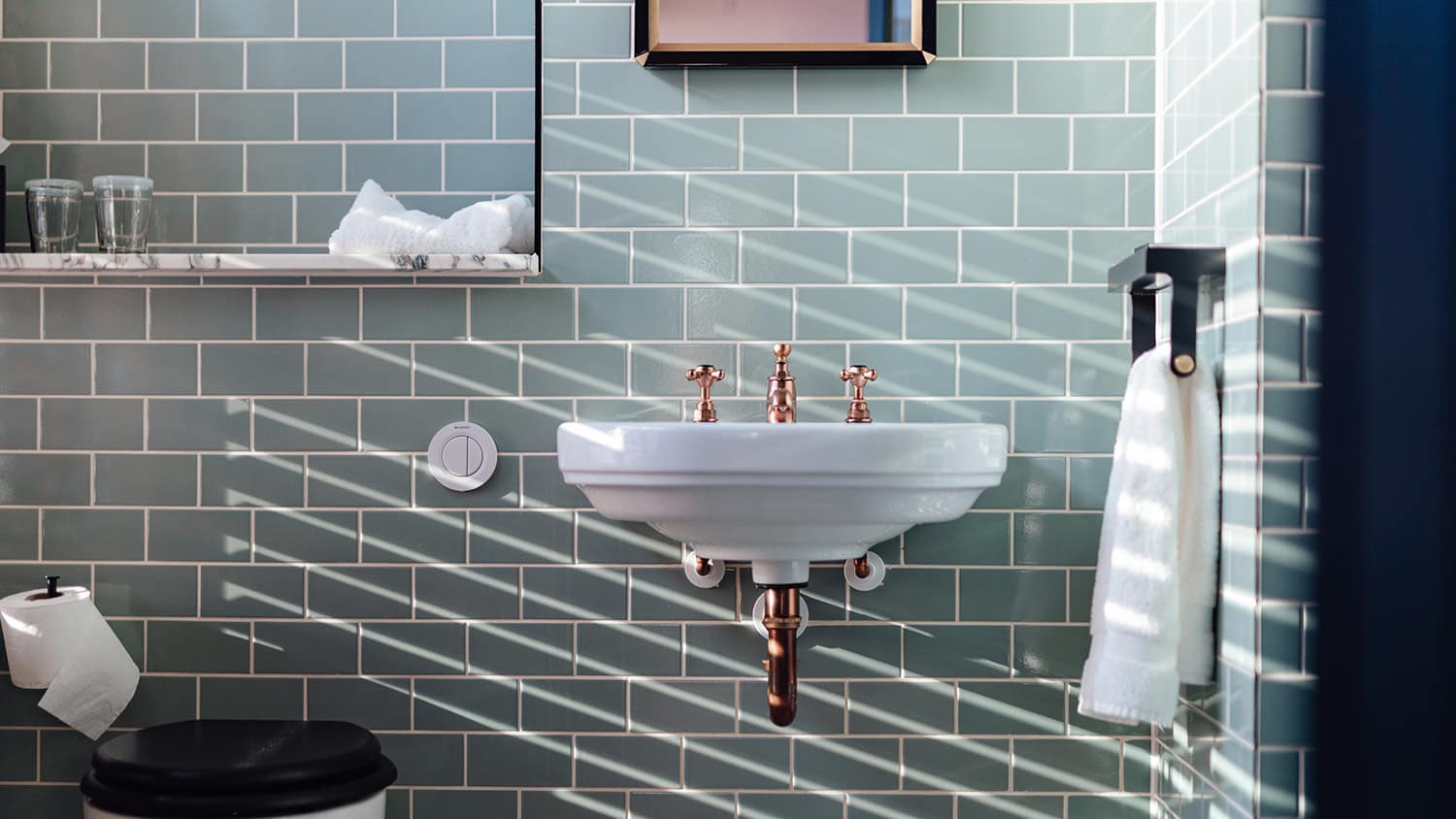
Confused about how to choose between grout vs. caulk for your home improvement project? This simple guide explains when to use which and why.
Seal the deal with the right product

Drywall caulk stays flexible after drying for sealing gaps, while spackle dries hard for filling holes in walls and surfaces.
Caulk cannot be sanded and resists paint, while spackle absorbs moisture and cracks under movement or temperature changes in your home.
Spackle creates smooth, paintable repairs for static surfaces, while caulk withstands expansion and waterproofing needs around windows and doors.
Hiring a local caulking service professional provides friendly guidance on sealing gaps and choosing between caulk and spackle for your project.
When it comes to home improvement and repair, the debate of caulk versus spackle often arises. Both products are essential for maintaining and enhancing the appearance and functionality of your living space, but they serve distinct purposes. We’re going to dive into the key differences, uses, pros, and cons of caulk and spackle to help you choose the right product for all of your DIYs.
The primary difference between caulk and spackle lies in their composition and intended use. Caulk is a flexible, waterproof material primarily used for sealing gaps and joints, and spackle is a putty-like substance designed for filling holes and cracks in drywall, wood, brick, and stone.
Caulk stays flexible after application, making it ideal for areas subject to movement, such as window frames and baseboards. On the other hand, spackle dries hard, making it perfect for repairing things that don’t move, like walls and floors.

Caulk is a versatile sealing material, and there are different formulations, such as latex, acrylic, and silicone caulks. People often fill gaps and seal joints with caulk in order to prevent air, water, and moisture from penetrating surfaces. Caulk is especially useful in bathrooms, kitchens, and exterior areas where water resistance is crucial.
| Pros | Cons |
|---|---|
| Waterproof | Not sandable |
| Flexible and versatile | May shrink |
| Easy to use | Less paintable |
Best for:
Sealing gaps around windows and doors
Waterproofing joints in bathrooms and kitchens
Filling cracks in exterior walls and siding
Preventing drafts and improving energy efficiency
Caulk provides a waterproof seal, making it ideal for bathrooms, kitchens, and exterior applications where moisture is a concern. Because it remains flexible after drying, it can move with the surfaces it seals, preventing cracks and gaps from reopening. It’s also available in many different formulations (like silicone, latex, and acrylic), so caulk can be used on a wide range of materials, including wood, metal, glass, and ceramic. Caulk is great for DIYers because it’s easy to apply and can be smoothed with just a finger for a clean finish.
One of the most significant drawbacks of caulk is that, once dried, it cannot be sanded smoothly, so it’s challenging to achieve a perfectly flat surface in some applications. Some types of caulk can also shrink slightly as they dry, so you may have to reapply caulk in larger gaps or cracks.
Certain types of caulk, particularly silicone, can be challenging to paint over, requiring specific primers or special formulations of paint. This makes caulk less ideal for areas that need an exact color match. However, a local caulking pro can always assist if your heart is set on caulk for this job.

Spackle is a lightweight, putty-like compound (often made of gypsum powder) used for filling small holes, cracks, and dents in walls and floors. It dries hard and can be sanded and painted over to blend seamlessly with the surrounding surface.
| Pros | Cons |
|---|---|
| Sandable and paintable | Not waterproof |
| Won’t shrink | Lacks flexibility |
| Dries quickly | Limited adhesion |
Best for:
Filling small holes and cracks in drywall
Repairing chips and dings in wood, brick, and stone
Preparing walls for painting
One of the best things about spackle is that it dries hard and can be sanded smoothly, making it easy to achieve a flat, even surface. Once dry, it can be easily painted over to match the surrounding wall color, providing an invisible repair. Spackle also dries relatively quickly, so you can complete your project faster. Another bonus of spackle is that it doesn’t shrink much, so it offers a consistent finish without the need for multiple applications.
On the downside, spackle is not suitable for areas exposed to frequent moisture, such as bathrooms or kitchens, because it can absorb water and deteriorate. Unlike caulk, spackle dries hard and lacks flexibility, so it’s not great for areas that move a lot, like doors, or those that expand and contract with temperature changes, like windows. It also may not adhere well to certain materials, such as metal or plastic, without a primer.

Understanding the nuances of caulk and spackle can help you decide which product to use for specific tasks. Let’s dive deeper to see how caulk and spackle compare head-to-head.
Caulk's flexibility and water resistance make it the more durable option. It can withstand temperature fluctuations, moisture, and movement, so it’s perfect for long-lasting seals around windows, doors, and bathrooms. Spackle is not designed to withstand significant movement or moisture and can crack under stress or expansion.
Spackle can last as long as the wall itself when applied correctly. It’s a permanent solution for interior wall repairs as long as it’s not exposed to moisture or significant movement. Caulk needs relatively frequent reapplication.
Caulk is specifically designed to be moisture-resistant, making it the go-to choice for bathrooms, kitchens, and exterior applications where water exposure is a concern. Spackle is not moisture-resistant and should not be used in areas exposed to water. It can absorb moisture, leading to deterioration and mold growth.
Applying caulk requires a caulking gun or squeeze tube, and achieving a perfectly smooth finish can take some practice. However, spackle is easy to apply with a putty knife, and you can smooth it out with minimal effort. Its application is straightforward, making it a great choice for DIYers of all skill levels.
While caulk can be used to seal gaps in wood, it is not ideal for repairing holes or cracks in wooden surfaces. Its flexibility makes it better suited for sealing rather than filling. Spackle is a better option for filling small holes and cracks in wood, creating a smooth, paintable surface. However, for larger repairs, epoxy or wood filler may be more appropriate.
You can easily sand spackle to a smooth finish and paint over it without any issues. It blends in with the surrounding wall, making it ideal for wall repairs. Most types of caulk are not sandable, and painting over caulk can be challenging, especially with silicone-based products.
Caulk can provide a neat look when applied correctly, but it’s not as seamless as spackle for wall repairs. Spackle creates an invisible repair when sanded and painted, making it perfect for maintaining the aesthetic of smooth, unbroken walls.
Caulk is inexpensive, with costs varying based on the formulation and quality. Silicone caulk is more expensive than latex or acrylic options. Spackle is also affordable, with prices depending on the brand and type. Lightweight spackles are more expensive than traditional formulations. A tube of caulk may cost slightly less than a bucket of spackle, but the bucket of spackle is likely to go further in DIY projects.
Cancelled appointment two hours after they were supposed to come for drywall work.
 Hutch And Sons Drywall Services
Cole has been handling plumbing and general contracting for our four properties over the past three years, and he’s always done a great job. Most recently, he installed a sink and countertop in our retail store where none existed before, and it turned out exactly how we needed. He’s...
 ANB Renovations LLC
I would recommend this company to anyone! He showed up on time, was friendly, completed a very difficult repair on our dryer vent cover, was responsive, and pricing was extremely fair and competitive. I would have him back to do any of our repairs or cleanings without hesitation!
 U.S.A. Dryer Vent, LLC
I cant stop admiring my newly painted walls. Custom Paint Jobs LLC made my house feel brand new.
 Custom Paint Jobs, LLC
Excellent experience with hiring Tether House to Mount our 77’ Samsung TV in our bedroom. Fast, friendly, and knowledgeable. Highly recommend.
 Tether House
Excellent customer service and knowledge. I was recommend to him from my neighbour. My front door and window came in great and were installed beautifully perfectly, I m very satisfied with their excellent work, so decided to order one more big bow window for my living room. I cant wait for...
 Window Depot USA of Central Ohio
Would hire again. Wall looks great. Happy with job.
 Central Paving
Involved an extensive bathroom remodel, including removing tub & installing walk in shower, new drywall, custome tile work to ceiling, plumbing, etc. Overall, job was done on time and on budget. Nick & his team were very professional and had high attention to detail. Quality was great. Highly...
 Stamos Flooring and Remodeling LLC
We have had a great experience with Rising Height for the past five years on a number of miscellaneous renovation projects. They laid flooring for us and had a very good sub do the finish. Installed drywall for a vaulted ceiling, finished an attic/loft with new subfloor, framing and drywall,...
 Rising Height Unlimited
Mr. Lopez was super nice and professional. He repaired our drywall just as he described during the estimate phase. Our dining room wall looks great again! Thanks Mr. Lopez!
From average costs to expert advice, get all the answers you need to get your job done.
Confused about how to choose between grout vs. caulk for your home improvement project? This simple guide explains when to use which and why.
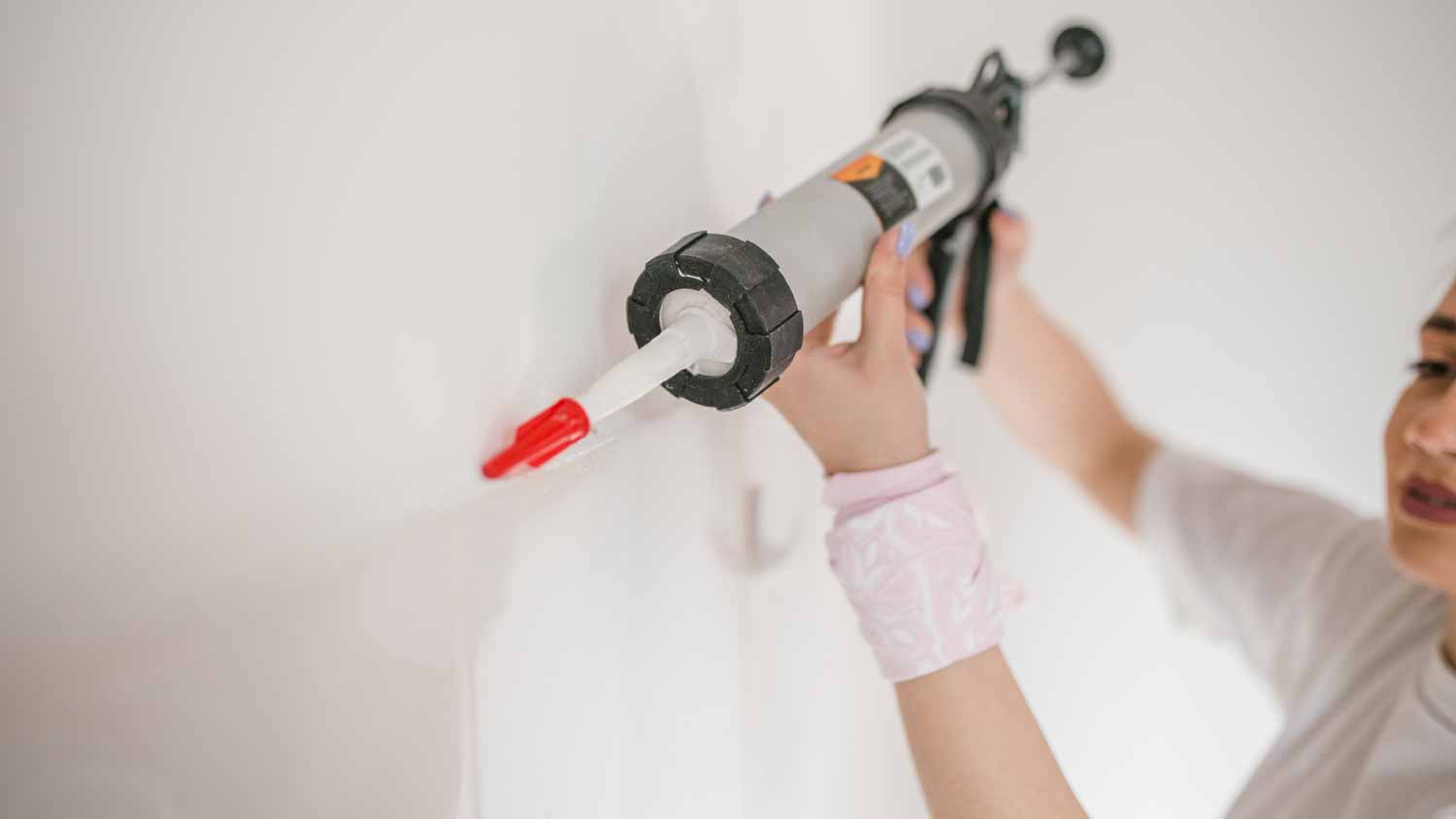
Discover the key differences between sanded versus unsanded caulk and find the best fit for your home projects with this comprehensive guide.
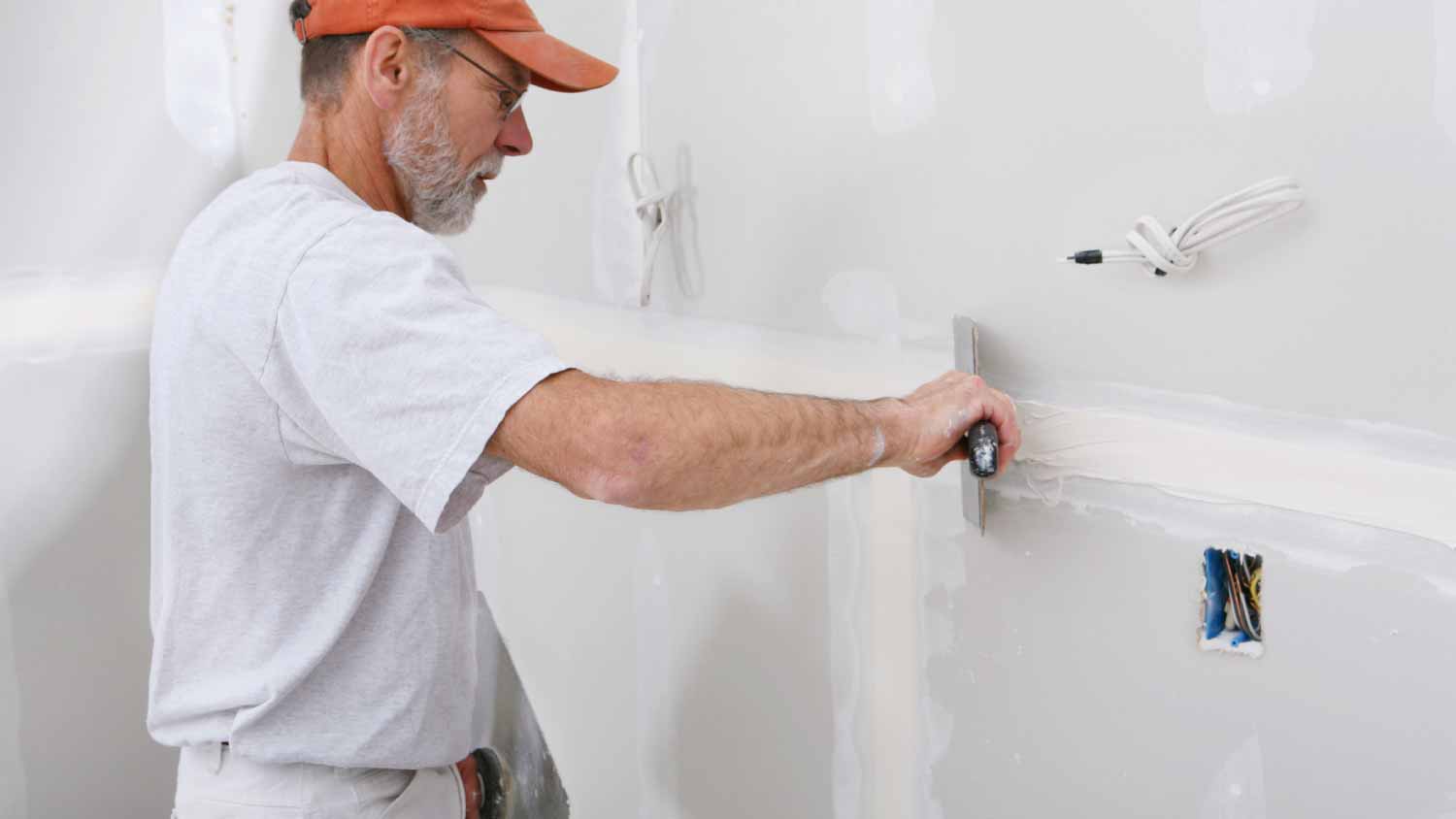
To fix holes in your drywall, you can use spackle or putty, but one may be better for certain jobs than others. Let’s take a look at the differences.
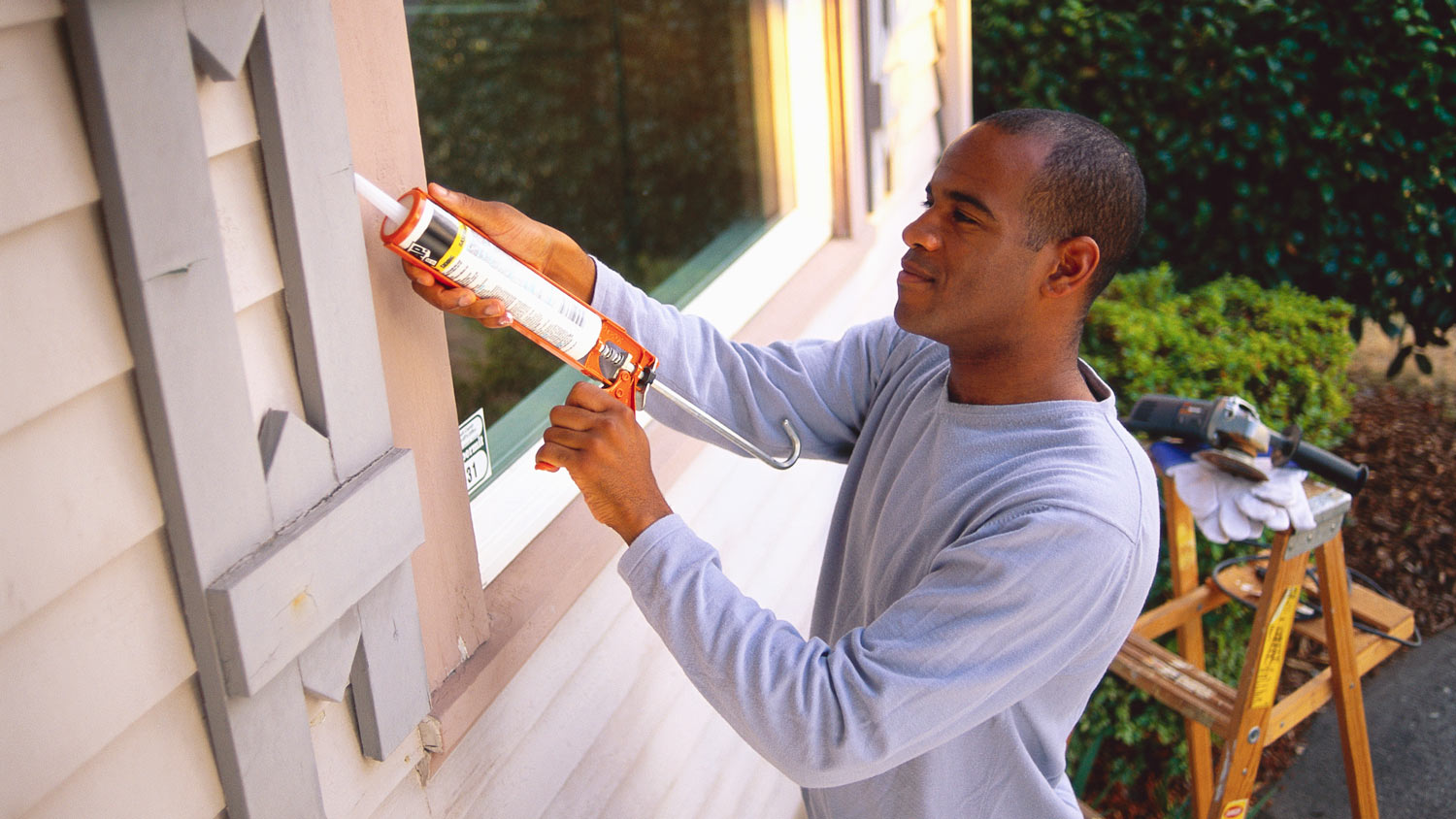
Caulk and sealant are both helpful for closing gaps, but they aren’t the same thing. Find out whether caulk versus sealant is a better choice for your project.
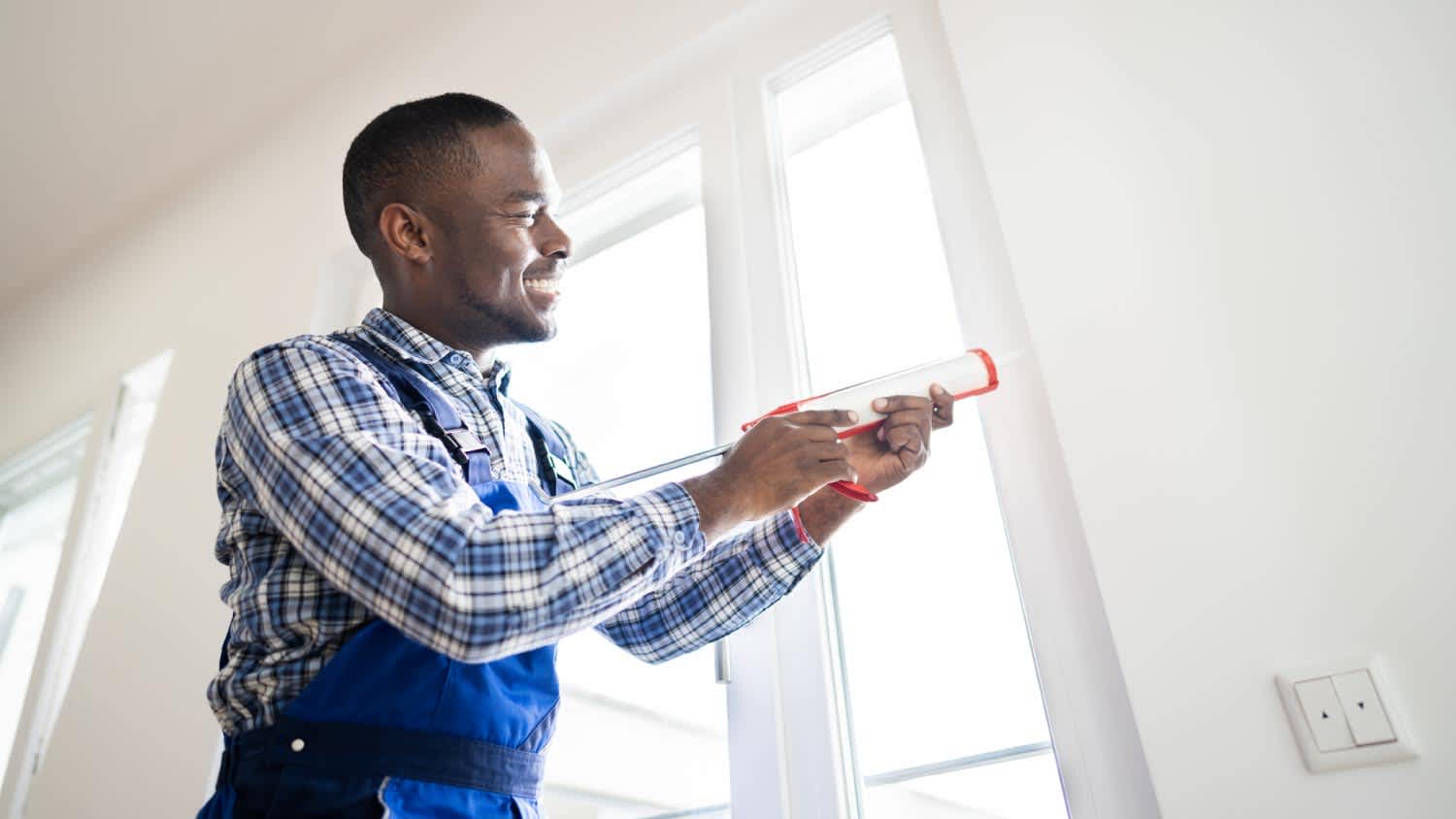
Caulking isn’t as easy as it looks, but with some tricks, even a beginner can do it like a pro. This guide will show you how to caulk in nine simple steps.

We explore the differences between caulk versus wood filler for your project. Learn which is best for sealing, filling, and repairing damaged wood.