
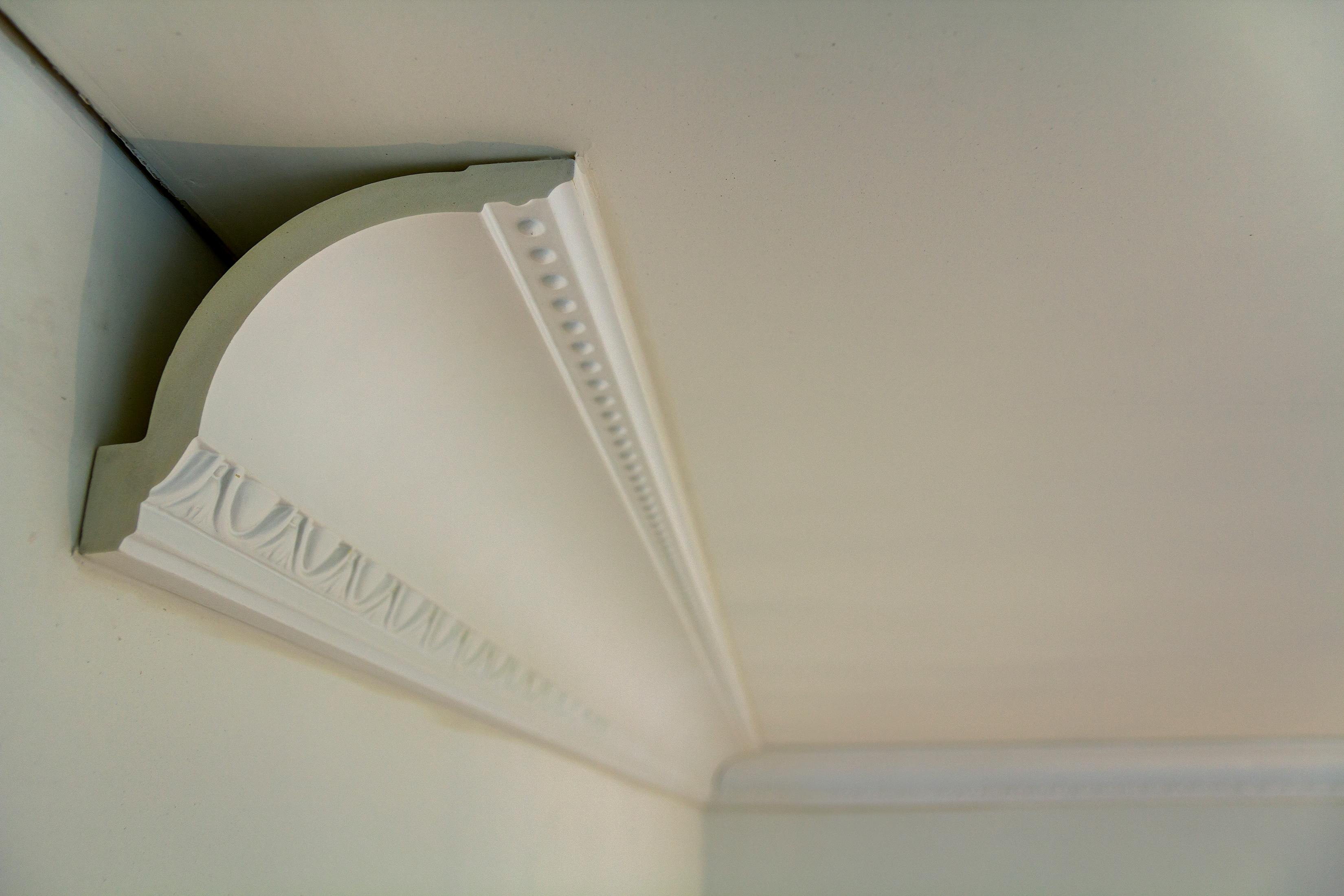
If your crown molding has edges or seams, you may want to caulk it. You can DIY this work or hire a pro—use this guide to learn the cost for both.
Find the right formula to fill in your home’s gaps

Different types of caulk serve specific purposes, so choosing the right one for your project depends on where you plan to use it.
Silicone caulk works best in bathrooms and kitchens because it creates a waterproof seal and resists mold growth around showers, tubs, and sinks.
Acrylic latex caulk is ideal for interior projects like sealing baseboards or patching drywall, and you can paint over it once it dries.
Hiring a local caulking service professional takes the guesswork out of selecting the right caulking material and ensures proper application for long-lasting results.
Caulk is a versatile sealant that you can apply to everything from sinks to gutters to chimneys, but for it to be effective, you’ll have to use the right type. So, how do you know which kind to choose? It’ll probably come down to one of these five common types of caulk: acrylic latex, silicone, siliconized latex, polyurethane, or butyl rubber. Let’s break down the differences between these varieties of caulk so that you can pick the right one for your project.
Caulk is a flexible sealant used to fill gaps and seal joints around doors, windows, and plumbing fixtures. It also serves as an adhesive between different surfaces (like a sink and a countertop).
There are several varieties of caulk, each with its own purpose. For example, some types are good for sealing showers to prevent water damage and mold growth, while others are better for filling cracks in masonry or concrete.

Acrylic latex caulk—also known as latex caulk or painter’s caulk—is a multi-purpose type of caulk that you can use in a variety of projects. It’s a good choice if you need to seal baseboards or patch holes or cracks in your drywall, but it won’t hold up as well in kitchens, bathrooms, or other moist locations.
| Pros | Cons |
|---|---|
| Easy to apply | May crack or shrink over time |
| Cleans up with water | Not ideal in high-moisture areas |
| Can be painted | Can weaken in sunlight or high heat |
Best for: Filling gaps in wood trim or sealing baseboards

Silicone caulk is highly flexible and elastic, so it won’t crack as easily as more rigid types of caulk (like latex caulk). For this reason, silicone caulk is ideal in areas that sit in direct sunlight or experience extreme temperature changes—like the exterior of your windows. It’s also recognized as the best caulk for showers because it holds up well against moisture and can prevent mold growth.
| Pros | Cons |
|---|---|
| Excellent in wet and humid areas | Harder to clean up |
| Remains sturdy through temperature changes | Gives off a powerful odor |
| Can expand and withstand movement | Costlier than other types of caulk |
Best for: Creating a waterproof barrier around showers, tubs, sinks, and other plumbing fixtures

Considered the best caulk for windows, this hybrid caulk offers the benefits of both latex and silicone caulk. This means it’s easy to work with and clean up (like latex), but it’s also fairly flexible and somewhat moisture-resistant (like silicone).
With that said, siliconized latex caulk isn’t as effective as silicone at preventing water damage, so it’s better for areas that receive a modest amount of moisture—like a backsplash—rather than places that are constantly wet.
| Pros | Cons |
|---|---|
| Simple application | Not as durable as pure silicone caulk |
| Stretchy and adhesive | Less water-resistant than silicone |
| Good for indoor and outdoor use | Has a strong smell |
Best for: Sealing the interior and exterior of your windows

Ideal for outdoor projects, this heavy-duty caulk adheres to many different surfaces and building materials, including wood, concrete, brick, and metal. It’s often used to seal gaps in windows and siding to prevent insects and rodents from entering a home.
However, polyurethane caulk is thicker and gooier than many other types of caulk, so it takes longer to dry and cure. In fact, while latex and silicone caulk dries in a few hours or less, it’ll take a full day for polyurethane caulk to dry.
| Pros | Cons |
|---|---|
| Tough and durable | Difficult to apply |
| Can block pests from entering your home | Takes longer to dry and cure |
| Suitable for outdoor use | Challenging to clean up |
Best for: Caulking between siding and windows to keep pests out

Butyl rubber caulk—like polyurethane—is one of the best exterior caulks on the market today. Once applied, it creates a water-tight seal and holds up well against temperature changes, making it particularly effective for gutters and roofs.
Butyl rubber caulk also works nicely on concrete and masonry, which is why it’s sometimes used on chimneys or foundations. For these types of projects, you should hire a handyperson or local caulking service rather than trying to apply the caulk yourself.
| Pros | Cons |
|---|---|
| Works on a variety of surfaces | Can be harsh and irritating to the body |
| Withstands movement and expansion | Not suitable for indoor use |
| Water-resistant | Messy application that requires a pro |
Best for: Sealing gutters, flashing, and other parts of your roof
Terrible experience. Walls/trim/floors/cabinets/doors all have drip marks, overspray, etc. Tiling at the fireplace had to be redone by another vendor due to incorrect and shoddy install by Profect. Contractor had his children in our house while he was on site without prior authorization or...
 Profect painting & exteriors
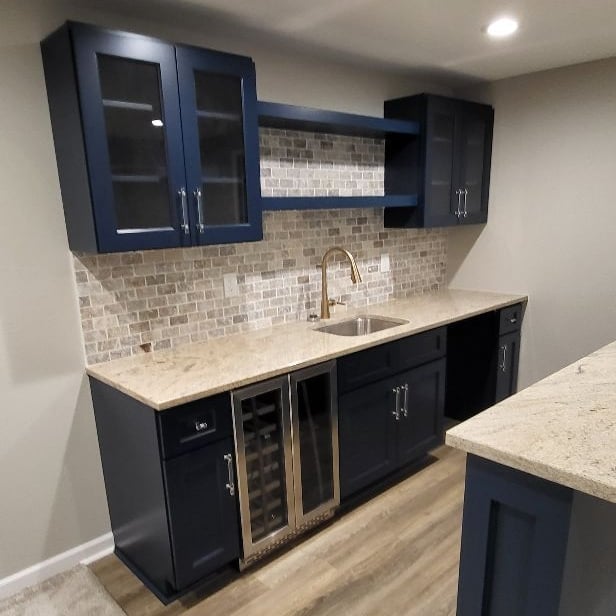
Finished Basements Plus was wonderful from beginning to end! First, they came out quickly for an estimate. I had 4 estimates and theirs was by far the best. (2 of the estimates were more than $20K higher than for the exact same work). Beyond their fair pricing, the work was excellent. They...
 Finished Basements Plus Inc.
It was wonderful working with Yordy and his team. They were very professional and are experts in what they do. They have completed the work on time, with better quality and with in fairly reasonable price. We just started with backsplash work , but liking his work, we went on to provide...
 Flooring Solutions
We were having 2”x 2” tile installed . There was a small installation error and the new additional replacement tile was from a different lot and the colors didn’t match. Joe assured us that he would rectify everything , which he did without hesitation. We decided to go with the 18” x 36” tile...
 CarifaTile
For several months I was looking for somebody to tile a wall in my master bath and move lighting fixtures, and could not find anybody who was responsive. I contacted Rowe through Home Advisor and within days they came by to assess the job and provide an estimate. The cost was very...
 Rowe House Development
It went very well! The end product was amazing and we keep getting a lot of compliments from friends! M&E were very professional and they made sure we were happy with the product before leaving. They met with us in our home and at the tile shop to make sure we were okay with our tile and...
 M&E Remodeling
Involved an extensive bathroom remodel, including removing tub & installing walk in shower, new drywall, custome tile work to ceiling, plumbing, etc. Overall, job was done on time and on budget. Nick & his team were very professional and had high attention to detail. Quality was great. Highly...
 Stamos Flooring and Remodeling LLC
Very pleased with the service and level of professionalism. Courteous and very unobtrusive in performing service. Unlike several other companies, Bradford Xteriors was willing to perform work on a three story home with a clay tile roof. <br />
 Bradford Xteriors
This company did a very good job on the brick wall and it looks just amazing. The staff was always professional and was practically OCD on how the bricks were stacked and how they were laid. Although it took longer than expected, I am willing to sacrifice time over perfection anyday. The...
 My Handy Mate LLC Improvement & Remodeling
He did the tile work and he was good at it. He used other subcontractors for the rest of the work (like putting in the cabinetry) and they were okay but not great. He was a great guy! He was easy to work with and had a good eye for the detail of his work. There were a couple of things that I...
 Brian Miller Custom Remodeling
From average costs to expert advice, get all the answers you need to get your job done.
If your crown molding has edges or seams, you may want to caulk it. You can DIY this work or hire a pro—use this guide to learn the cost for both.
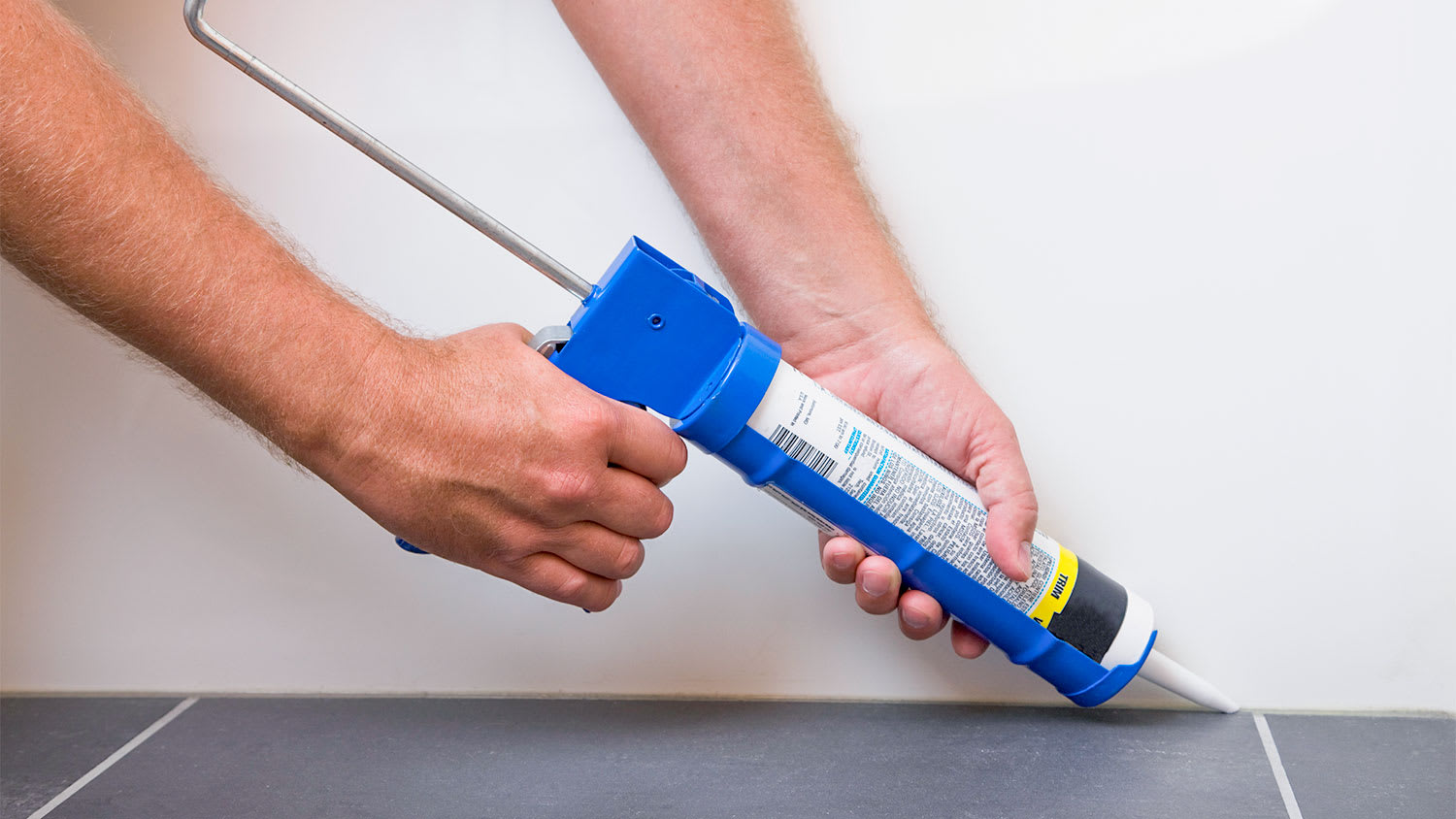
For a bathroom remodel, touch-up, or home perimeter, caulking is worth the investment. Find out average costs for window caulking, shower caulking, and more.
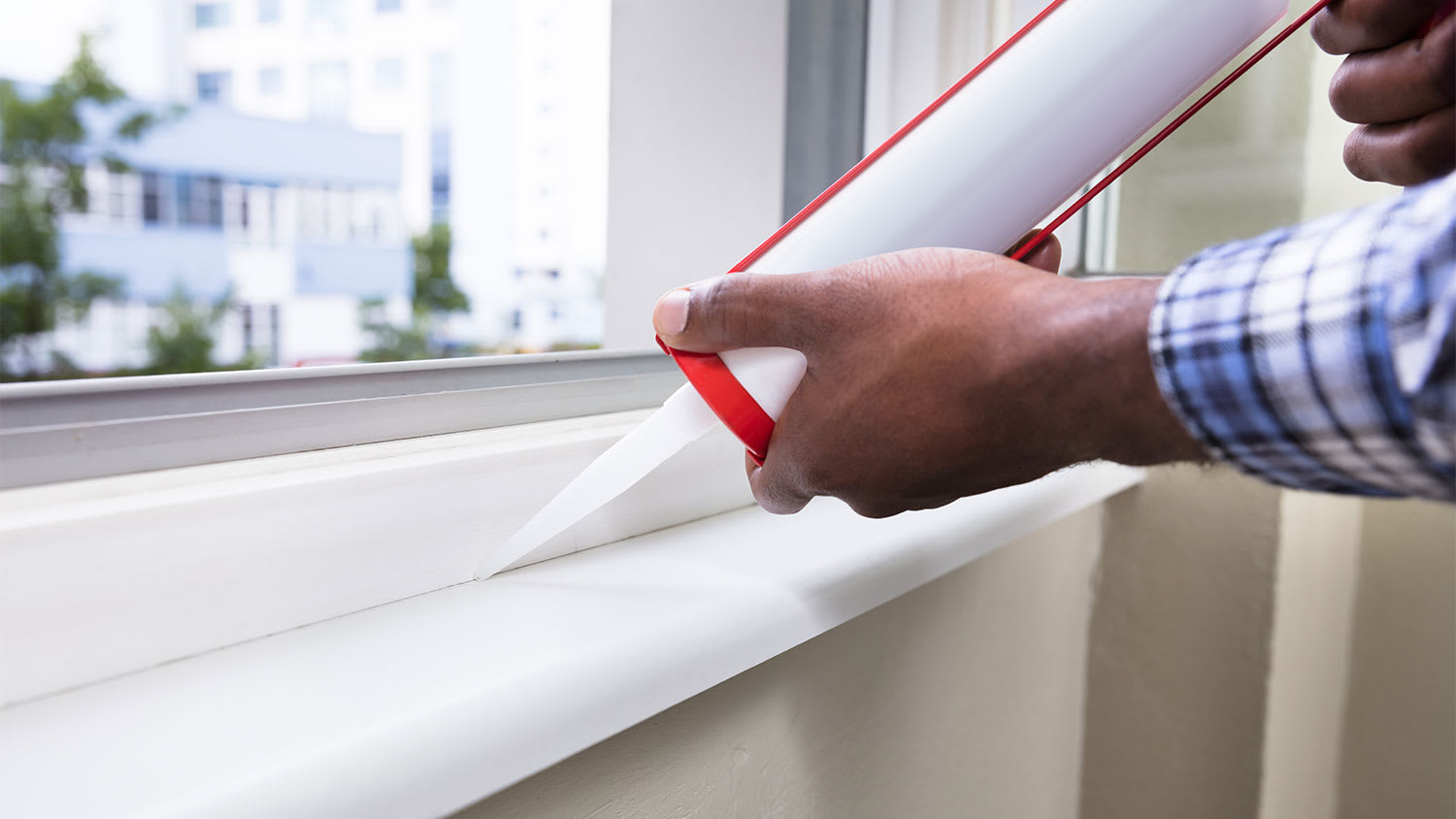
Many home improvement projects require caulk, but if you’re a new DIYer, you may not be familiar with this versatile product. So, what is caulk? Let’s explain.

It's the age-old siding debate: to caulk or not to caulk Hardie Board. In most cases, Hardie Board discourages caulk use, but it's important to see the whole picture.
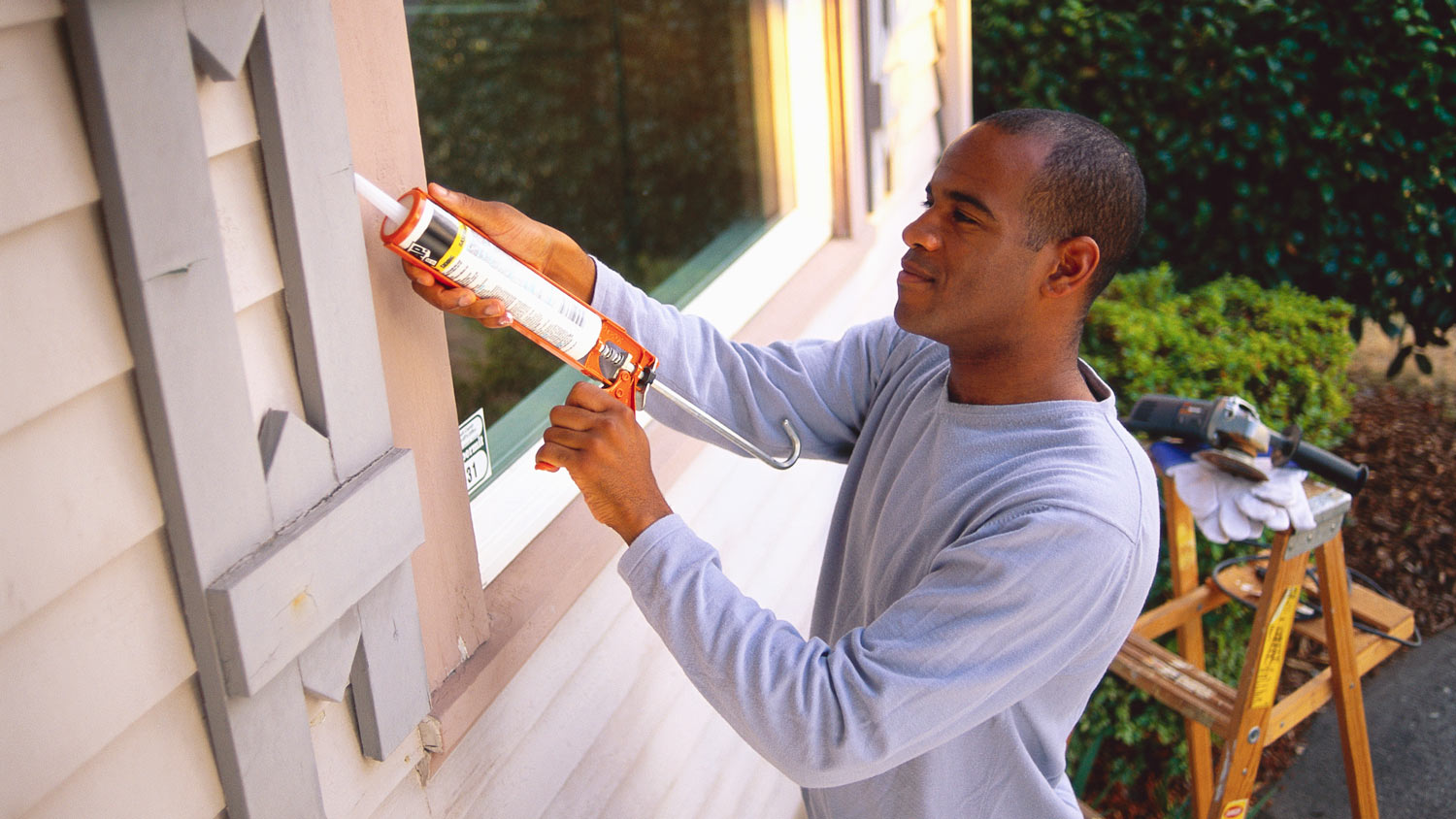
Caulk and sealant are both helpful for closing gaps, but they aren’t the same thing. Find out whether caulk versus sealant is a better choice for your project.
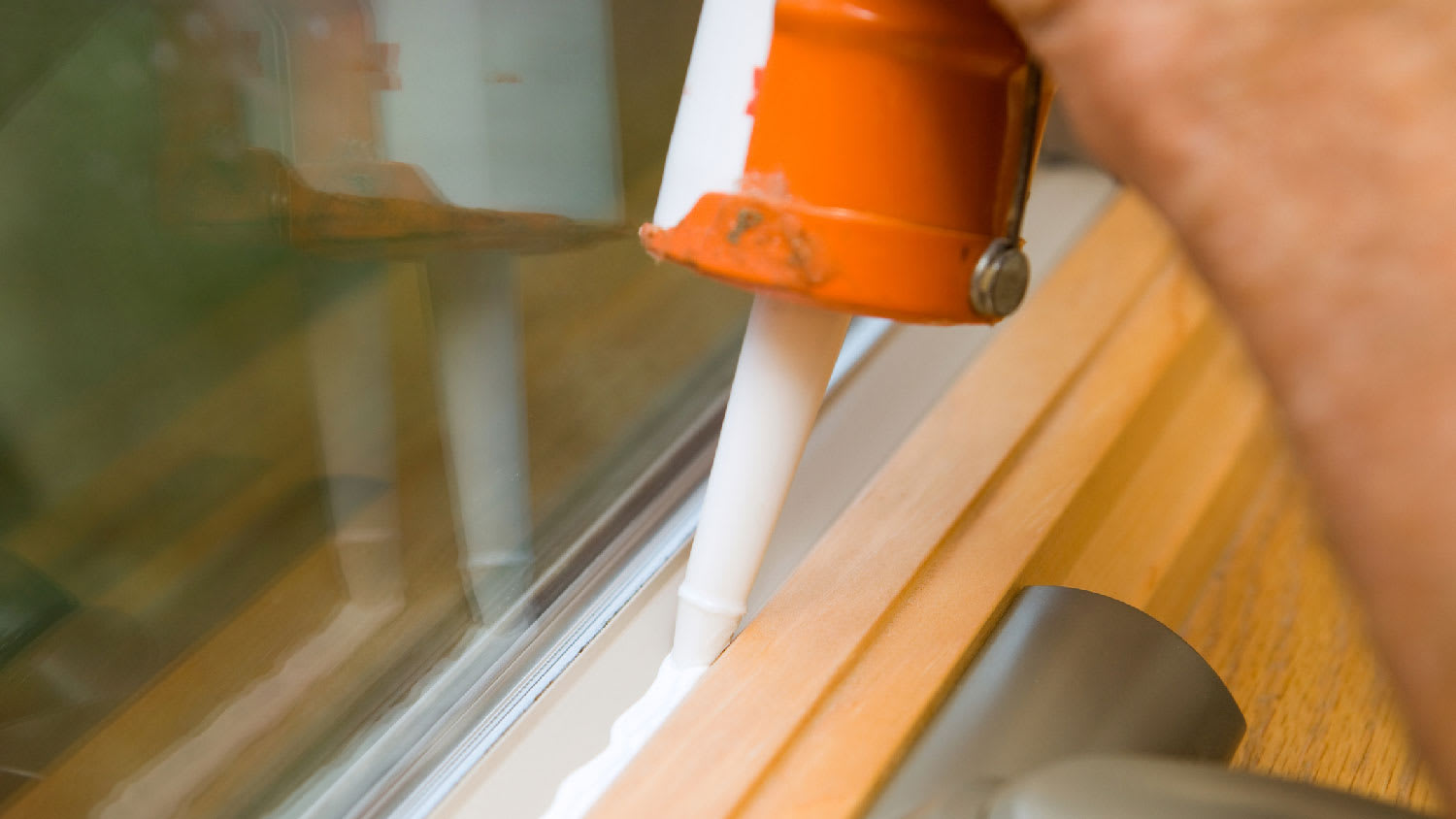
When it's time to winterize or update your frames, who do you call to caulk windows? It turns out that you have a few options, but there's one clear winner.