
For a bathroom remodel, touch-up, or home perimeter, caulking is worth the investment. Find out average costs for window caulking, shower caulking, and more.
Seal the deal on your tiling project

Caulking a large gap requires choosing the right caulk type, as acrylic latex works for painted areas while silicone handles moisture-prone spots.
Preparing your surface with proper cleaning and applying painter's tape helps your caulk adhere better and creates clean, professional-looking lines around edges.
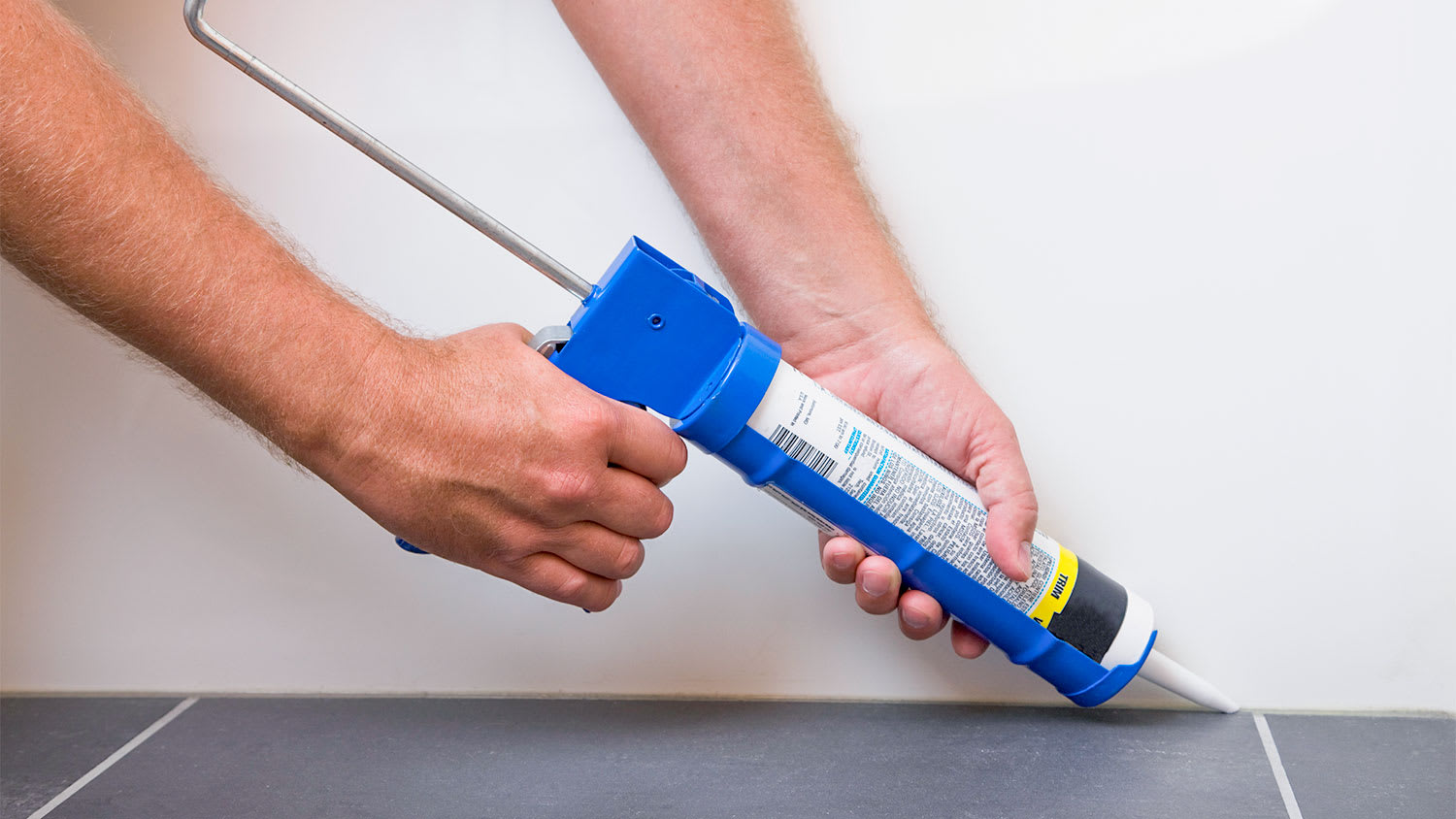
Angling the caulk gun at 45 degrees and moving slowly while pushing forward helps you seal gaps thoroughly and keeps your bead smooth.
Hiring a local caulking service professional provides reliable help with proper bead application and finishing techniques, especially for tubs, showers, and door frames.
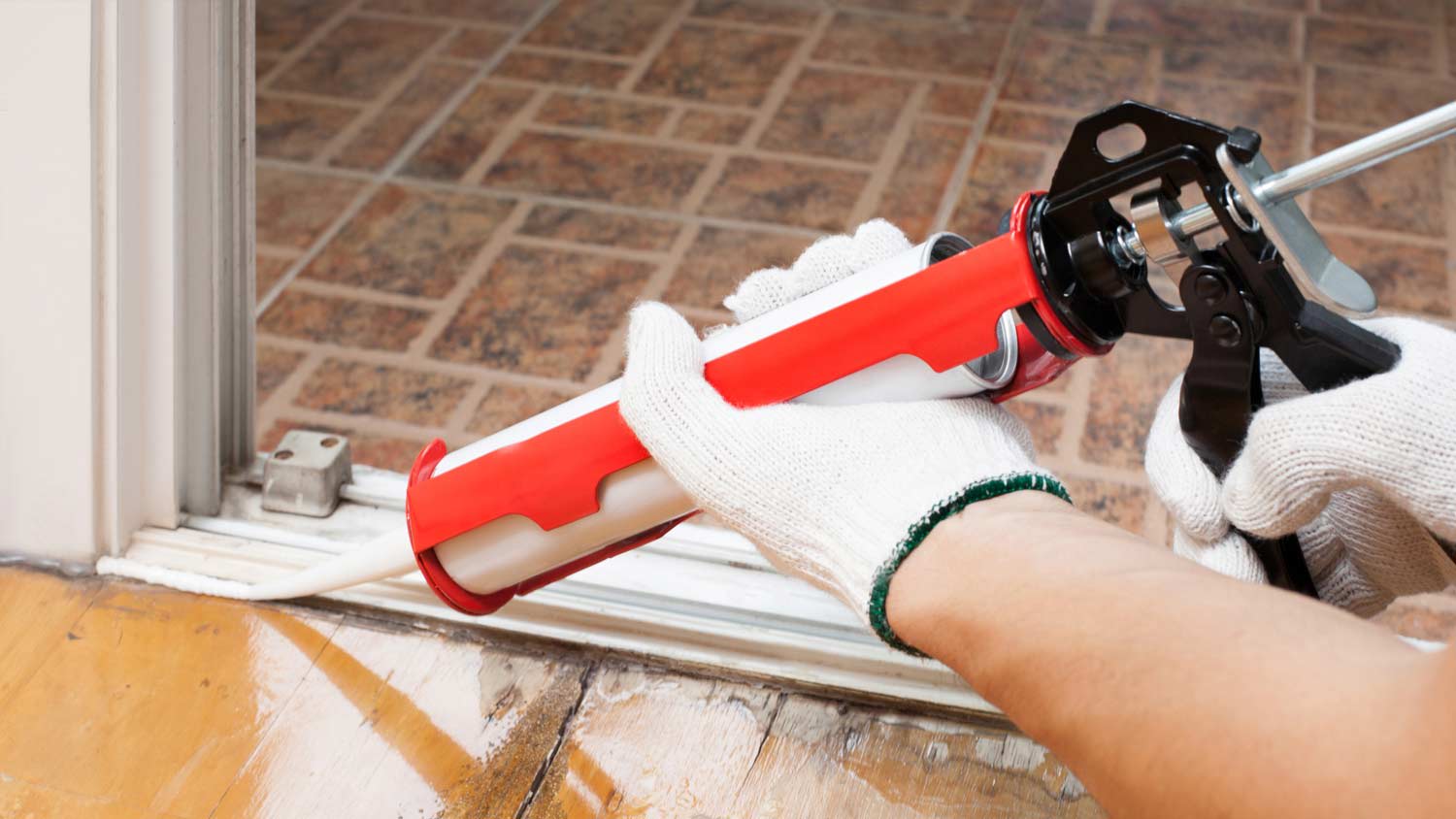
Using caulk is an important part of home maintenance, whether you’re sealing out moisture from tub ledges or closing up drafty windows and doors. But if you’ve ever tried to recaulk a tub or door frame on your own, you’ve probably discovered that caulking is much harder than it looks. Push the caulking gun too hard, and you have a mess of caulk to deal with; handle it too lightly, and it won’t actually seal anything. Have no fear—you can caulk like a pro with these 10 handy caulking tips.
While all caulks are made for sealing gaps, they don’t all work in the same way. Some caulks are better suited for certain materials than others, so it’s important to use the right type of caulk for the job at hand.
The two most common types of caulk to consider for your project are acrylic latex versus silicone caulk. You can paint over acrylic latex, so it works well for winterizing doors and windows as it can be painted to look like wood trim. Silicone caulk is waterproof, making it ideal for tubs and showers or outdoor areas.
For the caulk to adhere well and to keep it in a pristine line, you need to start with a clean surface. Clear away any dust and debris. Then, apply painter’s tape close to where you plan to caulk, covering any areas you don’t want the caulk to spread. This minimizes the amount of excess caulk you need to clean up later.

Caulk comes in tubes with pointed nozzles that you can either pierce or cut to open. But don’t just grab a pair of scissors and slice open the nozzle; how you open the nozzle will determine the size of the bead you’re applying. Cut closer to the tip of the nozzle for a narrower opening and a smaller bead, or cut higher up on the nozzle for a wider opening and a larger bead to cover bigger gaps.

When using a caulk gun, angle it by about 45 degrees to help it fit into edges and joints without creating a wobbly or messy line of caulk. Make sure to angle the caulk gun correctly, and hold it securely with both hands for a clean, seamless line application.

You may be tempted to caulk quickly to get the task over with, but being slow and steady means your caulk lines will blend in rather than stand out. Keep your finger steady on the trigger of the caulk gun, and move it slowly—but not too slow—to create a flowing, even line of caulk.
It may seem easiest to start in a corner and pull the caulk gun toward you, but that can actually keep you from properly sealing the gap. Instead, if you want to caulk like a pro, move the caulk forward, pushing the nozzle into the gap you are trying to fill. This helps the caulk better adhere to the surfaces and fills the gap more thoroughly.
You may wobble or squeeze out too much caulk from time to time, but that doesn’t mean your project is ruined. For one, using painter’s tape will minimize the mess. But you can also keep a cloth nearby while caulking to quickly wipe up the caulk while it’s still wet. If you wait to wipe everything up until after you’ve finished, it will be harder to clean up the drying or hardened caulk.

If you want your caulk lines to fade into the background, using a finishing tool is the ultimate trick. With the pointed edge of the caulk finishing tool against the caulk, run it along the bead to help smooth out the line of wet caulk.
However, if by this point you notice the caulk still doesn’t look clean and seamless, it’s time to hire a local caulking pro, who can quickly apply perfect caulk beads around your home.
Don’t leave any streaks or smudges of caulk around your tub, counters, or door frames, as this can look messy and distracting. After you’ve applied a finishing tool on the caulk and ripped up the tape, use a damp cloth to clean up any unwanted caulk for the cleanest finish.
The caulk is applied, but that doesn’t mean it’s time to hop right in the shower. Caulk needs time to dry and cure. Follow the instructions on the label for drying and curing time. So how long does caulk take to dry? Expect to wait for about 24 hours.
Terrible experience. Walls/trim/floors/cabinets/doors all have drip marks, overspray, etc. Tiling at the fireplace had to be redone by another vendor due to incorrect and shoddy install by Profect. Contractor had his children in our house while he was on site without prior authorization or...
 Profect painting & exteriors
It was wonderful working with Yordy and his team. They were very professional and are experts in what they do. They have completed the work on time, with better quality and with in fairly reasonable price. We just started with backsplash work , but liking his work, we went on to provide...
 Flooring Solutions
We were having 2”x 2” tile installed . There was a small installation error and the new additional replacement tile was from a different lot and the colors didn’t match. Joe assured us that he would rectify everything , which he did without hesitation. We decided to go with the 18” x 36” tile...
 CarifaTile
For several months I was looking for somebody to tile a wall in my master bath and move lighting fixtures, and could not find anybody who was responsive. I contacted Rowe through Home Advisor and within days they came by to assess the job and provide an estimate. The cost was very...
 Rowe House Development
It went very well! The end product was amazing and we keep getting a lot of compliments from friends! M&E were very professional and they made sure we were happy with the product before leaving. They met with us in our home and at the tile shop to make sure we were okay with our tile and...
 M&E Remodeling
Involved an extensive bathroom remodel, including removing tub & installing walk in shower, new drywall, custome tile work to ceiling, plumbing, etc. Overall, job was done on time and on budget. Nick & his team were very professional and had high attention to detail. Quality was great. Highly...
 Stamos Flooring and Remodeling LLC
Very pleased with the service and level of professionalism. Courteous and very unobtrusive in performing service. Unlike several other companies, Bradford Xteriors was willing to perform work on a three story home with a clay tile roof. <br />
 Bradford Xteriors
This company did a very good job on the brick wall and it looks just amazing. The staff was always professional and was practically OCD on how the bricks were stacked and how they were laid. Although it took longer than expected, I am willing to sacrifice time over perfection anyday. The...
 My Handy Mate LLC Improvement & Remodeling
He did the tile work and he was good at it. He used other subcontractors for the rest of the work (like putting in the cabinetry) and they were okay but not great. He was a great guy! He was easy to work with and had a good eye for the detail of his work. There were a couple of things that I...
 Brian Miller Custom Remodeling
I was very impressed with Miller Cantrell! I live in an old home in which the sewage line that runs from my home to the sewage system is a line of clay tile. These eventually collapse and need to be replaced - an expensive problem and sure to happen at the worst time. I told them that my...
From average costs to expert advice, get all the answers you need to get your job done.
For a bathroom remodel, touch-up, or home perimeter, caulking is worth the investment. Find out average costs for window caulking, shower caulking, and more.

Caulking isn’t as easy as it looks, but with some tricks, even a beginner can do it like a pro. This guide will show you how to caulk in nine simple steps.
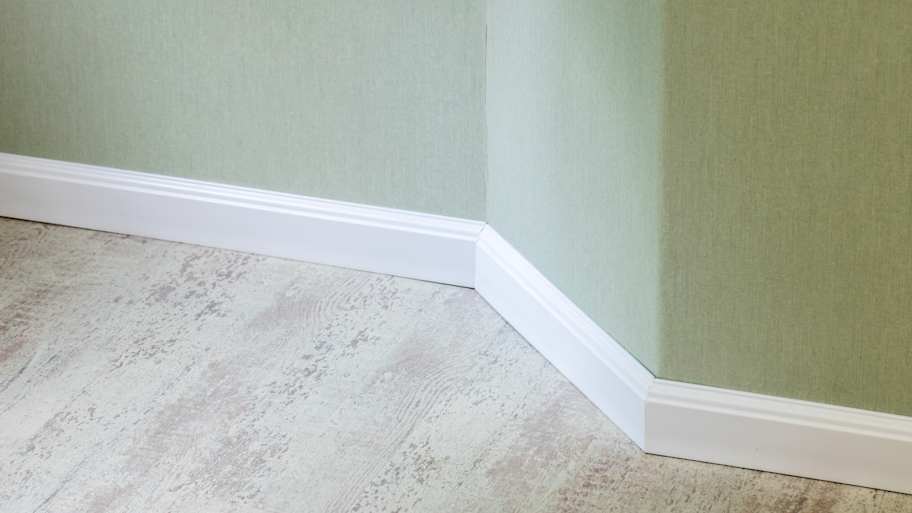
Learn how to close gaps between your floor and baseboard with caulk, molding, or strips. Discover the best methods for different gap sizes in this DIY guide.
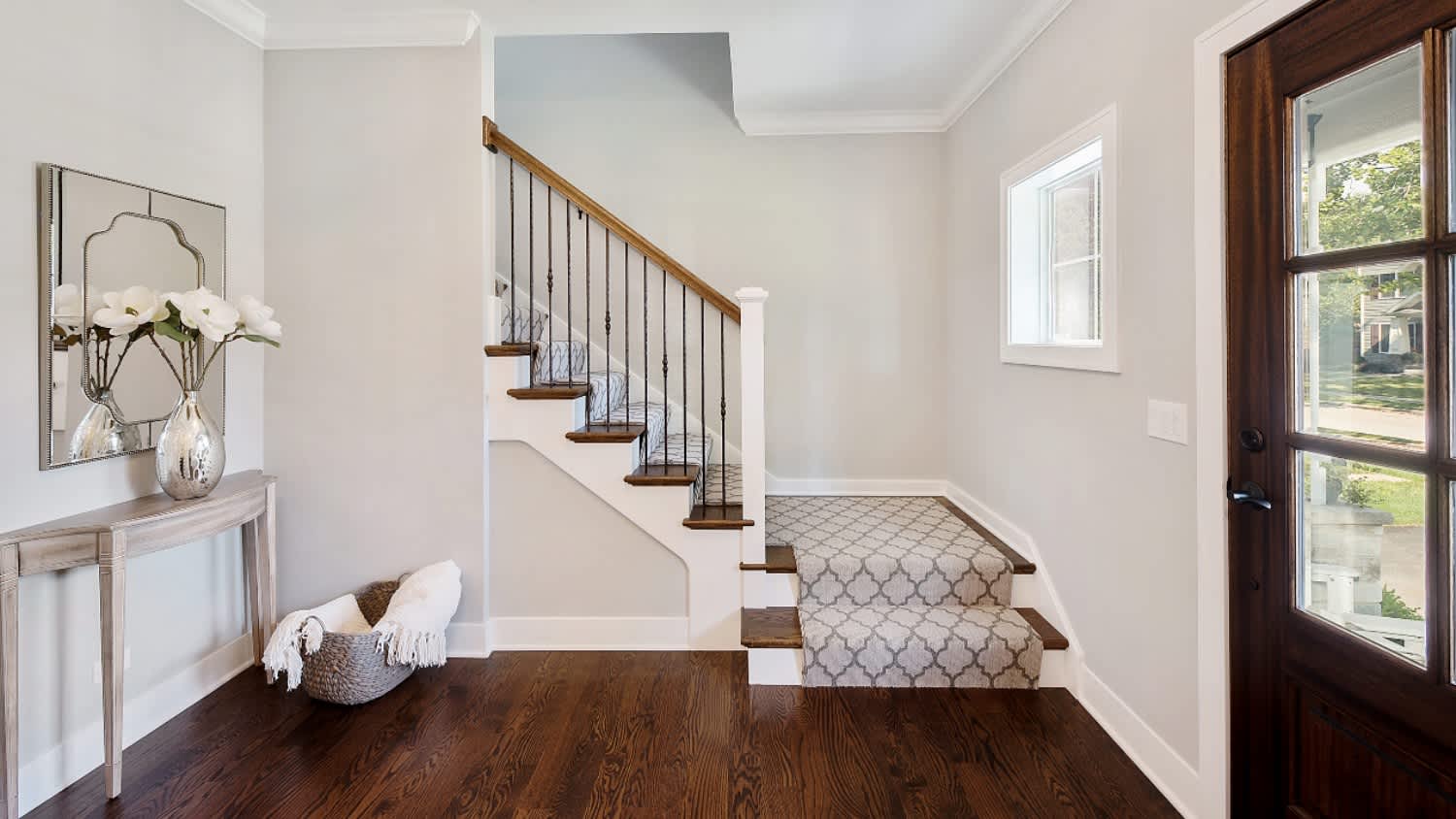
As homes settle, baseboard may separate from the wall and leave pesky cracks. Learn how to caulk trim and baseboards and refresh your space in this guide.
Explore the best caulk alternative options to seal gaps, prevent leaks, and enhance your DIY projects. Find the perfect solution for any application.

Curious pets, water exposure, and old caulk are possible causes of damaged or broken baseboards, trim, or crown moldings. Restore this wood to protect it from dust and insects with these simple, low-cost tips on how to fix baseboards.