
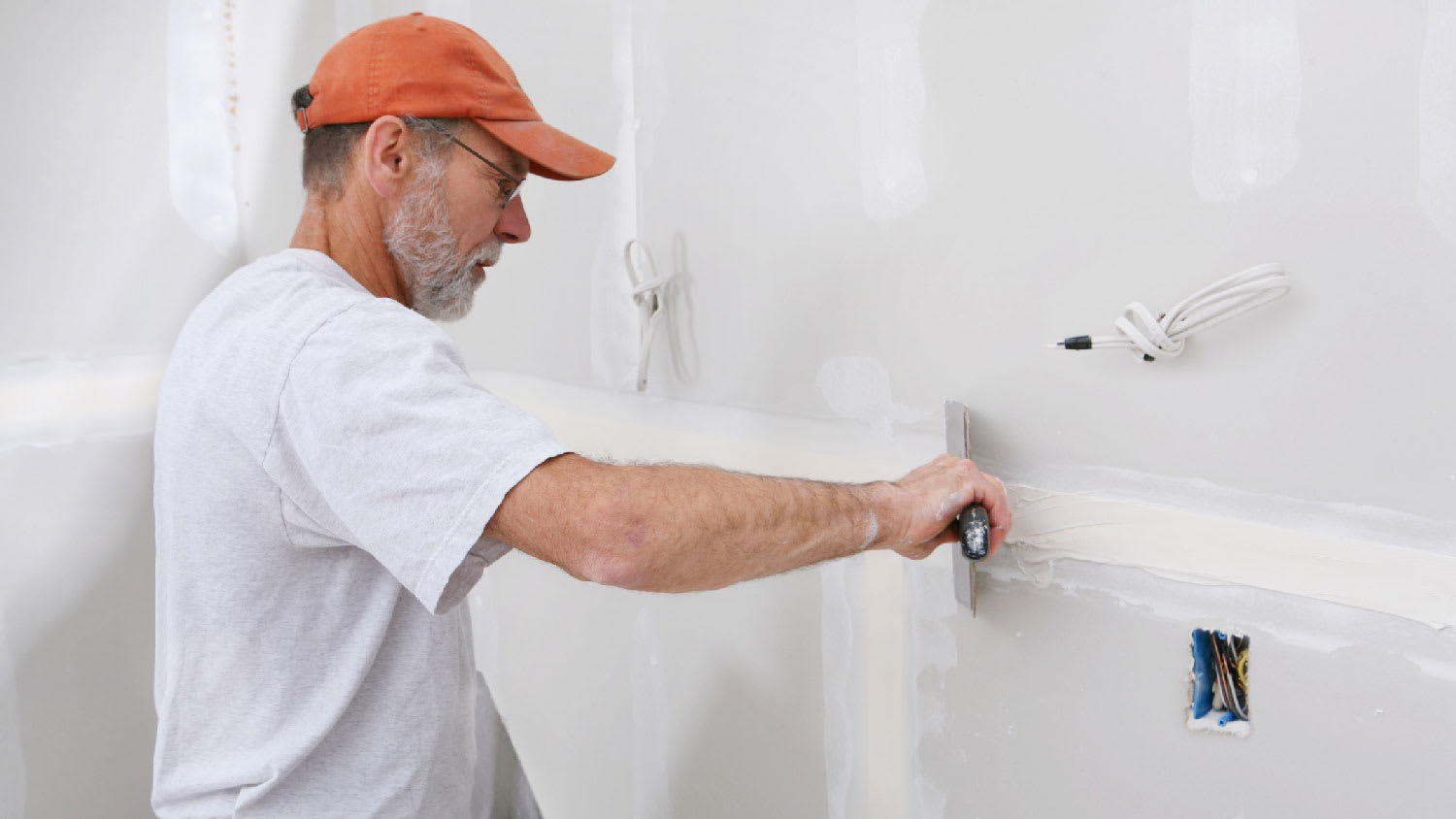
Discover the key differences between caulk versus spackle and learn when to use each for your home improvement projects. Get expert tips for a perfect finish.
Fill in the gaps with some caulk knowledge

Sanded caulk contains fine sand particles for a gritty texture, while unsanded caulk is smooth and free of abrasive materials.
Unsanded caulk is more affordable for most projects, but sanded caulk costs slightly more because of its added grit and durability.
Sanded caulk is more durable in high-traffic areas, while unsanded caulk offers better flexibility for areas with movement or temperature changes.
Hiring a local caulking service professional provides reliable guidance on choosing between sanded and unsanded caulk for your tile or backsplash project.
When it comes to sealing and finishing home improvement projects, understanding the differences between sanded versus unsanded caulk can significantly impact the final outcome. Whether you're remodeling your bathroom, kitchen, or touching up baseboards, choosing the right type of caulk is crucial for durability, aesthetics, and functionality. Let’s explore the key differences between sanded and unsanded caulk so you can decide which one is best for your project’s requirements.
Sanded caulk contains fine sand particles, giving it a gritty texture, while unsanded caulk is smooth and free of any abrasive materials. This fundamental difference means that sanded caulk is often used where a textured adhesion and moisture-resistance are needed, while unsanded caulk is ideal for smooth surfaces requiring a clean finish. Understanding these key distinctions will help you select the right product for your project.
Sanded caulk is a type of sealant mixed with fine sand particles, providing a rough texture that can match or complement grout lines. This texture makes it particularly useful in areas where a seamless look is desired between tiles or along surfaces where grout is present.
| Pros | Cons |
|---|---|
| Matches grout lines | Challenging to apply |
| Fills large gaps | Less flexible |
| Durable | Prone to cracks |
Best For
Filling and sealing large joints and seams
Use in tiled showers and bathroom floors
Areas where sanded grout has been used
One of the significant advantages of sanded caulk is its ability to blend seamlessly with and further support sanded grout. This makes it an excellent choice for projects like caulking your shower, where surfaces are moist and you want a consistent look across tiled surfaces.
The sanded texture helps fill larger gaps, making it suitable for use in joints with wider widths. Its durability in high-traffic areas is also noteworthy, as it can withstand daily wear and tear more effectively than some alternatives.
Despite its benefits, sanded caulk has some drawbacks. Its gritty texture can make it more challenging to apply smoothly, requiring either careful attention and skill during application or the help of a local caulking pro to avoid an uneven finish.
Additionally, sanded caulk tends to be less flexible, which can lead to cracking over time, especially in areas with significant movement or temperature fluctuations.

Unsanded caulk, as the name suggests, is free of any abrasive particles, resulting in a smooth, pliable consistency. This type of caulk is often used for applications requiring a clean, finished appearance without any visible texture.
| Pros | Cons |
|---|---|
| Smooth finish | Small gaps only |
| Flexible | Less durable |
| Easy to apply | May shrink over time |
Best For
Sealing small joints and gaps
Use in areas with significant movement
Areas where a smooth look is needed, such as baseboards, backsplashes, and countertops
Unsanded caulk's smooth finish makes it incredibly easy to apply and tool into place, providing a clean and professional look even for DIY caulkers. Its flexibility also allows it to accommodate minor movements and expansions, making it ideal for areas that experience temperature fluctuations or settling. This makes it a preferred choice for sealing edges around sinks, kitchen backsplashes, and baseboards, where a seamless appearance is essential.
The thinner consistency of unsanded caulk can be a disadvantage when dealing with larger gaps or joints. It may not fill these spaces effectively, potentially leading to gaps or insufficient sealing. Additionally, unsanded caulk may not be as durable in high-traffic areas, as it lacks the grit needed to withstand wear and tear.
Choosing between sanded and unsanded caulk depends on several factors, including the specific requirements of your project and the surfaces you're working with. Understanding how each type of caulk measures up in terms of key qualities will help you make an informed decision.
In terms of durability, sanded caulk often has the upper hand in high-traffic areas. The addition of sand particles gives it a robust texture that can withstand physical wear better than unsanded caulk. However, unsanded caulk offers excellent flexibility, which can be beneficial in areas that experience movement or settling. Choosing the right type of caulk depends on whether durability or flexibility is more important for your project.
Moisture resistance is a critical factor, especially in bathrooms and kitchens. While sanded caulk adheres well initially to wet surfaces, unsanded caulk is generally considered more moisture-resistant. This makes it ideal for moist areas such as showers and around sinks. Its smooth finish creates a watertight seal that prevents moisture penetration.
Sanded caulk, while still water-resistant, may not perform as well in consistently damp environments, as the sand particles can create tiny voids that allow moisture to seep through over time.
Unsanded caulk is typically easier to apply due to its smooth, pliable consistency. It can be easily tooled into joints and gaps, providing a clean, professional finish. Sanded caulk, on the other hand, requires more skill to apply evenly due to its gritty texture. For DIY enthusiasts and those seeking an easy application process, unsanded caulk may be the preferred choice.
When it comes to appearance, the choice between sanded and unsanded caulk depends on the desired finish. Sanded caulk provides a textured look making caulk and grout lines blend together well. This makes it an excellent choice for tiled surfaces. Unsanded caulk, with its smooth finish, offers a more polished appearance suitable for visible joints and gaps. Consider the overall aesthetic of your project when deciding between the two.
In terms of versatility, unsanded caulk is generally more adaptable to various applications. Its flexible, smooth finish allows it to be used in a wide range of settings, from bathrooms to kitchens and beyond. Sanded caulk, while effective in specific applications, may not offer the same level of versatility due to its gritty texture and limited flexibility. For projects requiring a high degree of versatility, unsanded caulk may be the better option.
Sanded caulk is the clear winner when it comes to use over grout. Its textured finish matches most grout lines, creating a seamless transition between tiles and caulk. This makes it the ideal choice for tiled surfaces where a consistent appearance is desired. Unsanded caulk, while smooth and flexible, may not provide the same cohesive look in grout applications.
When it comes to sealing large gaps, sanded caulk is the better choice. Its thicker consistency and sand particles allow it to fill and bridge larger spaces effectively. Unsanded caulk, with its thinner consistency, may not provide the same level of coverage and sealing for substantial gaps that are more than ⅛ inch in width. Consider the size of the gaps you're dealing with when choosing between the two.
Cost can be a deciding factor when choosing between sanded and unsanded caulk. Generally, unsanded caulk tends to be more affordable, making it a budget-friendly option for a variety of applications. Sanded caulk, with its added grit and texture, may be slightly more expensive but offers specific benefits that justify the cost in certain projects. Consider your budget and project requirements when making a decision.
Terrible experience. Walls/trim/floors/cabinets/doors all have drip marks, overspray, etc. Tiling at the fireplace had to be redone by another vendor due to incorrect and shoddy install by Profect. Contractor had his children in our house while he was on site without prior authorization or...
 Profect painting & exteriors
It was wonderful working with Yordy and his team. They were very professional and are experts in what they do. They have completed the work on time, with better quality and with in fairly reasonable price. We just started with backsplash work , but liking his work, we went on to provide...
 Flooring Solutions
We were having 2”x 2” tile installed . There was a small installation error and the new additional replacement tile was from a different lot and the colors didn’t match. Joe assured us that he would rectify everything , which he did without hesitation. We decided to go with the 18” x 36” tile...
 CarifaTile
For several months I was looking for somebody to tile a wall in my master bath and move lighting fixtures, and could not find anybody who was responsive. I contacted Rowe through Home Advisor and within days they came by to assess the job and provide an estimate. The cost was very...
 Rowe House Development
It went very well! The end product was amazing and we keep getting a lot of compliments from friends! M&E were very professional and they made sure we were happy with the product before leaving. They met with us in our home and at the tile shop to make sure we were okay with our tile and...
 M&E Remodeling
Involved an extensive bathroom remodel, including removing tub & installing walk in shower, new drywall, custome tile work to ceiling, plumbing, etc. Overall, job was done on time and on budget. Nick & his team were very professional and had high attention to detail. Quality was great. Highly...
 Stamos Flooring and Remodeling LLC
Very pleased with the service and level of professionalism. Courteous and very unobtrusive in performing service. Unlike several other companies, Bradford Xteriors was willing to perform work on a three story home with a clay tile roof. <br />
 Bradford Xteriors
This company did a very good job on the brick wall and it looks just amazing. The staff was always professional and was practically OCD on how the bricks were stacked and how they were laid. Although it took longer than expected, I am willing to sacrifice time over perfection anyday. The...
 My Handy Mate LLC Improvement & Remodeling
He did the tile work and he was good at it. He used other subcontractors for the rest of the work (like putting in the cabinetry) and they were okay but not great. He was a great guy! He was easy to work with and had a good eye for the detail of his work. There were a couple of things that I...
 Brian Miller Custom Remodeling
I was very impressed with Miller Cantrell! I live in an old home in which the sewage line that runs from my home to the sewage system is a line of clay tile. These eventually collapse and need to be replaced - an expensive problem and sure to happen at the worst time. I told them that my...
From average costs to expert advice, get all the answers you need to get your job done.
Discover the key differences between caulk versus spackle and learn when to use each for your home improvement projects. Get expert tips for a perfect finish.
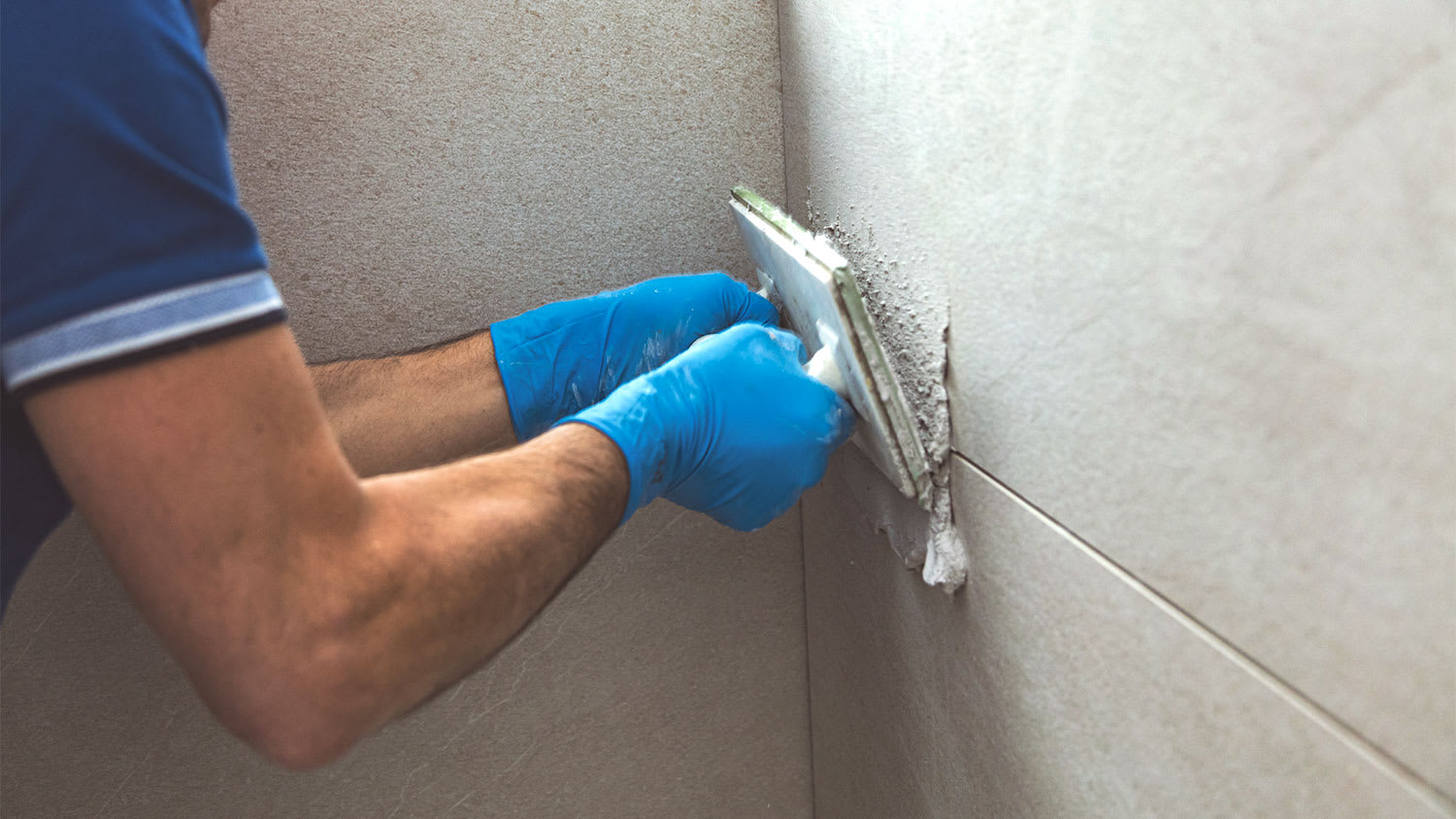
Discover the many differences between sanded vs. unsanded grout so you can choose the right type for your next tiling project.

We explore the differences between caulk versus wood filler for your project. Learn which is best for sealing, filling, and repairing damaged wood.
Discover the key differences between acrylic versus silicone caulk to choose the right sealant for your next DIY project.
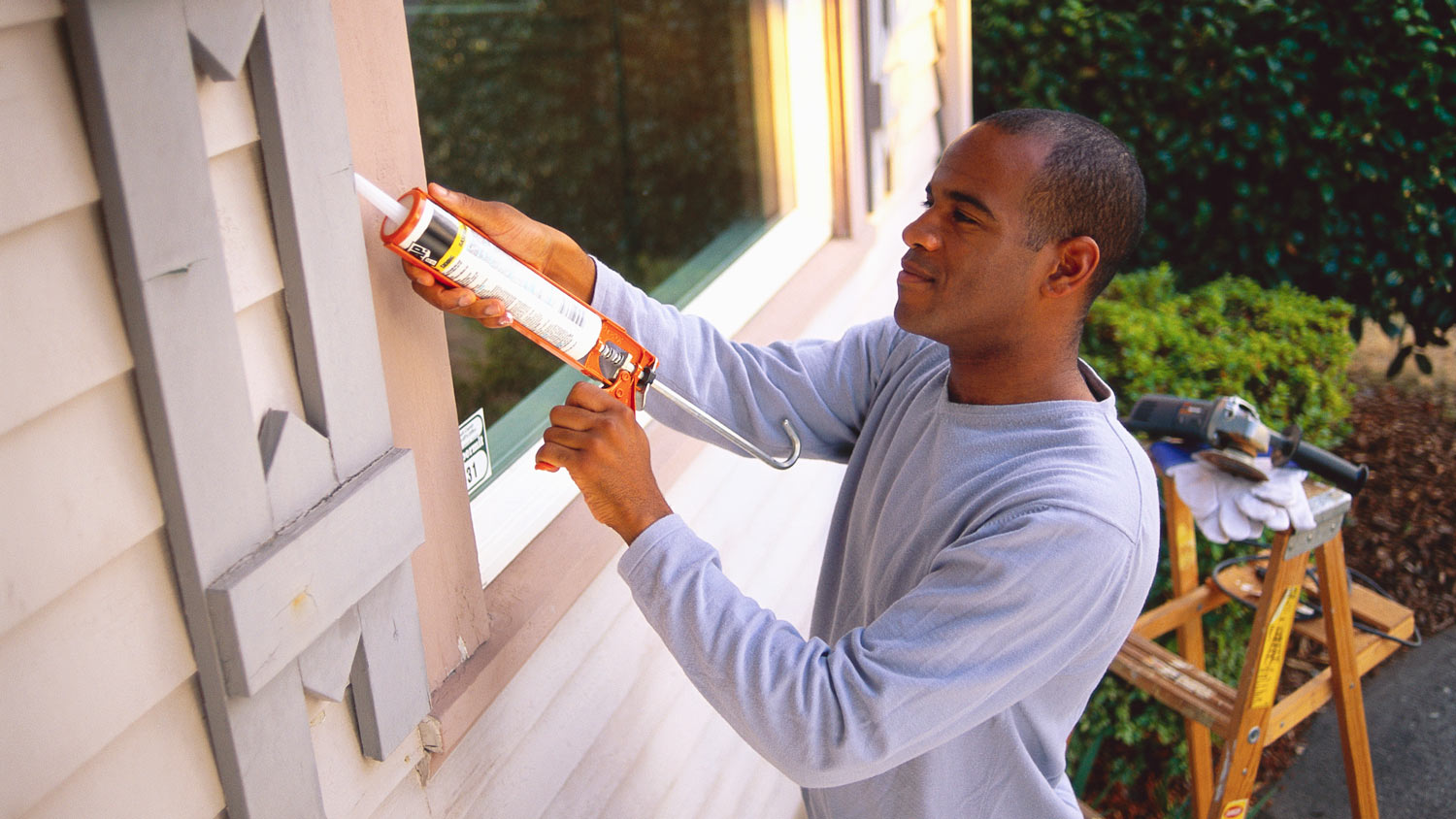
Caulk and sealant are both helpful for closing gaps, but they aren’t the same thing. Find out whether caulk versus sealant is a better choice for your project.
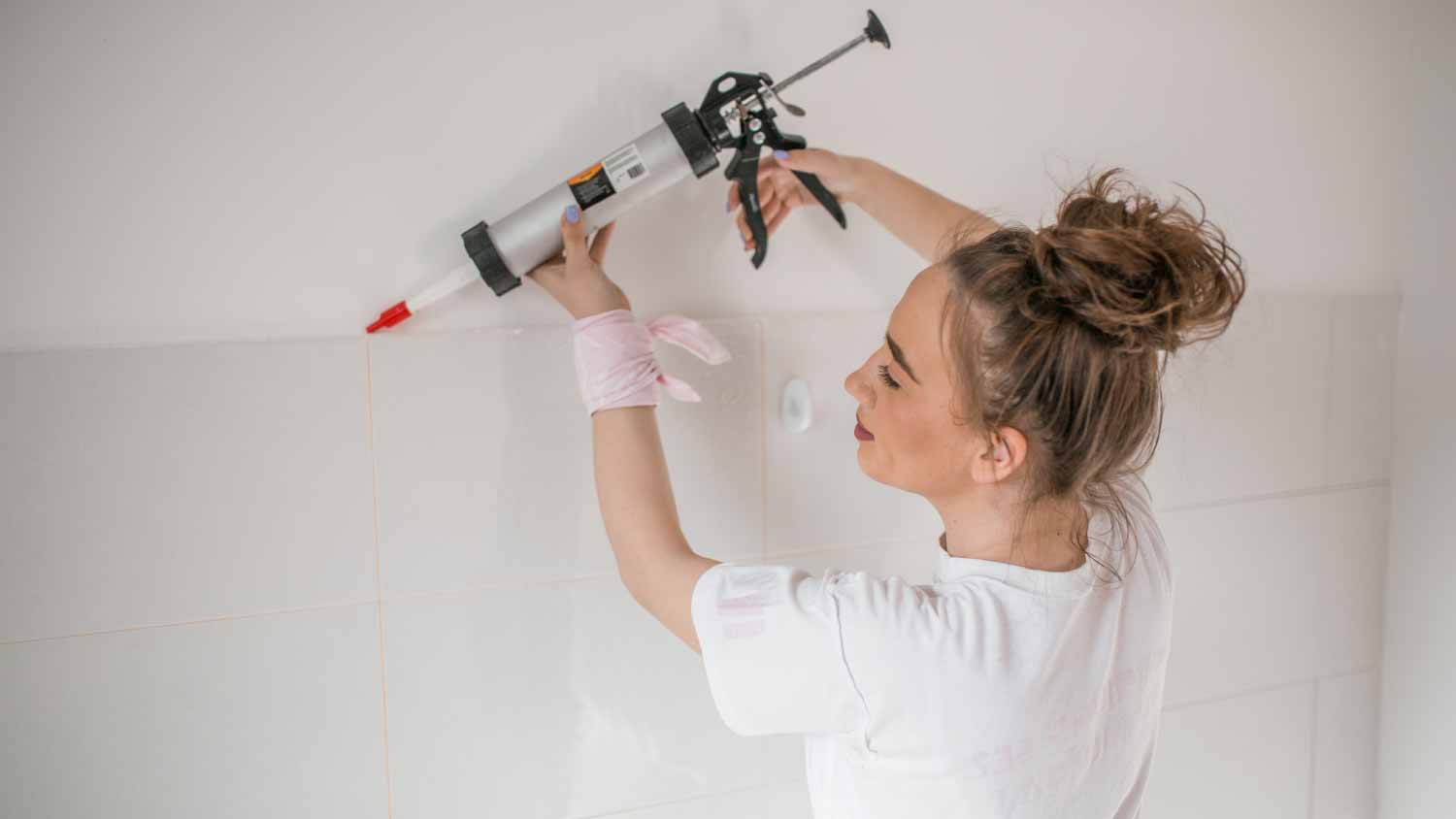
Discover the key differences between caulk versus silicone. We discuss the pros and cons and when to use each for the best results in your DIY projects.