
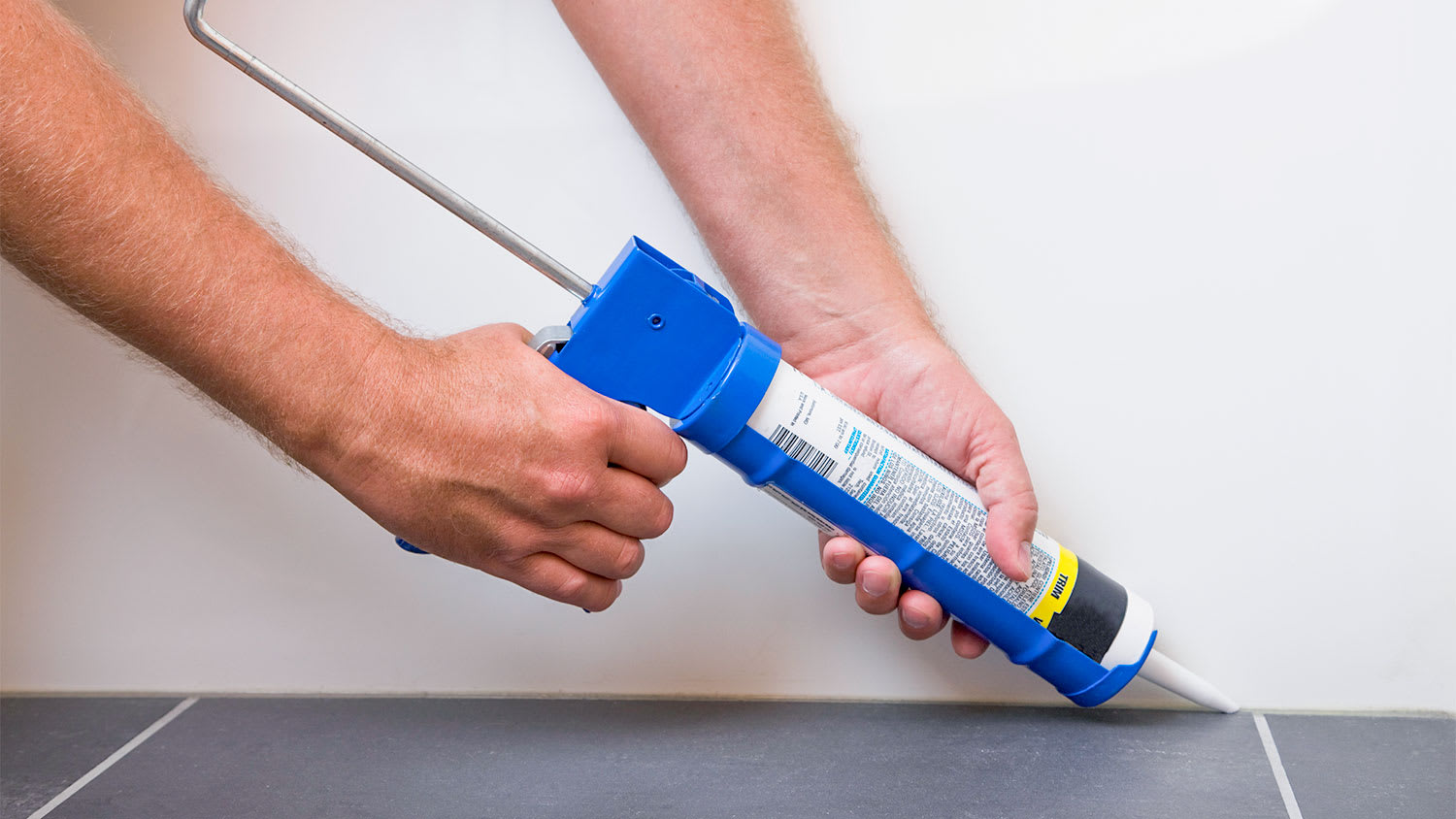
For a bathroom remodel, touch-up, or home perimeter, caulking is worth the investment. Find out average costs for window caulking, shower caulking, and more.
Fill gaps, seal cracks, and prevent mold with this multi-purpose material

The meaning of caulk is a flexible sealant you apply to fill gaps between surfaces, preventing water damage and air leaks in your home.
Professional caulking costs range from $65 to $300 for bathtubs or showers and $50 to $70 per window for expert application.
Caulk comes in different types like silicone, acrylic latex, polyurethane, and butyl rubber, so you choose the right one for your specific project.
Hiring a local caulking service professional removes the guesswork from application techniques and ensures your seals prevent mold growth and drafts effectively.
If you’re planning a bathroom remodel or kitchen renovation, you’re probably going to go through a few tubes of caulk in the process—but what is caulk, exactly? And how is it different from other materials, like sealant and grout? Let’s look at the basics behind this common building material, including what it is, how much it costs, and where to use it.

Caulk is a flexible substance used to fill gaps or create bonds between different surfaces or building materials on the interior or exterior of your home. It’s commonly applied to windows, doors, and plumbing fixtures (such as bathtubs and sinks) to prevent air leaks and water damage.
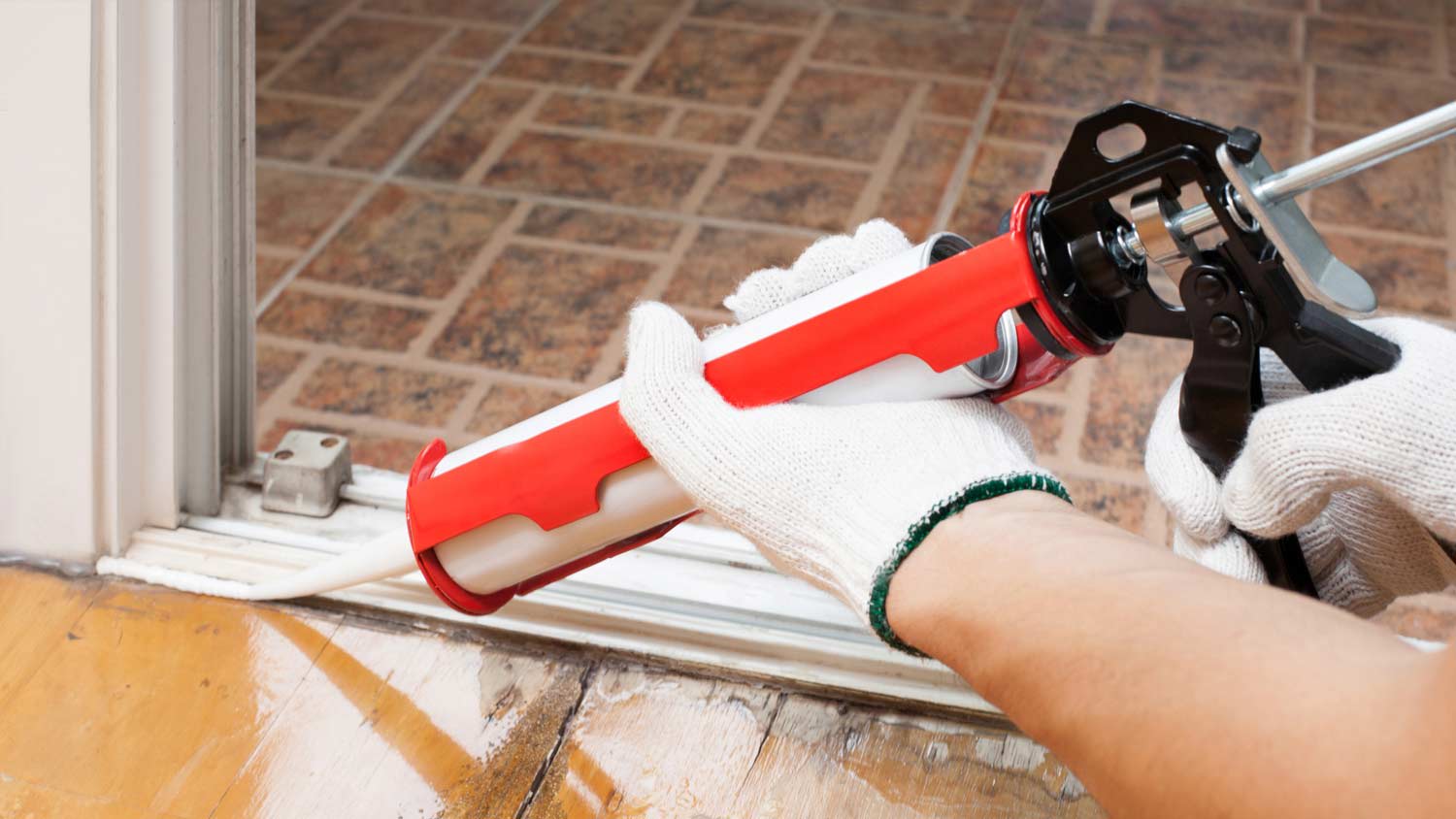
It most often comes in a tube that you insert into a caulking gun when you’re ready to apply it. There are also squeezable and pressurized tubes of caulk, which don’t always require a caulking gun.
There are several types of caulk, including:
Acrylic latex caulk
Silicone caulk
Polyurethane-based caulk
Butyl rubber caulk
Each type of caulk is different, and it’s important to choose the right kind based on the project you’re tackling. For example, the best caulk for showers isn’t necessarily going to be the best caulk for baseboards. If you aren’t sure which type you need, reach out to a local caulking company for advice on your specific project.

Caulk is a versatile product that’s effective for indoor and outdoor projects. Some of the most common uses of caulk include:
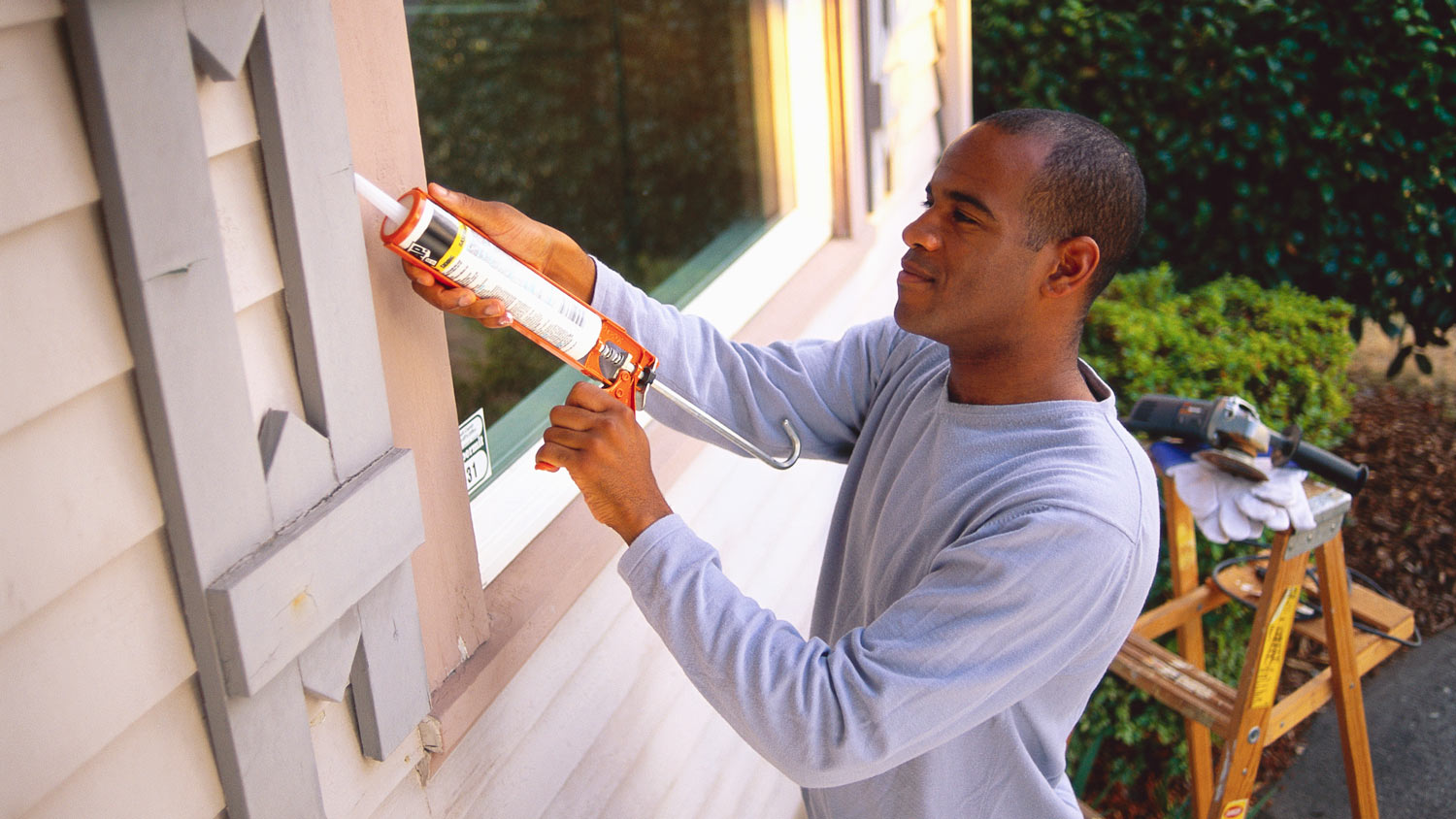
Sealing drafty windows or doors
Preventing mold growth in showers and tubs
Closing gaps around baseboards or moldings
Patching small holes or cracks in interior walls
Reapplying loose carpet or wallpaper
Repairing roof shingles or flashing
Filling gaps on the exterior of your home to prevent pests from entering
If you hire a pro, the cost of caulk will depend on the size of the area they’re caulking and whether they need to remove old caulk. On average, though, professional caulking costs between $65 and $300 for a bathtub or shower or $50 to $70 per window.
Alternatively, you can save money by learning how to apply caulk yourself. Overall, it’s fairly straightforward (although it’ll take some practice to master the motions), but some caulking projects are more complicated or dangerous than others.
For example, caulking a shower is a DIY-friendly task, but climbing onto your roof to replace loose shingles isn’t quite so simple. For these sorts of specialized or high-risk projects, we recommend calling a handyperson or caulking pro.
If you don’t have much DIY experience, it’s easy to confuse caulk with other materials, like sealant and grout. However, each of these products serves a different purpose, so it’s important to understand which one you’ll need for your job. Here are some of the primary differences between caulk and similar materials.
Caulk and sealant have similar uses and application methods, which explains why the terms are often used interchangeably. However, sealant is more elastic and less rigid than caulk. As a result, sealant is a better option for spaces that experience lots of movement.
Grout is a cement-based material that goes between tiles to prevent them from shifting. When it comes to grout versus caulk, grout is harder than caulk when it dries, making it the better pick for keeping tile floors, walls, and backsplashes in place. On the other hand, caulk is useful for sealing gaps between different materials (for example, a tile wall and countertop).
Terrible experience. Walls/trim/floors/cabinets/doors all have drip marks, overspray, etc. Tiling at the fireplace had to be redone by another vendor due to incorrect and shoddy install by Profect. Contractor had his children in our house while he was on site without prior authorization or...
 Profect painting & exteriors
It was wonderful working with Yordy and his team. They were very professional and are experts in what they do. They have completed the work on time, with better quality and with in fairly reasonable price. We just started with backsplash work , but liking his work, we went on to provide...
 Flooring Solutions
We were having 2”x 2” tile installed . There was a small installation error and the new additional replacement tile was from a different lot and the colors didn’t match. Joe assured us that he would rectify everything , which he did without hesitation. We decided to go with the 18” x 36” tile...
 CarifaTile
For several months I was looking for somebody to tile a wall in my master bath and move lighting fixtures, and could not find anybody who was responsive. I contacted Rowe through Home Advisor and within days they came by to assess the job and provide an estimate. The cost was very...
 Rowe House Development
It went very well! The end product was amazing and we keep getting a lot of compliments from friends! M&E were very professional and they made sure we were happy with the product before leaving. They met with us in our home and at the tile shop to make sure we were okay with our tile and...
 M&E Remodeling
Involved an extensive bathroom remodel, including removing tub & installing walk in shower, new drywall, custome tile work to ceiling, plumbing, etc. Overall, job was done on time and on budget. Nick & his team were very professional and had high attention to detail. Quality was great. Highly...
 Stamos Flooring and Remodeling LLC
Very pleased with the service and level of professionalism. Courteous and very unobtrusive in performing service. Unlike several other companies, Bradford Xteriors was willing to perform work on a three story home with a clay tile roof. <br />
 Bradford Xteriors
This company did a very good job on the brick wall and it looks just amazing. The staff was always professional and was practically OCD on how the bricks were stacked and how they were laid. Although it took longer than expected, I am willing to sacrifice time over perfection anyday. The...
 My Handy Mate LLC Improvement & Remodeling
He did the tile work and he was good at it. He used other subcontractors for the rest of the work (like putting in the cabinetry) and they were okay but not great. He was a great guy! He was easy to work with and had a good eye for the detail of his work. There were a couple of things that I...
 Brian Miller Custom Remodeling
I was very impressed with Miller Cantrell! I live in an old home in which the sewage line that runs from my home to the sewage system is a line of clay tile. These eventually collapse and need to be replaced - an expensive problem and sure to happen at the worst time. I told them that my...
From average costs to expert advice, get all the answers you need to get your job done.
For a bathroom remodel, touch-up, or home perimeter, caulking is worth the investment. Find out average costs for window caulking, shower caulking, and more.
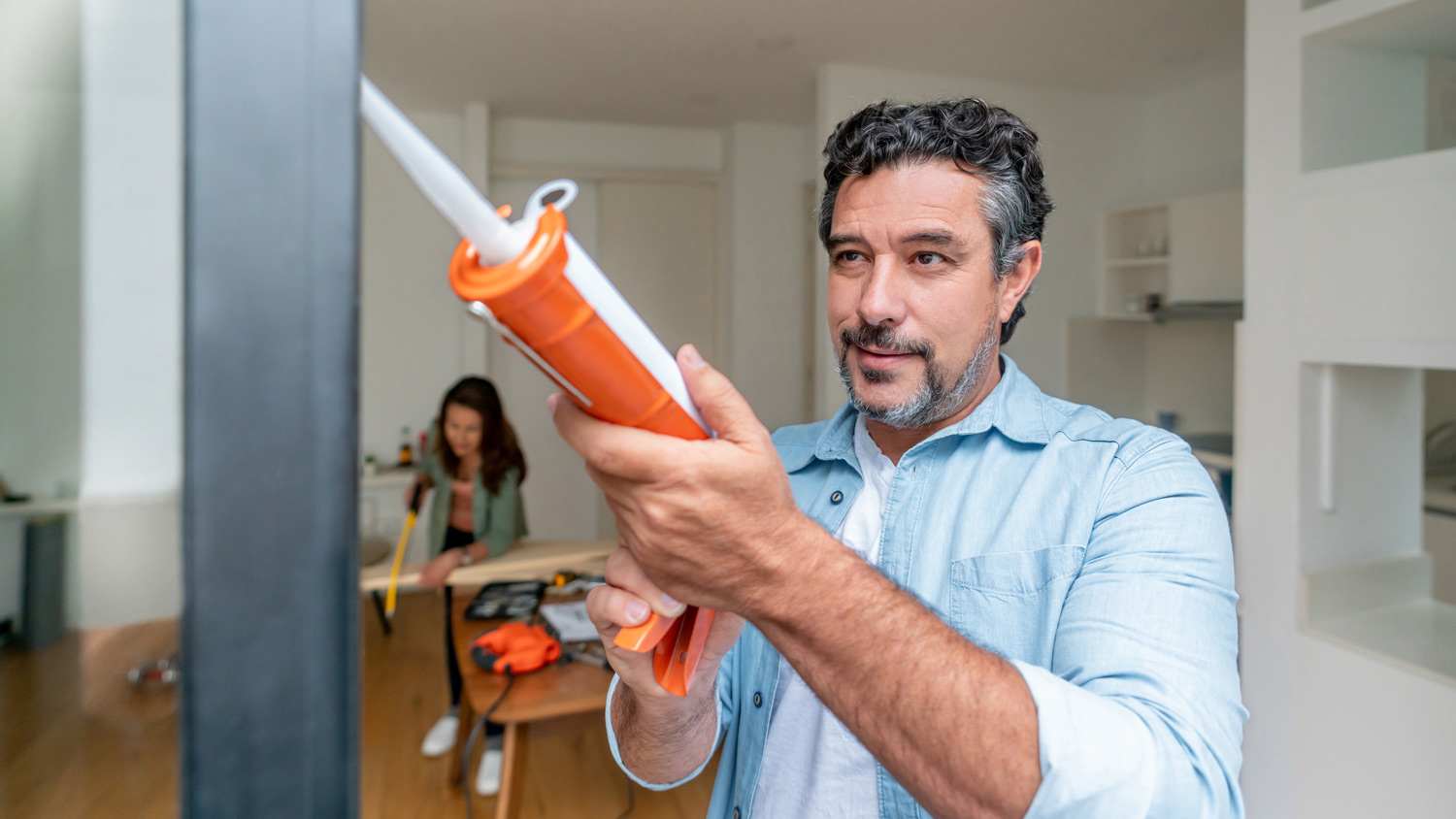
With so many different types of caulk on the market, how do you know which one is right for your home improvement project? Here’s how to figure it out.
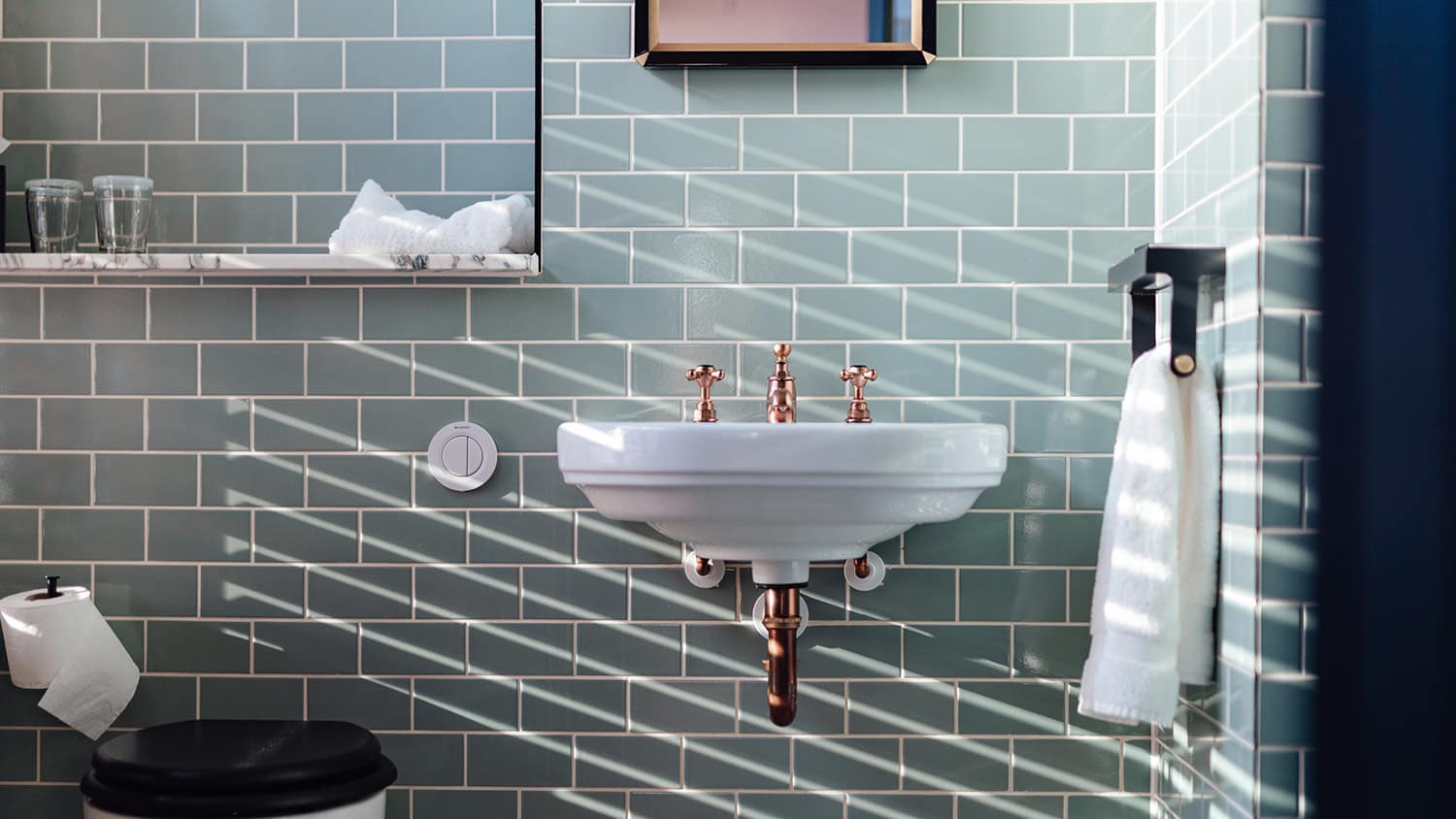
Confused about how to choose between grout vs. caulk for your home improvement project? This simple guide explains when to use which and why.
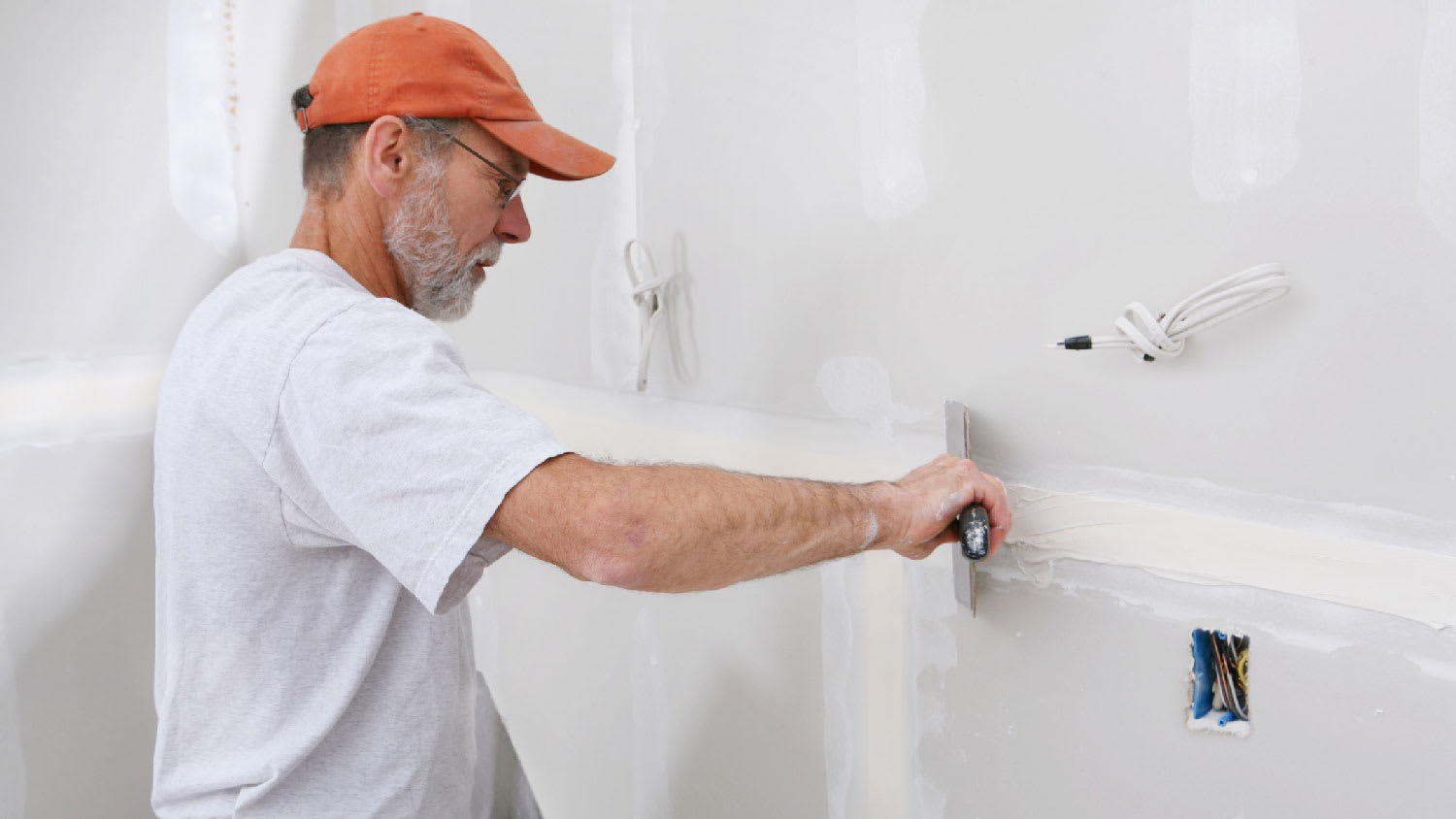
Discover the key differences between caulk versus spackle and learn when to use each for your home improvement projects. Get expert tips for a perfect finish.
Explore the best caulk alternative options to seal gaps, prevent leaks, and enhance your DIY projects. Find the perfect solution for any application.
Caulk and sealant are both helpful for closing gaps, but they aren’t the same thing. Find out whether caulk versus sealant is a better choice for your project.