

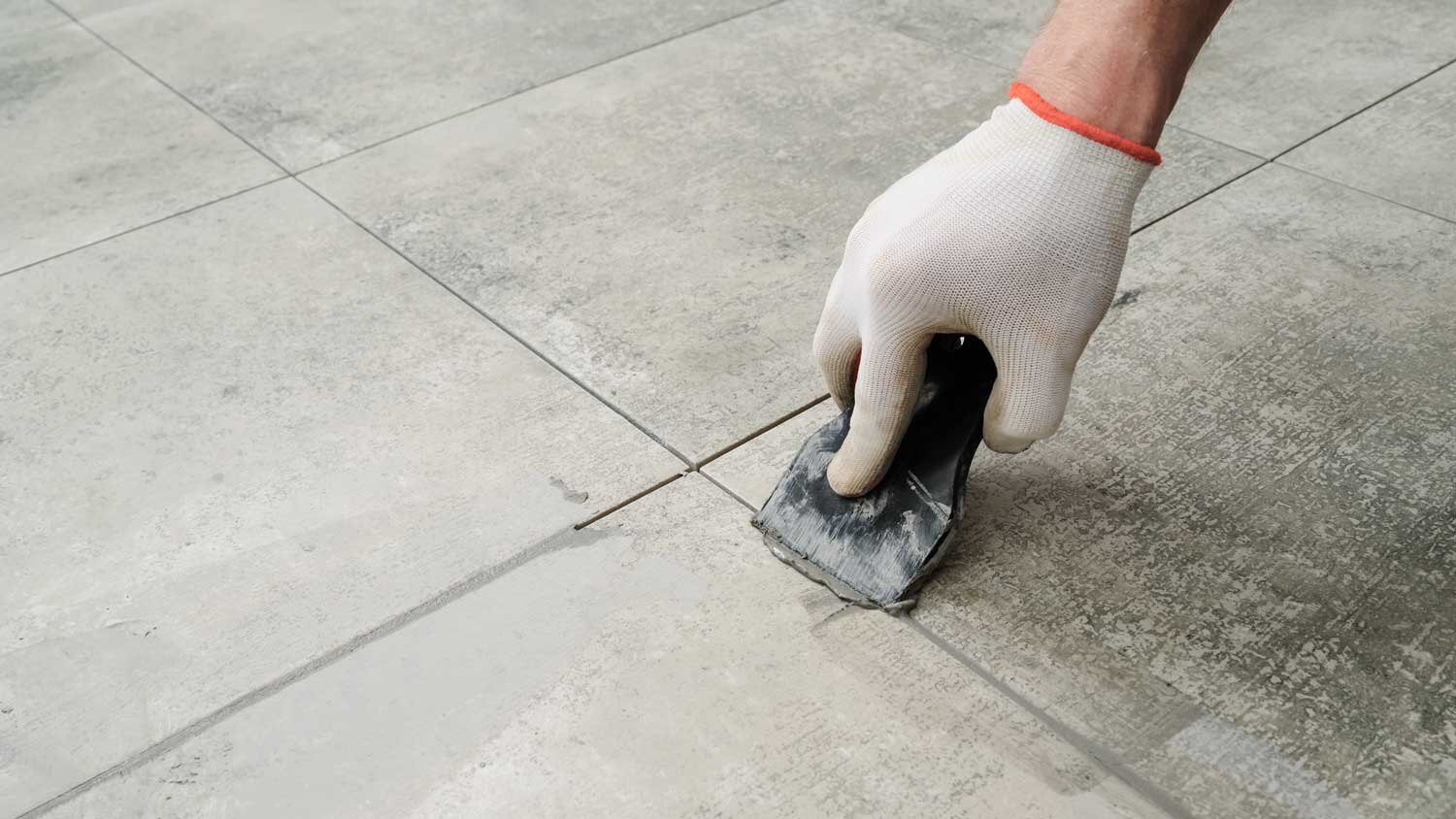
Discover the average cost of grout repair, key price factors, and tips to save. Get expert advice to plan your grout repair project with confidence.
Grout serves to connect tiles, while caulk is better for waterproofing or sealing

Grout fills tile joints to keep your tiles from shifting, while caulk seals seams between different materials to block water.
Grout comes as a powder or premix for your tile joints, while caulk comes in a tube for targeted sealing.
Grout dries hard, so your tile seams stay firm, while caulk stays flexible to handle movement without cracking.
Hiring a local tile professional keeps your grout and caulk application clean and precise, helping you avoid water damage from improper sealing or tile installation.
If you’re a first-time DIYer, you might be curious about the difference between grout versus caulk. Here’s a quick summary: Grout goes between tiles, while caulk seals the spaces between the tile and other surfaces (like a countertop or bathtub). Caulk has a few other applications, too, including preventing air leaks around windows and sealing baseboards. Keep reading to learn more about caulk versus grout, including the pros, cons, and uses of each material.
While grout and caulk may seem similar, they serve different purposes. Grout, which is cement-based or epoxy-based, fills gaps between tiles, keeping them secure and preventing water and debris from getting behind them. Caulk is a flexible material with multiple uses, including sealing gaps around windows and connecting different surfaces (like a countertop and tile backsplash).
Here are the outlet types you find in most U.S. homes:
15-amp, 120-volt (2-prong and 3-prong): The standard household outlet for lamps, TVs, and chargers.
20-amp, 125-volt: A higher-power outlet for kitchens, laundry rooms, and workshops.
240-volt (20-amp to 50-amp): A large-appliance outlet for dryers, ranges, and EV chargers.
GFCI: A shock-protection outlet for kitchens, baths, and other wet areas.
AFCI: A fire-protection outlet for bedrooms and living spaces.
Tamper-resistant: A child-safe outlet with internal shutters, now standard in new homes.
Weather-resistant: A corrosion-resistant outlet built for outdoor use.
Convenience types: Switched, combination, USB, smart, and rotating outlets.

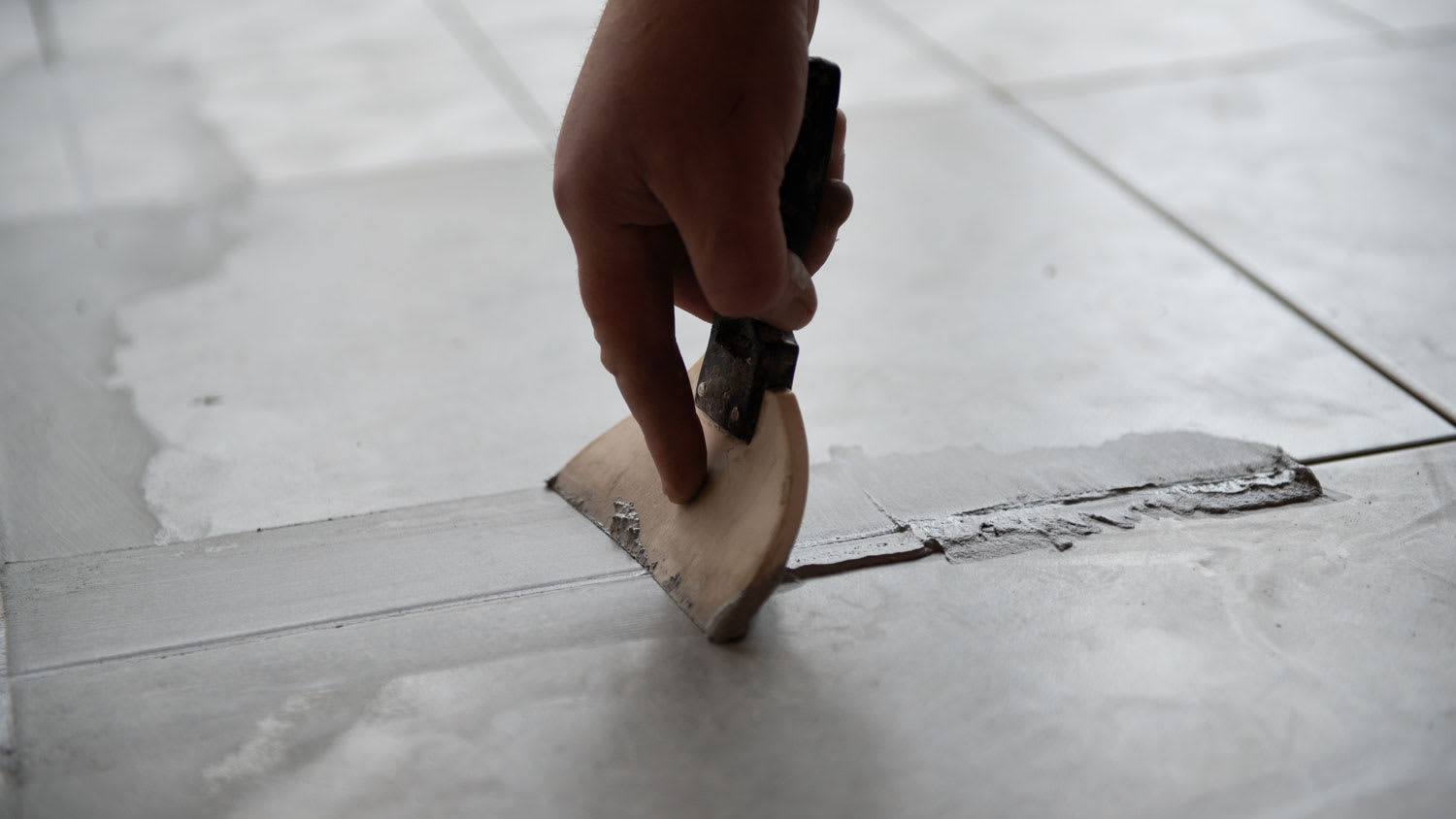
Grout is a cementitious material made from cement and fine particles, including sand and bits of crushed rock. It comes in a powdery material in most cases and requires that you mix it with water before applying it. You can also purchase it as a pre-mixed material.
You’ll find grout most commonly between tiles, either on your kitchen or bathroom floor, your kitchen backsplash, or your tub surround. Grout is a coarse material that solidifies as it cures, helping to prevent shifting after tile installation.
| Pros | Cons |
|---|---|
| Premixed and custom color options | Messy application process |
| Strong and durable | Pricier than caulk |
| Can fill in large gaps | Requires cleaning to prevent discoloration |
| Easy to clean up after applying | Must be mixed correctly |
Best for:
Filling gaps between tiles
Preventing dirt, debris, and moisture from getting under tiles
Enhancing the look of floors, walls, backsplashes, and other tiled surfaces
Many color options: Grout is available in multiple pre-mixed colors, and you sometimes can add some colorant to adjust the final hue slightly.
Long-lasting: When mixed and applied correctly, grout will last a dozen years or more without crumbling or breaking.
Stands up to foot traffic: Grout is highly durable, so you can use it in places that get a lot of traffic, like the kitchen and bathroom.
Easy cleanup: When learning how to apply grout, it’s easier to clean up any excess grout after you’re done (especially when compared to sticky caulk).
Works in large gaps: Grout easily fills in wider gaps and seams between pieces of tile.
Dries firm: When grout dries, it becomes extremely hard and firm, matching the properties of the tiles around it.
Messy to apply: Even with the right tile installation tools, it’s easy to leave excess grout on your tiles accidentally, especially for the DIY novice. While it’s easy to clean up afterward, you can expect a decent mess during the application process. You may want to call a tile installer near you for a clean application.
Tough to clean: Discoloration is possible over time, meaning you may need to bleach or clean grout between tiles to make it look like new. This is a tedious process, especially since you’re likely to be on your hands and knees.
Costlier DIY job: When applying grout, you will need to buy a 10- to 25-pound box of material that usually costs $15–$35, making it more expensive than caulk.
Only works with tile: Although you can use grout in any room of the home, it only works to fill in the seams between tiles (when installing a ceramic tile floor or wall), giving it less versatility than caulk.

Caulk is generally either a liquid silicone or polyurethane material that you can use to seal a variety of gaps in your home. It’s common in bathrooms and kitchens because the seal it creates is entirely waterproof. Unlike grout, caulk remains flexible after it dries, which means it’s ideal for sealing gaps in materials that can expand and contract or move, especially those that rely on the framing of your home for rigidity.
Caulk typically comes in a tube that you can use with a caulk gun for easy and targeted application. Applying caulk is neater than grout because the tip of the tube is easy to control, but the substance is thick and tacky, so mistakes can be a pain to clean up.
| Pros | Cons |
|---|---|
| Good for connecting different materials | Can make a mess |
| Can withstand movement and vibration | Learning to apply it can be tricky |
| Has many uses | Takes time to dry and cure |
| Easy to repair | Fewer custom color options than grout |
Best for:
Connecting different materials, like a tile wall and a bathtub
Preventing air leaks around windows and doors
Sealing baseboards, crown moldings, and trim
Useable at right angles: Caulk will provide a waterproof seal between two items at an angle to each other. This makes it ideal for waterproofing shower tiles and sealing around countertops, sink bodies, tubs, and more.
Absorbs vibration: Caulk typically does not crack under pressure, allowing it to continue working in areas exposed to significant vibration and even movement.
Versatile material: You can apply caulk to many different materials and in many different locations. You can use it to seal gaps around tubs and sinks, get rid of gaps around trim and drywall, and more.
Inexpensive: You can usually purchase a 10-ounce tube of caulk for $3–$10.
Reusable: If you don’t use the entire tube of caulk for one job, you can plug the end and use it again up to a few weeks in the future. This isn’t possible with pre-mixed grout.
Repairs are easy: If your caulk pulls loose from the seam several years down the road, you can quickly remove the old line of caulk with a paint scraper and apply a new bead.
No scrubbing required: With caulk, there is no need to scrub or bleach it, as the line won’t change its color as it ages (plus, it’s easy to wipe down!).
Messy cleanup: Learning to apply caulk perfectly takes some practice. It’s a sticky substance, which can make for a messy cleanup process.
Varying properties: You must select the right kind of caulk for the planned job, or it won’t provide all the benefits you want.
Long drying process: Some types of caulk can require up to 24 hours to fully dry, although fast-drying options are available.
Limited number of colors: Although caulk is available in several pre-made colors, as well as in a transparent version, you cannot create your own color like you can with grout.

Grout and caulk are both popular materials for DIYers and pros alike, and your choice will come down to what, exactly, you’re working on.
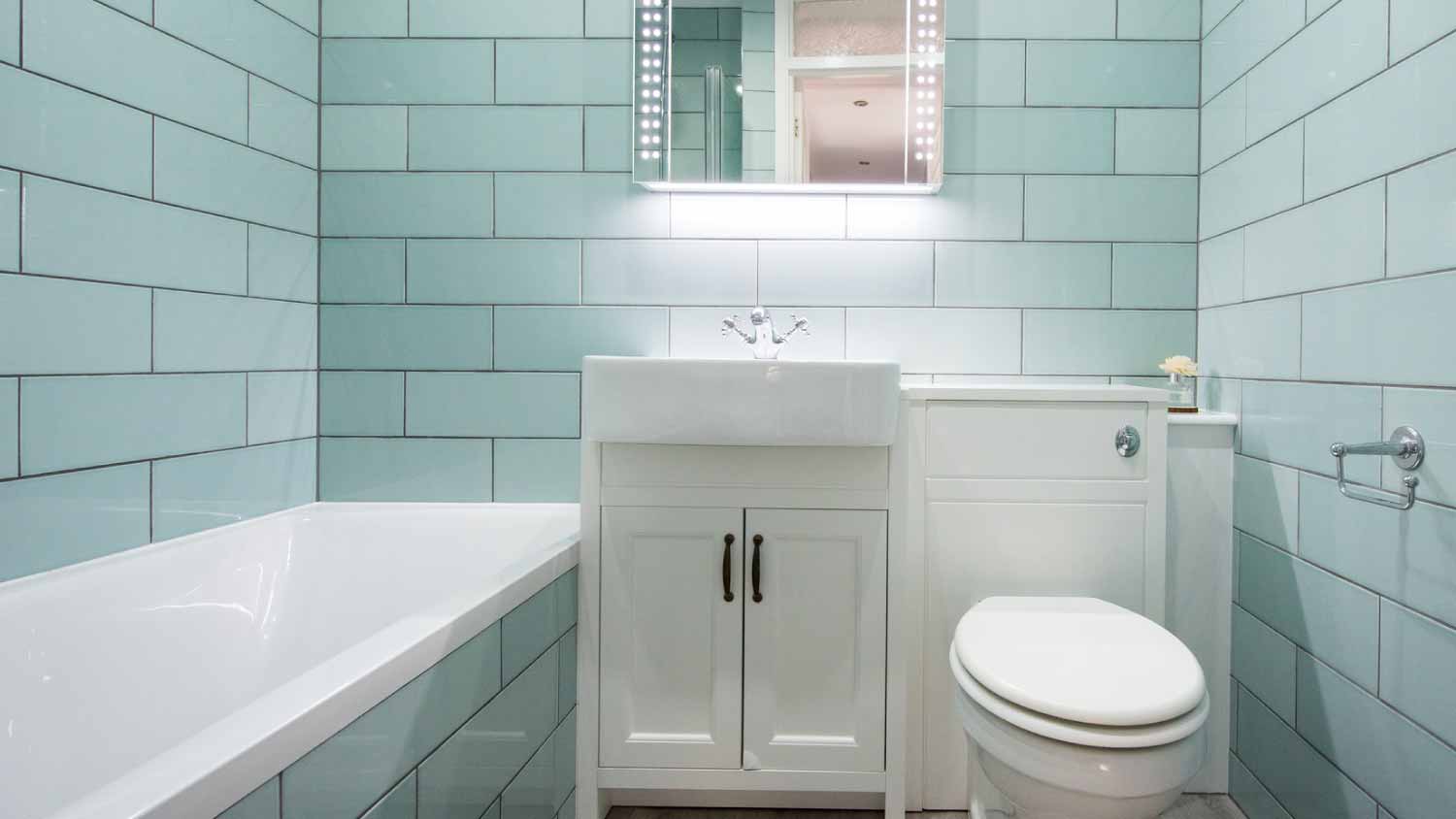
It’s a common question among newer DIYers: Should I use grout or caulk in the shower? The answer: Both. Use grout between the tiles, whether they are on the floor or wall. Use caulk at the corners of the walls and in the joints where the shower wall meets the floor or wall.
Grout is a go-to for floor tiles, as it hardens to the point where you can walk on it easily. Caulk does not completely harden as it dries, so it won’t stand up to foot traffic or keep your tiles perfectly in place.
When installing tile in a bathroom or along a kitchen backsplash, use grout for the seams between tiles. Although caulk is waterproof, it is not the right material to place between tiles. You should, however, use caulk to seal between the countertop and the tile wall.
Whereas grout works only between tiles, caulk will create a seal between different types of materials. Caulk maintains flexibility when it dries, so it can shift slightly when used between different materials that might flex, expand, or contract differently in changing temperatures or humidity levels. Caulk’s slight elasticity allows it to handle these differences without cracking or losing its waterproofing capabilities.
When trying to seal a seam between two angled materials, caulk is the better choice. You might caulk the shower wall where it meets a bathtub edge, for example, or between two walls that meet at a 90-degree angle. Caulk’s flexibility makes it ideal for providing water protection in this angled joint. Grout would not fit well in the angled seam.
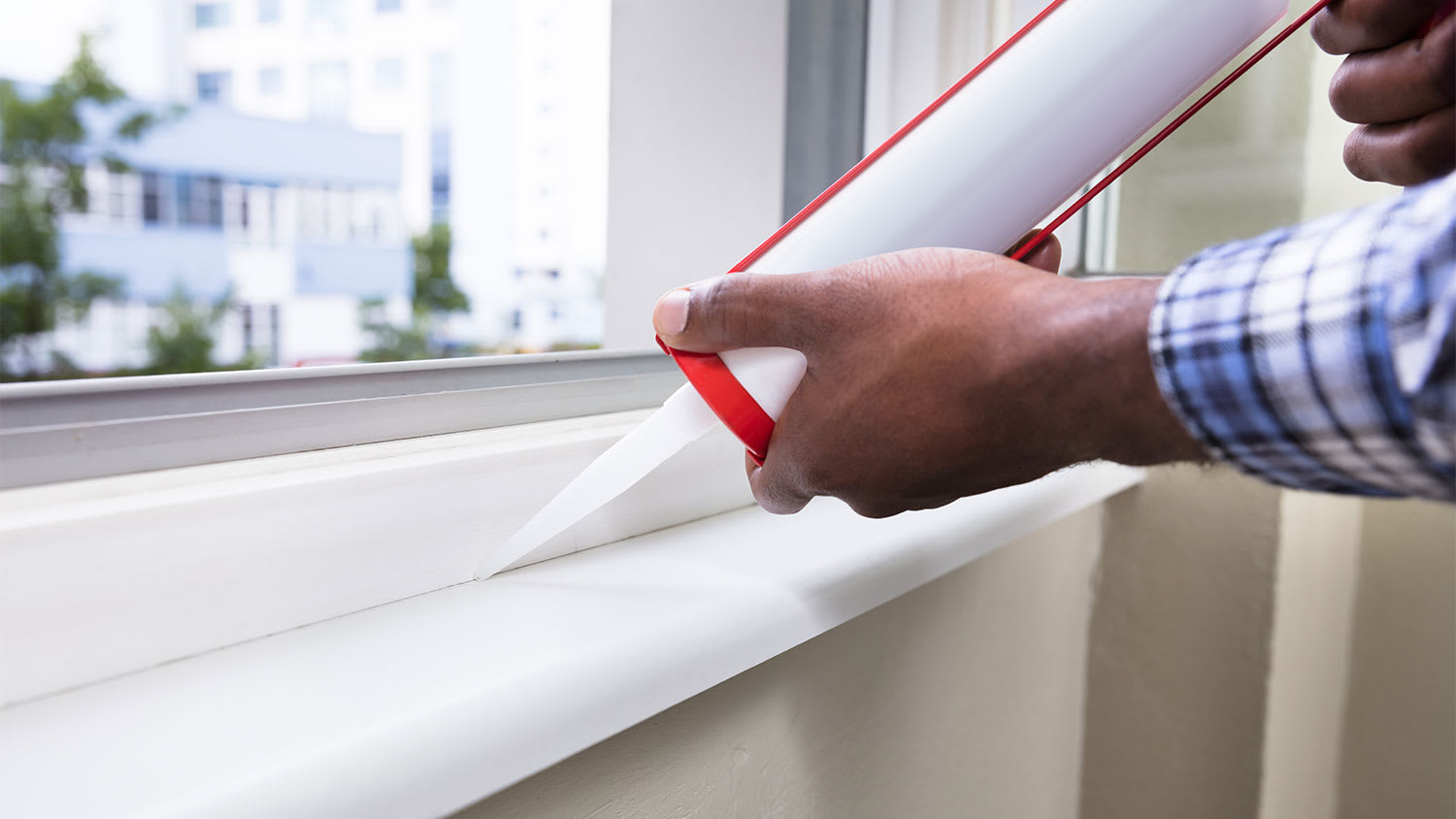
To seal loose panes of glass in a window or the seams in a window frame, preventing unwanted window air leakage, caulk will create a tight seal. Grout does not work for this use case, as it won’t create a seal that keeps air and water out.
Grout is not available as a transparent material, so it will be visible anywhere you apply it. Only caulk is available as an option that will appear transparent after it dries.
If you’re trying to save money on your grouting or caulking project, you can apply the material yourself instead of hiring a professional. Between the two, grout is more expensive and labor-intensive to apply, so you could save more on material and labor costs by doing it yourself.
For example, if you opt to regrout your shower as a DIY project, you’d spend $100 or less on materials and supplies. By comparison, bringing in a pro to regrout a shower costs between $600 and $2,500.
With that said, enlisting a local tile contractor might be a better option if you’re short on time or just want to make sure the job is done right. After all, if you use the wrong type of grout or caulk or apply it incorrectly, you could end up with leaks, water damage, or a number of other expensive-to-fix problems.
Jason has helped me with multiple household projects, with the most recent being new door installation. He has always showed up on time and organized and has done an incredible job! Jason is very professional and he's now my go-to for anything around my house that needs to be fixed or...
 Huff Garage Rescue, LLC
Cole has been handling plumbing and general contracting for our four properties over the past three years, and he’s always done a great job. Most recently, he installed a sink and countertop in our retail store where none existed before, and it turned out exactly how we needed. He’s...
 ANB Renovations LLC
1st Choice Renew is simply the best! We hired them for a complete home renovation, and they transformed our space into something truly amazing. The team attention to detail and commitment to quality were evident throughout the project. They were easy to work with, very responsive, and always...
 Save A Dime
This company went above and beyond with their work, chimney sweeps are usually pretty messy, but the clean up was spot on.!! Josh explained every thing that he was doing, and the things that he was checking to make sure the chimney was safe for me and my family. He was very professional,...
 Supreme brick & chimney
Custom Paint Jobs LLC turned our outdated bathroom into a modern masterpiece.
 Custom Paint Jobs, LLC
Excellent customer service and knowledge. I was recommend to him from my neighbour. My front door and window came in great and were installed beautifully perfectly, I m very satisfied with their excellent work, so decided to order one more big bow window for my living room. I cant wait for...
 Window Depot USA of Central Ohio
If I could give 10 stars for Kitchen Tune Up, I would. I cannot say enough good things about my experience with Kitchen Tune Up and the entire team involved in the process of my kitchen project. They went above and beyond as far as service and quality with my cabinets, paint, countertops, and...
It was wonderful working with Yordy and his team. They were very professional and are experts in what they do. They have completed the work on time, with better quality and with in fairly reasonable price. We just started with backsplash work , but liking his work, we went on to provide...
 Flooring Solutions
We were having 2”x 2” tile installed . There was a small installation error and the new additional replacement tile was from a different lot and the colors didn’t match. Joe assured us that he would rectify everything , which he did without hesitation. We decided to go with the 18” x 36” tile...
 CarifaTile
They work that 360 did on my kitchen cabinets is nothing short of amazing. I still cannot believe the difference from before and after. Jon and Jeff were both so incredibly professional throughout the whole process and their communications with me were constant and consistent. These guys...
 360 Painting Columbus
From average costs to expert advice, get all the answers you need to get your job done.
Discover the average cost of grout repair, key price factors, and tips to save. Get expert advice to plan your grout repair project with confidence.
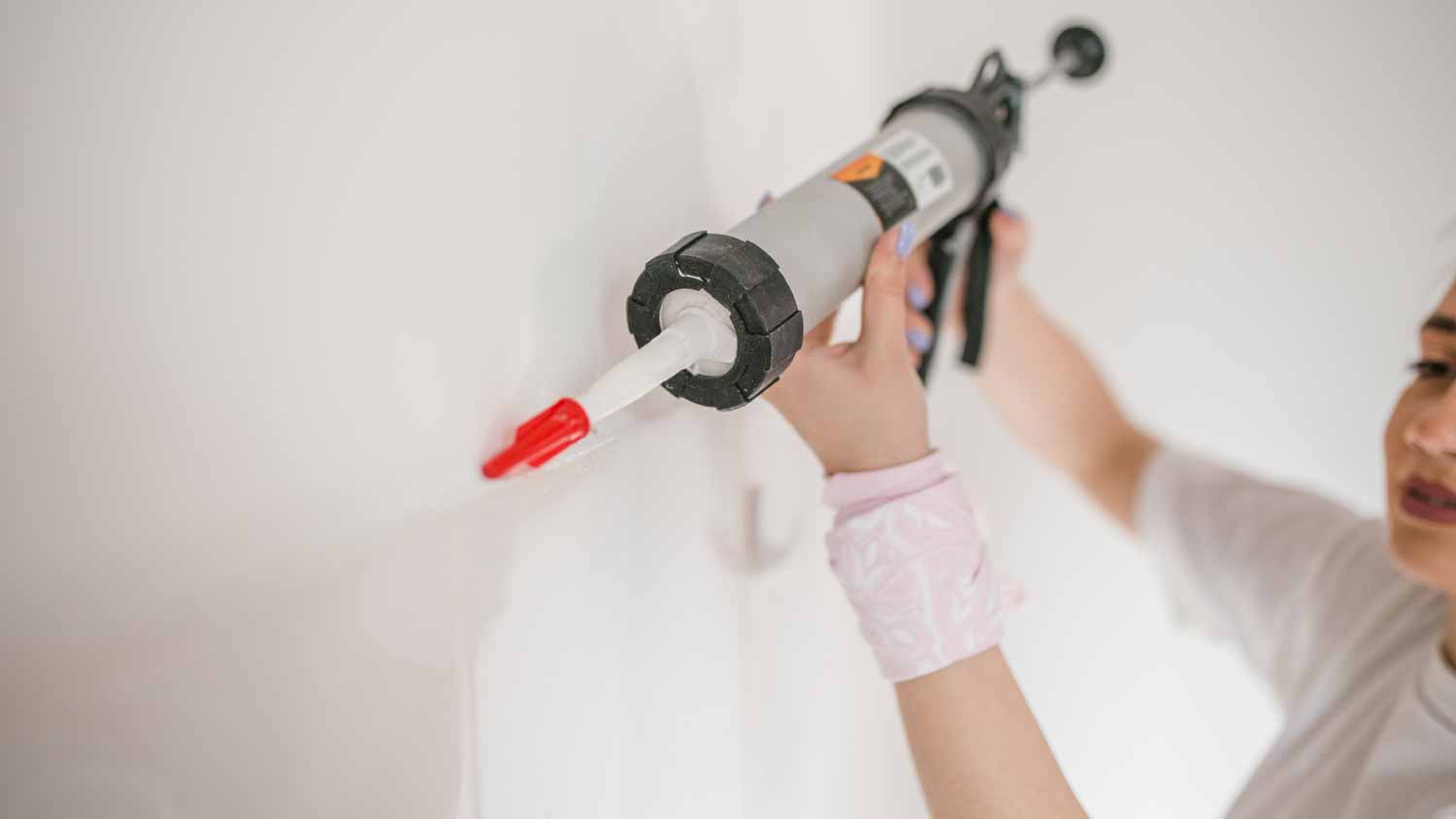
Discover the key differences between sanded versus unsanded caulk and find the best fit for your home projects with this comprehensive guide.
Discover the best methods for how to clean silicone caulk and prevent mold. Keep your bathroom and kitchen spotless with our expert cleaning tips.
Many home improvement projects require caulk, but if you’re a new DIYer, you may not be familiar with this versatile product. So, what is caulk? Let’s explain.
Discover the differences between epoxy grout versus cement grout and choose the best option for your tiling project. Learn about pros, cons, and ideal uses.

Caulk and sealant are both helpful for closing gaps, but they aren’t the same thing. Find out whether caulk versus sealant is a better choice for your project.