

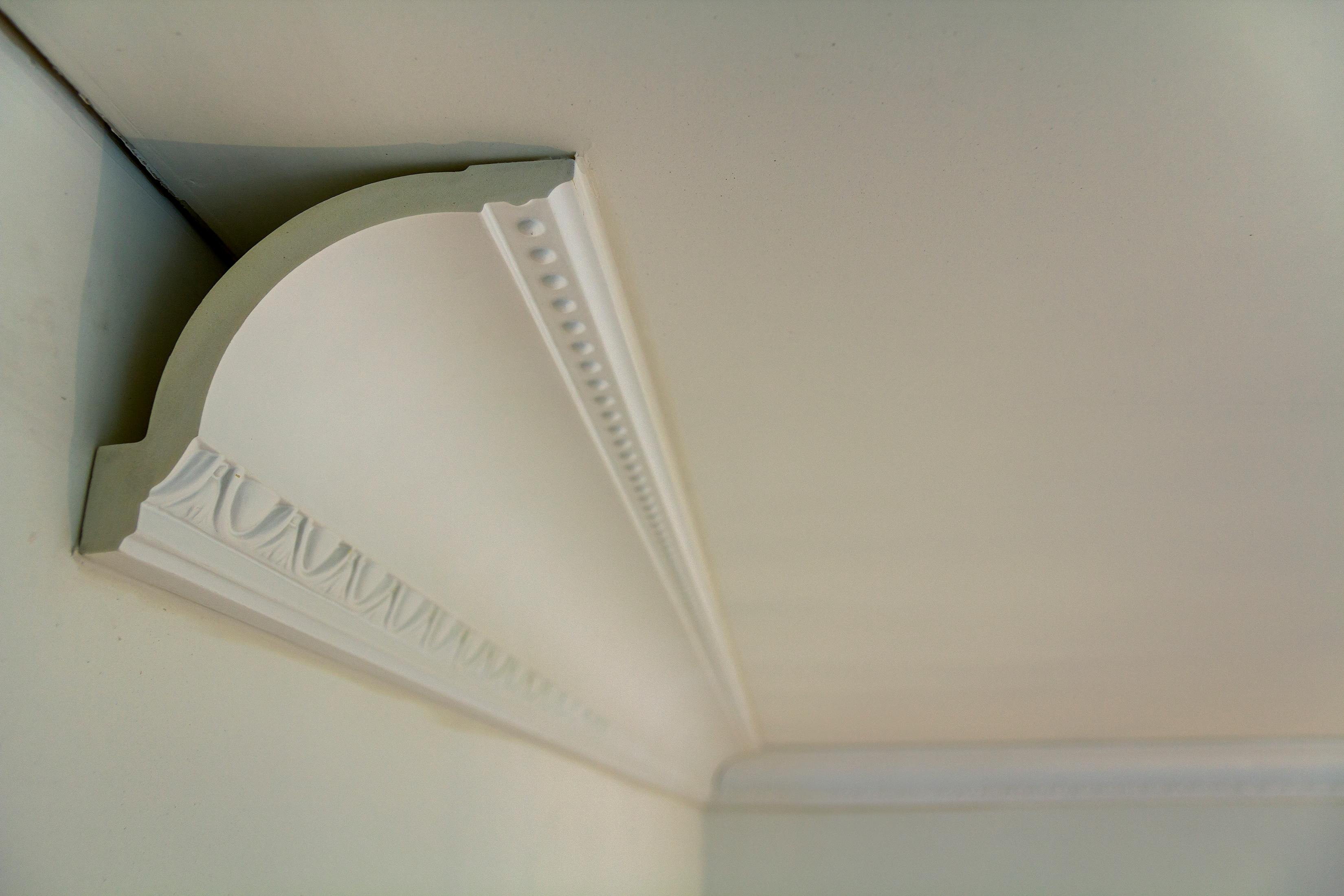
If your crown molding has edges or seams, you may want to caulk it. You can DIY this work or hire a pro—use this guide to learn the cost for both.
Kitchen and bathroom remodel costs depend on your project and location. Check with a local pro for your specific job.

Professional tub or shower caulking costs between $105 and $290, based on tub size and old caulk removal.
Your project size and how much old caulk needs scraping determine the labor time needed for clean lines.
Budget for mold-resistant or weatherproof caulk, plus extra prep time, so your new seal lasts longer.
Hiring a local handyman service professional prevents water intrusion and mold growth by sealing gaps correctly and keeps your home protected.
In 2026, the national average cost of caulking is $200, whether you're sealing around a bathtub, fixing a window leak, or tackling other essential home repairs. Most homeowners spend between $105 and $290, with the final cost determined by the job's size, its location in the home, and how much old caulk needs to be removed. Skipping it tends to cost more in the long run—mold, mildew, and rising energy bills add up fast.
The size of your home and the amount of old caulking to be removed make up the vast majority of your caulking project cost. Most of what you pay goes directly toward your pro's labor time. Larger homes with more caulk to scrape away will always cost more than smaller, targeted jobs.
Project size is the single biggest cost factor in any caulking job because labor is the most expensive line item in your budget. Larger projects require more work hours and more caulking materials, both of which increase the total cost. Smaller, targeted jobs—like a single tub or a few windows—keep costs manageable by limiting the time your pro spends on-site.
Materials make up a negligible portion of professional caulking costs. Caulk itself is inexpensive, so the overwhelming majority of your bill reflects your pro's time to remove old caulk and apply the new seal. Choosing a premium caulk type—such as mold-resistant or silicone—adds minimal material cost but can meaningfully extend the life of the seal.
Hiring a handyperson typically costs $50 to $150 per hour, which makes up the bulk of your total caulking cost. That hourly rate covers both the removal of old caulk and the application of the new seal. While it's a meaningful expense, professional labor ensures the finished job is long-lasting and visually clean.
Removing old caulk is billed at your pro's hourly rate and can affect your total cost, depending on how much caulk needs to be removed and how stubborn it is to scrape. Jobs with minimal old caulk go quickly, while heavily built-up or difficult-to-reach areas take longer and cost more. If you're comfortable with a scraper, removing the old caulk yourself before your pro arrives is one of the most effective ways to reduce the overall bill.
Most caulking projects are easily accessible, but the harder an area is to reach, the longer the work takes and the higher your costs climb. Work that is high up, awkwardly positioned, or requires extra equipment adds meaningful time to the job. Caulking around exterior second-floor windows, for example, costs more than sealing interior, ground-level windows for exactly this reason.
Caulking costs vary by project type, location, and the amount of old caulk that needs to be removed, but most common household jobs fall within predictable ranges. Here is what you can expect to pay a pro for the most frequent caulking tasks:
| Caulking Job | Cost in 2026 |
|---|---|
| Bathtub/shower | $65–$300 |
| Windows | $50–$70 per window |
| Walls | $3–$12 (DIY) |
| Home perimeter | $200–$500 |
Caulking a shower or bathtub professionally costs between $65 and $300, with tub size and the amount of old caulk to remove being the primary cost drivers. Most pros charge by the hour, so a small tub with minimal buildup comes to about $65, while a large shower with heavy, old caulk runs toward $300. Getting a quote before the job starts helps you understand where your specific project falls within that range.
While most caulking becomes dry to the touch in 60 minutes, wait 24 hours before using the shower or tub to let it cure fully.

Pros charge $50 to $70 per window to caulk, with window size and the amount of old caulk to remove being the main cost factors. This is a targeted investment that pays off through lower energy bills, better insulation on cold nights, and protection against moisture damage to window frames. Homes with many windows should budget accordingly, since costs add up quickly at a per-window rate.
Wall caulking is one of the most budget-friendly caulking tasks, with paintable caulk running $3 to $12 per tube as a DIY option. No special tools are required—a finger is all you need to smooth the caulk over cracks and chips. This makes it an accessible repair for most homeowners who want a quick, low-cost fix.
Caulking around the perimeter of your home costs $200 to $500, covering cracks, openings, gaps at joints, areas around the roof, and wherever window or door frames meet siding. This is the most comprehensive caulking project a homeowner can undertake. The higher upfront cost is offset by significant energy savings and a highly effective moisture barrier that protects the entire structure.
Professional caulking averages $1.25 to $4 per linear foot and usually includes supplies, while handy homeowners who caulk their own windows or take on most caulking jobs themselves pay just $0.05 to $0.20 per linear foot. DIYers should also budget an additional $10 to $30 for supplies to achieve a clean, crisp line. Hiring a local handy person costs roughly five times the DIY rate, but that premium buys a neat, consistent, and effective seal that holds up over time.
While caulking projects may seem straightforward, they require specialized tools and skills to prevent leaks and damage. Here’s why it’s best to hire a pro for the job:
Professionals know how to choose the right type of caulk for different surfaces.
Experienced pros can seal gaps to prevent water intrusion, air leaks, and mold growth.
DIY projects can lead to cracking, peeling, or water damage.
Pros have the specialized tools required to achieve smooth, lasting results.
Experts can complete the job quickly and prevent common issues like cracking, shrinking, and water leaks.
If you want to assist your pro, consider helping out with the following tasks:
Clean and dry surfaces before the project begins
Remove old or cracked caulk with a scraper
Keep tools nearby and easily accessible for your pro
Cleanup excess caulk or packaging after the job is complete
Clearly explain the scope of your caulking project and the materials you require.
Ask your pro about upgrades like mold-resistant or weatherproof caulking.
Let your pro know about any problem areas, cracks, or areas that need extra attention.
Ask your pro if they offer labor warranties for added protection if something goes wrong.
Home is the most important place on earth, which is why Angi has helped more than 150 million homeowners transform their houses into homes they adore. To help homeowners with their next project, Angi provides readers with the most accurate cost data and upholds strict editorial standards. We extensively research project costs to develop the pricing data you see, so you can make the best decisions for you and your home. We rely on reputable sources, including the U.S. Bureau of Labor Statistics, academic journals, market studies, and interviews with industry experts—all to ensure our prices reflect real-world projects.
Want to help us improve our cost data? Send us a recent project quote to [email protected]. Quotes and personal information will not be shared publicly.
Jason has helped me with multiple household projects, with the most recent being new door installation. He has always showed up on time and organized and has done an incredible job! Jason is very professional and he's now my go-to for anything around my house that needs to be fixed or...
 Huff Garage Rescue, LLC
Cole has been handling plumbing and general contracting for our four properties over the past three years, and he’s always done a great job. Most recently, he installed a sink and countertop in our retail store where none existed before, and it turned out exactly how we needed. He’s...
 ANB Renovations LLC
1st Choice Renew is simply the best! We hired them for a complete home renovation, and they transformed our space into something truly amazing. The team attention to detail and commitment to quality were evident throughout the project. They were easy to work with, very responsive, and always...
 Save A Dime
This company went above and beyond with their work, chimney sweeps are usually pretty messy, but the clean up was spot on.!! Josh explained every thing that he was doing, and the things that he was checking to make sure the chimney was safe for me and my family. He was very professional,...
 Supreme brick & chimney
Custom Paint Jobs LLC turned our outdated bathroom into a modern masterpiece.
 Custom Paint Jobs, LLC
Excellent customer service and knowledge. I was recommend to him from my neighbour. My front door and window came in great and were installed beautifully perfectly, I m very satisfied with their excellent work, so decided to order one more big bow window for my living room. I cant wait for...
 Window Depot USA of Central Ohio
If I could give 10 stars for Kitchen Tune Up, I would. I cannot say enough good things about my experience with Kitchen Tune Up and the entire team involved in the process of my kitchen project. They went above and beyond as far as service and quality with my cabinets, paint, countertops, and...
It was wonderful working with Yordy and his team. They were very professional and are experts in what they do. They have completed the work on time, with better quality and with in fairly reasonable price. We just started with backsplash work , but liking his work, we went on to provide...
 Flooring Solutions
We were having 2”x 2” tile installed . There was a small installation error and the new additional replacement tile was from a different lot and the colors didn’t match. Joe assured us that he would rectify everything , which he did without hesitation. We decided to go with the 18” x 36” tile...
 CarifaTile
They work that 360 did on my kitchen cabinets is nothing short of amazing. I still cannot believe the difference from before and after. Jon and Jeff were both so incredibly professional throughout the whole process and their communications with me were constant and consistent. These guys...
 360 Painting Columbus
From average costs to expert advice, get all the answers you need to get your job done.
If your crown molding has edges or seams, you may want to caulk it. You can DIY this work or hire a pro—use this guide to learn the cost for both.
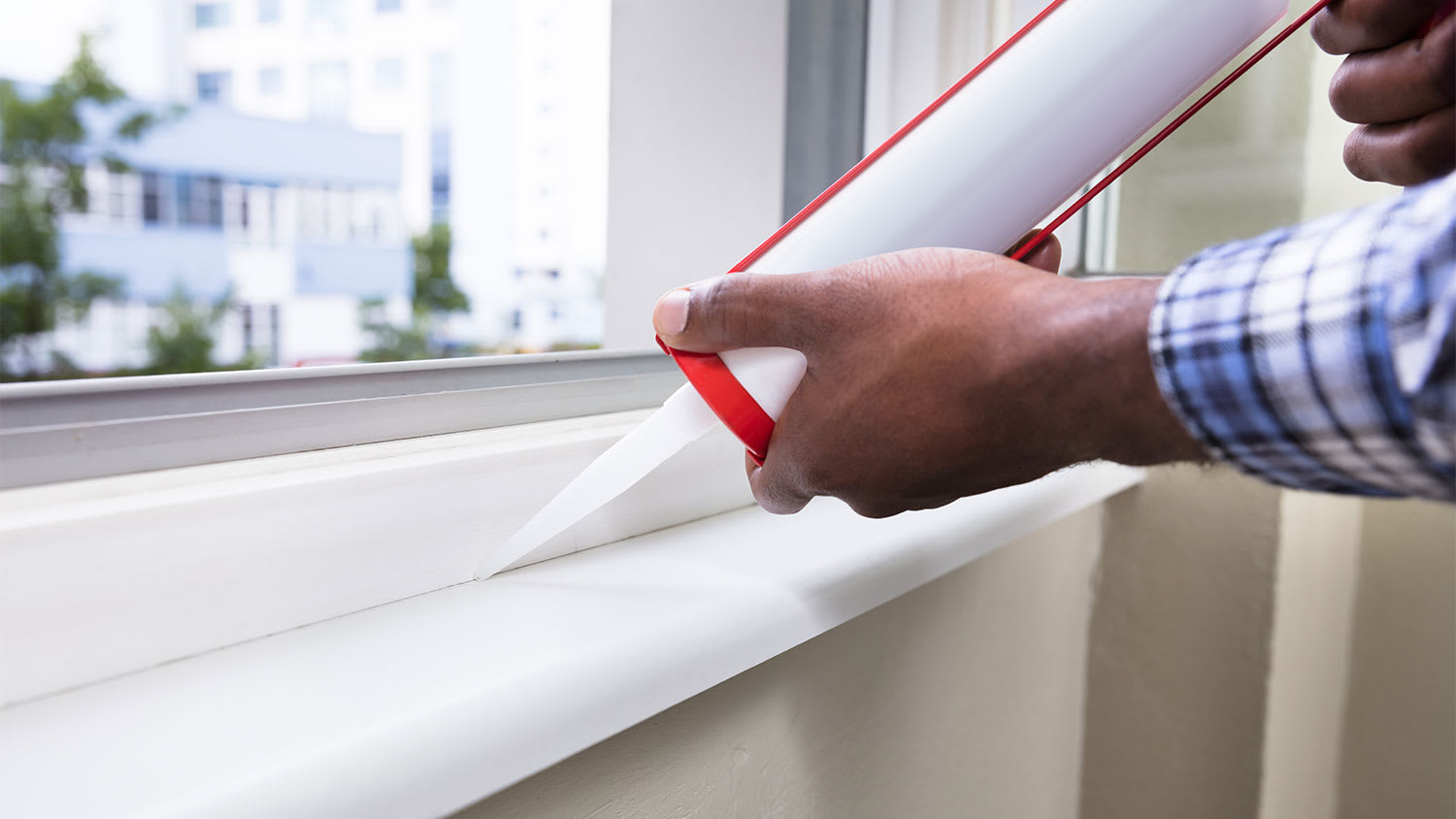
Many home improvement projects require caulk, but if you’re a new DIYer, you may not be familiar with this versatile product. So, what is caulk? Let’s explain.
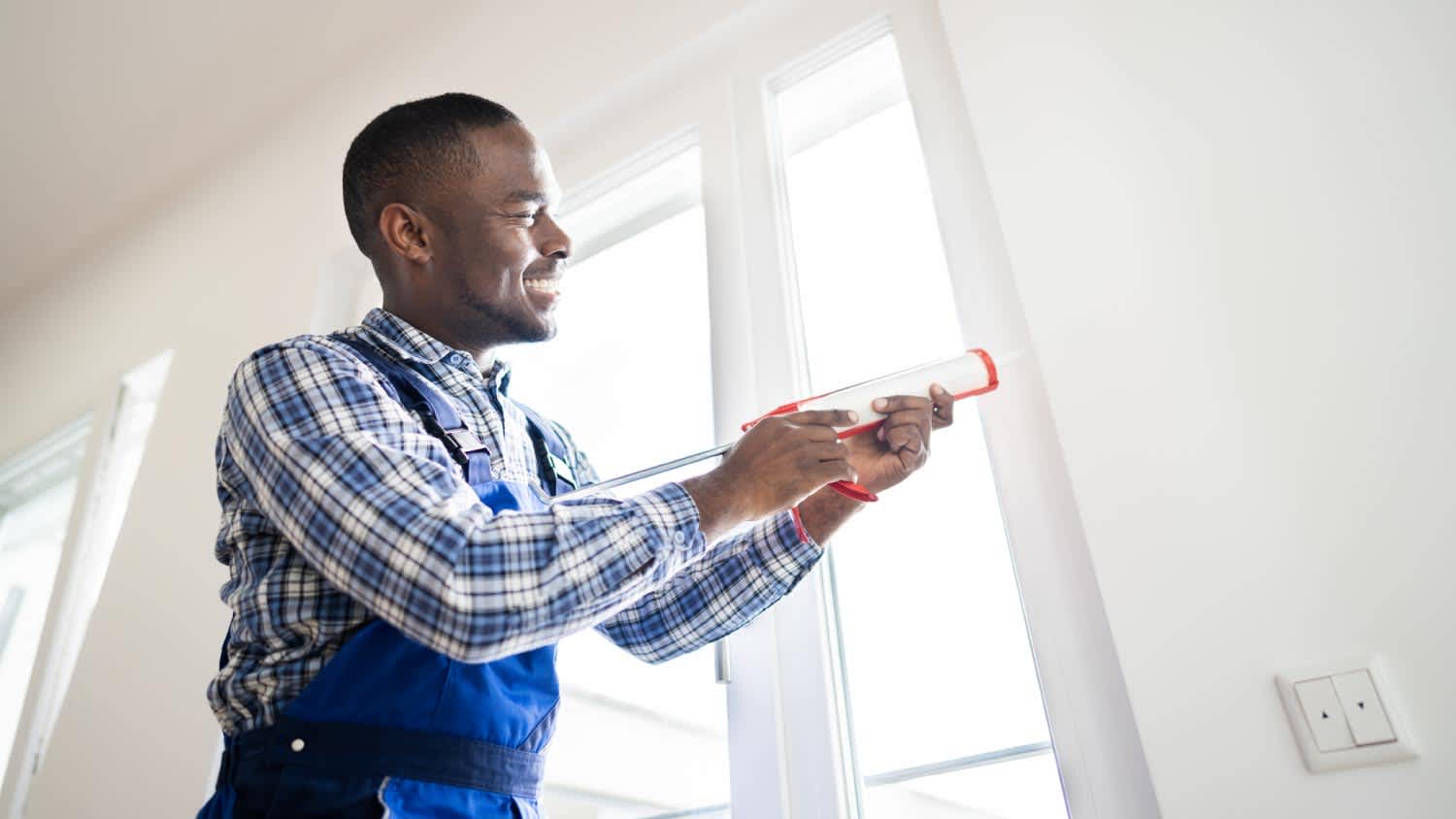
Caulking isn’t as easy as it looks, but with some tricks, even a beginner can do it like a pro. This guide will show you how to caulk in nine simple steps.
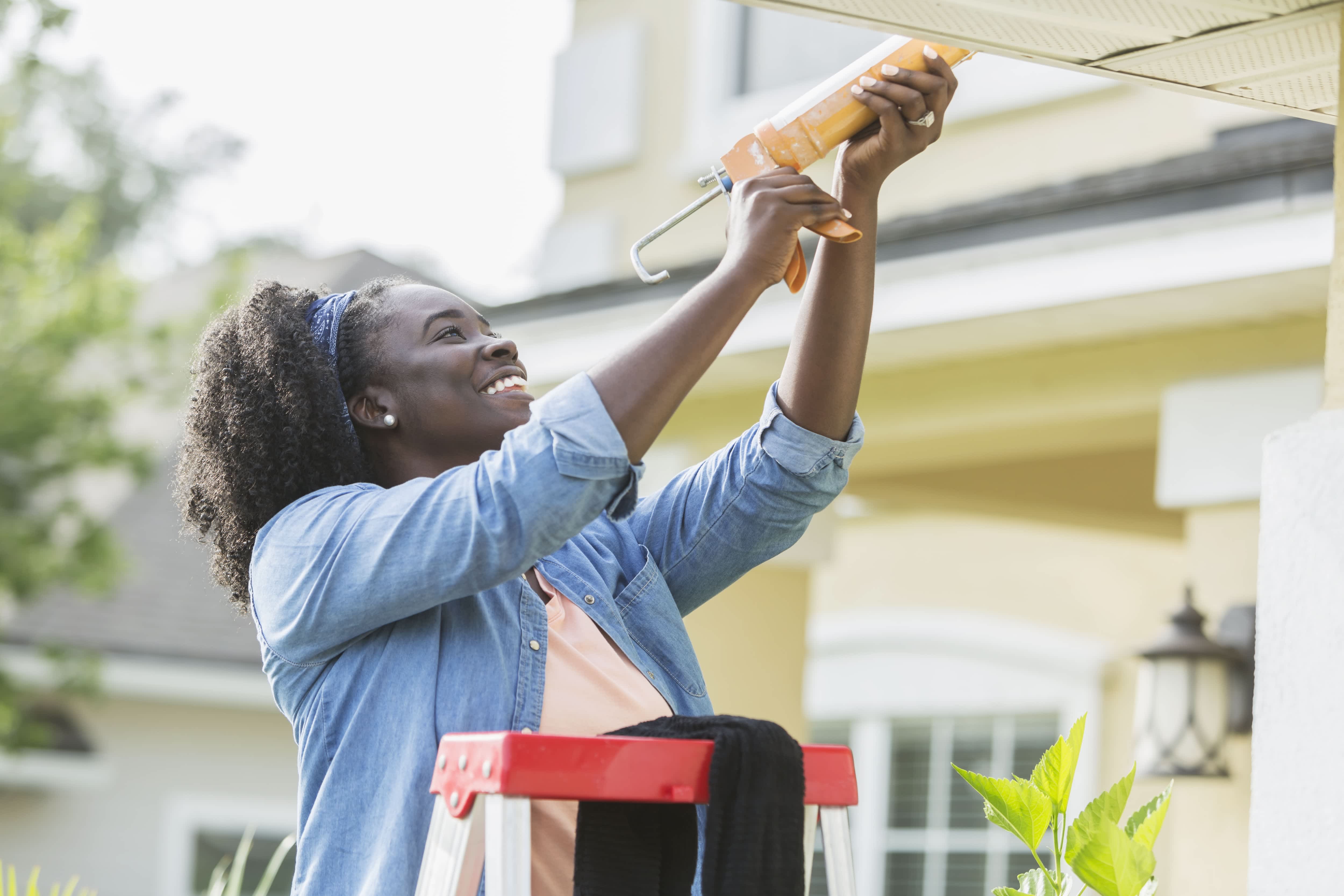
Caulking is used to seal and protect vulnerable spots in your home. Anyone can learn how to use a caulk gun, even beginner DIYers. Use this guide to get started.
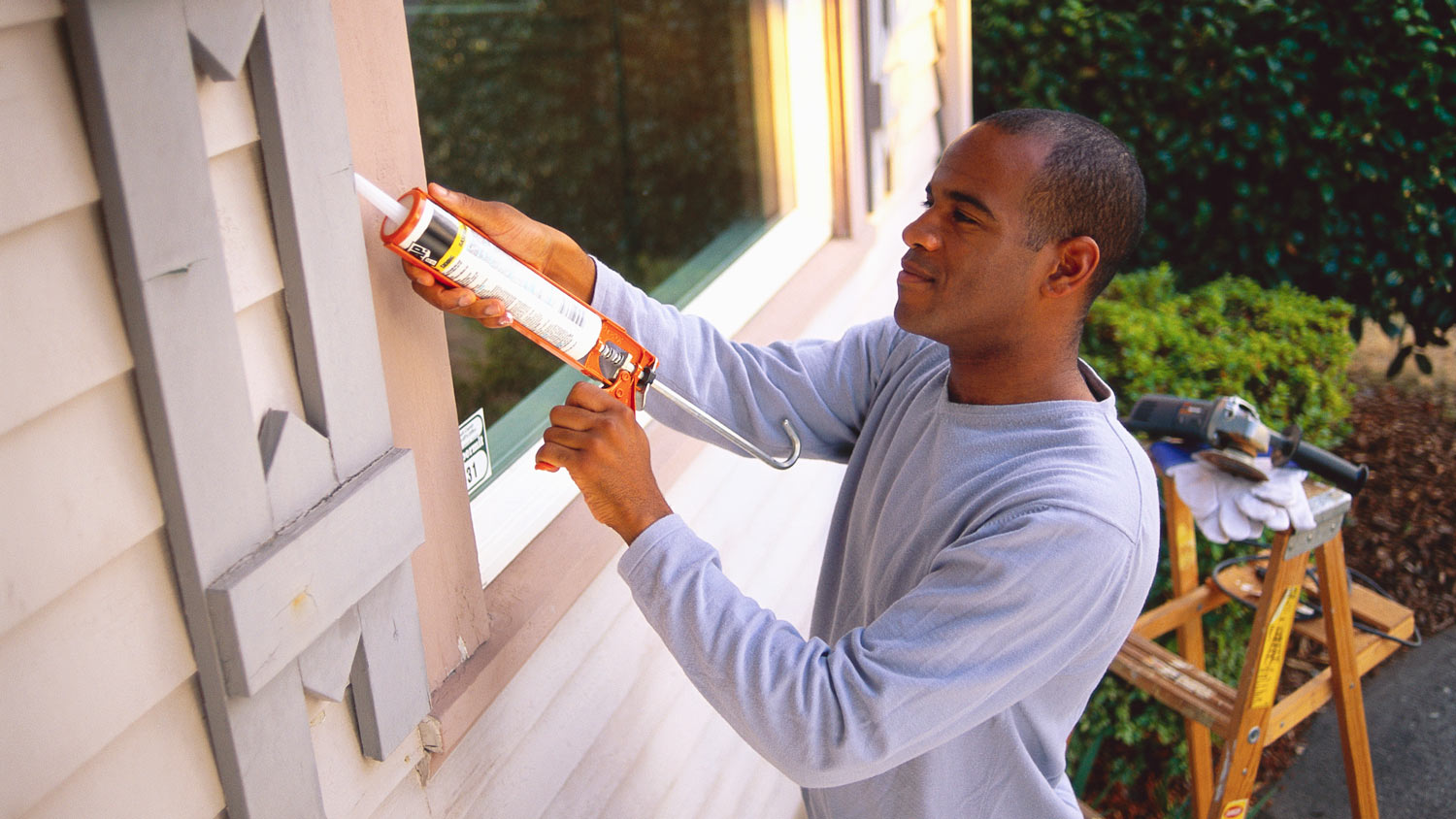
Caulk and sealant are both helpful for closing gaps, but they aren’t the same thing. Find out whether caulk versus sealant is a better choice for your project.
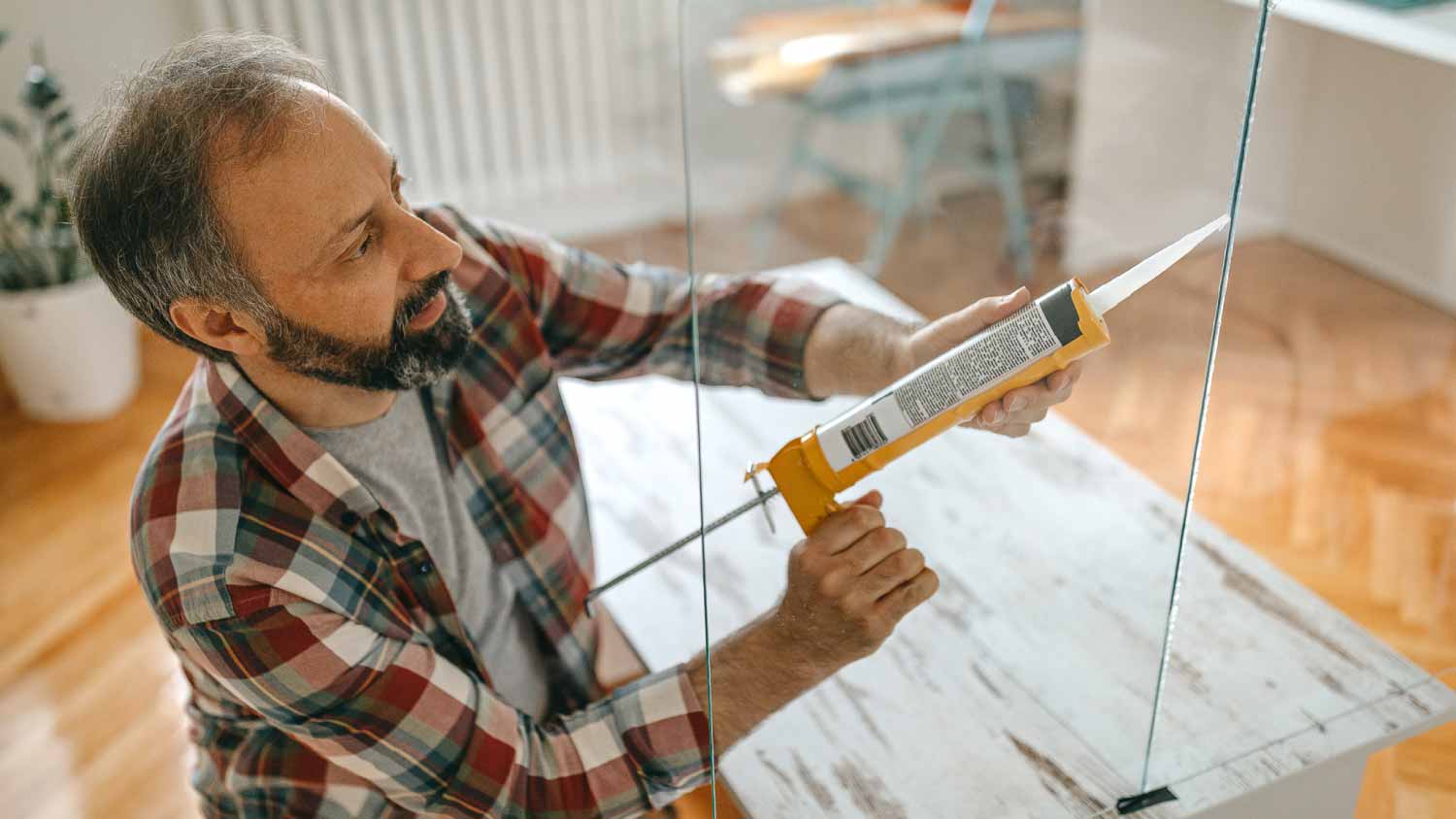
Caulk can be made with different materials that are suited to different types of projects. Discover the key differences between latex versus silicone caulk.