
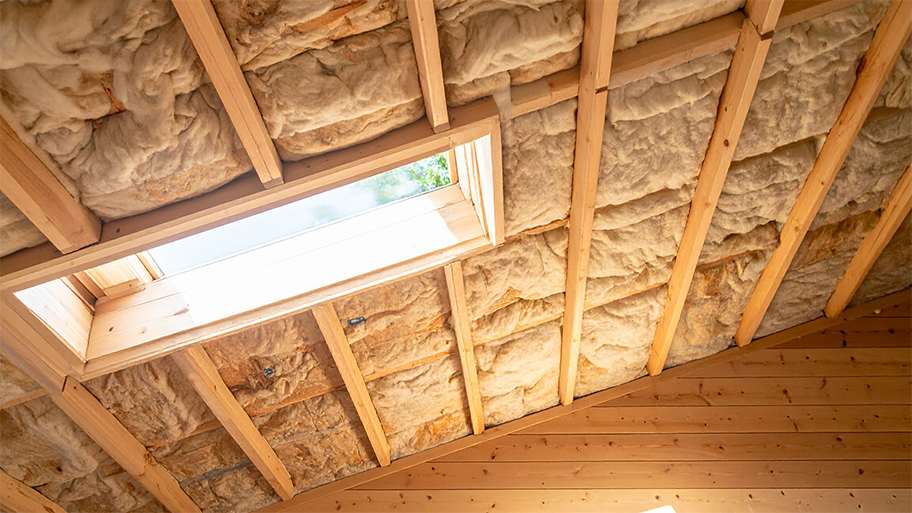
Insulating your attic can improve your home’s efficiency and reduce electric bills. Use this guide to find out what attic insulation will cost you in Chicago, IL.
Insulation service costs depend on your project and location. Check with a local pro for your specific job.

Removing attic insulation in Chicago, IL, costs $1.25 to $2.50 per square foot.
Removing insulation from larger bungalows and two-flats can push totals higher.
Budget $1,500 to $5,000 for mold remediation, if needed.
Hiring a local insulation contractor in Chicago, IL, provides reliable help with attic insulation removal and saves you significant time and money.
With harsh winters and humid summers, proper attic insulation is essential in Chicago, IL, for year-round comfort and energy efficiency. Attic insulation removal in Chicago, IL, costs an average of $932, with most homeowners spending between $622 and $1,243. Removing old or damaged material is often the critical first step in a meaningful upgrade that meets the Chicago Energy Transformation Code's R-49 minimum.
Chicago, IL, presents a unique set of cost drivers for attic insulation removal, from the city's dense, older housing stock to its demanding climate requirements. The size, layout, and condition of your attic will all influence your final project cost here.
The square footage of your attic space will determine the total cost of the insulation removal project. The bigger the space and the more insulation material it contains, the more it will cost to remove it all.
However, the difficulty of accessing certain parts of the attic is also a significant pricing factor, potentially adding $1 per square foot to the price tag for those areas.
| Square Footage | Average Cost |
|---|---|
| 200 | $250–$500 |
| 400 | $500–$1,000 |
| 600 | $750–$1,500 |
| 1,000 | $1,250–$2,500 |
| 1,500 | $1,875–$3,750 |
The cost of removal varies between different types of attic insulation. Each type demands a specific approach. Professionals can remove blown-in insulation that's in good condition using a large vacuum, while batts, rolls, and rigid materials will require hand removal, which is more labor-intensive.
Expect to pay $1.25 to $2.50 per square foot to remove insulation, with blown-in varieties near the lower end and rigid types near the higher end of that range. Keep in mind that those prices are for dry, non-asbestos insulation that’s in good condition. Chicago's cold climate means attics are often packed with thick insulation, so there is simply more material to remove than in milder-climate cities, further increasing costs.
| Insulation Type | Average Cost |
|---|---|
| Blown-in | $700–$1,200 |
| Batts and rolls | $900–$1,400 |
| Rigid | $1,000–$1,600 |
The main difference between attic insulation and roof insulation is where the material is installed. Attic insulation is added to the attic floor—which is also the ceiling of the room below—whereas roof insulation is on the underside of the roof deck. They both use similar materials, but roof insulation prevents heat loss through the roof, while attic insulation helps regulate the living space below.

Attic insulation removal costs can be affected by other situations that are out of our control. Things like pests, mold, and the presence of asbestos in the old insulation can significantly increase the project's cost.
Chicago, IL, has an exceptionally high proportion of housing built before 1980, and asbestos was commonly used in vermiculite and some blown-in insulation products through the late 1970s. Understanding the full asbestos removal cost before your project begins is essential for accurate budgeting.
| Hazardous Material | Average Removal Cost |
|---|---|
| Pests | $150–$300 |
| Asbestos | $4,000–$12,000 |
| Mold | $1,500–$5,000 |
Chicago, IL's, classic two-flats, three-flats, and bungalows often feature narrow attic access points, low headroom, and complex framing that increases labor costs when you want to remove or replace insulation. Tight attic hatches may prevent standard vacuum equipment from being positioned effectively, forcing crews to break down equipment or remove material by hand. Increase your budget estimate accordingly in older properties where attic entry is restricted.
Chicago, IL, has a well-established insulation contracting market, with labor rates reflecting the city's union-influenced construction industry and higher cost of living relative to national averages. Before committing to an insulation pro in Chicago, IL, confirm they are licensed by the Illinois Department of Financial and Professional Regulation and carry appropriate insurance.
Labor for attic insulation removal in Chicago, IL, runs $50 to $85 per hour, on average, depending on insulation type and attic conditions. A standard 1,000-square-foot attic insulation removal takes four to eight hours of labor for blown-in insulation under normal conditions, though contaminated or densely packed attics can extend that timeline significantly.
Contractors in Chicago's denser neighborhoods like Wicker Park and Lakeview may charge slightly more due to staging logistics, limited street access, and the cost of dumpster or truck placement in tightly packed blocks.
Most attic insulation removal projects in Chicago, IL, don't require a permit unless the project involves structural work or HVAC changes as part of a larger renovation. For standalone insulation removal without associated structural or mechanical work, get your contractor to verify current permit requirements with the Chicago Department of Buildings before work begins.
After removal, most Chicago, IL, homeowners choose blown-in cellulose or fiberglass to meet or exceed the code-required R-49. Replacing attic insulation costs $2,000 to $6,000 for a typical Chicago, IL, home. Homeowners may qualify for utility rebates for insulation upgrades that improve energy efficiency.
For Chicago, IL, homeowners, removing and replacing degraded or outdated attic insulation is a high-value investment driven by the city's demanding heating season. Homeowners who upgrade from an underinsulated attic see 10% to 20% reductions in annual heating and cooling costs, underscoring why you should insulate your attic with code-compliant installation.
The net return on investment (ROI) ranges between 70% to 100% of project costs over time when combining energy savings and home value improvement over a five to 10-year horizon. Illinois winters are notoriously harsh, and heat loss through a poorly insulated attic can account for a significant share of annual energy bills. Starting fresh with properly installed blown-in cellulose or fiberglass at R-49 or higher restores the home's thermal envelope and reduces the strain on heating systems.
To help homeowners plan their next project, Angi provides readers with carefully researched cost data and upholds strict editorial standards. We start with national average project costs, which we collect by analyzing competitor information, retailer material costs, and input from professional contractors. We then apply local price index data to calculate location-specific estimates that reflect what homeowners typically pay in their local area. To do that, we use data from the U.S. Bureau of Economic Analysis (BEA), including its Regional Price Parities (RPPs), which measure price differences across cities. This helps us account for differences in labor, materials, and overall cost of living, so estimates in higher- or lower-cost areas better reflect real-world local pricing.
Every estimate undergoes a thorough editorial review to verify accuracy, consistency, and alignment with observed market conditions.
Want to help us improve our cost data? Send us a recent project quote to [email protected]. Quotes and personal information will not be shared publicly.
Our retail building had been suffering from annoying leaks that multiple handymen failed to fix permanently. We finally brought in specialists for a flat roof repair assessment. They utilized imaging to locate trapped moisture and showed us why a localized roof damage repair was no longer...
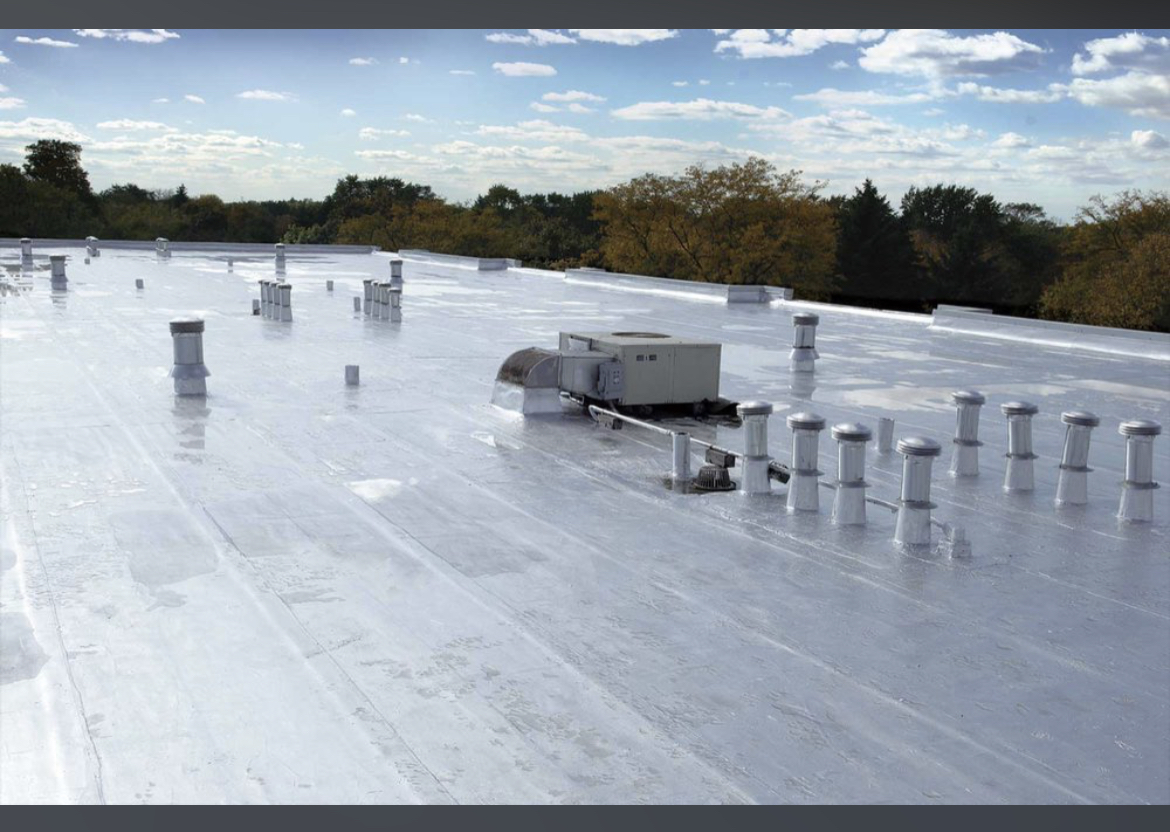 Chicago Flat Roofing Contractors
We ended up having to completely gut the first floor after extensive damage from another contractor. They were the first people to understand and support my desire to both repair the house and preserve some of its original charm. I cannot believe the amount of work they were able to get done....
 New Color Cabinets LLC
We hired Vanguard to replace all of our windows, and the entire experience was outstanding. From the initial consultation to the final installation, Glenn and his crew were professional, efficient, and extremely skilled. They worked meticulously to ensure that each window fit perfectly,...
 Vanguard Building Inc
David and his team were very professional and did a excellent job insuring our Blown-in insulation on our 4500 square ft. townhome Thank you Dap and Sons for such outstanding services and insuring our mission was accomplished.
Everything went great. Tomer was extremely professional and walked me through relevant options, including door insulation and opener models. The price was better than competitors. He was punctual and always available by phone or text with questions. Tomer's team cleaned up afterwards and took...
 5 Star Garage Door
Carlos was such a lucky find. He arrived promptly for both the estimate and day of work. He was very deliberate and took his time assessing the situation, which quite frankly, was difficult to assess. His quote was a very fair price for the materials and hours of labor required to install...
 Full Efficiency Heating And Cooling
overall the experience with USA Insulation was a positive one from the initial contact to the finished job .
 USA Insulation of Chicago
RevFoam did an outstanding job insulating our kitchen and garage. We had severe ice dams this past winter resultanting in substantial water damage. Gwen from RevFoam gave quality recommendations on insulating the roof from the heat of the kitchen. We also had our garage ceiling inserted to...
 Revolutionary Spray Foam Services LLC
The energy audit discovered 3 significant sources of increased energy costs, two are related to heat loss while the third is an old and inefficient boiler for or downstairs radiator system. The audit took about one hour and utilized a front door mounted fan that drew air out of the house...
 Green Attic Insulation
If it weren't for Angie's List, I'd never have the opportunity to work with people who are warm, friendly, informative and professional. Every communication was straightforward and honest and I felt like I knew exactly what I was going to get as opposed to a bait and switch. <br /> Chuck...
 High Tech Waterproofing LLC
From average costs to expert advice, get all the answers you need to get your job done.
Insulating your attic can improve your home’s efficiency and reduce electric bills. Use this guide to find out what attic insulation will cost you in Chicago, IL.
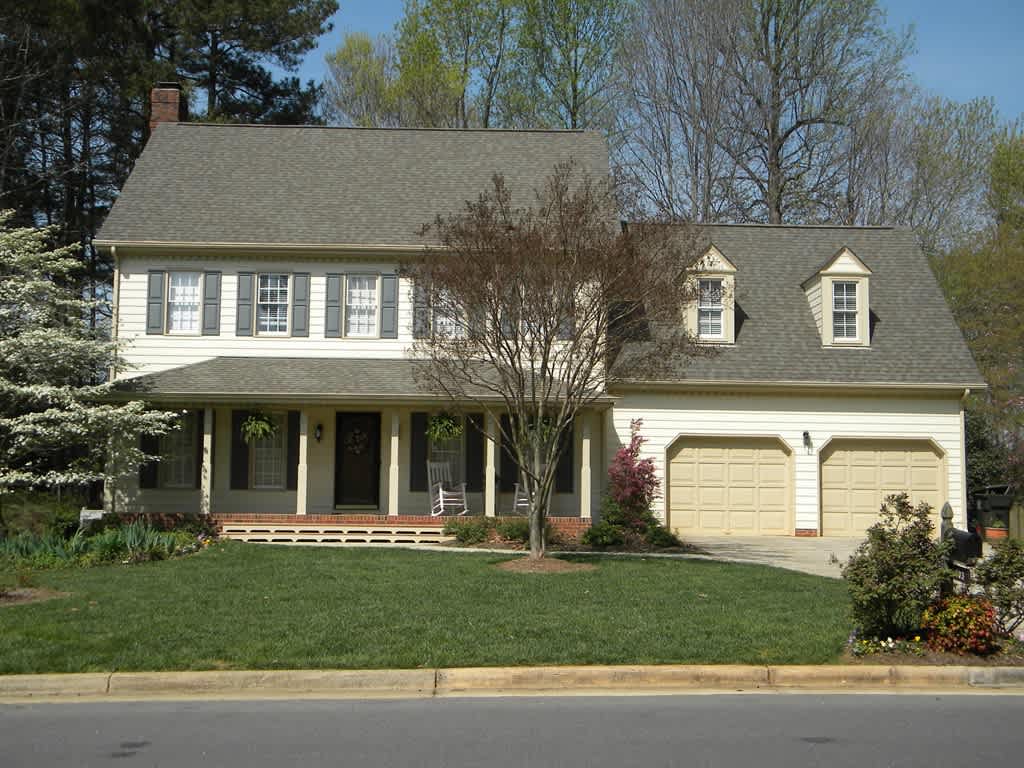
New insulation makes your home more comfortable and boosts energy efficiency. Use this guide to budget for insulation installation costs in Chicago, IL.
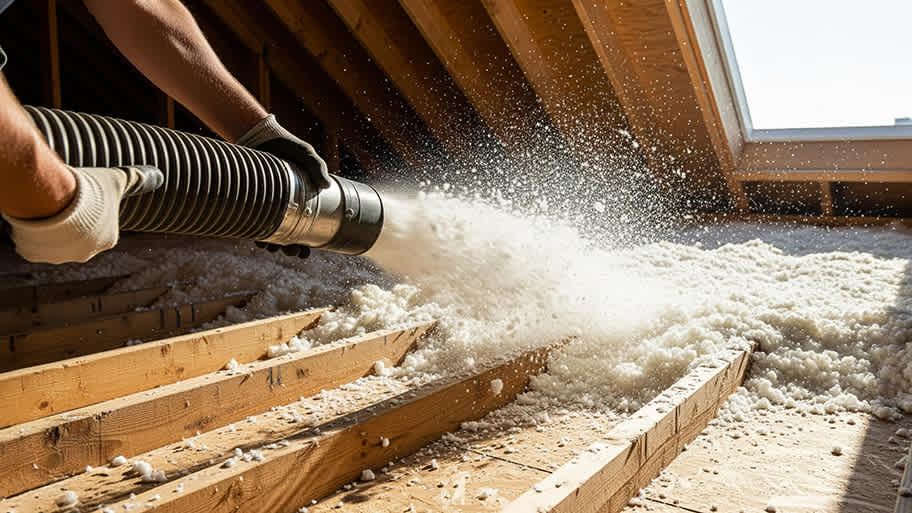
The cost of blown-in insulation in Chicago, IL varies depending on the type of insulation, labor, prep work, and more. Learn more about the cost factors in this guide.

Remove blown-in insulation from your attic safely and efficiently by following this step-by-step guide and prep for your attic remodeling project.
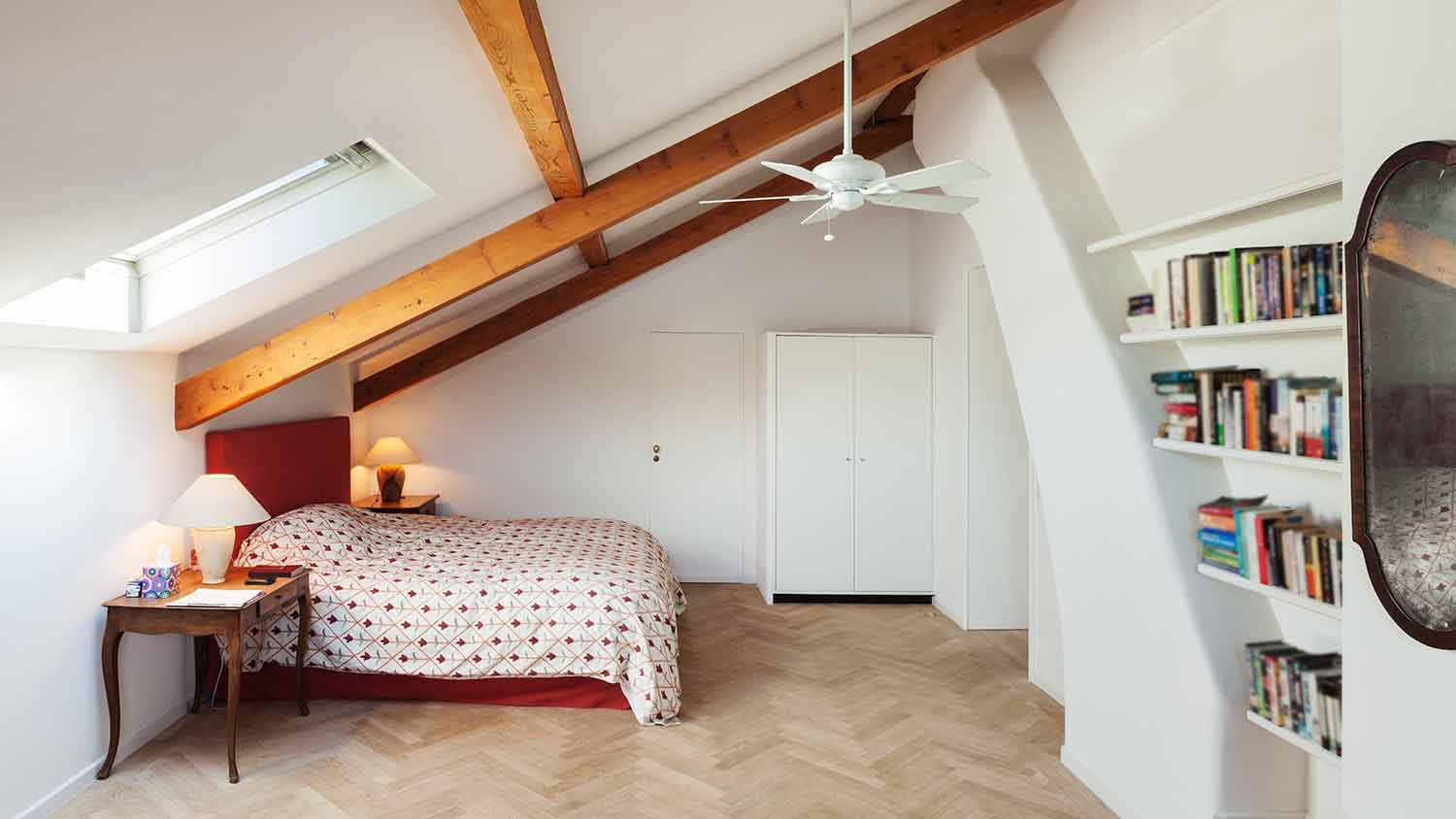
Your home likely loses most of its heat through your attic. This guide on different types of attic insulation can help you boost your home’s efficiency.

This guide breaks down what attic insulation is and its importance in keeping your home the temperature you want. Keep reading to learn more.