
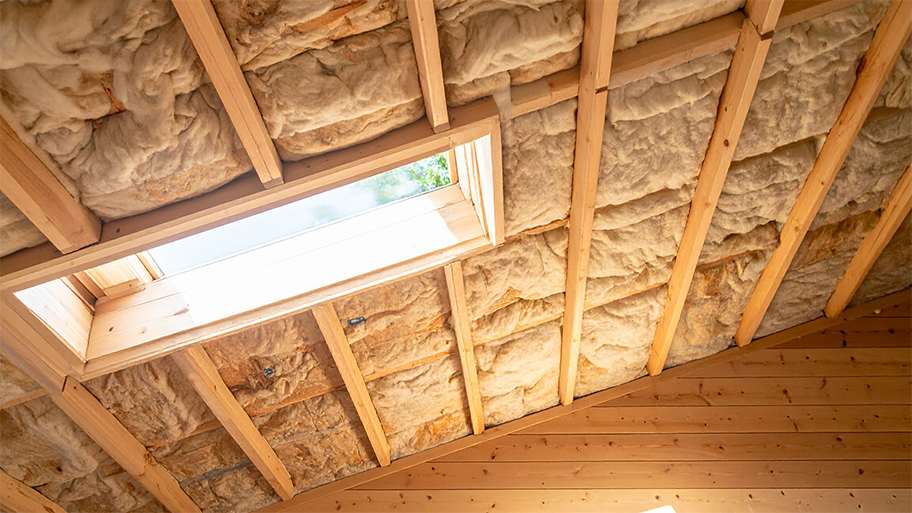
Insulating your attic can massively improve your home’s efficiency and reduce electric bills. Use this guide to find out what attic insulation will cost you.
There’s more to your attic than grandma’s magazine collection

Attic insulation acts as a barrier between outdoor conditions and your home, keeping hot air out in summer and warm air in during winter.
Expect to pay $1,500 to $3,500 to insulate your attic, and you can save up to 50% on your heating bills once installation is complete.
You can choose from blanket, loose-fill, spray foam, or panel insulation depending on your attic space, budget, and home's climate needs.
Hiring a local attic insulation professional ensures proper R-value selection and vapor barrier installation, helping your home stay comfortable and energy-efficient year-round.
Attics are the often forgotten space between your roof and your main living area, serving as a long-term home to boxes you’d rather keep out-of-site. But it also plays a role in keeping your home comfortable throughout the seasons. If every winter has you shivering, attic insulation upgrades can help. Luckily, insulating your attic is an easy process that will have you warm and smiling again in no time flat.
According to the EPA, homeowners can save significantly on monthly heating and cooling bills by installing insulation in their attics, floors, and crawl spaces.

Insulation may not always be pretty to look at, but it does an important job. Insulation serves as a barrier between the conditions outside your home—helping to maintain the desired temperature inside. Good insulation keeps out hot air during the summer and freezing air in the winter.
Insulating is good for your wallet because you’re spending less money on heating and cooling your home. Using less energy to maintain the indoor temperature (thanks to insulation) also reduces the need to overwork your home’s HVAC systems. Here’s how it breaks down.
In the case of attic insulation, you can DIY install it or hire a roofing professional in your area to get the job done. The estimated attic insulation cost is between $1,500 and $3,500, depending on insulation materials. According to HomeAdvisor, properly installed attic insulation can shave as much as 50% off your heating bill. Talk about work paying for itself.
Additionally, many power companies offer rebates for customers who install insulation. Reach out to your local utility company to see if they have any deals or offers that could benefit you.
The science of insulation is simple: empty spaces in the home mean open spaces for cold or hot air to fill; insulation fills in those empty places to prevent the transfer of air from outside. Good insulation means you don’t have to crank the AC during those hot summer months, and those chilly winter days won’t require you to overuse your furnace, either.
Like other insulation, attic insulation serves to redistribute heat coming from outside the home. In the summer, when it’s hot outside, good insulation blocks heat from getting inside your home and raising the temperature.
But good insulation should be just as effective in the winter months. When it’s cold outside, the insulation keeps the warm air inside your home. Different types of attic insulation tackle this task in different ways, which we’ll cover next.
If you’re insulating an attic yourself or you’ve hired a professional to do the job, you may see different attic insulation materials used. Here are some of the most popular types of attic insulation used today.
Blanket insulation is a popular DIY choice because, as its name indicates, it comes in blankets or sheets, which can be easily affixed to unfinished parts of your attic. It’s also a more affordable option. The sheets are usually made of plastic, fiberglass, or natural materials like wool and minerals.
These panels are much larger than other options (they are sold as 4-foot-by-8-foot boards), making them a better fit for new construction projects than your average attic renovation. They are one of the strongest and most energy-efficient ways to insulate your home, which explains the price tag.
Spray foam is a great solution if you’re adding insulation to an already insulated portion of your attic or if the space is oddly shaped and other forms of insulation are a little trickier to install. The foam dries solid and can be just as effective as other insulation methods for your attic. It also has a long lifespan because of its solidity, helping to ensure your home’s insulation R-value stays in tip-top shape. Spray foam insulation costs between $1.50 and $4.90 to install on average.
Also known as blown-in insulation, this is another popular option for attic insulation—both professionals and DIYers use it. Blown-in insulation costs between $0.50 and $2.30 per square foot for materials and an additional $1.15 to $1.50 per square foot for labor.
The loose-fill method involves taking bags of loose material (usually cellulose, fiberglass, or rockwool) and blowing them into place with a machine designed for this purpose. Rockwool is one of the best materials for making a soundproof room, but rockwool costs the most out of all the loose-fill insulation options.
Keep in mind that loose-fill insulation needs to be installed behind a wall or supporting panel to prevent the loose materials from turning your attic into a real-life snow globe.
According to Angi data, 54% of homeowners report having blown-in insulation in their attics. Other common locations for this essential home insulation are inside the walls and ceilings.
The cost of insulating your attic varies according to what materials you use to get the job done. As covered above, the cost of the insulation material itself can range from $1 to $7 per square foot. The average homeowner will spend around $2,500 to insulate their attic.

R-values are a measurement of how resistant insulation is to heat. The higher the rating, the better the insulation can do its job. Before you buy insulation, double-check which R-value is recommended for the area where you live. The standard recommendation is an R-value rating of 38, though that can vary.
Because attics often become a place for storing stuff, it’s normal for them to be covered in boxes. If you’re insulating your attic, remedy the clutter first! Find another place, even a temporary one, where those boxes and doo-dads can live. If you’re hiring a pro, they may want to start with the floor of your attic, which often requires removing existing flooring because the insulation is often placed under attic floorboards.
Vapor barriers are warriors in the epic battle between homeowners and water damage. Your roof will see quite a bit of water in its lifetime, and if there are leaks, they will affect the attic first. Vapor barriers can be installed in tandem with attic insulation to prevent moisture from causing any structural damage or shortening the life of your attic insulation.
In homes built before 1970, there is a high likelihood that the attics have asbestos insulation, which is a serious health risk. If your home’s attic hasn’t been touched since then, resist the urge to start inspecting your attic and pulling out old insulation. Contact a professional who can take the appropriate measures and remove the asbestos safely.
In warmer and humid climates especially, like in some southern parts of the United States, moisture can accumulate in your attic with improper installation of your insulation. That’s why it’s important to know how to insulate your attic correctly and prevent costly mold remediation and replacement insulation. This moisture can cause mold and mildew to grow in your attic and negatively affect your air quality—all while reducing your insulation’s R-value.
If you have asbestos in your attic, it’s important to learn about what asbestos insulation is and how to safely navigate around it before attempting to install new insulation.
If you’re good people wanting to do business with good people, hire Matt. He is a consummate professional and utterly competent. He installed a water heater in my home at a price that beat competitors by hundreds of dollars with a promise to support the unit for its life (even after its 6 yr...
 Greene's Plumbing Services
I would recommend this company to anyone! He showed up on time, was friendly, completed a very difficult repair on our dryer vent cover, was responsive, and pricing was extremely fair and competitive. I would have him back to do any of our repairs or cleanings without hesitation!
 U.S.A. Dryer Vent, LLC
Best cleaning I've had at my property
I conferred with 2 other contractors before Armstrong Electric. Nick and his crew showed me that the project was not as convoluted as the other contractors made it appear to be. They completed the entire project on time. They were professional, friendly and cleaned up after at completion. I...
 ARMSTRONG ELECTRIC, LLC
Our exterior looks brand new thanks to Custom Paint Jobs LLC. Theyre the best in town!
 Custom Paint Jobs, LLC
Excellent experience with hiring Tether House to Mount our 77’ Samsung TV in our bedroom. Fast, friendly, and knowledgeable. Highly recommend.
 Tether House
The techs on my project, Shawn and Cliff, were great. They were prompt, courteous, and efficient. I am very happy with the results and would definitely contact Mr. Electric for any future electrical projects.
 Mr. Electric of Columbus
We had our houses windows and back door replace this summer by Window Depot USA of Central. He gave us grate advise and saved my family lots money. The team did a fantastic job with installation. If you need help, they sure get job done right!
 Window Depot USA of Central Ohio
Beginning with the estimate, Larry and Peyton were super helpful in getting my new condo's interior re-painted. Not only was the job well done, but also done in a super timely manner as promised.
 Five Star Painting of Plain City and Powell
Great job...edging and pre clean up went well with a great job with seal coat. Friendly, efficient and professional.
 All Star Paving and Sealing
From average costs to expert advice, get all the answers you need to get your job done.
Insulating your attic can massively improve your home’s efficiency and reduce electric bills. Use this guide to find out what attic insulation will cost you.
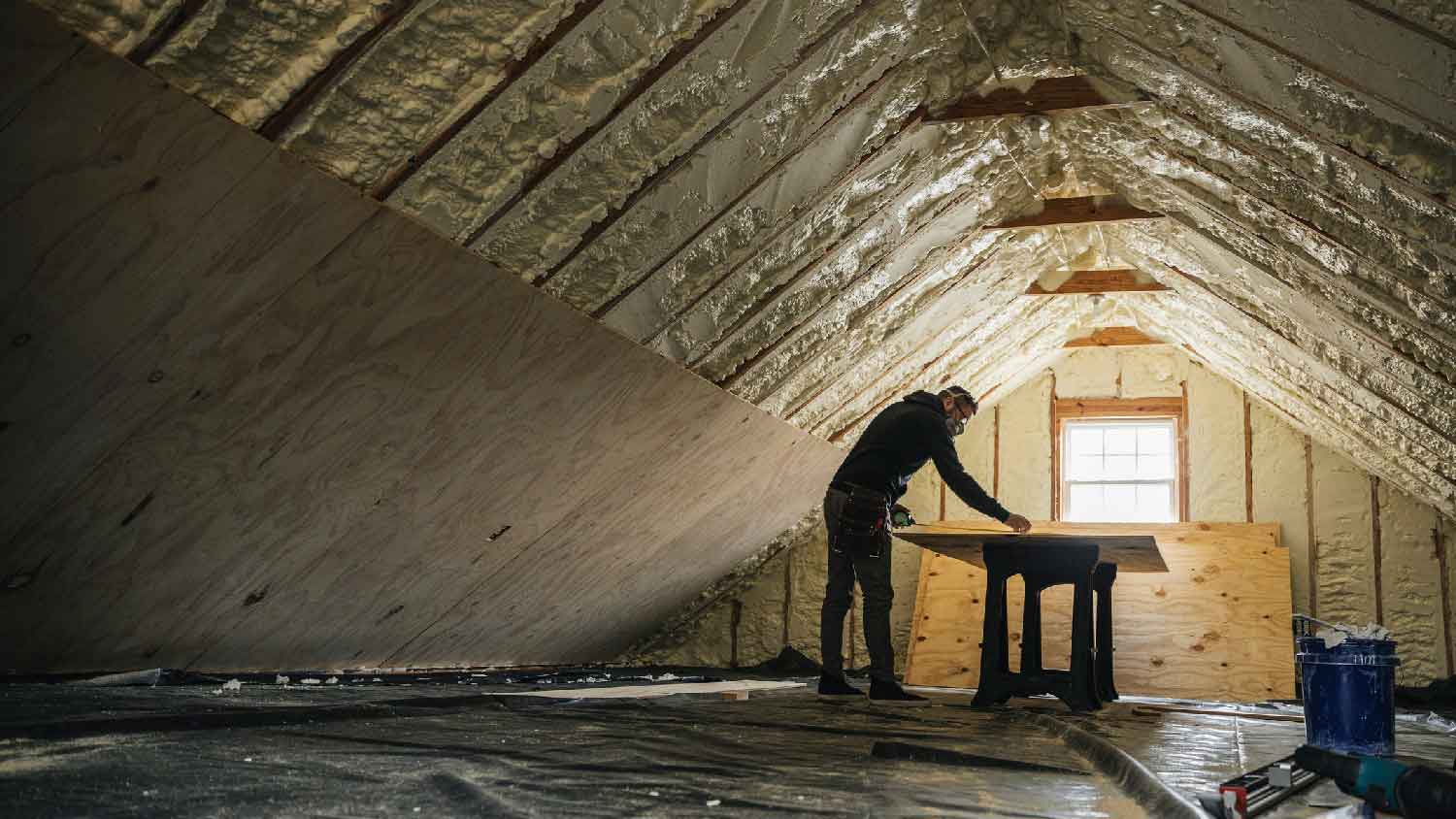
Your attic insulation removal cost will vary based on multiple factors, including why you're removing it and how easy it is to complete the task.
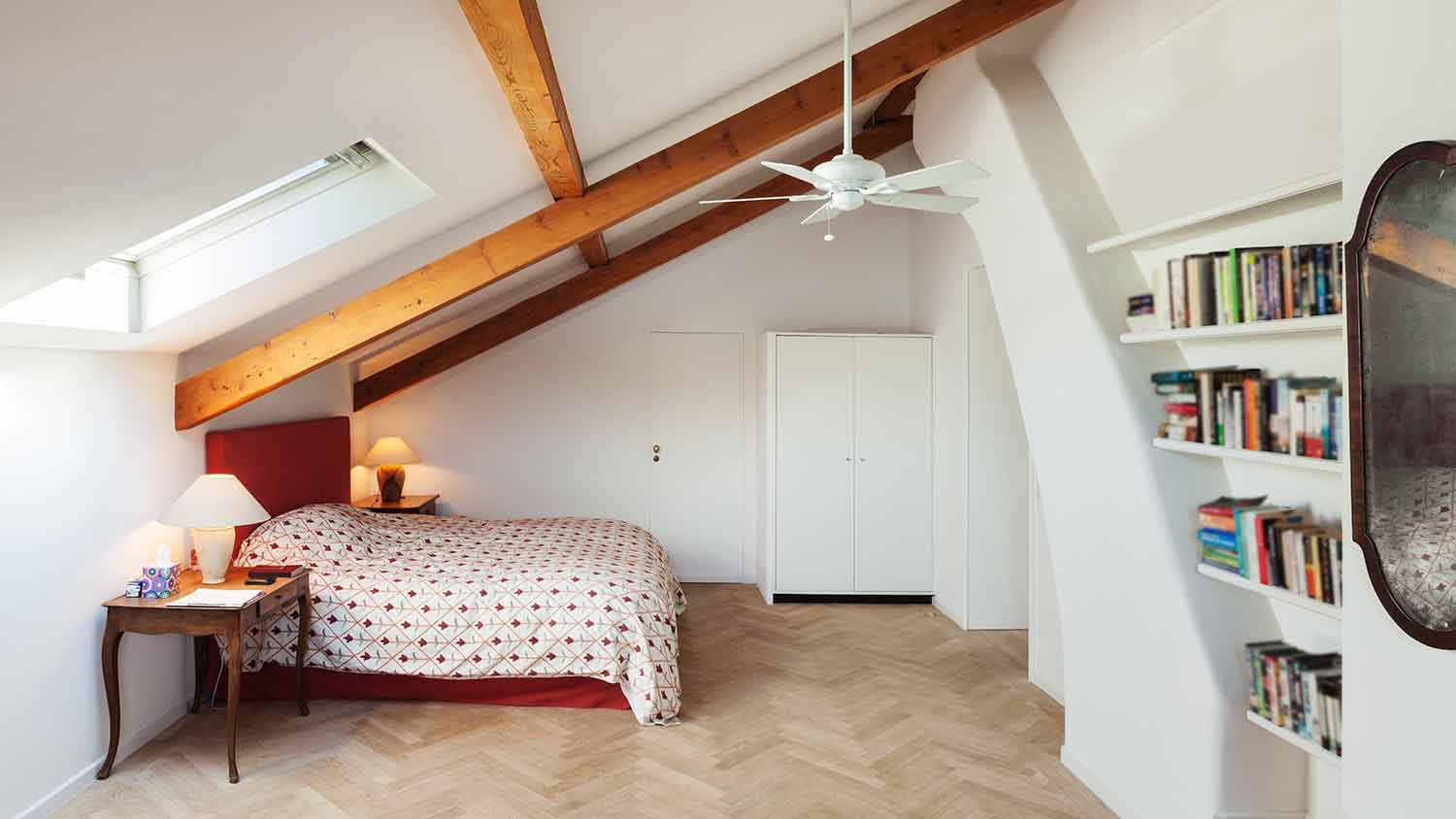
Your home likely loses most of its heat through your attic. This guide on different types of attic insulation can help you boost your home’s efficiency.

When it comes to insulating your attic, there are a few tips and tricks to help make things safe and efficient.
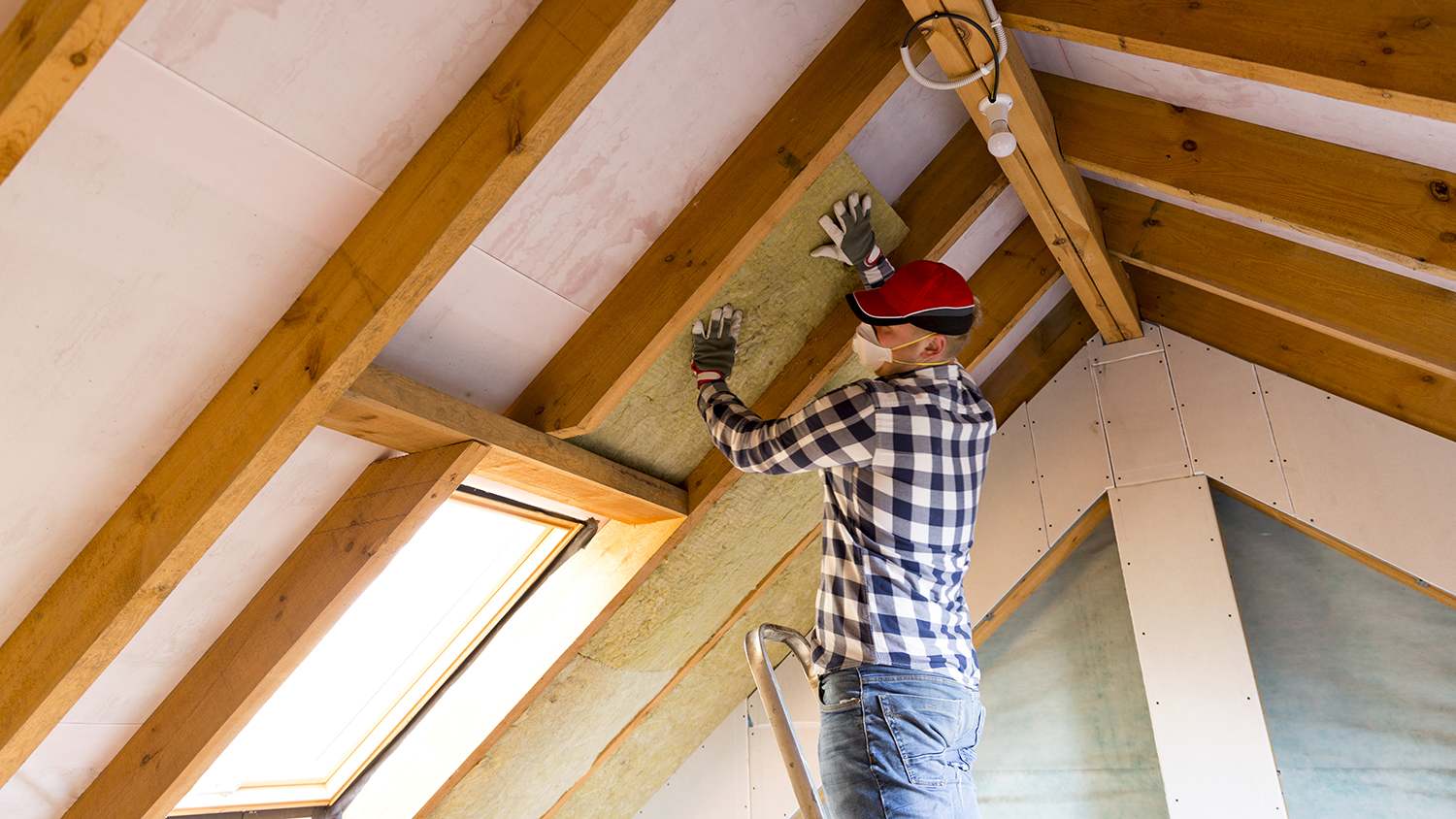
Wondering who to hire for attic insulation? Learn what insulation contractors do, how they work, and how to choose the right pro with confidence.

Read our guide to insulating your attic for energy efficiency and comfort. Learn expert safety tips, cost considerations, proper preparation, and more.